Top 10 Castles around Oberhoffen-Lès-Wissembourg
Best castles around Oberhoffen-Lès-Wissembourg are found in the surrounding region, particularly within the Northern Vosges Regional Natural Park and near the historic town of Wissembourg. This area offers a blend of medieval architecture, military history, and picturesque scenery. The landscape features unique rock formations and dense forests, providing a natural setting for these ancient fortifications. Visitors can explore a variety of castle types, from well-preserved ruins to those with modern architectural integrations.
Best castles around Oberhoffen-Lès-Wissembourg
- The most popular castles…
Last updated: June 24, 2026
Château du Loewenstein
Highlight • Historical Site
A very beautiful ruin with a wonderful view from both platforms.
Translated by Google •
Tip by

Ruins of Guttenberg Castle
Highlight • Castle
Showing Translation
Tip by

Sign up now to discover places like this
Get recommendations on the best single tracks, peaks, & plenty of other exciting outdoor places.
Sign up for free
4 Sentiers des Châteaux / Germany-France border
Highlight • Trail
Translated by Google •
Tip by

Ruins of Moulin Saint Rémy and Trimmichmuehl Mill
Highlight • Historical Site
Translated by Google •
Tip by

Iron Maiden in the fortification tower of the cemetery fortifications
Highlight • Historical Site
Translated by Google •
Tip by

Sign up for free to discover even more castles around Oberhoffen-Lès-Wissembourg.
Sign up for free
Already have an account?
Start today with a free account
Your next adventure awaits.
Login or Signup
Popular around Oberhoffen-Lès-Wissembourg
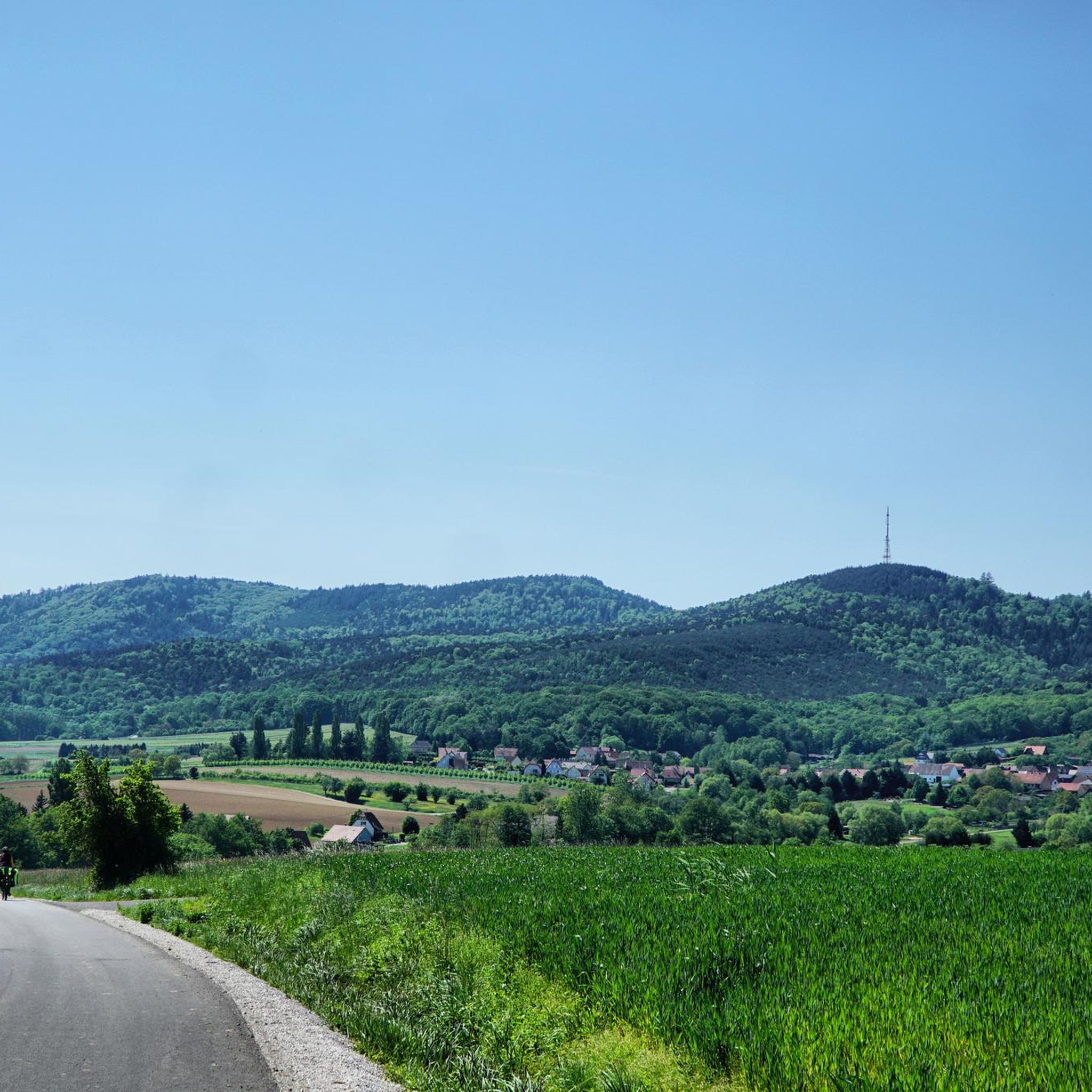
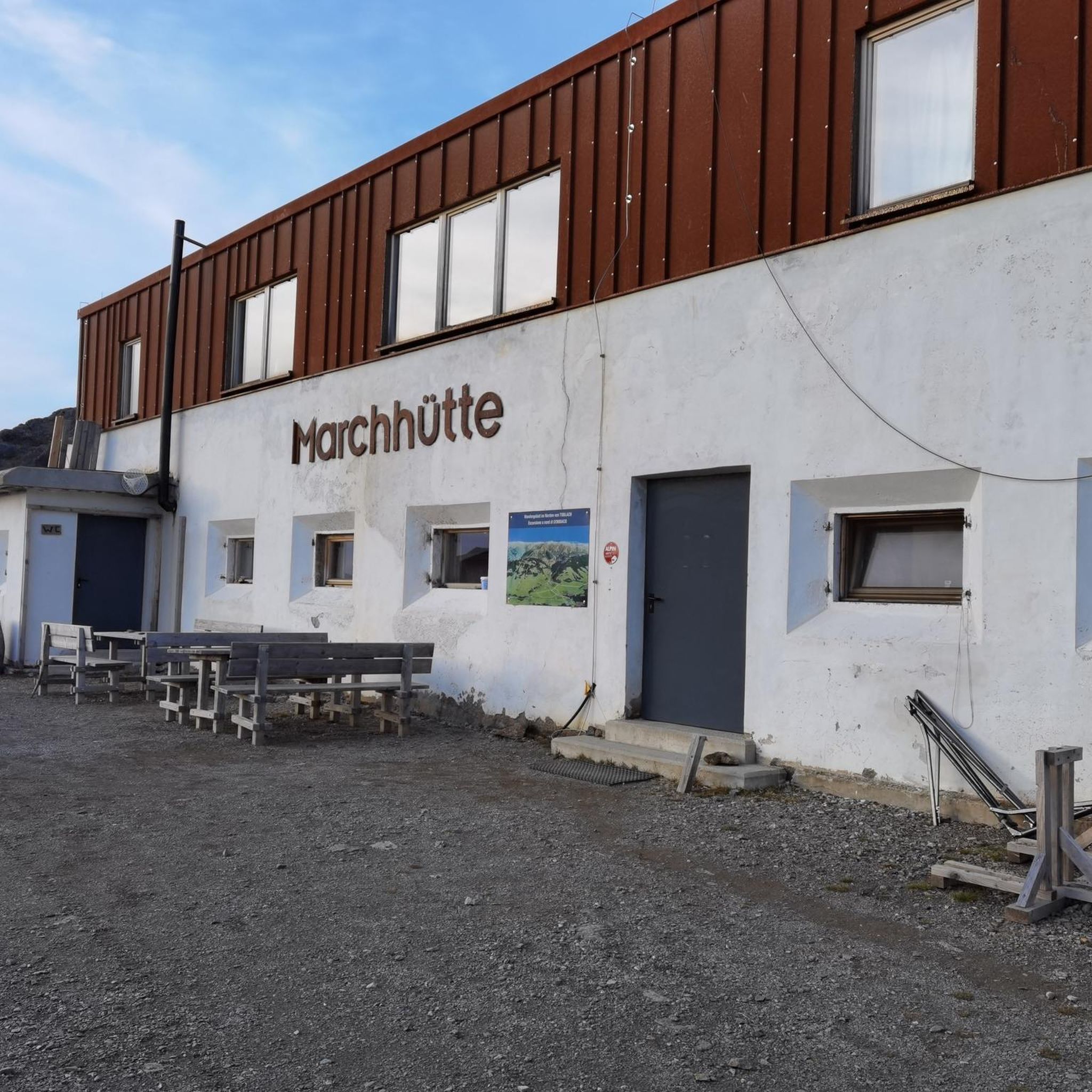
Tips from the Community

The Lauter Bridge is right next to it. The German text on the information board is somewhat misleading (20 km long bridge). Please compare it with the English or French text.
0
0

Very beautiful hiking trail with lots of highlights. Marked with the "red-white-red" marking.
1
0

A classic is the castle route across the German-French border near Nothweiler. Great paths and fantastic views.
3
0

There was once a mill at the site near the Lauter, of which only the remains of the mill canal and the foundation walls can be seen. There was a castle a little further south: Trimmich was the eastern castle located in all directions of Weißenburg. There was also a mill there on the Lauter until German soldiers reduced the place to rubble in 1939. There is almost nothing left of either. But some foundation walls can be made out in the thicket.
4
0
At this point you will find a partially fortified mill canal to the mill in the thicket that was burned down by German soldiers in 1939. The mill is mentioned on the sign on the bridge over the Lauter. The remains of the castle are about 200 meters south of here.
4
0

The Iron Maiden (an execution tool from the Middle Ages) is a fortification tower
1
1

The Iron Maiden is a device said to have been used to torture and execute people. It is a wooden or metal hollow body, usually in the form of a woman, which was studded with nails or thorns protruding inwards. Source: Wikipedia
12
0

This is an execution tool from the Middle Ages. Iron spikes were attached to the coat of shame. The iron maiden can be found in one of the towers by the cemetery fortification.
3
0
Frequently Asked Questions
What types of historical castles can I explore around Oberhoffen-lès-Wissembourg?
The region offers a diverse range of historical castles, from medieval ruins integrated into rock formations to fortified structures with modern architectural elements. You can find examples like the semi-troglodytic Château du Loewenstein, the well-preserved medieval fortifications of Wissembourg, and the unique blend of ancient and contemporary design at Château de Lichtenberg.
Which castles offer the best panoramic views of the surrounding landscape?
Several castles provide stunning views. From Château du Loewenstein, you can enjoy a wonderful vista from its platforms. The Ruins of Guttenberg Castle offer beautiful views over the Rhine plain and the Northern Vosges. Château de Lichtenberg provides panoramic views that can stretch as far as Strasbourg Cathedral on a clear day, while Château de Hohenbourg, being the highest in the Northern Vosges, offers unparalleled forest views.
Can I combine a castle visit with a hike?
Absolutely! The region is ideal for combining castle exploration with hiking. The 4 Sentiers des Châteaux / Germany-France border trail is highly recommended, connecting the ruins of Löwenstein, Wegelnburg, Fleckenstein, and Hohenburg. Access to Château de Hohenbourg, for instance, is exclusively by foot, typically a 45-minute hike from the Fleckenstein Castle parking lot.
Are there any castles that showcase a blend of historical and modern architecture?
Yes, Château de Lichtenberg is a prime example. While first mentioned in 1206, it underwent an extensive restoration in the 1990s that impressively integrated modern architectural elements like glass, copper, and metal, creating a harmonious blend with its historical structure. It's celebrated as a 'living fortress' that successfully marries history, military architecture, and contemporary design.
What are the best options for family-friendly castle visits?
The well-preserved medieval ramparts of Wissembourg offer an easy and engaging walk for families, allowing appreciation of historic details and picturesque views. Château de Lichtenberg, with its restored sections and modern additions, often hosts events and is generally considered family-friendly. For a more adventurous family, the unique semi-troglodytic design of Château de Fleckenstein can be very captivating.
What is the best time of year to visit the castles in this region?
The spring and autumn months generally offer pleasant weather for exploring the castles and their surrounding natural beauty, with comfortable temperatures for hiking and fewer crowds. Summer can also be enjoyable, though it can be warmer. Winter visits can be picturesque, especially after snowfall, but some trails might be more challenging, and certain facilities might have reduced hours.
Are there any castles that are particularly unique in their construction or history?
Château de Fleckenstein is notably unique, shaped like a 52-meter-long boat and constructed on a sandstone summit with steps carved directly into the rock and troglodyte rooms. Bad Bergzabern Castle, originally a moated castle, showcases a rich history of destruction and reconstruction, evolving from a fortified residence to a Baroque-style administrative building. The fortifications of Wissembourg also stand out with their extensive medieval walls and an ingenious 18th-century iron lock system used to divert the Lauter river.
What kind of outdoor activities can I do near these castles?
Beyond castle exploration, the region offers various outdoor activities. You can find numerous cycling routes, such as the 'Bienwaldmühle – Lauter washhouse loop' or the 'Lauter Cycle Path – Tank Trench Steinfeld loop' for touring bicycles. For runners, there are trails like the 'Running loop from Oberhoffen-lès-Wissembourg' or the 'Ruins of Guttenberg Castle – Sonnenberg Vineyard loop'. Gravel biking options include the 'Lauter Cycle Path – Bride and Groom (Dahn) loop'. You can find more details on these activities in the Cycling, Running, and Gravel Biking guides for the area.
Are there any well-preserved medieval town fortifications to explore?
Yes, the historic town of Wissembourg, situated on the French-German border, boasts well-preserved medieval defensive walls from the 13th and 15th centuries. You can walk along the leafy pathways atop these ramparts, which feature towers like the Schartenturm and Hausgenossen, offering a captivating journey into Alsatian history and picturesque views. More information can be found on Visit Alsace.
What do visitors enjoy most about the castles around Oberhoffen-lès-Wissembourg?
Visitors particularly appreciate the blend of history and nature. Many enjoy the stunning panoramic views from castles like Château du Loewenstein and the Ruins of Guttenberg Castle. The opportunity to combine castle visits with hiking, especially on trails like the 4 Sentiers des Châteaux, is also highly valued. The unique architectural features, such as the semi-troglodytic designs and modern integrations, also captivate many explorers.
Is there a castle that is particularly challenging to reach for hikers?
Château de Hohenbourg, perched at an elevation of 551 meters, is exclusively accessible by foot, typically requiring a 45-minute hike from the Fleckenstein Castle parking lot. This makes it a rewarding challenge for hikers seeking both historical exploration and a physical activity. Additionally, the Sandstone Trail at the Castle Ruins is described as demanding, with a challenging entrance over larger sandstones.
Are there any castles that are part of a larger historical circuit?
Yes, Château de Fleckenstein is part of the 'Circuit des 4 châteaux,' which connects it with nearby castles such as Hohenbourg, Wegelnburg, and Loewenstein. This circuit provides a comprehensive historical trek for those interested in exploring multiple fortified sites in one go.
Most popular routes around Oberhoffen-Lès-Wissembourg
Most popular attractions around Oberhoffen-Lès-Wissembourg

Get inspired with the komoot mobile app


Explore more
Looking for the best castles somewhere else? Discover other guides around Oberhoffen-Lès-Wissembourg:
