Attractions and Places To See around Curtil-Sous-Burnand - Top 20
Attractions and places to see around Curtil-Sous-Burnand include a variety of historical landmarks, cultural sites, and natural features. This charming village in the Saône-et-Loire department offers insights into local history and a tranquil natural setting. Visitors can explore notable architectural styles, archaeological sites, and picturesque landscapes. The area provides diverse landmarks and viewpoints for those interested in history and nature.
Best attractions and places to see around Curtil-Sous-Burnand
- The most popular attractions is Cormatin Castle, a castle that can…
Last updated: May 21, 2026
Cormatin Castle
Highlight • Castle
Translated by Google •
Tip by

Sainte-Marie-Madeleine Church
Highlight • Other
Translated by Google •
Tip by

Sign up now to discover places like this
Get recommendations on the best single tracks, peaks, & plenty of other exciting outdoor places.
Sign up for free
Taizé Community
Highlight • Religious Site
Translated by Google •
Tip by

Chapaize Church
Highlight • Religious Site
Translated by Google •
Tip by

Saint-Gengoux-le-National
Highlight • Settlement
Translated by Google •
Tip by

Sign up for free to discover even more attractions around Curtil-Sous-Burnand.
Sign up for free
Already have an account?
Start today with a free account
Your next adventure awaits.
Login or Signup

Tips from the Community

Château de Cormatin is a magnificent moated castle from the early 17th century. The castle was built between 1606 and 1625 by the Marquises d'Huxelles. It houses the best-preserved state rooms from the time of Louis XIII in all of France. Famous are the "Gilded Rooms" (Salles Dorées) with opulent paintings, sculptures, and gilded ceilings. The extensive grounds, covering around 12 hectares, are among the most beautiful gardens in France. Highlights in the outdoor area include a large boxwood maze, an open-air baroque theatre, water features, and a historic vegetable garden.
0
0
This is a simple, Romanesque village church from the 12th century. It was already mentioned in the documents of the famous Cluny Abbey in the year 1156. The building has been a listed "monument historique" since 1913. In the small cemetery directly in front of the church is, among other things, the grave of Frère Roger, the founder of the well-known ecumenical community of Taizé. The church is used by many young people and pilgrims as a place of silence and personal prayer.
0
0
The Community of Taizé is an international ecumenical monastic order for men in the small village of Taizé, founded in 1940 by Brother Roger. It is considered one of the most important symbols of the ecumenical movement worldwide and a spiritual center of attraction for young people. The brotherhood consists of around 80 to 100 brothers from about 30 countries. They belong to various Christian denominations, including Catholics, Anglicans, and Protestants. The brothers do not accept donations or inheritances. They finance their livelihood exclusively through their own work, such as producing pottery and handicrafts, as well as selling books and music recordings.
0
0

very beautiful hike Very shaded and very pleasant
0
0

There was no power outlet in the bungalow, but there were ports for USB-C cables.
1
2

The residence of the Marquis d'Huxelles, built between 1606 and 1625, is home to the most sumptuous Louis XIII apartment preserved in France. Fireplaces, ceilings and wood panelling were painted, carved and gilded with sumptuous exuberance for the favourite of Queen Marie de Medici. Paintings, tapestries and period furniture complete this seductive evocation of "château life" at the time of the "Three Musketeers". The tour also reveals a monumental stone staircase (20 metres high), an 18th century kitchen and the opulent 1900s salons of an opera director. The garden, in the spirit of the Baroque period, offers 12 hectares of flowerbeds, a large boxwood labyrinth with aviary-belvedere, vegetable garden, green theatre, water features and remarkable trees.
2
1

Superb little town, all shops and services.
1
0

The old village church of Taizé, small and simple. This is where Brother Roger founded the famous Taizé community. His idea of reconciliation quickly found great international resonance, so that the much larger Church of Reconciliation was built further up. Brother Roger has been buried here since his murder in 2005.
2
0
Frequently Asked Questions
What historical sites can I visit directly within Curtil-Sous-Burnand?
Within Curtil-Sous-Burnand itself, you can explore the 12th-century Église Saint-Pierre, which features both Romanesque and Gothic architecture. The village also hosts the significant Mérovingien Necropolis of Croix de Munot, an archaeological site dating from the 6th to 7th centuries. Additionally, the 15th-century Château de la Serrée and traditional lavoirs (washhouses) offer glimpses into the area's past.
Are there any notable churches or religious sites in the wider area?
Yes, the region is rich in religious heritage. Beyond Curtil-Sous-Burnand's Église Saint-Pierre, you can visit Sainte-Marie-Madeleine Church, the original church of the Taizé community and the final resting place of its founder, Frere Roger. Another significant site is Chapaize Church, a beautiful early Romanesque priory church. The Church of the Assumption of Ameugny is also a notable 12th-century Romanesque parish church.
What are some significant castles or châteaux near Curtil-Sous-Burnand?
The area boasts several impressive castles. The most popular is Cormatin Castle, known for its 17th-century architecture, monumental staircase, and extensive gardens including a large boxwood labyrinth. Within Curtil-Sous-Burnand, you can find the historic Château de la Serrée. Nearby, the renovated Château de Burnand offers a park and forest, and the historic Brancion Castle is also within a short distance.
What natural features can I explore around Curtil-Sous-Burnand?
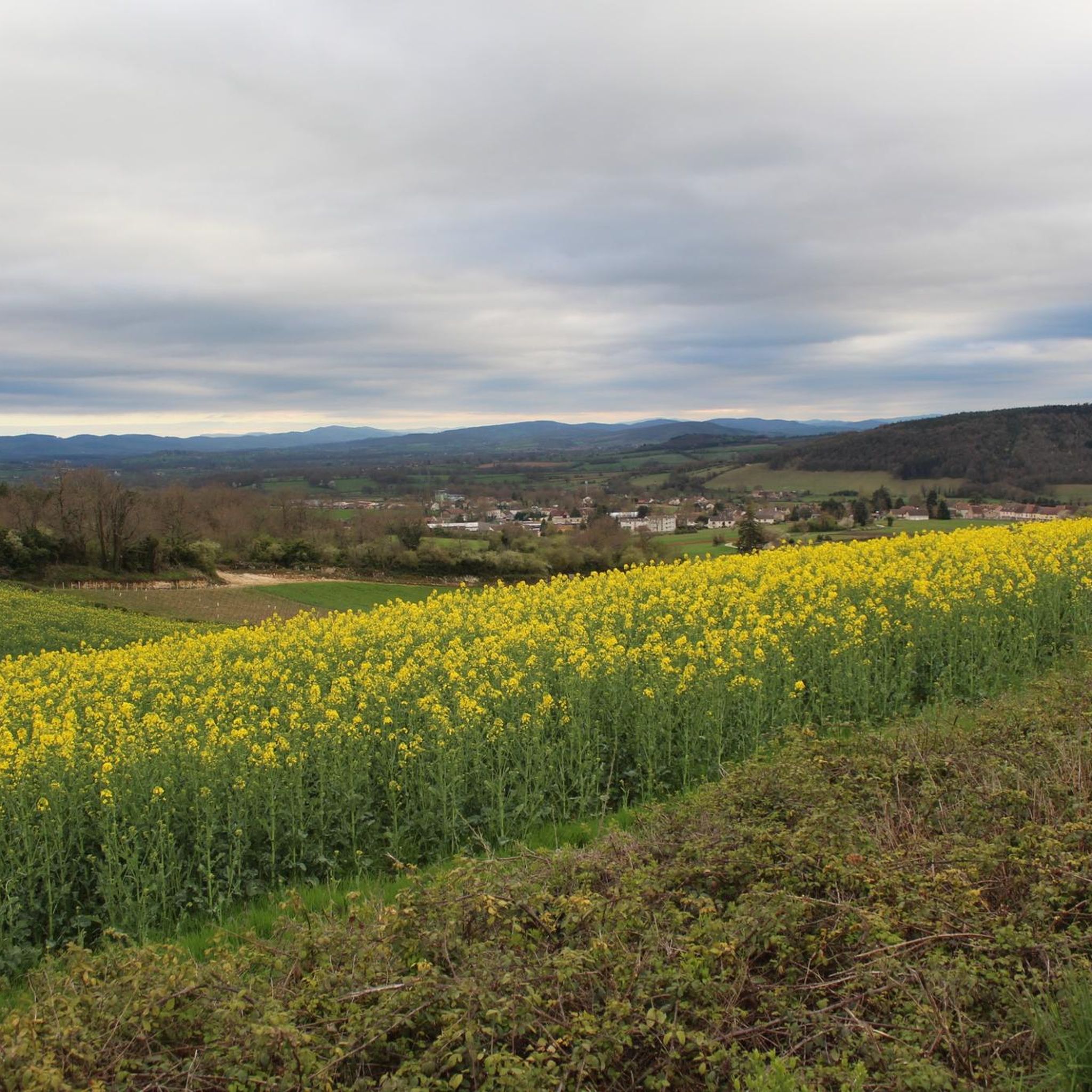
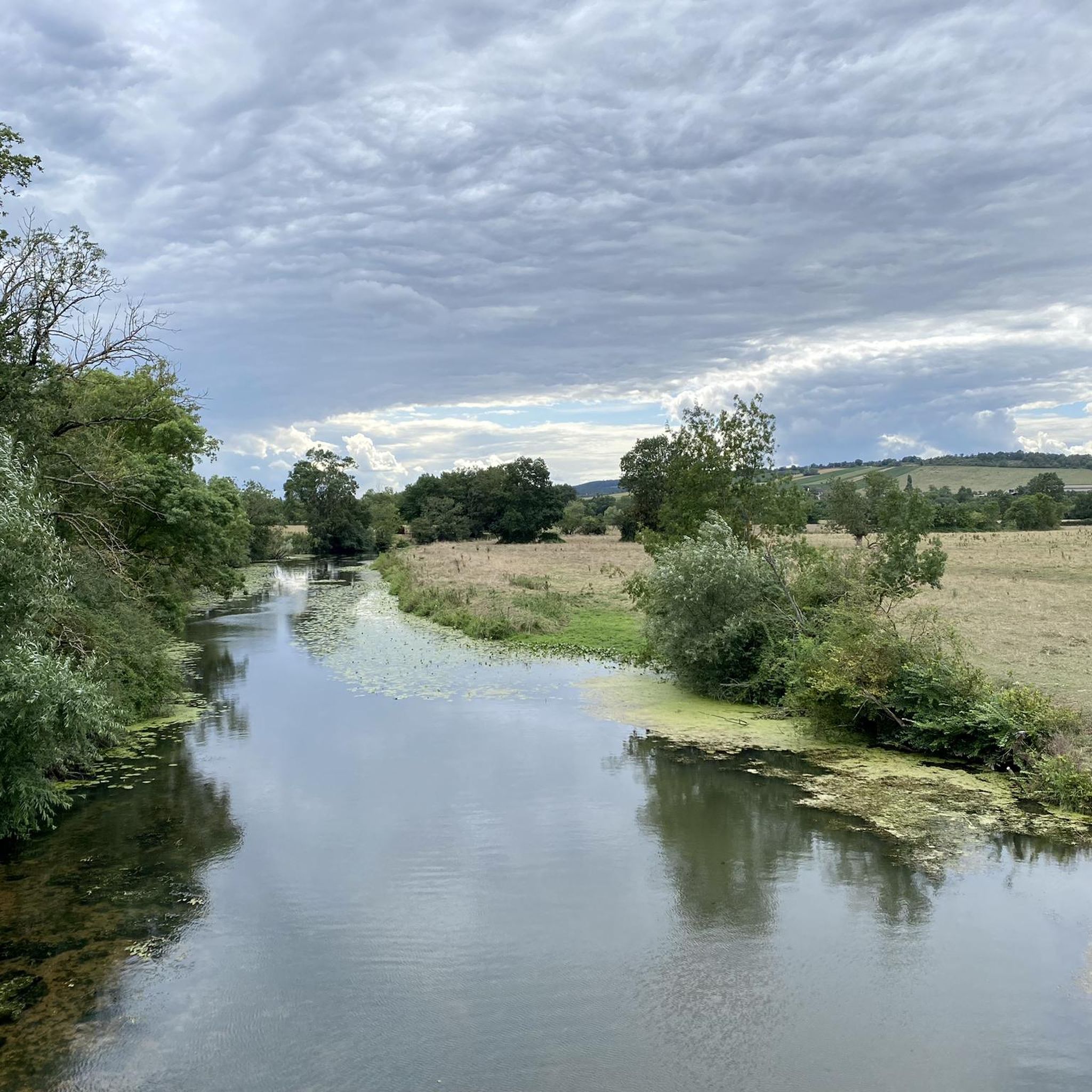
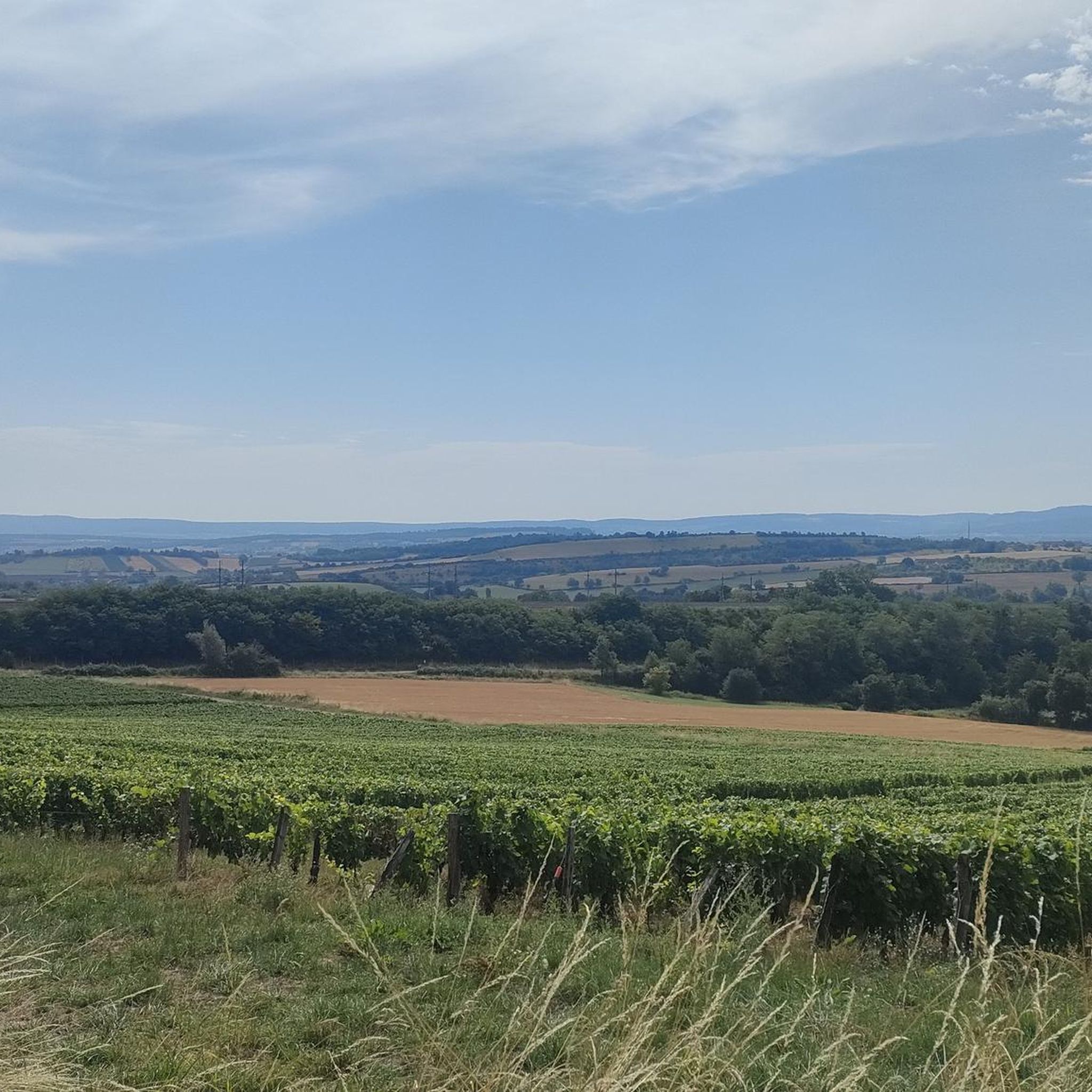
Curtil-Sous-Burnand is set in a picturesque, hilly landscape. The La Planche stream meanders through the commune, and the area is known for its abundant natural springs, fountains, and wells. A unique example is a covered fountain at Petit Munot, topped with a stone cross, where locals traditionally sharpened tools.
Are there opportunities for outdoor activities like hiking or cycling near these attractions?
Absolutely. The region around Curtil-Sous-Burnand offers numerous routes for outdoor enthusiasts. You can find a variety of MTB trails, running trails, and cycling routes. These guides provide options for various distances and difficulty levels, allowing you to explore the scenic countryside.
Where can I find walking routes with varying difficulty near Curtil-Sous-Burnand?
For walking, you can explore the numerous running and walking trails in the area. Options range from moderate loops like the Sercy Castle Loop (around 7 km) to more challenging routes such as the Mont Saint-Roch – Forêt communale de Burnand loop (over 18 km). These routes often pass through charming villages and natural landscapes.
Are there family-friendly attractions near Curtil-Sous-Burnand?
Yes, several attractions are suitable for families. Cormatin Castle is highly recommended, with its extensive gardens, a large boxwood labyrinth, and a green theater that delights both children and adults. The medieval streets and Renaissance residences of Saint-Gengoux-le-National also offer an engaging experience for families.
What do visitors enjoy most about the attractions around Curtil-Sous-Burnand?
Visitors particularly appreciate the blend of historical richness and natural beauty. The well-preserved architecture of sites like Cormatin Castle and the charm of medieval villages like Saint-Gengoux-le-National are frequently praised. The tranquil natural setting, with its hilly landscapes and traditional features like lavoirs and fountains, also contributes to a memorable experience.
What is Saint-Gengoux-le-National known for?
Saint-Gengoux-le-National is a charming settlement renowned for its authentic medieval streets, featuring half-timbered houses and rich Renaissance residences with distinctive mullioned windows. Its church is also a highlight, showcasing a unique blend of Gothic and Romanesque architectural styles and splendid stained-glass windows.
Can I find traditional washhouses (lavoirs) in the area?
Yes, Curtil-Sous-Burnand retains two traditional lavoirs, one located in the main village and another in the hamlet of Munot. These historical washhouses offer a glimpse into the traditional rural life of the region.
Are there any archaeological sites to visit?
Yes, the Mérovingien Necropolis of Croix de Munot in Curtil-Sous-Burnand is an important archaeological site. Dating from the 6th to 7th centuries, excavations here have unearthed numerous funerary objects, some of which are preserved at the Musée Denon in Chalon.
What is the significance of Sainte-Marie-Madeleine Church?
Sainte-Marie-Madeleine Church is significant as the original village church of Taizé. It was here that Frere Roger founded the renowned Taizé community. The church also serves as the final resting place for Frere Roger, who was assassinated in 2005.
Most popular routes around Curtil-Sous-Burnand
Most popular attractions around Curtil-Sous-Burnand

Get inspired with the komoot mobile app


Explore more
Still not found the Highlight you’re looking for? See guides of the top attractions in other regions:
