Attractions and Places To See around Bourecq - Top 20
Best attractions and places to see around Bourecq include historical landmarks, cultural sites, and natural features. This commune in northern France offers insights into local history, with evidence of Gallo-Roman habitation and significant architectural remnants. Visitors can explore a mix of historical structures and outdoor points of interest. The area provides opportunities to discover both man-made heritage and the surrounding landscape.
Best attractions and places to see around Bourecq
- The most popular attractions is Terril Number 5 of Lapugnoy,…
Last updated: May 21, 2026
Terril Number 5 of Lapugnoy
Highlight • Viewpoint
Tip by

Saint-Pierre Collegiate Church of Aire-sur-la-Lys
Highlight • Religious Site
Translated by Google •
Tip by

Sign up now to discover places like this
Get recommendations on the best single tracks, peaks, & plenty of other exciting outdoor places.
Sign up for free
Moulin des Invalides
Highlight • Other
Translated by Google •
Tip by
The Thiennes Bridge
Highlight • Bridge
Translated by Google •
Tip by
Moulin Espagnol d'Enquin les Mines
Highlight • Other
Translated by Google •
Tip by
Sign up for free to discover even more attractions around Bourecq.
Sign up for free
Already have an account?
Start today with a free account
Your next adventure awaits.
Login or Signup


Tips from the Community

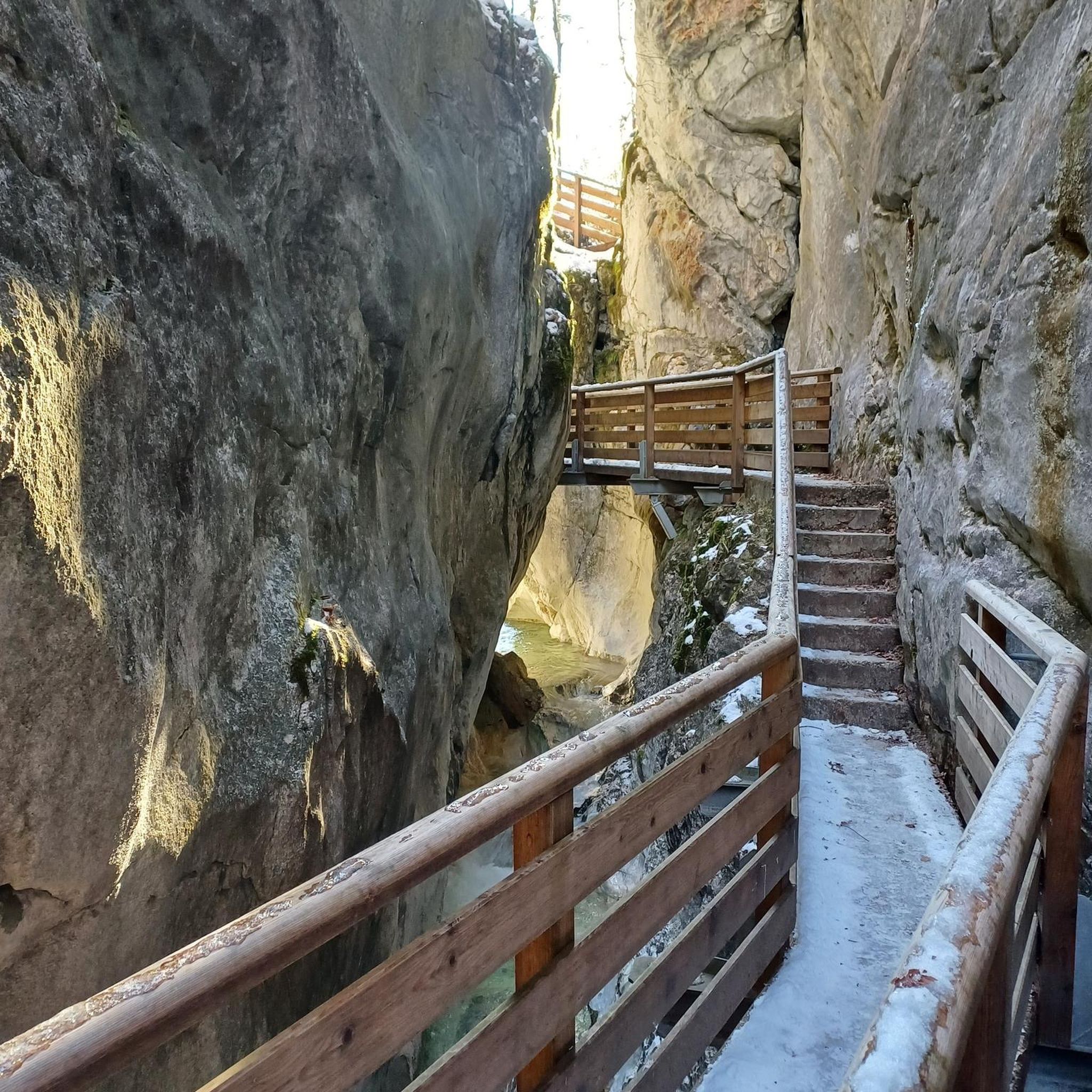
Many centuries ago, our ancestors discovered the possibility of harnessing the power of the elements—which, on the one hand, were helpful and useful, but on the other hand, as untamed forces of nature, could also be a threat—for various purposes, thus eliminating the need for human or animal muscle power. Mills such as these are a good example of the human engineering skills of earlier generations: The heavy millstones used to grind grain or press oil, for example, could be powered by wind or—as in this case—water.
1
0

view of Béthune from the Fouquereuil spoil heap
0
0

Terril nice is not too fat, especially at the moment :)
0
0

The Pont de Thiennes is a road bridge located on the Lys, connecting the municipalities of Thiennes and Aire-sur-la-Lys. The bridge is 200 metres long and was inaugurated in 2014. It is built of Soignies granite and was financed by the state (33.9%) for war damage, by the department of Pas-de-Calais (33.05%) and by the department of Nord (33.05%). The bridge is equipped with a lifting system to allow the passage of boats.
7
0

Slag heap number 5 in Lapugnoy, a vestige of the mining era in northern France, today offers a unique view of the surrounding landscapes. Covered with vegetation, this slag heap, once a symbol of industrial labour, has become a popular walking spot for hikers and nature lovers. Climbing its slopes, you will discover a striking panorama of the surrounding plains and forests.
0
0

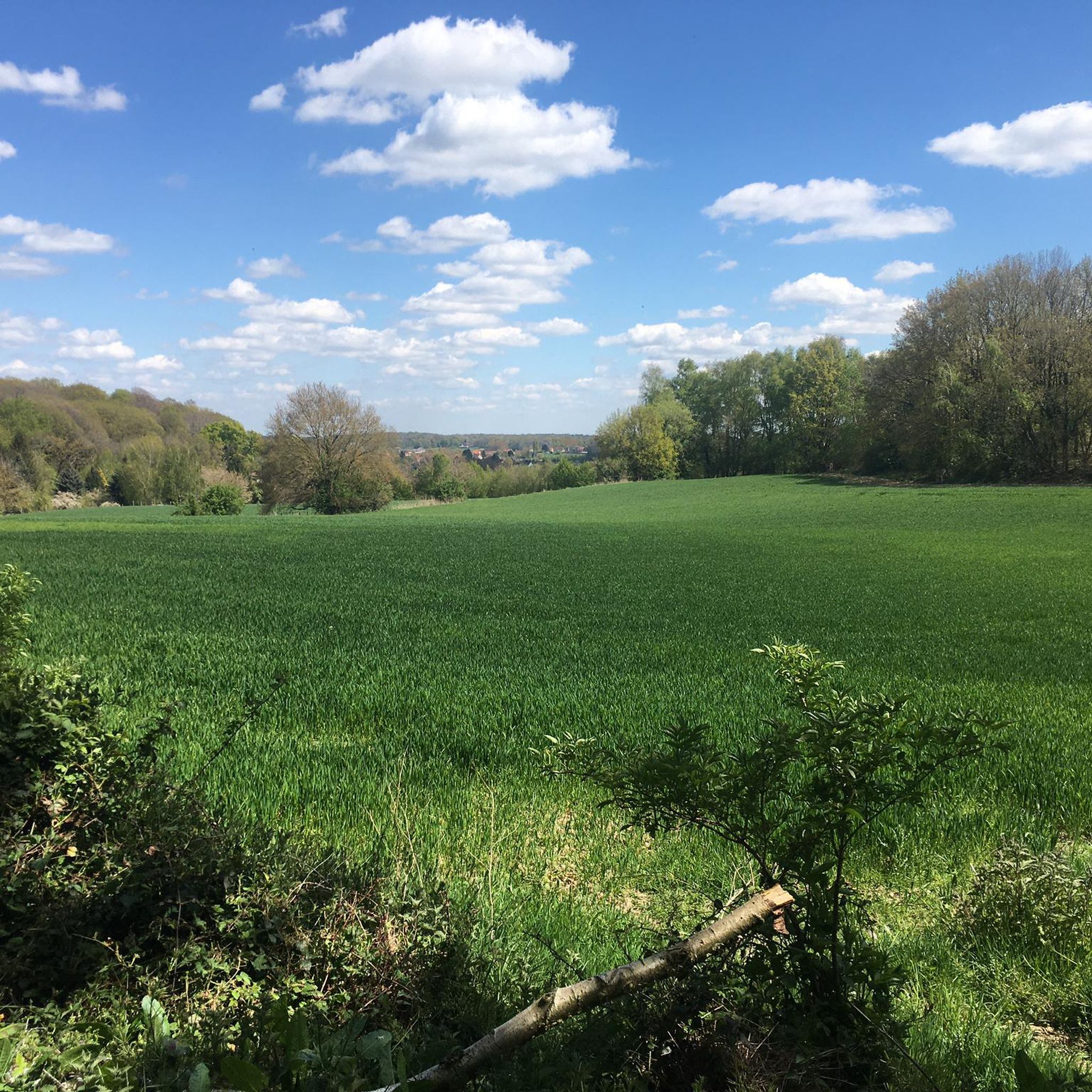
View of the slag heaps of the Carreau Valley of Marles and Auchel from the Lapugnoy slag heap, but also of the town of the commune with its bell tower and its fields.
0
0
This Spanish mill was built around 1635, on the banks of the Lacquette River. It produced flour until 1938, then milling for livestock. It was bought in 1974 to be transformed into a home. It is built with brick and stone (white limestone). All that remains of the original building is the north gable (17th century), and also a porch. The water wheel is still in place but it no longer turns. The dam forms a pretty waterfall. A turret was added on the river side. It is a very beautiful private home with a beautiful garden in which you can see a stone fountain.
9
0
This is one of the finest examples of the Flamboyant Gothic and Renaissance in French Flanders. The imposing tower (62m) resembles that of Notre-Dame in Saint-Omer. Inside, the pattern of the ribs of the vaults has been transferred to the floor. The choir is closed by a beautiful rood screen; on the left is the gilded statue of Notre-Dame Panetière. The oak organ case comes from the abbey church of Clamarais. Choir and apse suffered from a bombardment in 1944. In the back you can see a beautiful Virgin and Child (15th century)
9
0
Frequently Asked Questions
What historical sites can I visit in Bourecq and the surrounding area?
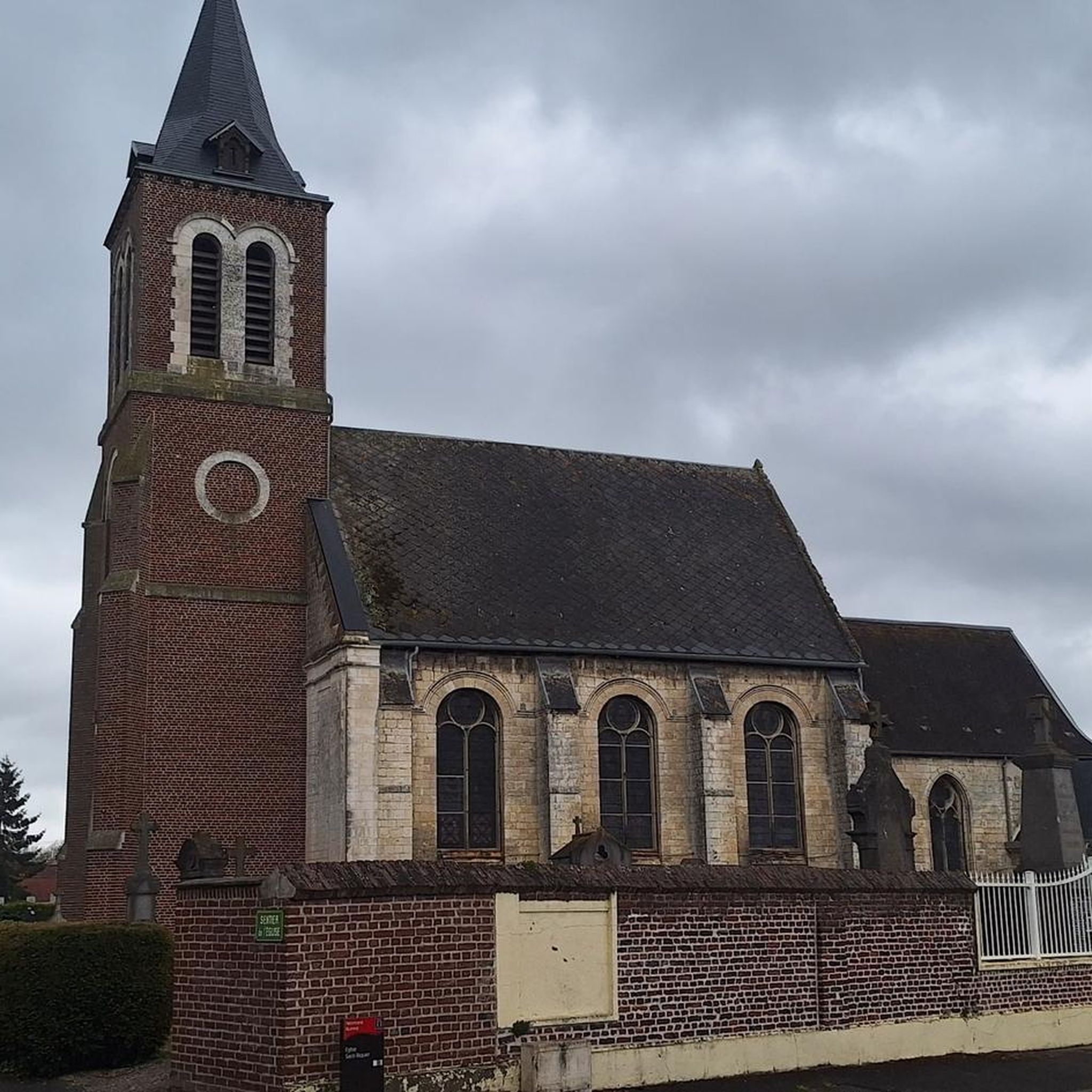
Bourecq itself boasts the 20th-century Church of St. Riquier, remnants of the Château of Malannoy (a former fortress largely destroyed in 1543), and an ancient 16th-century fortified manor house. Nearby, you can explore the impressive Saint-Pierre Collegiate Church of Aire-sur-la-Lys, a significant Flamboyant and Renaissance monument built between 1492 and 1634.
Are there any natural features or viewpoints to enjoy near Bourecq?
Yes, the most popular natural feature is Terril Number 5 of Lapugnoy. This former mining slag heap offers panoramic views of the surrounding countryside and the Bois de Lapugnoy. You can also find the picturesque waterfall created by the dam at Moulin Espagnol d'Enquin les Mines on the Lacquette River.
What outdoor activities are available around Bourecq?
The area around Bourecq is great for cycling. You can find various routes for road cycling, gravel biking, and general cycling. For instance, there are routes like the 'Waterfall of Nave river in Bourecq – Saint-Venant Marina loop' for road cycling or 'Linghem Wood – The Thiennes Bridge loop' for gravel biking. You can explore more options on the dedicated guide pages for Road Cycling Routes around Bourecq, Gravel biking around Bourecq, and Cycling around Bourecq.
Are there any family-friendly attractions or activities?
The Thiennes Bridge is noted as family-friendly and wheelchair accessible, offering a pleasant spot to view the Lys river. While not explicitly listed as family-focused, exploring the historical remnants of the Château of Malannoy or the Bourecq Loop hiking trail can be engaging for families who enjoy history and nature.
Can I find any unique architectural or engineering marvels in the area?
Absolutely. The Thiennes Bridge, inaugurated in 2014, is a 200-meter-long road bridge with a lifting system for boats, showcasing modern engineering. Historically, the Moulin des Invalides, a watermill built in 1682 by former soldiers, demonstrates early human engineering skills in harnessing water power.
What is the 'Bourecq Loop' and where does it start?
The 'Bourecq Loop' is a local hiking trail that provides an opportunity to explore the natural landscape around the commune. It typically starts from the Church of St. Riquier in Bourecq village.
Are there any attractions related to the region's industrial heritage?
Yes, Terril Number 5 of Lapugnoy is a significant site representing the region's industrial past. It's a former mining slag heap that has been reclaimed by nature, offering a unique perspective on the area's history and ecology.
What is the significance of the Moulin Espagnol d'Enquin les Mines?
The Moulin Espagnol d'Enquin les Mines is a former water mill built around 1635 on the banks of the Lacquette River. It produced flour until 1938 and, although now a private residence, its hydraulic wheel remains in place, and the dam creates a picturesque waterfall, making it a charming historical landmark.
Are there any ancient Roman connections to Bourecq?
Yes, evidence suggests ancient habitation in Bourecq dates back to the Gallo-Roman era. The discovery of an antoninian (a Roman coin) near the Church of St. Riquier indicates this historical connection.
What kind of views can I expect from Terril Number 5 of Lapugnoy?
From Terril Number 5 of Lapugnoy, you can expect panoramic views of the surrounding countryside, including the Bois de Lapugnoy, and distant views of the slag heaps of the Carreau Valley of Marles and Auchel, as well as the town of Lapugnoy with its bell tower and fields.
Is the Thiennes Bridge accessible for everyone?
Yes, The Thiennes Bridge is categorized as wheelchair accessible, making it a suitable point of interest for a wide range of visitors.
Where can I find information about cafes or pubs near the attractions?
While specific cafes and pubs are not detailed for each attraction, the village center of Bourecq, near the Church of St. Riquier and the ancient manor house, would be the most likely place to find local amenities. For attractions further afield like Terril Number 5 of Lapugnoy or Moulin Espagnol d'Enquin les Mines, you might need to venture into nearby towns or villages for dining options.
Most popular routes around Bourecq

Get inspired with the komoot mobile app


Explore more
Still not found the Highlight you’re looking for? See guides of the top attractions in other regions:
