Attractions and Places To See around Cambrin - Top 20
Attractions and places to see around Cambrin offer a blend of historical landmarks and natural features in the Pas-de-Calais department of France. This region is characterized by its World War I history and preserved natural spaces, including significant wetlands. Visitors can explore both man-made monuments and unique natural formations that reflect the area's past and ecological value. The commune serves as a base for discovering diverse points of interest.
Best attractions and places to see around Cambrin
- The most popular…
Last updated: August 12, 2026
The facades of the main square
Highlight • Historical Site
Translated by Google •
Tip by

Loos-en-Gohelle slag heap
Highlight • Natural Monument
Translated by Google •
Tip by

Sign up now to discover places like this
Get recommendations on the best single tracks, peaks, & plenty of other exciting outdoor places.
Sign up for free
Hill 70 Canadian Memorial
Highlight • Monument
Translated by Google •
Tip by
Terril 46 of Verquigneul
Highlight • Climb
Translated by Google •
Tip by

Back of St Vaast Church
Highlight • Religious Site
Translated by Google •
Tip by

Sign up for free to discover even more attractions around Cambrin.
Sign up for free
Already have an account?
Start today with a free account
Your next adventure awaits.
Login or Signup



Tips from the Community

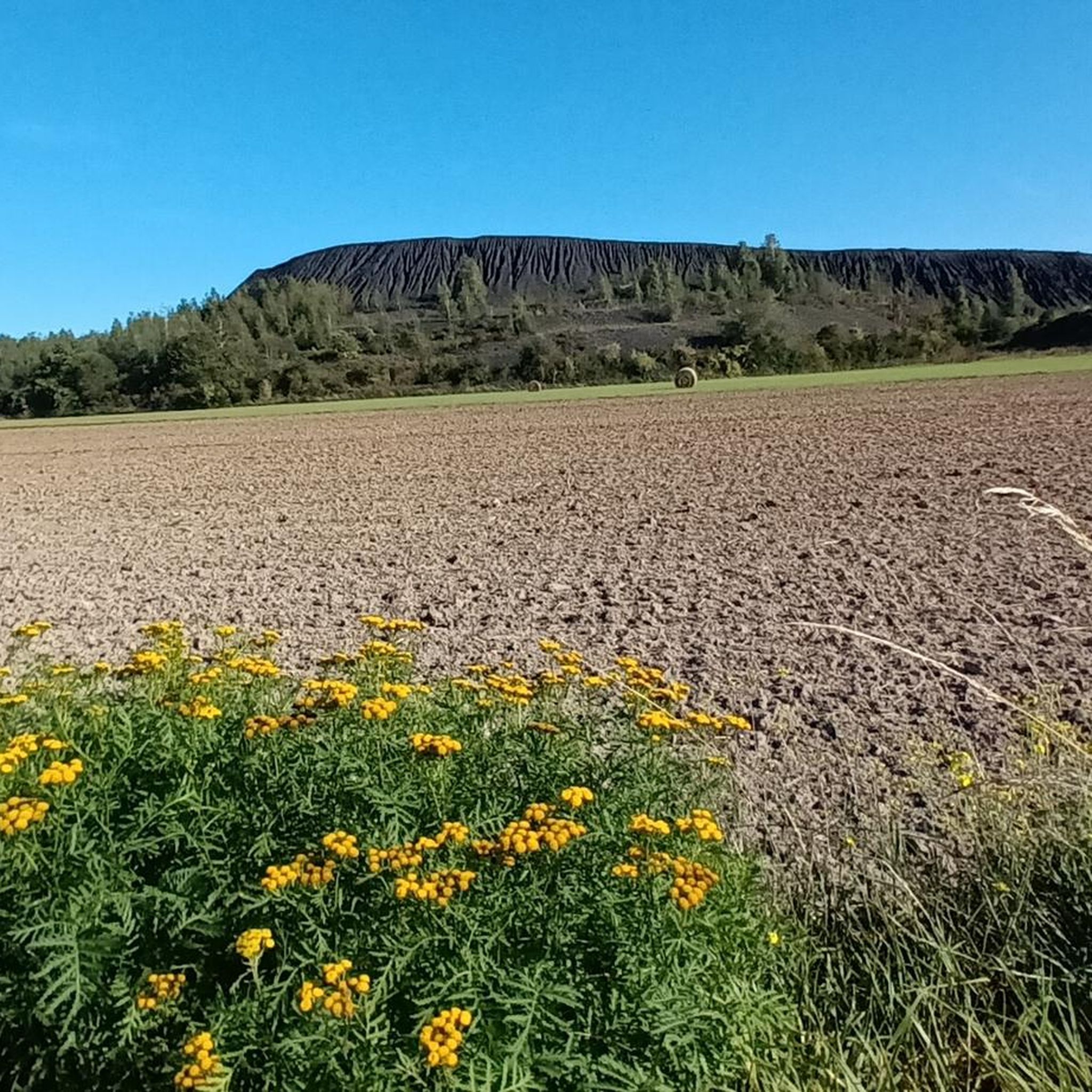
Beautiful panoramic view of Lens and the surrounding area. Be careful when you climb onto the spoil heap during a storm, it's a real hair-raiser!
1
0

The Grand'Place de Béthune is the focal point of the city of Buridan. Destroyed in 1918, it was rebuilt and stands as an architectural example. A group of architects led by L.M. Cordonnier gave it its present-day appearance: eclecticism, Art Deco, and neo-regionalism combine to create a diverse ensemble. Town Hall Rebuilt many times, the current Town Hall was designed by architect J. Alleman. Built between 1924 and 1929, the building stands out from the other buildings with its massive form. Its façade embodies the city's titles and glories: the Croix de Guerre and the Legion of Honor, as well as the city's coat of arms. The Town Hall has been listed as a Historic Monument since April 2002. Some of the square's façades, representative of the Art Deco style, are also listed as Historic Monuments. The Cellars of the Grand'Place Vast cellars, boves, and countermine galleries: the underground of Béthune bears witness to the city's intense activity. During the First World War, the cellars served as refuges for the inhabitants of Béthune. Some cellars of private homes are now open to the public. (Notably at No. 42 Grand'Place) (c) https://www.bethune.fr/bethune-brille/patrimoine-historique/la-grand-place-558.html
0
0
The Saint-Vaast Church boasts a 68-meter-high tower with three pointed arches at the entrance and a red brick structure with stone elements. The original church, dating from 1547, was destroyed during the First World War and rebuilt between 1924 and 1927 under the direction of architect Louis Marie Cordonnier. The stained-glass windows, created by master glazier Charles Champigneulle, depict the history of Béthune and the life of Saint-Vaast. The church houses four bells cast in 1927 by Charles Wauthy, each with specific dimensions and individual names. The building combines French Gothic architecture with regional Flemish influences, resulting in a neo-Flemish style characteristic of the post-war reconstruction. (c) https://nl.aroundus.com/p/7423599-eglise-saint-vaast-de-bethune
0
0

absolutely stunning
0
1
Magnificent brick architecture
1
0

Don't miss the Loos-en-Gohelle slag heap, an astonishing and unusual spectacle. There are five hills made of coal waste, and this one is the highest, reaching 146 meters, the highest in Europe! Hike to the top and admire the views. You can see how nature has transformed the hills with plants, animals and even grapes. Take the opportunity to learn about this UNESCO World Heritage site and discover its rich history and culture at Base 11/19.
4
0
This park commemorates the Battle of Hill 70, a strategic victory for the Canadian Army in August 1917. The park features an obelisk that symbolizes the courage and sacrifice of Canadians, as well as walkways, sculptures and interpretive panels which tell the story of the battle. You can also admire the view of the city of Lens, which was occupied by the Germans at the time.
2
0

These hills, which were named after their height, are known along the entire front. Hill 70 is a Canadian memorial to the troops who fought here at the time. Access via a level driveway, winding like a snail shell up to the stele at the top. The originally well-designed information boards at the foot of the hill are unfortunately currently damaged by vandalism.
0
0
Frequently Asked Questions
What historical sites can I visit around Cambrin?
The region around Cambrin is rich in history, particularly related to World War I. You can visit the Hill 70 Canadian Memorial, which commemorates a strategic victory for the Canadian Army in August 1917. Another poignant site is the Cambrin Military Cemetery, a front-line cemetery with 816 Commonwealth burials. In nearby Béthune, the main square features impressive architecture, including the Town Hall, rebuilt after 1918, showcasing Art Deco and neo-regionalist styles.
Are there natural areas to explore near Cambrin?
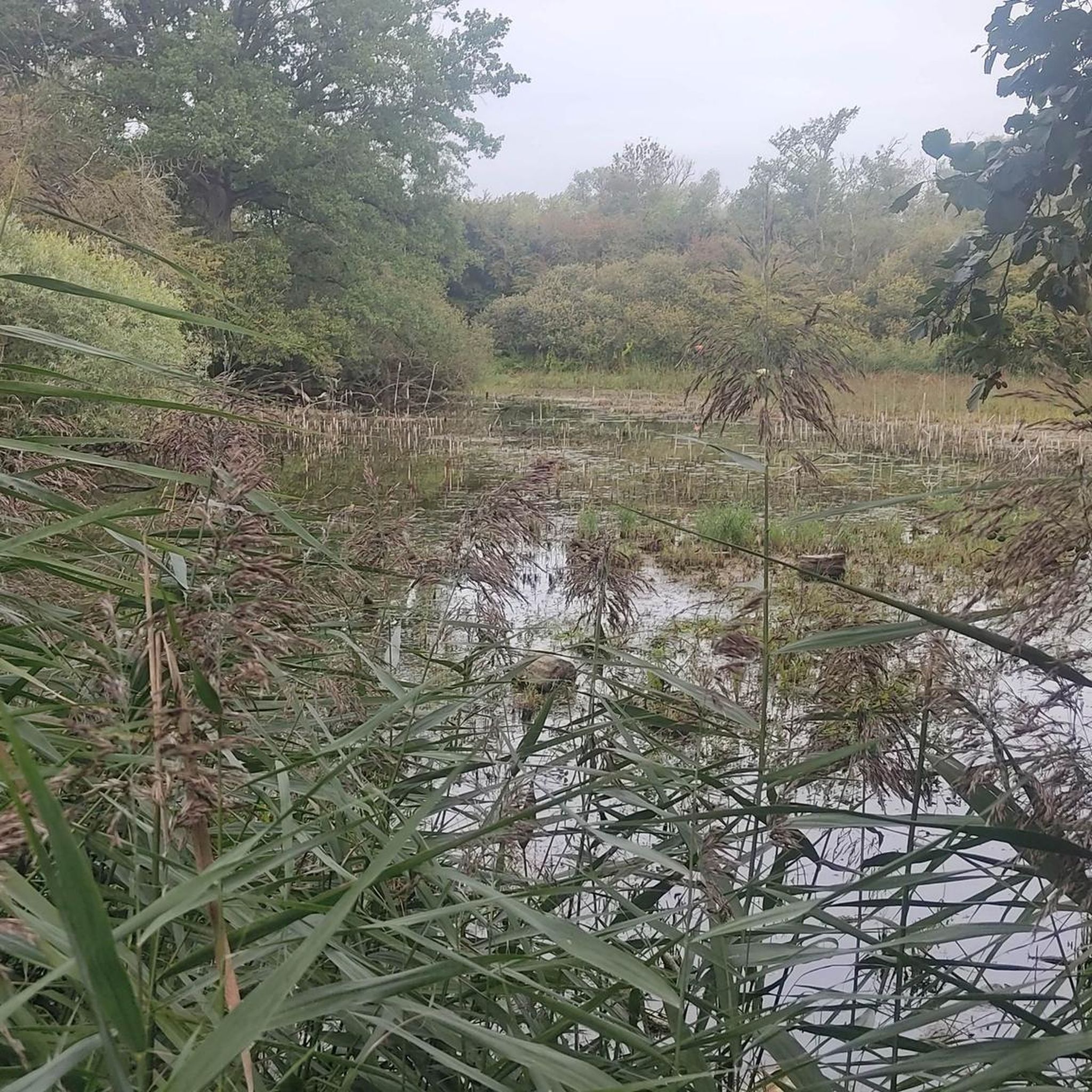
Yes, the area offers several natural spaces. The Marais de Cambrin is a 22-hectare area of ponds and swamps, ideal for walks and observing local birdlife and biodiversity. It's a significant wetland for nesting and migratory birds. You can also explore the unique landscape of the Loos-en-Gohelle slag heap, a UNESCO World Heritage site where nature has reclaimed the highest coal waste hill in Europe.
Can I find family-friendly attractions in the Cambrin area?
Many attractions around Cambrin are suitable for families. The Hill 70 Canadian Memorial offers walkways and interpretive panels that can engage older children in history. The Marais de Cambrin provides a peaceful setting for family walks and birdwatching. Exploring the unique landscape of the Loos-en-Gohelle slag heap can also be an adventurous outing for families.
Are there any accessible attractions for visitors with mobility needs?
Yes, the Hill 70 Canadian Memorial is noted for its accessibility, featuring a level, winding driveway up to the stele at the top. Additionally, the facades of the main square in Béthune are generally accessible for viewing. Always check specific site conditions for the most up-to-date accessibility information.
What kind of outdoor activities, like hiking or cycling, are available near Cambrin's attractions?
The Cambrin area is excellent for outdoor activities. You can find numerous cycling routes, including easy to moderate options along the Canal d'Aire or around local memorials. For mountain biking, trails like 'Tout in haut de ch'terril' offer varied terrain. You can explore detailed routes and guides for road cycling, MTB trails, and general cycling starting from nearby Cuinchy.
Where can I experience unique landscapes or viewpoints around Cambrin?
For unique landscapes and panoramic views, visit the Loos-en-Gohelle slag heap. This UNESCO site offers stunning views of Lens and the surrounding area from its summit. Another excellent viewpoint is Terril 46 of Verquigneul, which provides opportunities for ascent and descent within a distinct landscape.
What is the best time of year to visit Cambrin's attractions?
The best time to visit Cambrin's attractions is generally during the spring (April to June) and autumn (September to October) months. During these periods, the weather is typically mild and pleasant for exploring historical sites and natural areas like the Marais de Cambrin. Summer (July and August) is also popular, though it can be warmer. Winter can be cold, but some sites remain accessible.
Is there a place to observe local wildlife near Cambrin?
Yes, the Marais de Cambrin is an excellent spot for wildlife observation. This significant wetland is a major nesting site for various bird species, including the Common Pochard, Black-necked Grebe, and Northern Shoveler. It also serves as a crucial stopover for migratory birds like the Eurasian Wigeon and Common Teal, making it a prime location for birdwatching.
How can I learn more about the World War I history in the Cambrin region?
To delve deeper into the region's World War I history, you can visit the Hill 70 Canadian Memorial, which features interpretive panels detailing the Battle of Hill 70. The Cambrin Military Cemetery also offers a somber reflection on the conflict. The entire area was close to the front lines, and many local sites bear witness to this period.
What makes the Marais de Cambrin a special place to visit?
The Marais de Cambrin is special due to its ecological significance as a 22-hectare area of preserved ponds and swamps. It's managed by the Nature Conservatory Sites of Nord and Pas-de-Calais and is a vital habitat for diverse plant life and numerous bird species, serving as both a nesting ground and a stopover for migratory birds. It offers a tranquil escape for nature lovers and walkers. You can find more information about the marsh on Pas-de-Calais Tourisme.
Are there options for cycling along the Canal d'Aire?
Yes, the Canal d'Aire, which connects the Leie and Deule rivers, offers pleasant cycling opportunities. You can enjoy relaxed rides along its banks, particularly between La Bassée and Salomé. The canal stretches approximately 39 kilometers and passes through several municipalities, providing scenic routes for various cycling levels. Check out the Cycling around Cambrin guide for specific routes.
Where can I see unique architecture near Cambrin?
For unique architecture, head to the Grand'Place in nearby Béthune. Rebuilt after its destruction in 1918, the square is an architectural example combining eclecticism, Art Deco, and neo-regionalism. The Town Hall, designed by J. Alleman and built between 1924 and 1929, is particularly notable for its massive form and historical significance, with some of its facades listed as Historic Monuments.
Most popular routes around Cambrin
Most popular attractions around Cambrin

Get inspired with the komoot mobile app


Explore more
Still not found the Highlight you’re looking for? See guides of the top attractions in other regions:
