The best cycling routes around Château-Bréhain
4.6
(17)
167
riders
53
rides
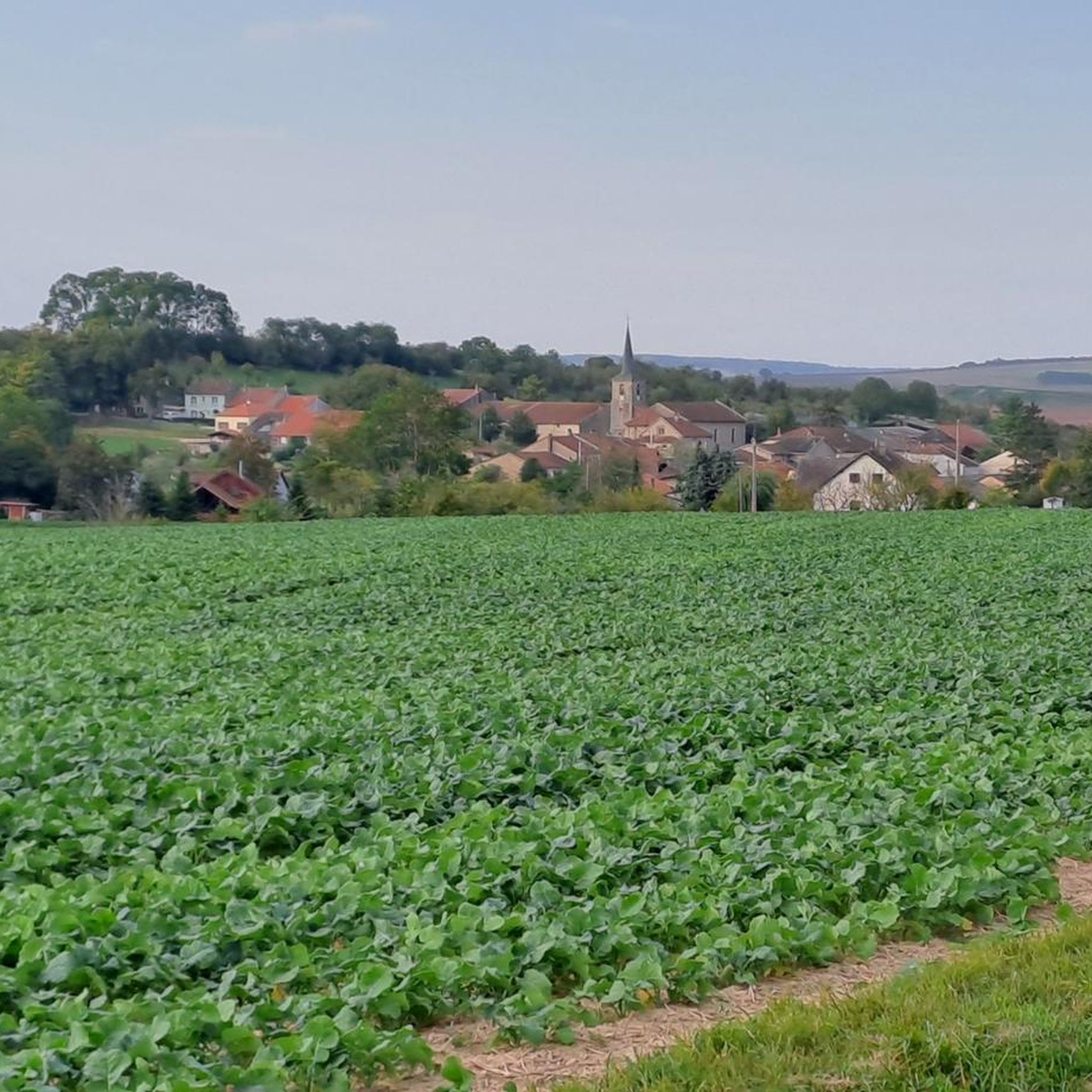
Touring cycling routes around Château-Bréhain are situated in the Moselle department of the Grand Est region in northeastern France. The terrain generally features gentle gradients, making it accessible for various fitness levels. The landscape is characterized by river valleys, including the Moselle, Seille, and Nied, along with agricultural plateaus, forests, and wetlands such as the Lindre pond complex.
Best touring cycling routes around Château-Bréhain
- The most popular touring cycling route is Marne–Rhine Canal – Avenue by the water loop from…
Last updated: July 5, 2026
4.0
(1)
7
riders
34.0km
02:07
350m
350m
Moderate bike ride. Good fitness required. Mostly paved surfaces. Suitable for all skill levels.
5.0
(1)
7
riders
89.8km
05:41
910m
910m
Hard bike ride. Very good fitness required. Mostly paved surfaces. Suitable for all skill levels.

Sign up for free
9
riders
133km
08:12
1,160m
1,160m
Hard bike ride. Very good fitness required. Mostly paved surfaces. Suitable for all skill levels.
5
riders
28.5km
01:45
270m
270m
Moderate bike ride. Good fitness required. Mostly paved surfaces. Suitable for all skill levels.
4
riders
32.3km
01:58
310m
310m
Moderate bike ride. Good fitness required. Mostly paved surfaces. Suitable for all skill levels.
Get access to more routes and recommendations from other explorers.
Sign up for free
Already have an account?
Our route recommendations are based on thousands of hikes, rides, and runs completed by other people on komoot.
Start today with a free account
Your next adventure awaits.
Login or Signup

Tips from the Community

The Collegiate Church of Saint-Léger de Marsal is a former collegiate church located in the French commune of Marsal, in the Moselle department. Originally built in the Romanesque style, it has undergone several significant modifications up to the present day. Dedicated to Saint Léger, the foundation stones of the current church were laid in the 12th century. The building was then in the Germanic tradition with a deep chevet and two oriented chapels, as well as an impressive Westwork, a western massif. The parish church was elevated to the title of collegiate church in 1222 by Abbess Clémence de Neumunster. She then installed a chapter of seven canons there. The collegiate church of Marsal has been united with that of Vic-sur-Seille since the 18th century.
0
0

On the edge of Vic-sur-Seille lies the former episcopal castle, an impressive remnant of the power of the bishops of Metz. Built from the end of the 12th century by Bishop Bertram, it served as both the residence and the administrative centre of the secular authority of the diocese. The castle was expanded in the 13th century into a pentagonal complex, fortified with semicircular towers and a deep moat. Under Bishop Thierry Bayer de Boppard (1365–1384), important restorations were carried out, including the construction of a south-west wing with access to the gardens and the “Grand Parc”. Of the original complex, only part of the residential building on the west side remains today, recognisable by the windows with niches. The most striking structure is the châtelet, the fortified entrance gate from the 15th century, with its white limestone machicolations and traces of a drawbridge. After its restoration in 2008, the castle is once again visible as a silent witness to the medieval power and strategic location of Vic-sur-Seille, especially in the context of salt mining and the rivalry with the Dukes of Lorraine.
9
0
Hôtel de la Monnaie (Vic-sur-Seille) This remarkable civil building, dating from 1456–1484, is often mistaken for a mint. In reality, it was probably the home of a wealthy money-changer, possibly the d’Hoffelize family. The building is a magnificent example of flamboyant Gothic architecture, with early Renaissance influences. The richly decorated facades and roofs have been protected as historical monuments since 1930.
8
0
Chambrey was located near the French-German border established after the annexation of 1871. During WWI, the village was on the front line and was almost completely destroyed. The imposing “gare impériale”, built by the Germans as a border station, symbolized the imperial power. It was blown up in 1918 and later modestly rebuilt. Today, Chambrey is a reminder of the tensions of a divided region and the scars of war.
7
0
Hôtel de la Monnaie (Vic-sur-Seille) This remarkable civil building, dating from 1456–1484, is often mistaken for a mint. In reality, it was probably the home of a wealthy money-changer, possibly the d’Hoffelize family. The building is a magnificent example of flamboyant Gothic architecture, with early Renaissance influences. Its richly decorated facades and roofs have been protected as historical monuments since 1930. It now houses the information office.
1
0

Very well preserved medieval house. It now houses the tourist information office.
1
0
Frequently Asked Questions
How many touring cycling routes are available around Château-Bréhain?
There are over 45 touring cycling routes available around Château-Bréhain, offering a wide range of options for various skill levels and preferences.
What is the general difficulty level of touring cycling routes in the Château-Bréhain area?
The routes around Château-Bréhain cater to various fitness levels. While the terrain generally features gentle gradients, you'll find a mix of difficulties. There are 5 easy routes, 27 moderate routes, and 14 difficult routes, ensuring options for both casual riders and experienced touring cyclists.
Are there easy touring cycling routes suitable for beginners around Château-Bréhain?
Yes, the region offers several easy touring cycling routes perfect for beginners or those seeking a relaxed ride. The terrain around Château-Bréhain generally features gentle gradients, making it accessible. For example, sections of the Moselle Cycle Path (EuroVelo 5) offer mostly flat, dedicated cycle lanes, ideal for leisurely rides.
What kind of terrain can I expect when cycling around Château-Bréhain?
The terrain around Château-Bréhain is diverse, characterized by river valleys (Moselle, Seille, Nied), agricultural plateaus, forests, and wetlands. You can expect gentle gradients along river paths and some rolling hills through villages and forests. The Lorraine Regional Natural Park, which is nearby, also offers varied landscapes including agricultural plateaus and lush forest valleys.
What natural features and landmarks can I discover while cycling near Château-Bréhain?
While cycling, you can explore the picturesque Moselle Valley with its vineyards, the tranquil Seille river, and the Nied river valley. A significant natural highlight is the Lindre pond complex, an internationally important wetland known for migratory birds. You might also pass through charming historic towns and villages, and catch glimpses of the historic château in Château-Bréhain itself.
Are there any circular cycling routes near Château-Bréhain?
Yes, you can find several circular routes. For instance, the Côte de Delme via Liocourt loop from Delme is a popular 20.3-mile (32.7 km) moderate trail that takes you through local hills and villages. Many local routes in the Saulnois region also offer circular options.
What do other touring cyclists enjoy the most about touring cycling in Château-Bréhain?
The area is highly rated by the komoot community, with an average score of 4.7 stars from over 13 reviews. Cyclists often praise the varied terrain, from river valleys to agricultural plateaus and forests, and the options available for different ability levels. The scenic beauty and tranquility of the region are frequently highlighted.
Where can I find parking when planning a cycling trip around Château-Bréhain?
Parking is generally available in and around Château-Bréhain village, as well as in nearby towns and villages that serve as starting points for routes. Look for designated parking areas in commune centers or near trailheads. Larger cities like Metz and Nancy, if you're starting further afield, also offer ample parking facilities.
Is Château-Bréhain accessible by public transport for cyclists?
While Château-Bréhain itself is a small commune, its proximity to larger towns and cities like Metz and Nancy (both within reasonable cycling or driving distance) means you can often reach the general area by public transport, such as regional trains. However, direct public transport links to Château-Bréhain for cyclists might be limited, so planning your journey to a nearby hub is advisable.
Are there long-distance touring cycling routes available from Château-Bréhain?
Absolutely. The region is well-suited for long-distance touring. A prominent option is the Marne–Rhine Canal – Avenue by the water loop from Château-Salins, a difficult 98.0-mile (157.8 km) trail following waterways. Another challenging long-distance route is the Chateau de Lunéville – Einville-au-Jard Bridge loop from Delme, spanning 108.2 miles (174.2 km) and exploring historical landmarks.
What is the best time of year to go touring cycling around Château-Bréhain?
The best time for touring cycling around Château-Bréhain is typically from spring to early autumn (April to October). During these months, the weather is generally mild and pleasant, with less rainfall, making for ideal cycling conditions. Spring brings blooming landscapes, while autumn offers beautiful foliage, especially in the forested areas.
Can I find information about local cycling networks and routes in the broader region?
Yes, Château-Bréhain is strategically located near established cycling networks. You can access sections of the Moselle Cycle Path (EuroVelo 5), which follows the Moselle river. Additionally, the 'La Seille à Vélo' route starts nearby, offering a pleasant experience along the Seille river. For more regional information, you can explore resources like Visit Mosel or Tourisme Saulnois.

Get inspired with the komoot mobile app


Explore more
Browse the best Cycling routes in other regions.
