Attractions and Places To See around Zöbersdorf - Top 20
Best attractions and places to see around Zöbersdorf are found in the surrounding area of this small, rural village located in the Bas-Rhin department of the Grand Est region in north-eastern France. Characterized by its agricultural landscape, Zöbersdorf itself has limited local attractions. However, the region offers historical sites and cultural landmarks that provide insight into its heritage and architectural diversity.
Best attractions and places to see around Zöbersdorf
- The most popular attractions is Warthenberg Castle, a castle that…
Last updated: July 6, 2026
Saint Peter and Saint Paul Abbey Church
Highlight • Religious Site
The interior of the church, …
Translated by Google •
Tip by

Warthenberg Castle
Highlight • Castle
Translated by Google •
Tip by

Sign up now to discover places like this
Get recommendations on the best single tracks, peaks, & plenty of other exciting outdoor places.
Sign up for free
Saint Adelphe Church — Neuwiller-lès-Saverne
Highlight • Religious Site
Translated by Google •
Tip by
Villa Meteor
Highlight • Monument
Translated by Google •
Tip by

Neuwiller-lès-Saverne Village Center
Highlight • Settlement
The former abbey church of St. Peter and Paul, founded around 720, belonged to one of the oldest monasteries on the Upper Rhine. In its early years, this was …
Translated by Google •
Tip by
Sign up for free to discover even more attractions around Zöbersdorf.
Sign up for free
Already have an account?
Start today with a free account
Your next adventure awaits.
Login or Signup


Tips from the Community

The first evidence of a brewery in Hochfelden dates back to the year 870, when a brewery belonging to the monks of the Wissembourg Abbey is mentioned in Hochhuzen, the old name of Hochfelden. In 1640, Jean Klein founded a brewery in Hochfelden on the site where the current Meteor brewery is located. Its name was Brasserie de la Couronne (Crown Brewery). In 1844, this brewery was bought by the brewer Martin Metzger from Strasbourg and later passed on to his son Alfred. His only child, daughter Marie-Louise Metzger, married Louis Haag in 1898, who came from a family of brewers who had been brewing beer in the village of Ingwiller, 20 km away, since 1795. The brewery was then called "Metzger and Haag". After the death of his father-in-law, Louis Haag took over the brewery completely, ran it with his sons Frédéric and Alfred and called it "Louis Haag, Metzger et compagnie". In 1925, the brewery was finally given the name "Meteor". The Meteor brewery was the first brewery in Europe to offer "Pils" outside the Czech Republic (with the permission of the Czech authorities). In the 1950s, the brewery continued to develop and finally exceeded the 200,000 hectoliter mark in 1966. In 1975, Michel Haag became director of the brewery, which reached the 400,000 hectoliter mark in 1990. The 500,000 hectoliter mark was exceeded in 2004. The beer is sold in France, Australia, Switzerland, Italy, Great Britain, the USA and Japan. In 2019, Meteor achieved a turnover of €47,885,400.00 with 100 to 199 employees. In 2019, the brewery opened a large beer bar Brasserie Le Meteor in Strasbourg
2
0
Sights: The former abbey church of St. Peter and Paul, founded around 720, belonged to one of the oldest monasteries on the Upper Rhine. In its early years, this was led by Saint Pirminius, among others. The church is one of the most artistically valuable and stylistically diverse in Alsace. It has a Carolingian crypt (8th century), Romanesque chapels (11th century), a choir and a transept in the transitional style to Gothic (late 12th century), a purely Gothic nave (13th century) and a classicist façade with a tower (1768). The remains of the monastery building (chapter house, one wing of the cloister) are of Gothic style (13th century). The furnishings are very rich (medieval gravestones and the Adelphus carpets from around 1470 with depictions of the life and miraculous work of St. Adelphus of Metz in the chapels; baptismal font, pulpit, Adelphus shrine, organ, Holy Sepulchre in the nave). The portals and rose windows are also remarkably designed and decorated. Archaeological remains of other buildings of the monastery complex can be seen to the north of the church. The now Protestant church of St. Adelphus was built between 1200 and 1225 in the transitional style from Romanesque to Gothic. It impresses with its powerful west facade and its simple interior. The choir of the church, which until then contained the reliquary and the Adelphus carpets depicting the life of St. Adelphus of Metz, was demolished in the 19th century and replaced by a flat wall. The Herrenstein Castle (ruin) was built at the beginning of the 13th century by the Counts of Dagsburg. In the 16th century it was converted into a fortress by the Alsatian military architect Daniel Specklin. Former synagogue, built in 1875, and Jewish cemetery, established in 1877
2
0

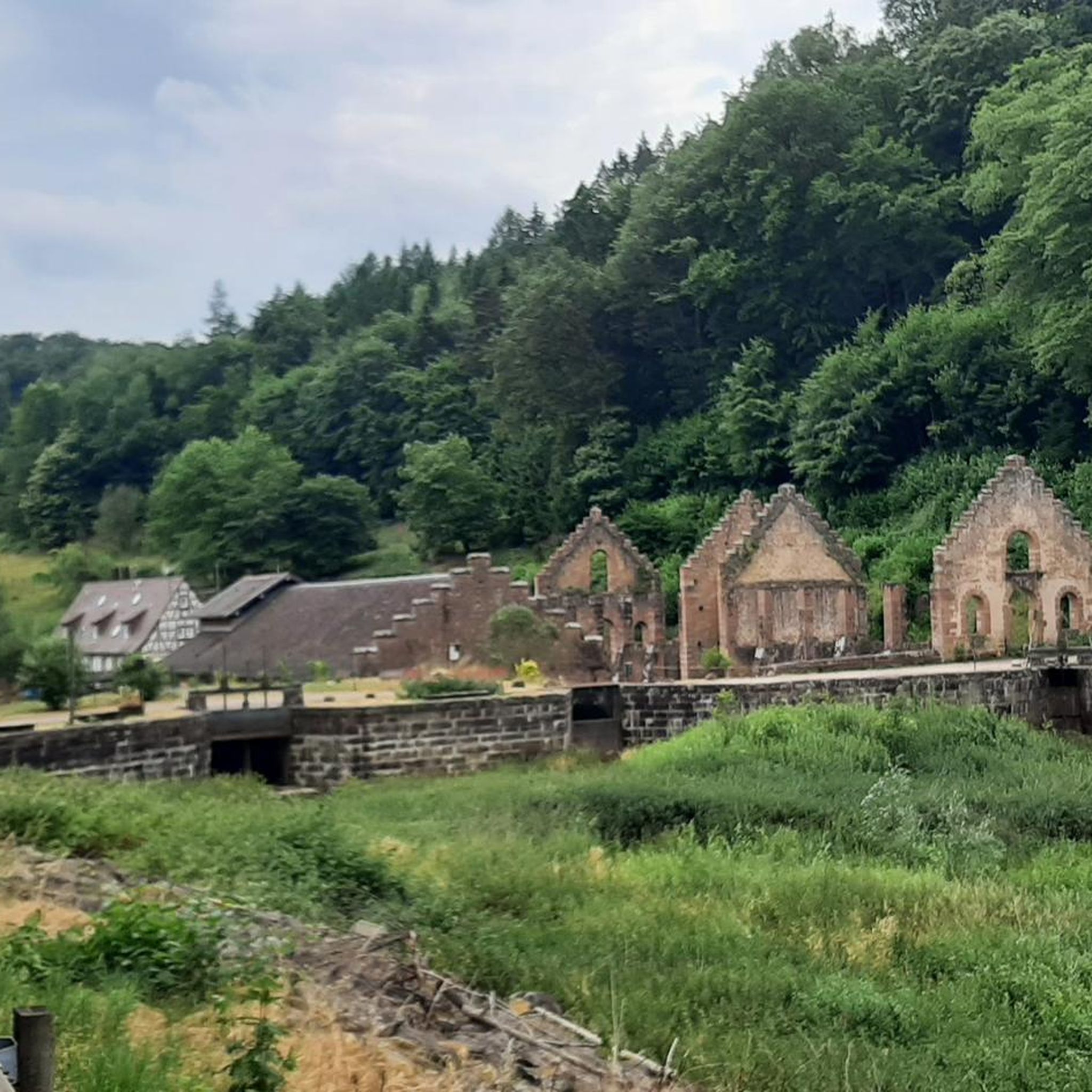
The castle complex is located on a spur on the Daubenschlag rock (French: Rocher du Daubenschlag). All that is visible here are the foundations of a large castle. Behind the clearly visible moat there is a strong shield wall, against which a large square keep (base area 11 × 11 meters) leans in the middle. In the middle of the castle complex there are still remains of a palace.
2
0

Collegiate until the 16th century, currently a Protestant church, it was built by the Benedictine abbey, outside the monastic enclosure, to house the relics of Saint-Adelphe and thus acquire the dual vocation of parish church and pilgrimage church. This building in late Romanesque style, largely built at the beginning of the 13th century, was deprived of its choir in the 19th century. The church is open every day from April 1 to October 31, from 9 a.m. to 7 p.m. in summer and until 5 p.m. in winter
1
0

We visited Villa Meteor on a hot day. A nice tour at our own pace, during which we learned something. Plus a nice tasting under the parasol before the return journey by bike ;-)
0
0

Villa Meteor is an essential brewing tourist stop in Alsace! It was necessary to do so to honor the oldest brewery in France still in operation! In a fabulous site, live a unique and fun experience around the production of beer and the history of the Meteor brewery. Through various testimonies, videos, demonstrations and presentations, come and discover the history of the brewery from 1640 to the present day, share the secrets of beer production, learn about tasting and enter the great Meteor family.
0
0

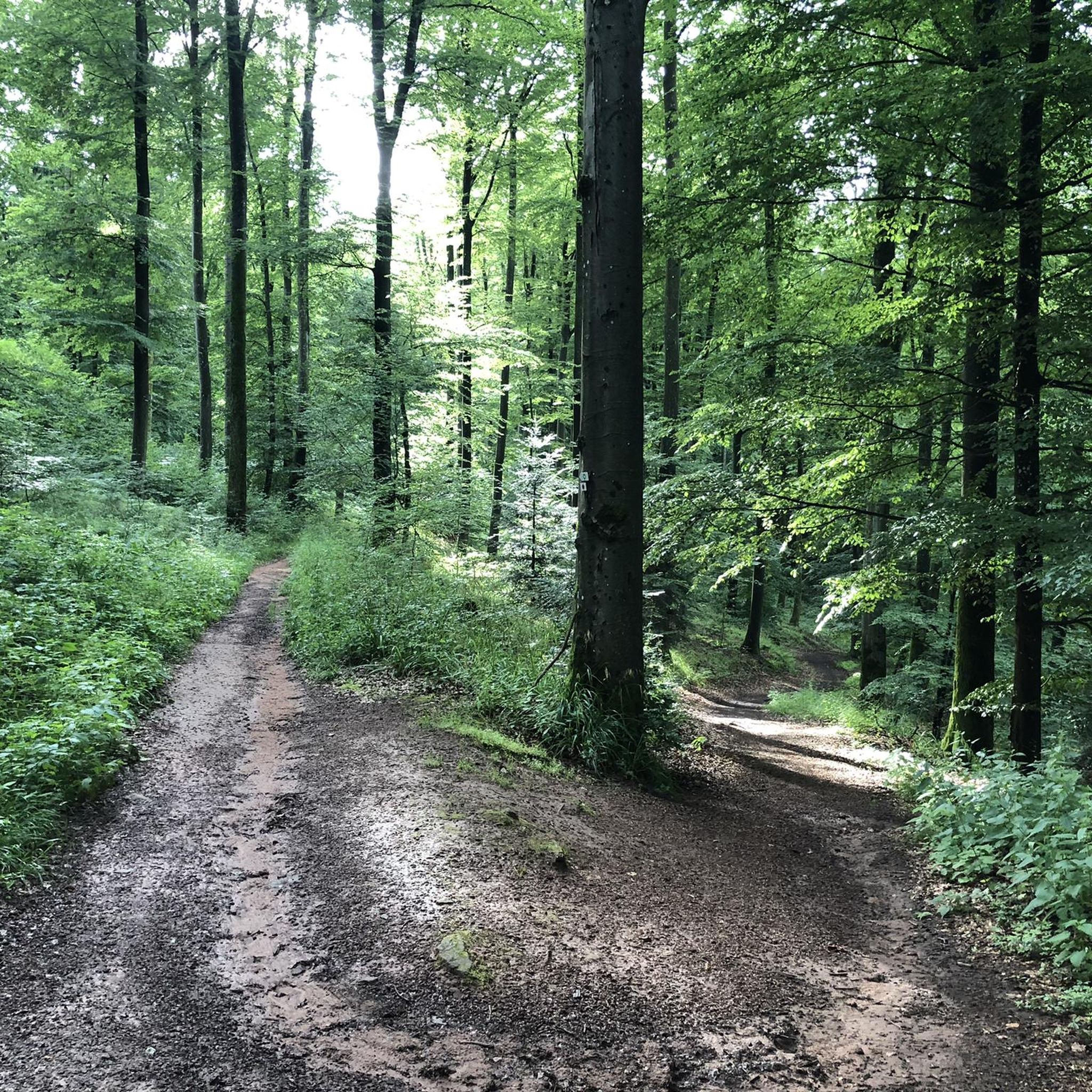
Great Trail S2 down to Buckelmühle; Please be considerate of the hikers
0
0

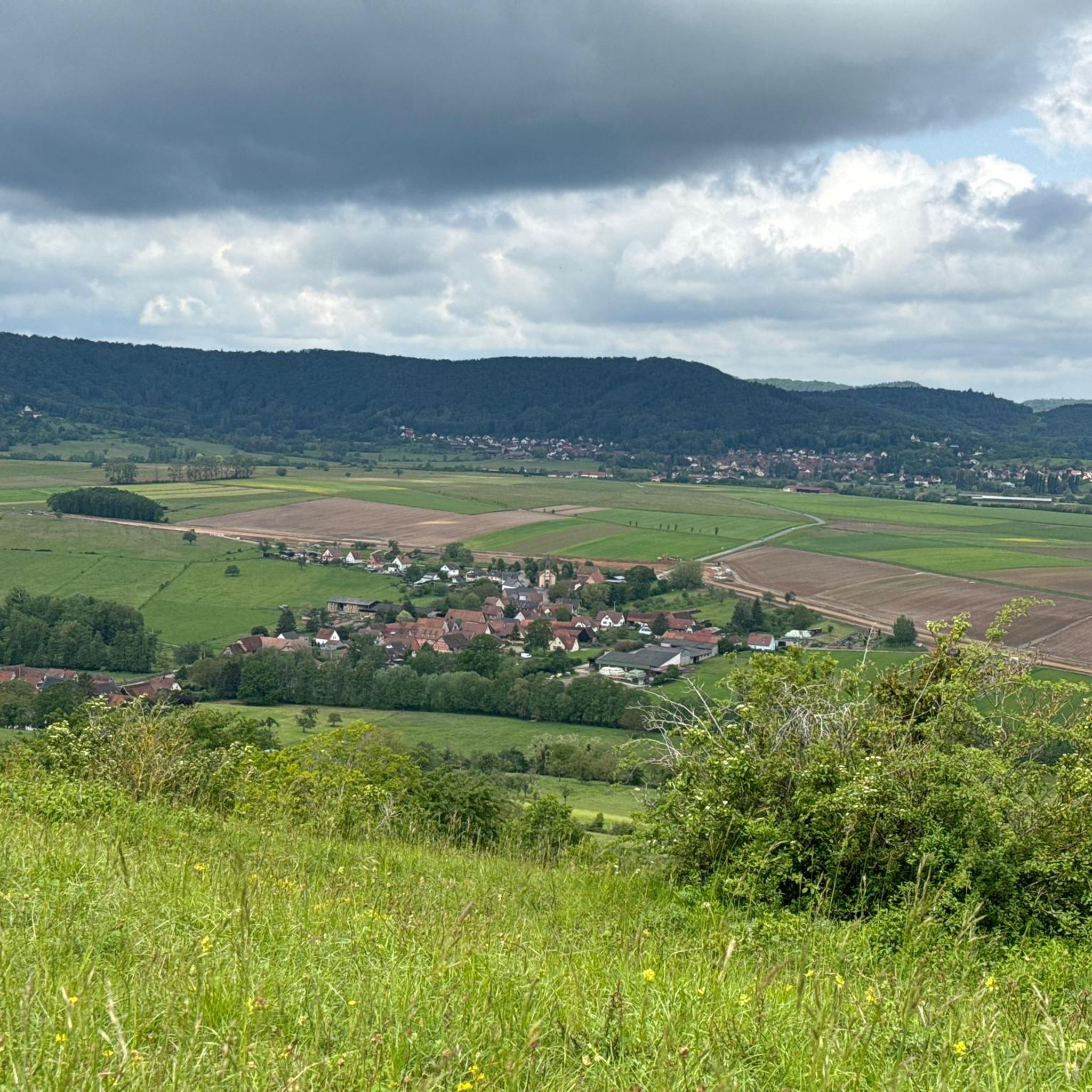
beautiful and typically Alsatian place
0
1
Frequently Asked Questions
What kind of attractions can I find around Zöbersdorf?
While Zöbersdorf itself is a small, rural village, the surrounding area offers a variety of historical and cultural attractions. You can explore ancient castles, impressive religious buildings, and sites that showcase the region's rich heritage.
Are there any historical castles to visit near Zöbersdorf?
Yes, you can visit Warthenberg Castle. This historical site features ruins discovered during excavations on the Daubenschlag rock and offers a round tour with rock formations and remnants of a large castle complex.
What religious sites are notable in the area around Zöbersdorf?
The region boasts significant religious architecture. The Saint Peter and Saint Paul Abbey Church is known for its diversity of architectural styles, including Romanesque, Gothic, and Baroque, and houses a 12th-century baptismal font. Another must-see is Saint Adelphe Church — Neuwiller-lès-Saverne, a late Romanesque-style building from the early 13th century, originally a collegiate and pilgrimage church.
Can I learn about local industry or heritage near Zöbersdorf?
Yes, you can explore Villa Meteor. This site offers insights into the history of the Meteor brewery, one of the oldest breweries in France still in operation, providing a unique experience around beer production and local heritage.
Is there a charming village center to explore near Zöbersdorf?
The Neuwiller-lès-Saverne Village Center is a beautiful and typically Alsatian place. It features historical sights like the former abbey church of St. Peter and Paul, the Protestant church of St. Adelphus, and the ruins of Herrenstein Castle, offering a rich cultural experience.
Are there family-friendly attractions around Zöbersdorf?
Several attractions in the area are suitable for families. Both the Saint Peter and Saint Paul Abbey Church and Saint Adelphe Church — Neuwiller-lès-Saverne are considered family-friendly. Additionally, Villa Meteor offers an engaging experience for all ages, and exploring the Neuwiller-lès-Saverne Village Center can be a pleasant family outing.
What outdoor activities are available around Zöbersdorf?
The region around Zöbersdorf is excellent for outdoor enthusiasts. You can find numerous routes for hiking and cycling. For detailed information on trails, you can check the Hiking around Zöbersdorf guide and the Cycling around Zöbersdorf guide.
Are there hiking trails suitable for different skill levels near Zöbersdorf?
Yes, the area offers hiking trails ranging from easy to moderate difficulty. Examples include the easy 'View of Kirrwiller – Sunflower fields loop from Ringendorf' and moderate routes like 'Kirrwiller – Royal Palace loop from Kirrwiller'. More options are available in the Hiking around Zöbersdorf guide.
What cycling opportunities are there around Zöbersdorf?
You'll find diverse cycling routes, including options for road cycling and touring. Road cyclists can explore routes like the 'Schleuse Nr. 46 – Wingersheim lock loop from Hochfelden' (easy) or longer moderate rides. For touring, there are routes like the 'Book Exchange Shelter – Rest area loop from Bouxwiller' (easy). Discover more in the Road Cycling Routes around Zöbersdorf and Cycling around Zöbersdorf guides.
What do visitors enjoy most about the attractions around Zöbersdorf?
Visitors particularly appreciate the historical depth and architectural diversity of the sites. The impressive churches, the ruins of Warthenberg Castle, and the unique experience at Villa Meteor are frequently highlighted. The blend of history and the scenic, rural surroundings makes for a rewarding exploration.
What is the best time to visit the attractions around Zöbersdorf?
The region is generally pleasant to visit during spring, summer, and early autumn. Many religious buildings, like the Saint Adelphe Church, have extended opening hours from April to October, making these months ideal for exploring both indoor and outdoor attractions.
Are there any viewpoints or scenic spots near Zöbersdorf?
While Zöbersdorf itself is agricultural, the surrounding area offers scenic spots. Warthenberg Castle, located on the Daubenschlag rock, provides a viewpoint with good perspectives of the landscape and rock formations.
Most popular routes around Zöbersdorf

Get inspired with the komoot mobile app


Explore more
Still not found the Highlight you’re looking for? See guides of the top attractions in other regions:
