The best road cycling routes around Martinpuich
4.4
(38)
582
riders
105
rides
Road cycling routes around Martinpuich are set within the gently rolling terrain of the Hauts-de-France region, characterized by its historical significance, featuring former World War I battlefields and memorials. Elevations in the area range from approximately 110m to 158m, offering a mix of gentle inclines and flatter sections. The local roads connect numerous historical sites, providing a reflective cycling experience through a historically significant landscape. The wider Somme Valley offers largely flat and well-maintained cycle paths, including riverside scenery and…
Last updated: May 21, 2026
23
riders
12.7km
00:38
90m
90m
Easy road ride. Great for any fitness level. Mostly well-paved surfaces and easy to ride.
4.0
(1)
21
riders
143km
06:52
1,110m
1,110m
Hard road ride. Very good fitness required. Mostly well-paved surfaces and easy to ride.

Sign up for free
5.0
(3)
13
riders
43.0km
02:00
270m
270m
Easy road ride. Great for any fitness level. Mostly well-paved surfaces and easy to ride.
15
riders
48.6km
02:44
540m
540m
Moderate road ride. Good fitness required. Some segments of this route may be unpaved and difficult to ride.
12
riders
30.3km
01:30
150m
150m
Easy road ride. Great for any fitness level. Mostly well-paved surfaces and easy to ride.
Get access to more routes and recommendations from other explorers.
Sign up for free
Already have an account?
Our route recommendations are based on thousands of hikes, rides, and runs completed by other people on komoot.
Start today with a free account
Your next adventure awaits.
Login or Signup



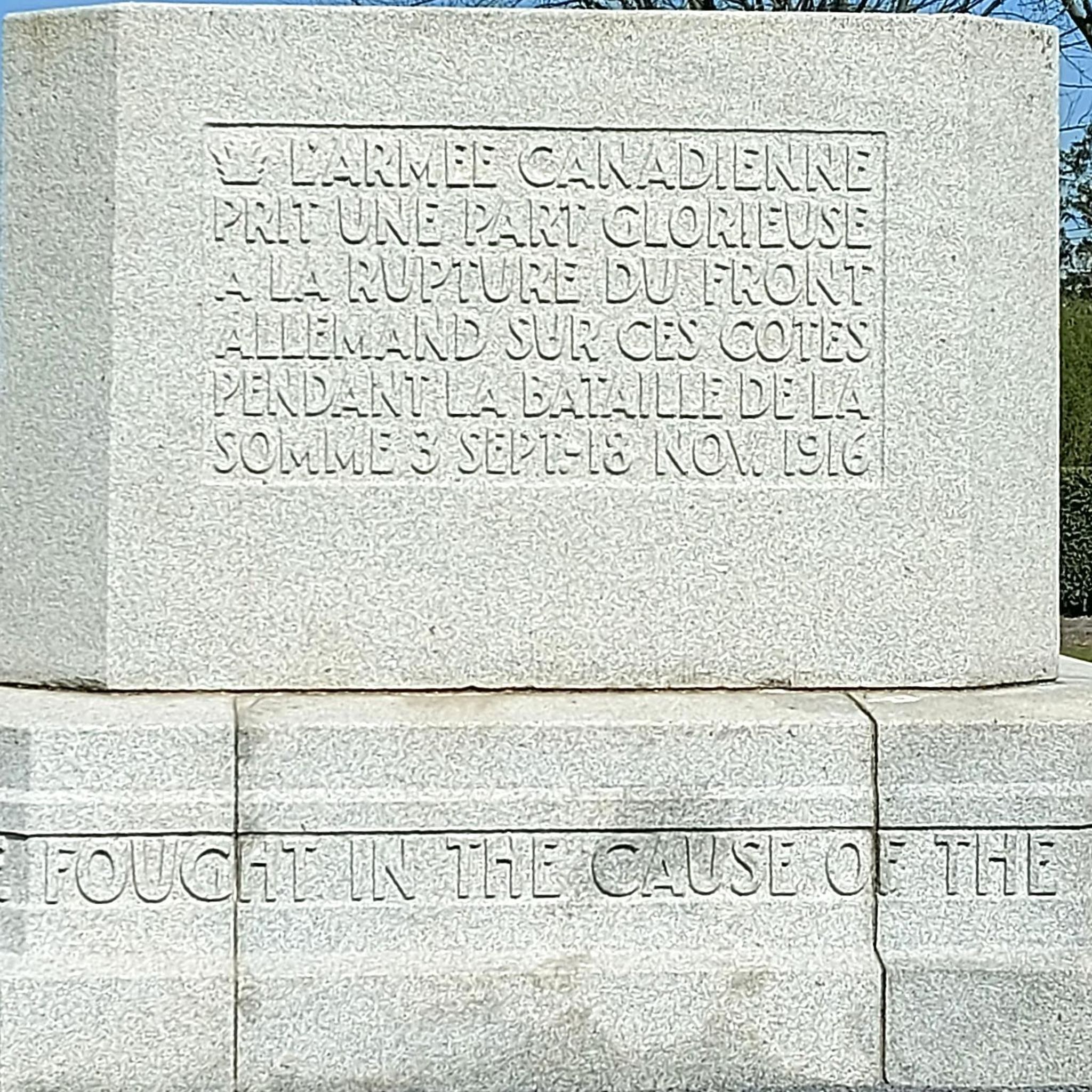

Tips from the Community

The Tour d'Ulster, also known as the Helen Tower or Tour de Belfast, is a British war memorial. It was built in 1921 to commemorate the soldiers of the 36th Ulster Division who died during the Battle of the Somme in World War I. The tower is a replica of a neo-Gothic tower in Clandeboye Park, near Belfast, where the 36th Division trained. An interesting anecdote is that the 36th Ulster Division was the first to attack during the Battle of the Somme on 1 July 1916, but suffered heavy losses from both German and British artillery fire. The division lost over 5,500 men in just a few hours. The Tour d'Ulster has a cafeteria where you can enjoy a cup of tea, scones or Tayto chips, a specialty from Northern Ireland. It is a nice place to relax.
6
0

Small chapel accessible from Saulty, leads to the national
0
0
Tour d'Ulster has a cafeteria where you can enjoy a cup of tea, scones or Tayto chips, a specialty from Northern Ireland. It is a nice place to relax for a while.
1
0
The Tour d'Ulster, also known as the Helen Tower or Tour de Belfast, is a British war memorial. It was built in 1921 to commemorate the soldiers of the 36th Ulster Division who died during the Battle of the Somme in World War I. The tower is a replica of a neo-Gothic tower in Clandeboye Park, near Belfast, where the 36th Division trained. An interesting anecdote is that the 36th Ulster Division was the first to attack during the Battle of the Somme on 1 July 1916, but suffered heavy casualties from both German and British artillery fire. The division lost over 5,500 men in just a few hours.
1
0

The largest Newfoundland memorial in Europe. 30 hectare site with preserved trenches
1
0


Well worth a stop here. Good coffee stop and the chance to visit a WWI dressing station.
0
0

The documentation at this location allows a precise picture of the events: the traces of the trenches, the craters and the course of the battle up to the German position.
1
1
Frequently Asked Questions
What is the typical terrain like for road cycling in Martinpuich?
The terrain around Martinpuich is characterized by gently rolling hills, with elevations generally ranging from 110m to 158m. This offers a pleasant mix of gentle inclines and flatter sections, making it suitable for various levels of road cyclists. You'll find well-maintained local roads connecting numerous historical sites, providing a reflective cycling experience through a historically significant landscape.
How many road cycling routes are available around Martinpuich?
There are over 110 road cycling routes available around Martinpuich on komoot. These routes cater to different abilities, with approximately 33 easy routes, 75 moderate routes, and a few more challenging options for experienced cyclists.
Are there road cycling routes suitable for beginners or families in Martinpuich?
Yes, Martinpuich offers several easy road cycling routes perfect for beginners or families. An excellent option is the Le Caribou de Guedecourt loop from Bapaume, which is a 7.9-mile (12.7 km) trail with gentle gradients through the local countryside, typically completed in under 40 minutes.
Are there challenging road cycling routes for experienced cyclists?
For experienced cyclists seeking a challenge, Martinpuich offers more demanding routes. The Memory Cycle Route – The Green Alley loop from Miraumont is a difficult 88.7-mile (142.7 km) path that traverses extensive historical landscapes, featuring significant elevation gain and providing a rigorous ride.
What historical landmarks can I see while road cycling near Martinpuich?
The region around Martinpuich is rich in World War I history. Cyclists can visit poignant sites such as the Newfoundland Memorial, the Thiepval Memorial, and the Lochnagar Crater. Many routes pass by these significant memorials and preserved battlefields, offering a unique historical experience.
Can I find circular road cycling routes around Martinpuich?
Yes, many road cycling routes in the Martinpuich area are designed as loops, allowing you to start and end at the same point. For example, the Saint-Léger Church loop from Miraumont is a 26.7-mile (43.0 km) trail that takes you through rural areas and past the historic church.
What do other road cyclists say about the routes in Martinpuich?
The road cycling routes around Martinpuich are highly regarded by the komoot community, holding an average rating of 4.4 stars from nearly 50 reviews. Over 800 road cyclists have explored the area using komoot, often praising the unique blend of historical immersion and pleasant, rolling terrain.
Is Martinpuich connected to any larger cycling networks?
Yes, Martinpuich is situated in proximity to the larger Somme Valley Cycle Route. This extensive network spans over 160 km and offers dedicated cycling paths, connecting to various natural sites and cultural heritage points like the marshes of Méricourt-sur-Somme and the city of Amiens. You can find more information about this route on Somme Tourisme or France Vélo Tourisme.
What is the best time of year for road cycling in Martinpuich?
The region around Martinpuich, being in Northern France, generally offers pleasant cycling conditions from spring through early autumn. These seasons provide milder temperatures and less chance of extreme weather, making it ideal for exploring the historical landscapes and rural roads.
Are there any moderate road cycling routes for those looking for a balanced challenge?
Yes, there are many moderate routes available. A good example is the Newfoundland Memorial – Ulster Tower loop from Miraumont. This 30.2-mile (48.7 km) route offers a balanced challenge with significant elevation gain, taking you past important historical sites.
Are there any specific WWI sites accessible by road bike?
Absolutely. The landscape around Martinpuich is dotted with WWI sites. You can cycle to locations like the Hawthorn Ridge Crater, the La Boisselle Mine Crater, and the Mametz Wood Welsh Division Memorial, allowing for a quiet and respectful journey through history.
Most popular routes around Martinpuich
Most popular attractions around Martinpuich

Get inspired with the komoot mobile app


Explore more
Browse the best Road cycling routes in other regions.
