The best cycling routes around Foncquevillers
4.7
(21)
272
riders
55
rides
Touring cycling around Foncquevillers offers routes through the gently rolling countryside of the Artois region, characterized by wide-open fields and interspersed forests. Cyclists can expect paths winding along canal banks and river courses, providing accessible terrain. The area features varied landscapes, accommodating different cycling preferences and abilities, often passing through historically significant World War I sites.
Best touring cycling routes around Foncquevillers
- The most popular touring cycling route is Parc de la Bassure – The Citadel loop from Beaumont-Hamel,…
Last updated: May 21, 2026
4.5
(4)
14
riders
146km
08:37
820m
820m
Hard bike ride. Very good fitness required. Mostly paved surfaces. Suitable for all skill levels.
3.0
(1)
23
riders
39.7km
03:00
350m
350m
Moderate bike ride. Good fitness required. Mostly paved surfaces. Suitable for all skill levels.

Sign up for free
5.0
(1)
14
riders
38.3km
02:56
230m
230m
Hard bike ride. Good fitness required. You may need to push your bike for some segments of this route.
5.0
(1)
11
riders
47.5km
03:29
300m
300m
Moderate bike ride. Good fitness required. Mostly paved surfaces. Suitable for all skill levels.
11
riders
76.1km
05:17
550m
550m
Hard bike ride. Very good fitness required. Mostly paved surfaces. Suitable for all skill levels.
Get access to more routes and recommendations from other explorers.
Sign up for free
Already have an account?
Our route recommendations are based on thousands of hikes, rides, and runs completed by other people on komoot.
Start today with a free account
Your next adventure awaits.
Login or Signup
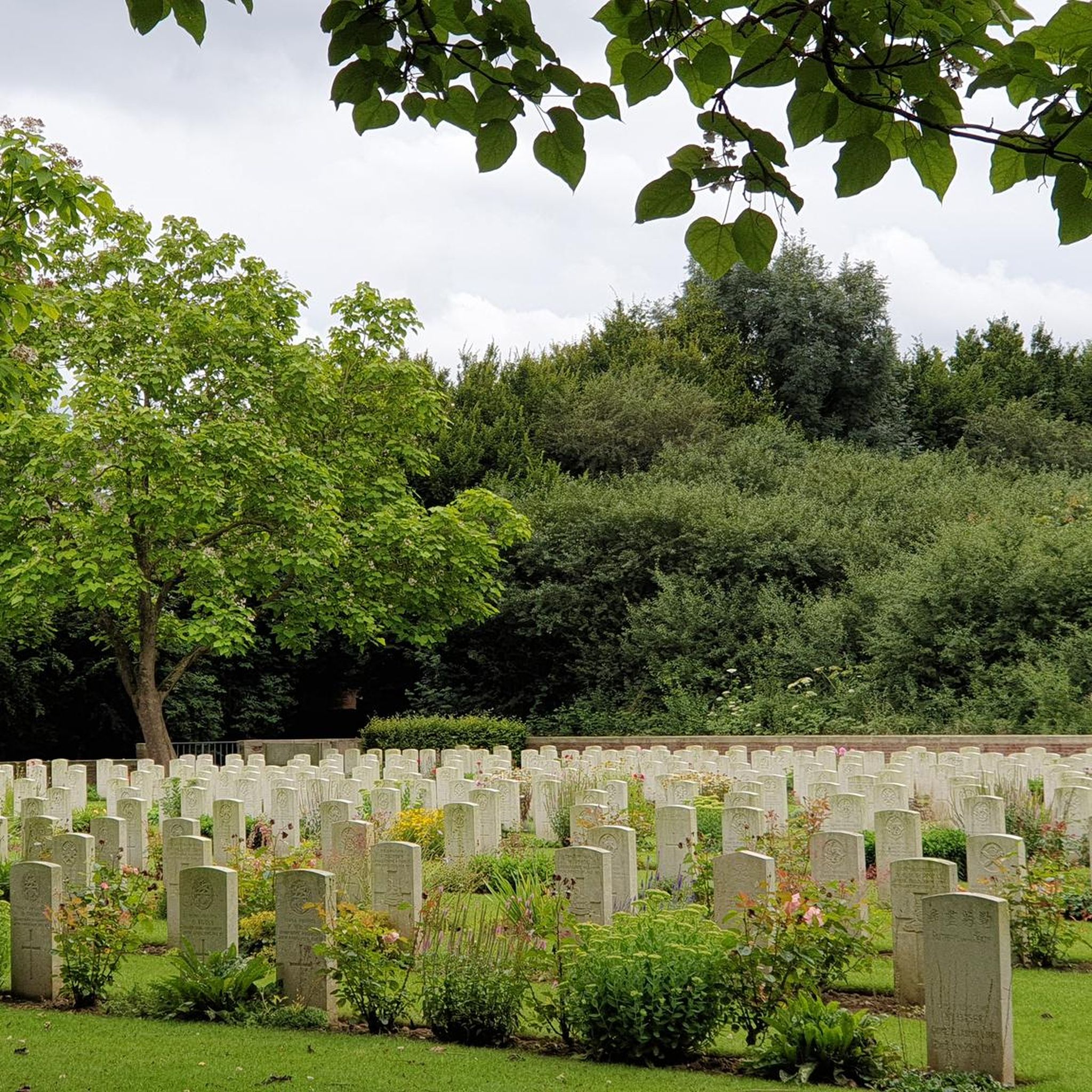
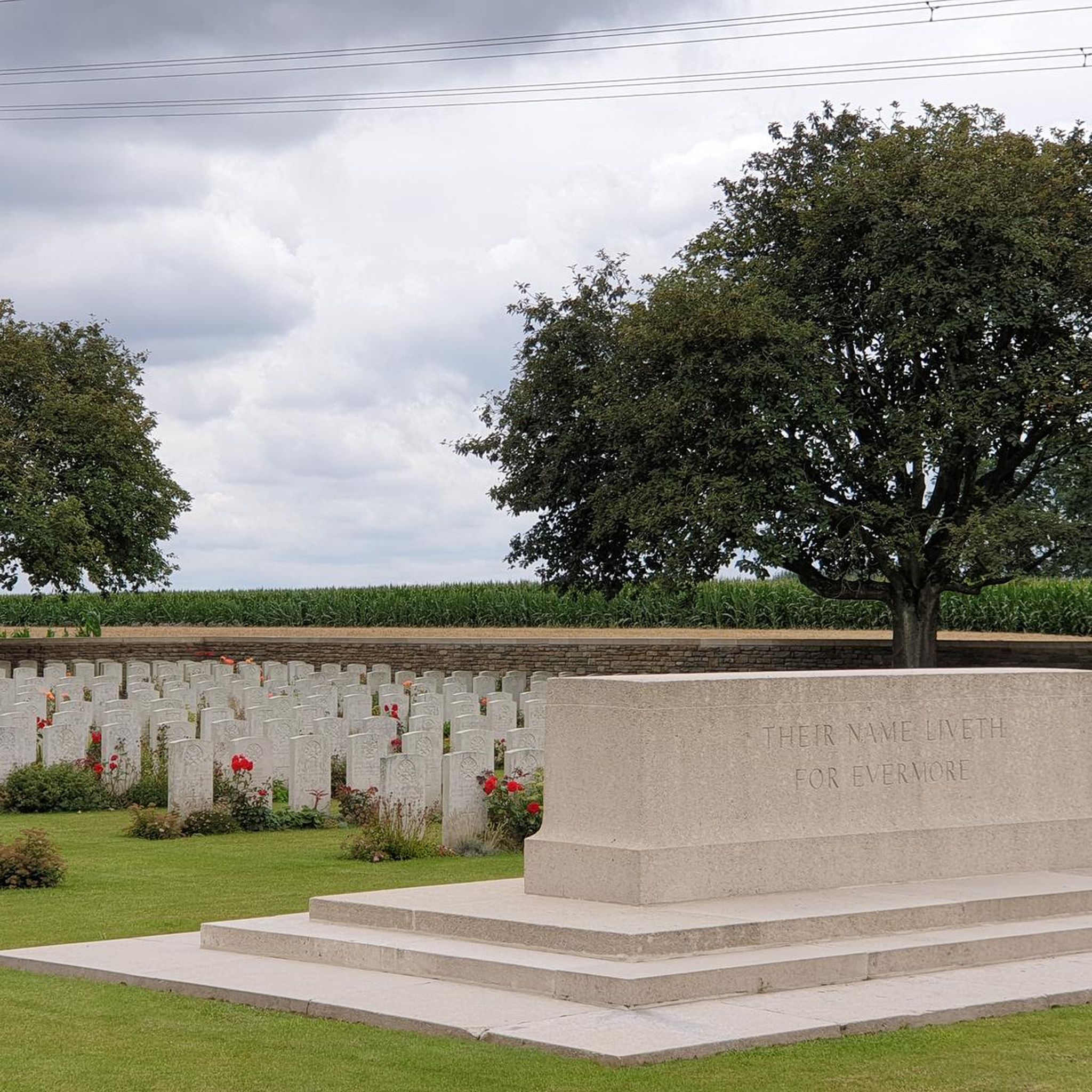
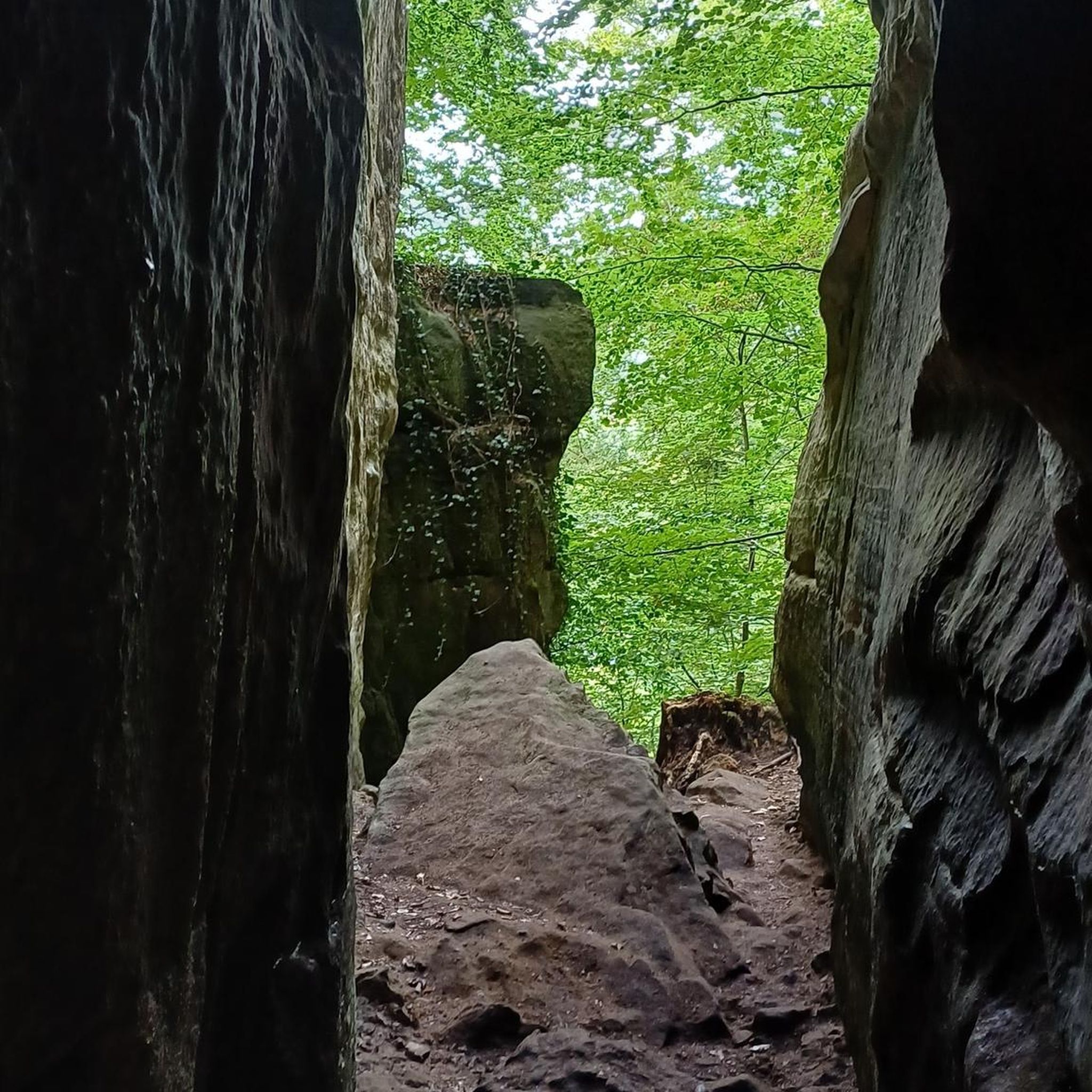


Tips from the Community

The Tour d'Ulster, also known as the Helen Tower or Tour de Belfast, is a British war memorial. It was built in 1921 to commemorate the soldiers of the 36th Ulster Division who died during the Battle of the Somme in World War I. The tower is a replica of a neo-Gothic tower in Clandeboye Park, near Belfast, where the 36th Division trained. An interesting anecdote is that the 36th Ulster Division was the first to attack during the Battle of the Somme on 1 July 1916, but suffered heavy losses from both German and British artillery fire. The division lost over 5,500 men in just a few hours. The Tour d'Ulster has a cafeteria where you can enjoy a cup of tea, scones or Tayto chips, a specialty from Northern Ireland. It is a nice place to relax.
6
0
An interesting anecdote is that the Royal Naval Division was originally formed from reservists of the British Navy who had no place on ships during the war. This unit was trained as infantry and played a crucial role in several battles, including the Battle of the Ancre.
6
0
The British Royal Naval Division Memorial in Beaucourt-sur-l'Ancre commemorates the officers and men of the Royal Naval Division who died during the Battle of the Ancre, part of the great Somme offensive. The memorial is located on Rue d'Hamel (Route D50) and Chemin de Serres les Pusieux.
6
0
On 11 April 1944, an Avro Lancaster Mk I, serial number LL836 BQ-E, crashed near Achiet-le-Petit, in the Bois de Logeast, during a mission by the RAF 550 Squadron. The aircraft had taken off from North Killingholme in England and was part of a bombing raid on the railway installations at Aulnoye-Aymeries, as part of the Allied Transportation Plan2. The Lancaster was intercepted and shot down at around 02:43 by a German night fighter, a Messerschmitt Bf 110, flown by Hauptmann Helmut Bergmann. The aircraft exploded in mid-air and came down in flames approximately 1.5 km north-northwest of Achiet-le-Petit3. All seven crew members were killed. Among them were five Britons and two Canadians, including: F/Lt Richard William Picton (pilot, age 24, DFC) F/O John Foster Potter (bomb aimer, age 23, RCAF) F/O John James Logan (navigator, age 26, DFC) Sgt William Essar (age 22, RCAF) Sgt Thomas Henry Guest (flight engineer) Sgt Kenneth Percy Charles Williams (radio operator, DFM) F/Lt William Hugh Waycott (air force, age 22, DFM)3 They are all buried in Achiet-le-Petit cemetery. The crash is a harrowing illustration of the risks faced by bombers during night operations over occupied Europe.
8
0
An interesting anecdote is that Achiet-le-Petit changed hands several times during the war. The village was occupied by British troops in March 1917, lost to the Germans in March 1918, and retaken by the British in September 1918. In 1924, 300 bodies that had been temporarily buried elsewhere were transferred to this cemetery.
6
0
Cimetière militaire allemand d'Achiet-le-Petit is a World War I military cemetery located in Achiet-le-Petit, France. The cemetery contains the graves of 1,314 German soldiers. It was created in the autumn of 1914 to bury the bodies of German soldiers who had fallen during the fighting in the region.
6
0
Tour d'Ulster has a cafeteria where you can enjoy a cup of tea, scones or Tayto chips, a specialty from Northern Ireland. It is a nice place to relax for a while.
1
0
The Tour d'Ulster, also known as the Helen Tower or Tour de Belfast, is a British war memorial. It was built in 1921 to commemorate the soldiers of the 36th Ulster Division who died during the Battle of the Somme in World War I. The tower is a replica of a neo-Gothic tower in Clandeboye Park, near Belfast, where the 36th Division trained. An interesting anecdote is that the 36th Ulster Division was the first to attack during the Battle of the Somme on 1 July 1916, but suffered heavy casualties from both German and British artillery fire. The division lost over 5,500 men in just a few hours.
1
0
Frequently Asked Questions
How many touring cycling routes are available around Foncquevillers?
There are over 50 touring cycling routes around Foncquevillers listed on komoot, offering a wide variety of options for exploring the region. These routes cater to different preferences, from easy rides to more challenging excursions.
Are there touring cycling routes suitable for different skill levels in the Foncquevillers area?
Yes, the Foncquevillers area offers routes for various skill levels. You'll find 11 easy routes, 30 moderate routes, and 12 difficult routes, ensuring there's something for every touring cyclist, whether you prefer a leisurely ride or a more strenuous challenge.
What historical sites can I explore while cycling near Foncquevillers?
The region around Foncquevillers is rich in World War I history. Many touring cycling routes pass by significant memorials and battlefields. For instance, the Newfoundland Memorial – Hawthorne ridge crater loop from Bucquoy takes you through WWI memorial sites. You can also visit the Newfoundland Memorial and the Thiepval Memorial, both accessible via cycling routes.
Are there any natural attractions or other landmarks to see along the touring cycling routes?
Beyond historical sites, the Foncquevillers area offers picturesque rural scenery with wide-open fields and interspersed forests. You might encounter charming villages and tranquil landscapes. Notable landmarks include the Château de Bavincourt and the The Carré des Sources, which can be incorporated into your rides.
What do other touring cyclists enjoy most about cycling in Foncquevillers?
The touring cycling routes around Foncquevillers are highly rated by the komoot community, with an average score of 4.6 stars. Cyclists often praise the blend of serene rural landscapes with profound historical sites, as well as the varied terrain that accommodates different abilities.
Are there any challenging touring cycling routes for experienced riders?
Yes, for experienced riders seeking a challenge, Foncquevillers offers several difficult routes. One such route is the Parc de la Bassure – The Citadel loop from Beaumont-Hamel, an 85.4-mile (137.5 km) trail with significant elevation gains, typically taking over 8 hours to complete.
Can I find circular touring cycling routes around Foncquevillers?
Many of the touring cycling routes in the Foncquevillers area are designed as loops, allowing you to start and end your journey in the same location. Examples include the Saint-Léger Church – Boisleux-St-Marc loop from Ablainzevelle and the St John the Baptist Church – Thiepval Memorial loop from Bucquoy.
Is Foncquevillers a good base for exploring the wider Artois region by bike?
Absolutely. Foncquevillers is nestled in the heart of the Artois region, making it an excellent starting point for exploring its diverse landscapes, from gently rolling countryside to historical WWI sites. Its central location allows easy access to a network of routes, including those connecting to nearby towns like Arras.
What kind of terrain can I expect on touring cycling routes in Foncquevillers?
The terrain around Foncquevillers is characterized by gently rolling countryside, wide-open fields, and interspersed forests. You'll find paths winding along canal banks and river courses, offering relatively flat sections, alongside routes with some elevation gains, providing a varied cycling experience.
Are there any touring cycling routes that focus on specific WWI memorials?
Yes, the region is particularly known for its WWI remembrance trails. The Sunken Road Cemetery – Boisleux-St-Marc loop from Berles-au-Bois is an example of a route that takes you past significant memorial sites, allowing for a reflective cycling experience.
Are there options for longer touring cycling trips starting from Foncquevillers?
Yes, for those looking for longer rides, routes like the Parc de la Bassure – The Citadel loop from Beaumont-Hamel offer substantial distances, covering over 85 miles (137 km) and providing an extensive exploration of the historical landscapes.
Most popular routes around Foncquevillers
Most popular attractions around Foncquevillers

Get inspired with the komoot mobile app


Explore more
Browse the best Cycling routes in other regions.
