Attractions and Places To See around Hinges - Top 20
Attractions and places to see around Hinges, a commune in the Pas-de-Calais department, offer a diverse range of experiences. This locality serves as a convenient base for exploring notable landmarks, cultural sites, and natural features in the surrounding Hauts-de-France region. The area features a mix of historical architecture, industrial heritage, and natural beauty, providing various points of interest for visitors.
Best attractions and places to see around Hinges
- The most popular attractions is Terril Number 5 of Lapugnoy, a…
Last updated: July 2, 2026
Terril Number 5 of Lapugnoy
Highlight • Viewpoint
Tip by

The facades of the main square
Highlight • Historical Site
Translated by Google •
Tip by

Sign up now to discover places like this
Get recommendations on the best single tracks, peaks, & plenty of other exciting outdoor places.
Sign up for free
Saint-Venant Town Hall (Rathaus)
Highlight • Other
Translated by Google •
Tip by

Robecq Church
Highlight • Historical Site
Translated by Google •
Tip by
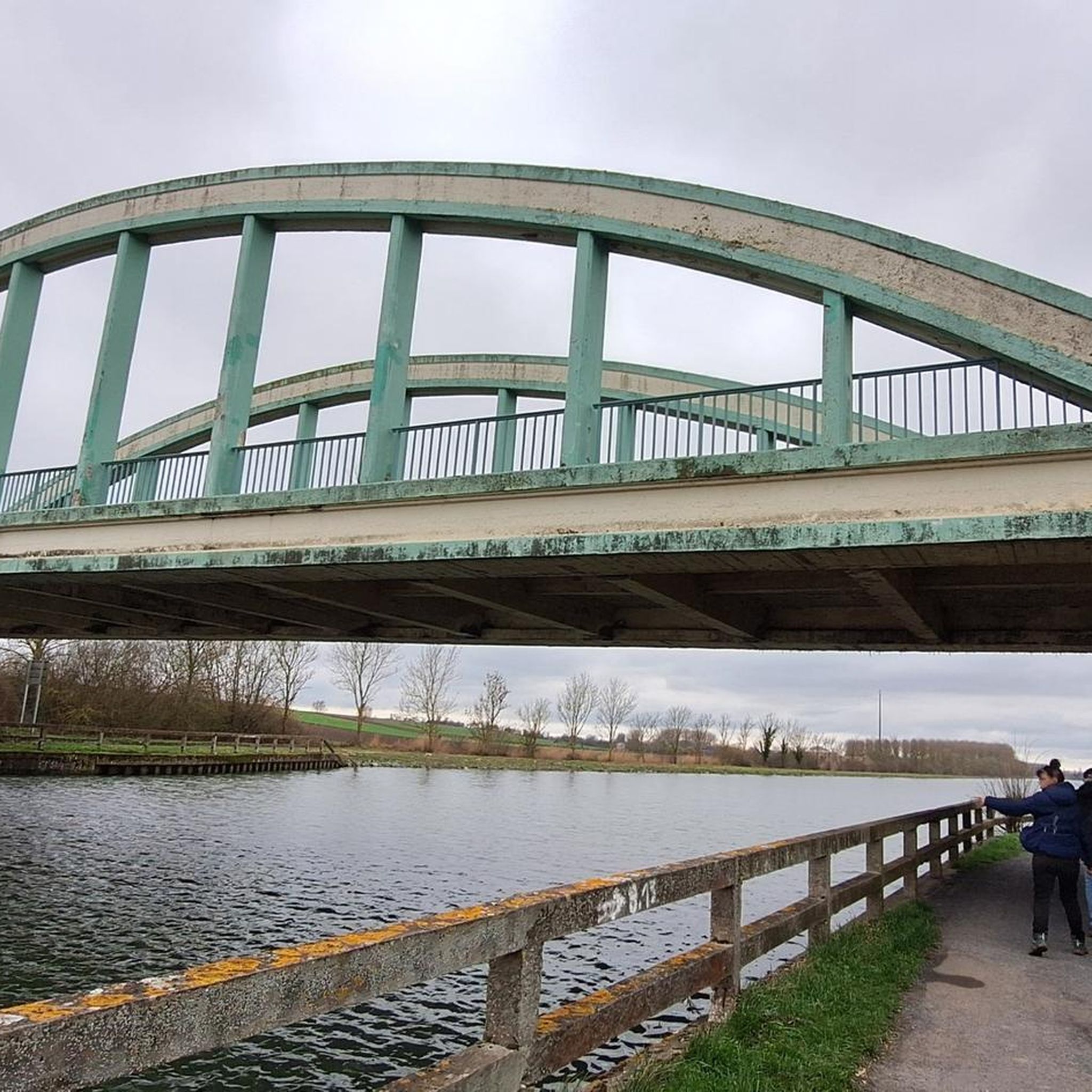
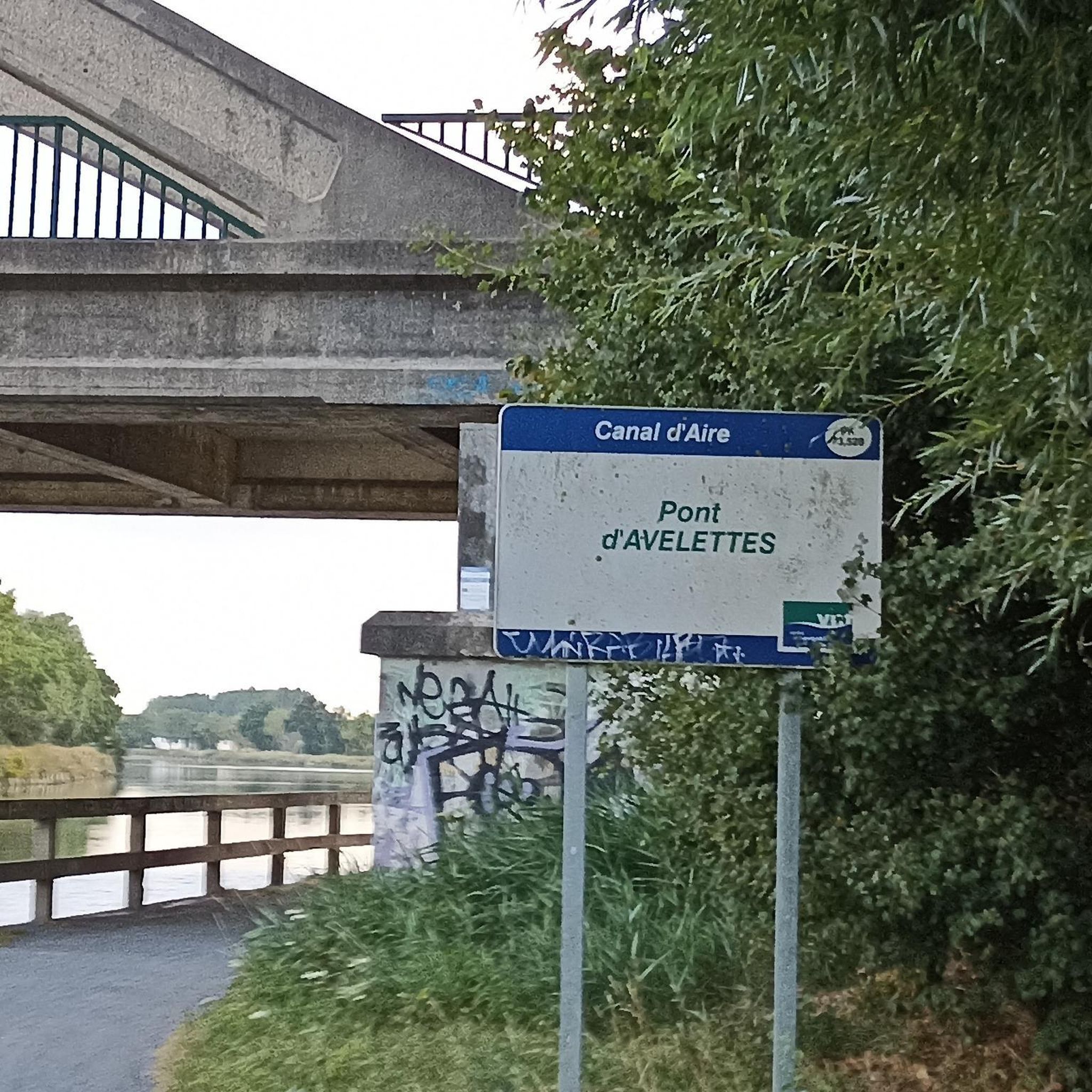
Passerelle de la Lys
Highlight • Bridge
Translated by Google •
Tip by
Sign up for free to discover even more attractions around Hinges.
Sign up for free
Already have an account?
Start today with a free account
Your next adventure awaits.
Login or Signup


Tips from the Community

view of Béthune from the Fouquereuil spoil heap
0
0

The Grand'Place de Béthune is the focal point of the city of Buridan. Destroyed in 1918, it was rebuilt and stands as an architectural example. A group of architects led by L.M. Cordonnier gave it its present-day appearance: eclecticism, Art Deco, and neo-regionalism combine to create a diverse ensemble. Town Hall Rebuilt many times, the current Town Hall was designed by architect J. Alleman. Built between 1924 and 1929, the building stands out from the other buildings with its massive form. Its façade embodies the city's titles and glories: the Croix de Guerre and the Legion of Honor, as well as the city's coat of arms. The Town Hall has been listed as a Historic Monument since April 2002. Some of the square's façades, representative of the Art Deco style, are also listed as Historic Monuments. The Cellars of the Grand'Place Vast cellars, boves, and countermine galleries: the underground of Béthune bears witness to the city's intense activity. During the First World War, the cellars served as refuges for the inhabitants of Béthune. Some cellars of private homes are now open to the public. (Notably at No. 42 Grand'Place) (c) https://www.bethune.fr/bethune-brille/patrimoine-historique/la-grand-place-558.html
0
0

Terril nice is not too fat, especially at the moment :)
0
0

The Église Saint-Vaast in Robecq is a beautiful example of Gothic architecture, characterized by its high vaults and pointed arches. The church has an impressive façade with detailed stonework and a tower that rises above the village. Inside, you will find beautiful stained glass windows that create colorful light patterns and depict biblical scenes. The vaults and buttresses are typical elements of the Gothic style, designed to support the structure while giving a sense of height and space.
7
0

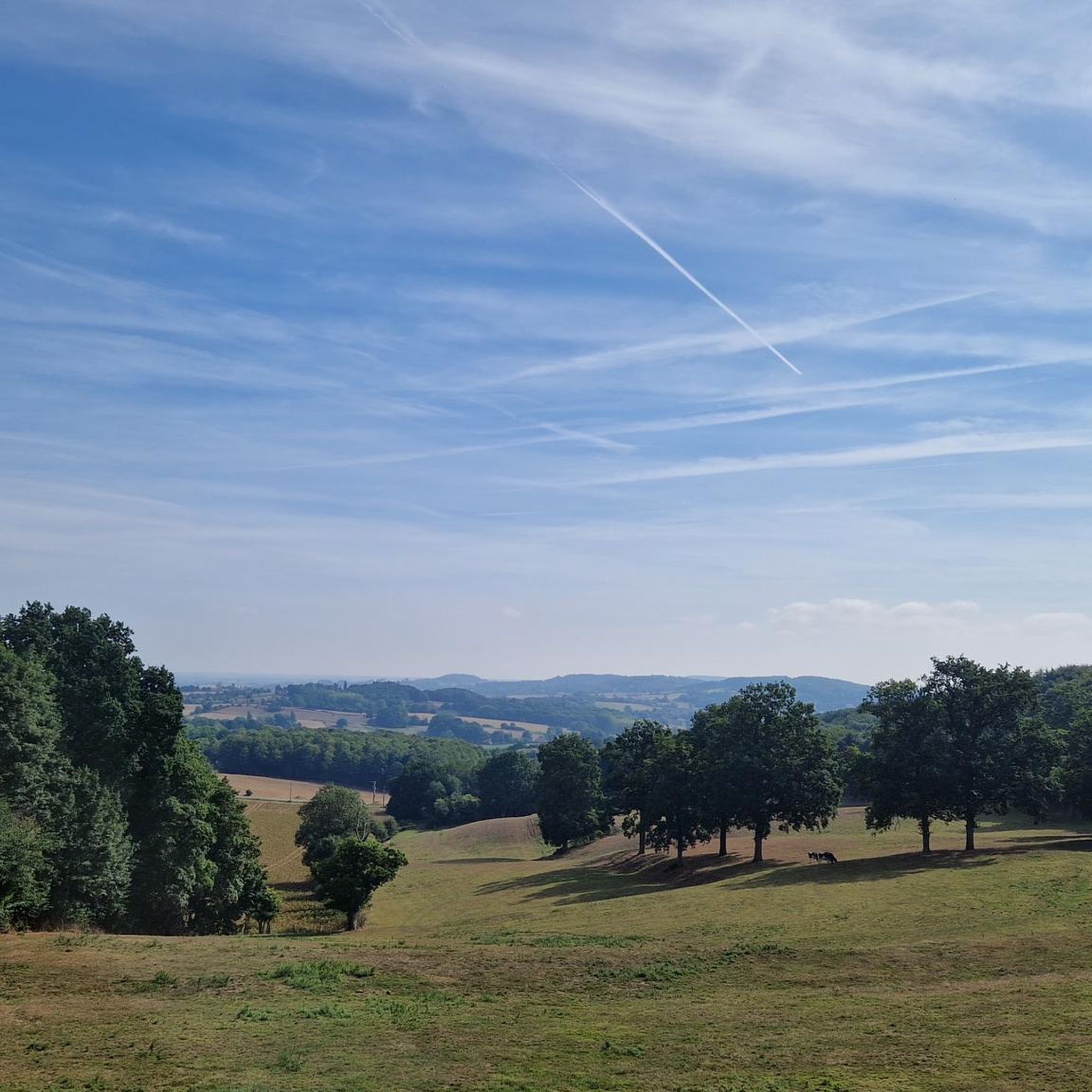
Slag heap number 5 in Lapugnoy, a vestige of the mining era in northern France, today offers a unique view of the surrounding landscapes. Covered with vegetation, this slag heap, once a symbol of industrial labour, has become a popular walking spot for hikers and nature lovers. Climbing its slopes, you will discover a striking panorama of the surrounding plains and forests.
0
0

absolutely stunning
0
1

View of the slag heaps of the Carreau Valley of Marles and Auchel from the Lapugnoy slag heap, but also of the town of the commune with its bell tower and its fields.
0
0
and its war memorial
0
0
Frequently Asked Questions
What are the most popular natural attractions around Hinges?
Visitors frequently enjoy the Terril Number 5 of Lapugnoy, a former slag heap reclaimed by nature, offering panoramic views of the countryside and the Bois de Lapugnoy. Another popular spot is the Passerelle de la Lys, a peaceful bridge connecting Haverskerk with Saint-Venant, ideal for walks and cycling along the Leie.
Are there historical sites or landmarks to visit near Hinges?
Yes, the region is rich in history. You can explore the architectural diversity of The facades of the main square in Béthune, rebuilt after 1918 with Art Deco and neo-regionalist styles. Other notable sites include the historic Saint-Venant Town Hall and the beautiful Robecq Church. The area also features several UNESCO World Heritage belfries in nearby towns like Béthune and Aire-sur-la-Lys, and the Arras Citadelle.
What kind of outdoor activities can I do near Hinges?
Hinges serves as an excellent base for various outdoor activities. You can find numerous routes for hiking, road cycling, and running. For hiking, explore trails like the 'Bridge of the D180 – A beautiful garden loop' or 'Hinges church – The Aire canal loop'. Cyclists can enjoy routes such as 'Canal in Busnes – Hinges church loop' or 'Hinges church – Saint-Venant Watermill loop'. Runners have options like 'The Aire canal – Thr First loop'. You can find more details and routes in the dedicated guides for hiking, road cycling, and running around Hinges.
Are there any family-friendly attractions in the area?
The Passerelle de la Lys is categorized as family-friendly, offering a safe and pleasant path for pedestrians and cyclists. Additionally, natural sites like Les Prés du Hem and various gardens mentioned in the region research can provide enjoyable outings for families.
What are some notable gardens or natural reserves to visit?
The region boasts several remarkable gardens, including La ferme du mont des Récollets and Parc du château de Sericourt. For nature reserves, consider visiting the Réserve naturelle nationale des étangs du Romelaëre or the Réserve naturelle régionale du Marais de Wagnonville, which offer opportunities to observe local flora and fauna.
Which nearby towns are worth exploring for their history and culture?
Several historic towns are within easy reach. Béthune, with its belfry and the architecturally significant main square, is a must-see. Aire-sur-la-Lys is officially a 'recommended detour' known for its highlights. Further afield, Lille offers a rich urban experience, and Arras is famous for its belfry and baroque-style houses.
Are there any accessible attractions for visitors with wheelchairs?
Yes, The facades of the main square in Béthune is noted as wheelchair accessible, allowing visitors to appreciate its unique architecture and historical significance.
What do visitors enjoy most about the attractions around Hinges?
Visitors particularly appreciate the blend of industrial heritage reclaimed by nature, as seen at Terril Number 5 of Lapugnoy, which offers unique views. The peaceful paths along the Leie, such as the Passerelle de la Lys, are also highly valued for cycling and walking. The historical architecture and cultural depth of towns like Béthune also receive positive feedback.
Can I find any sites related to the mining history of the region?
Absolutely. The Terril Number 5 of Lapugnoy is a direct vestige of the Marles coal mines, offering insight into the region's industrial past while showcasing nature's reclamation. It's a unique spot to learn about the history and ecology of these former mining landscapes.
Are there any specific viewpoints or scenic spots recommended?
The Terril Number 5 of Lapugnoy is a prime viewpoint, offering extensive views of the surrounding countryside and the Bois de Lapugnoy. The Passerelle de la Lys also provides scenic views along the river, especially for those on foot or bike.
What is the best way to explore the natural beauty of the area?
The best way to immerse yourself in the natural beauty is by utilizing the extensive network of hiking, cycling, and running trails. These routes often pass through forests like Forêt d'Hesdin, along rivers, and near nature reserves, allowing you to experience the diverse landscapes firsthand. Check the hiking guide for specific routes.
Are there any UNESCO World Heritage Sites nearby?
Yes, several belfries in the vicinity are recognized as UNESCO World Heritage Sites. These include the belfries in Béthune, Aire-sur-la-Lys, and Arras, showcasing significant architectural and historical heritage of the region.

Get inspired with the komoot mobile app


Explore more
Still not found the Highlight you’re looking for? See guides of the top attractions in other regions:
