Attractions and Places To See around Cuiseaux - Top 20
Best attractions and places to see around Cuiseaux include a blend of historical landmarks, cultural sites, and natural beauty. This medieval town, located at the foot of the Revermont in the Saône-et-Loire department of France, is known for its connection to artists Edouard Vuillard and Pierre Puvis de Chavannes. Visitors can explore its well-preserved old city, historical buildings, and surrounding natural landscapes. The area offers diverse options for those interested in history, art, and outdoor exploration.
Best attractions and places…
Last updated: May 21, 2026
Cuiseaux
Highlight • Settlement
Translated by Google •
Tip by

Chevreaux Castle
Highlight • Castle
Translated by Google •
Tip by

Sign up now to discover places like this
Get recommendations on the best single tracks, peaks, & plenty of other exciting outdoor places.
Sign up for free
Ancient Roman Road of Montagna
Highlight (Segment) • Other
Translated by Google •
Tip by
Châtel
Highlight • Settlement
Marked by the presence of the Benedictines of …
Translated by Google •
Tip by
Chanelet Viewpoint
Highlight • Viewpoint
Translated by Google •
Tip by
Sign up for free to discover even more attractions around Cuiseaux.
Sign up for free
Already have an account?
Start today with a free account
Your next adventure awaits.
Login or Signup

Tips from the Community

Beautiful little old town. There is an excellent gas-fired pizza place in town that we like to visit when we pass through. Everything is fresh and prepared on site. 🍕🍕🍕
2
0

This small, remote village hosted a large religious community, including the Benedictines of Gigny from 974 to 1359.
1
0
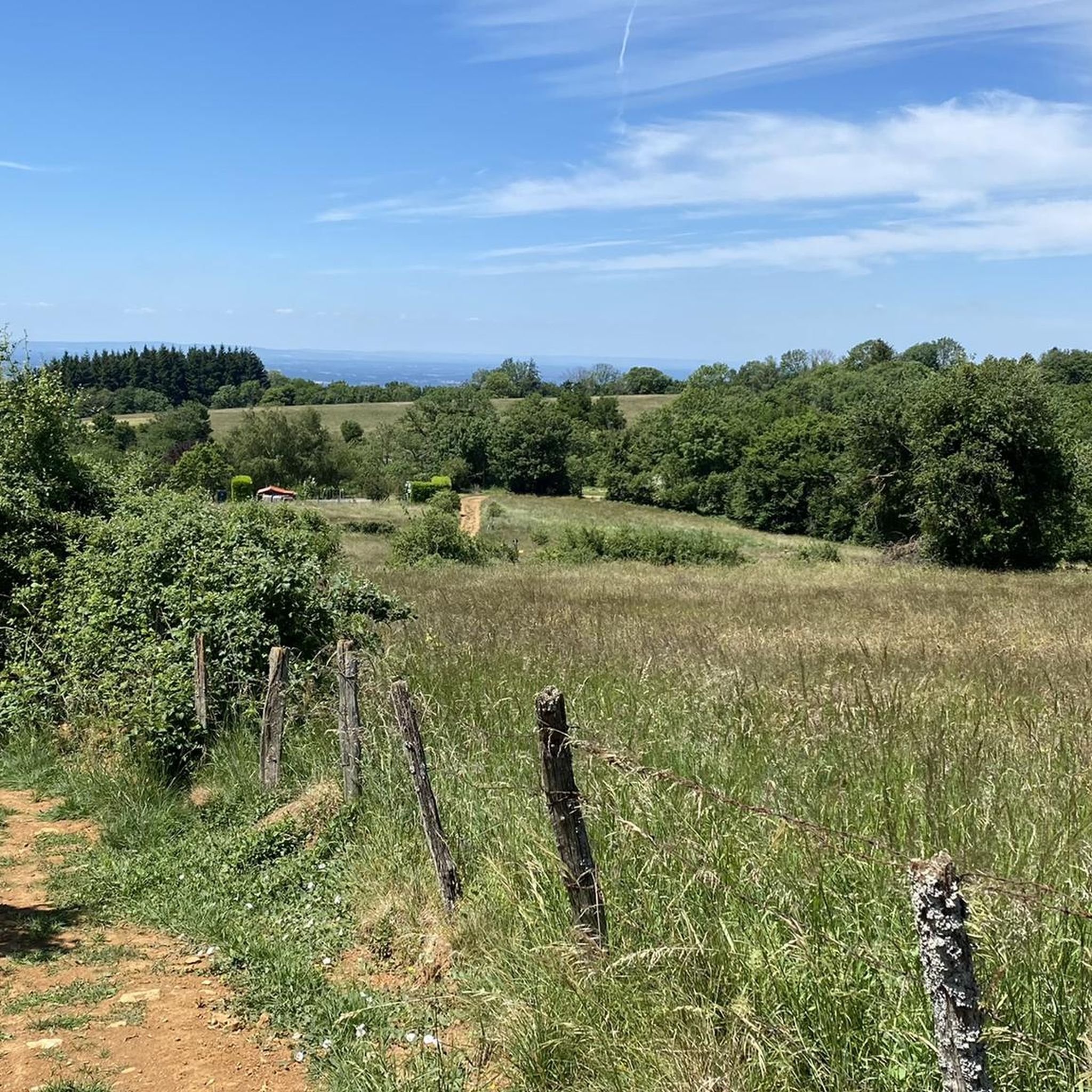
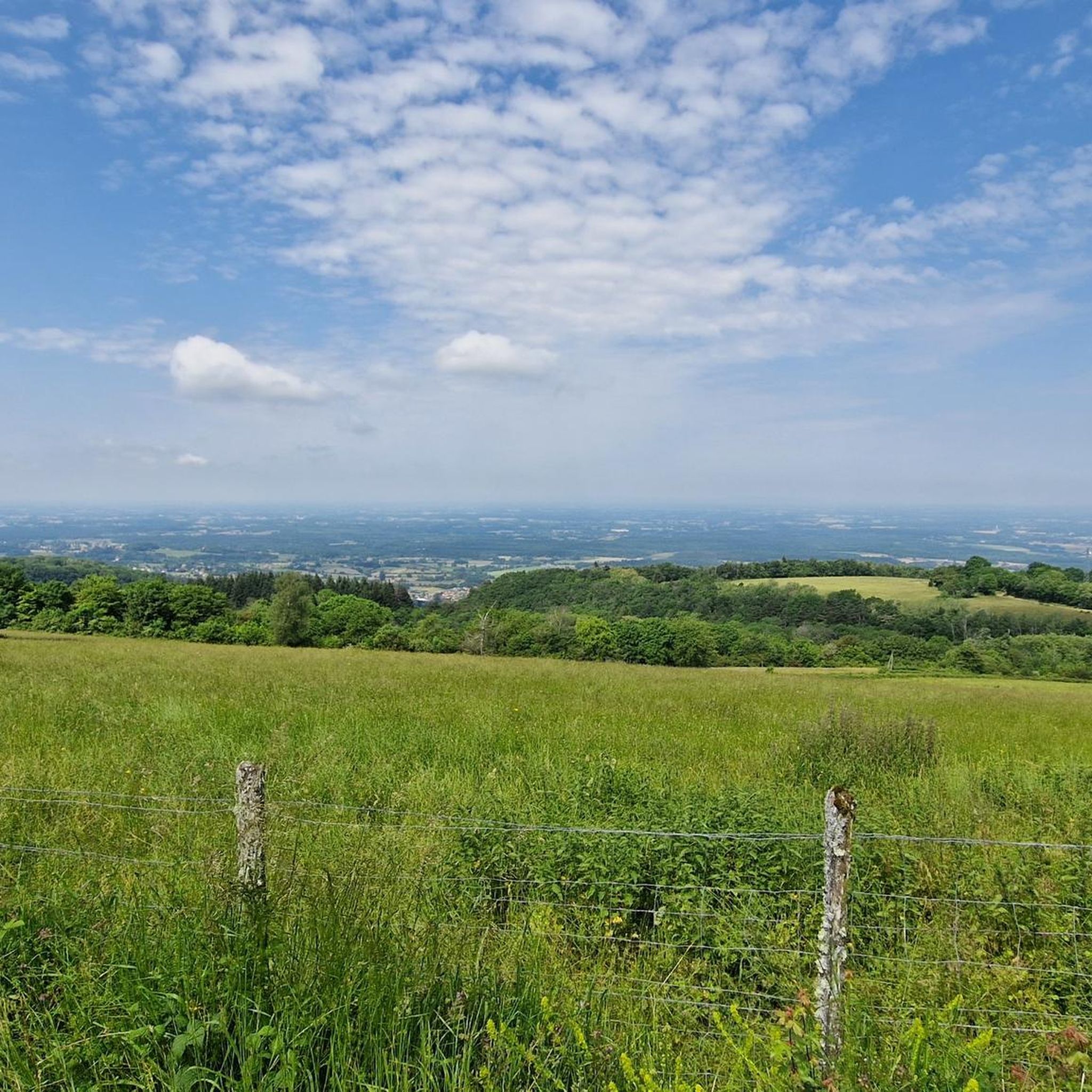
The Chanelet belvedere or Gizia cross belvedere offers superb views of the valley, the Bresse plain, and even the Côte-d'Or on a clear day.
0
0

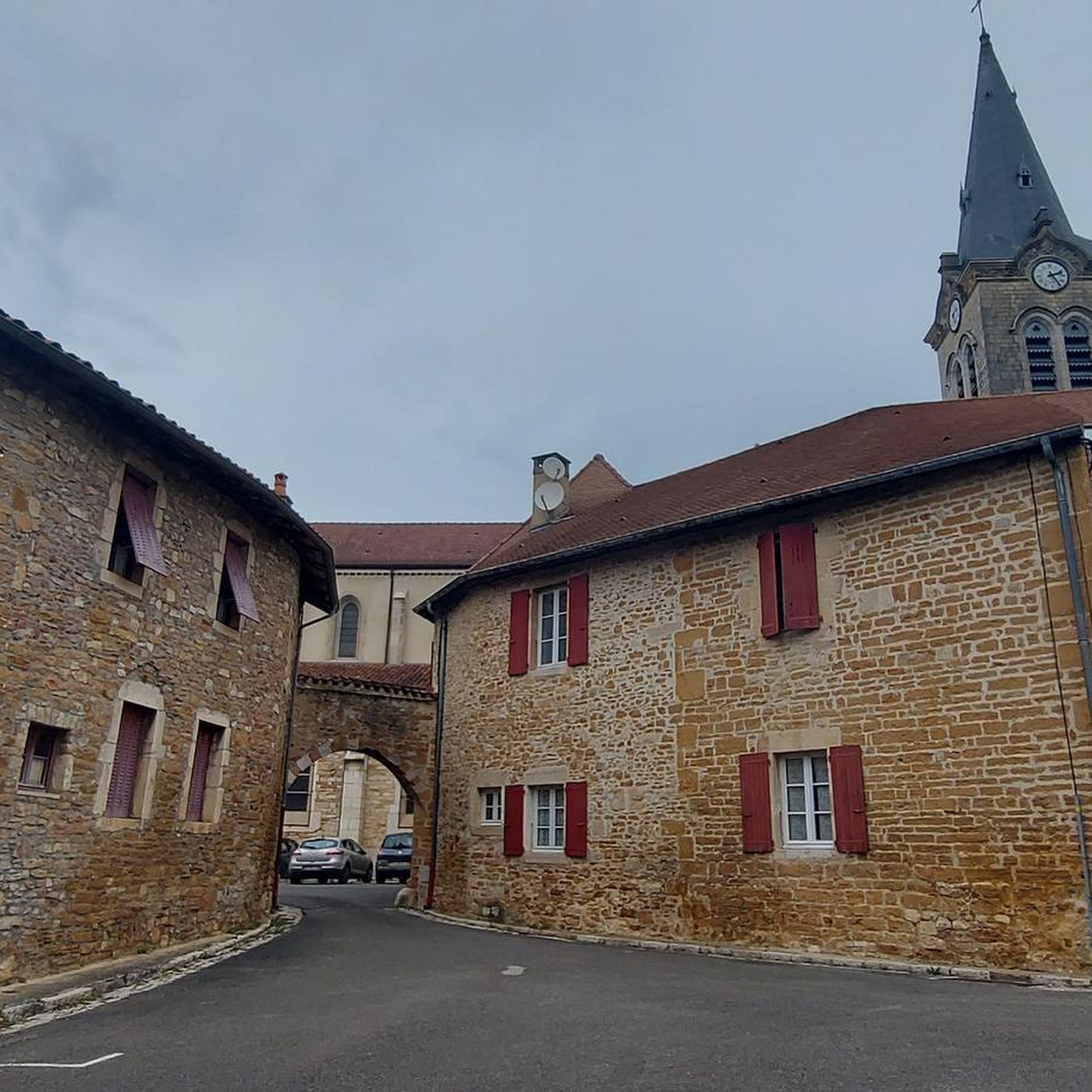
Châtel is intimately linked to the history of the Via Cluny paths. This quiet little village has housed a large religious community. Marked by the presence of the Benedictines of Gigny from 974 to 1359, Manassès III de Coligny made Châtel a Benedictine priory linked to the abbey of Gigny. The abbey of Cluny then named "the prior of Châtel", while the church of Saint-Etienne de Châtel became the seat of a vast parish.
1
0
The pretty medieval village of Cuiseaux is an ideal place for a stroll along its narrow streets and its walkway. Its remains dating from the Middle Ages testify to its past: 12th century fortified gate known as the "orchard gate", Renaissance houses with mullioned windows, castle of the Princes of Orange, watchtower house, washhouse, Saint-Thomas church with remarkable wooden stalls and its black Madonna, winegrowers' houses...
0
0
The Roman roads of Revermont make it possible to make the connection between various cities and nearby ancient agglomerations (Bourg-en-Bresse, Coligny, Lons-le-Saunier). Difficult to date and little studied, this building was the subject of a vast restoration campaign in the 1980s carried out by volunteers, which today allows us to walk in the footsteps of our ancestors. You can discover the traces left by the passage of wheels in the cobblestones and enjoy the shaded path that leads to the Montagna belvedere.
0
0
Located on the first foothills of the Jura massif, the Château de Chevreaux is perched on a promontory at an altitude of 470 metres. It already existed in 1158, and since that date several families have succeeded. In 1637, the French army completely destroyed the site. The castle is in ruins but its reconstruction is in progress thanks to the Friends of Chevreaux Châtel association. Here, you can see different craftsmen at work: stone cutters, ironworkers, blacksmiths.
0
0
Located at the end of the remote Gizia, the belvedere offers a superb view. Remember to look up, maybe you will see a peregrine falcon!
0
0
Frequently Asked Questions
What historical sites can I explore in Cuiseaux?
Cuiseaux is rich in history, featuring a well-preserved medieval town with 16th-century buildings. You can explore the 12th-century fortified gate known as the "Porte du Verger," remnants of ancient ramparts, and the historical Castle of the Princes of Orange. The town also boasts distinctive arcaded houses, particularly around the Place Puvis de Chavannes, and several 18th-century buildings like the Hôtel Puvis de Chavannes and the Old Hospital. Don't miss the Saint-Thomas Church, known for its 16th-century carved wooden stalls and a Black Madonna.
Are there any cultural attractions or museums in Cuiseaux?
Yes, Cuiseaux offers several cultural insights. You can visit the Museum Le Vigneron et sa Vigne (Winegrower and its Vine Museum), which is dedicated to the tradition of wine and vineyard work. There's also La Maison de la Mémoire Cuisellienne, a local museum preserving the town's memory. Additionally, Cuiseaux is known as the "land of painters," and you can follow the "Cuiseaux, Pays des Peintres" cultural walking route to discover sites connected to artists Edouard Vuillard and Pierre Puvis de Chavannes.
Where can I find panoramic views around Cuiseaux?
For breathtaking panoramic views, head to the Chanelet Viewpoint (also known as Gizia cross belvedere), which offers superb vistas of the valley, the Bresse plain, and even the Côte-d'Or on clear days. Another option is the Panoramic Circuit, which leads to the heights of Cuiseaux (600 m) and provides views of the Louvarel ponds, the Bressane plain, and the Mâconnais mountains. The Chevreaux Castle also offers a great view of the Bresse from its promontory.
What natural features and outdoor activities are available near Cuiseaux?
Cuiseaux is situated at the foot of the Revermont, offering beautiful promenades on trails for walkers and mountain bikers. The Louvarel Leisure Area, 6 km away, features a pond with a 3 km path for fishing and water activities, including a supervised swimming area. You can also explore the geological formation of Reculée de Montagna-le-Reconduit, visit the Cascade du Besançon waterfall, or hike Mont Charvet for views of the Suran valley.
Are there family-friendly attractions or activities in the Cuiseaux area?
Yes, several attractions are suitable for families. The medieval town of Cuiseaux itself is great for a stroll, with its historical buildings and charming streets. The Chevreaux Castle, currently undergoing reconstruction, offers an engaging historical experience where you can see craftsmen at work. The Louvarel Leisure Area provides a pond for swimming and other water activities, along with a peripheral path for easy walks, making it ideal for families.
What do visitors particularly enjoy about Cuiseaux?
Visitors appreciate the charm of the medieval town of Cuiseaux, enjoying strolls along its narrow streets and walkway. The historical elements like the fortified gate and Renaissance houses are often highlighted. The Chanelet Viewpoint is praised for its superb views of the surrounding landscape. The Chevreaux Castle is noted as a nice historical site with a great view of the Bresse.
Can I find hiking or walking routes near Cuiseaux?
Absolutely. Cuiseaux is at the heart of walking paths connecting Bresse and Jura. The Revermont area offers trails adapted for walkers. You can also explore the Ancient Roman Road of Montagna, which provides a shaded path and traces left by ancient wheels. For more detailed routes, you can find various options in the MTB Trails around Cuiseaux guide, which also includes walking-friendly sections.
Are there cycling routes around Cuiseaux?
Yes, the region around Cuiseaux is suitable for cycling. You can find numerous routes for different types of cycling. For road cycling, explore options like the "Chanelet Viewpoint – Châtel loop" or the "Chevreaux Castle – Chanelet Viewpoint loop." If you prefer more relaxed touring, routes such as the "Louvarel Pond loop" are available. Detailed routes can be found in the Road Cycling Routes around Cuiseaux and Cycling around Cuiseaux guides.
What is the best time to visit Cuiseaux for outdoor activities?
The spring and summer months are generally ideal for outdoor activities in Cuiseaux, offering pleasant weather for hiking, cycling, and exploring natural sites like the Louvarel Leisure Area. The town also hosts a biennial painting and sculpture event in September, which can be a good time to visit for cultural enthusiasts. The Revermont area is accessible for walks and mountain biking throughout much of the year, though conditions may vary seasonally.
Are there any unique or lesser-known historical sites to discover?
Beyond the main landmarks, you can explore the Ancient Roman Road of Montagna, which offers a glimpse into ancient infrastructure and leads to the Montagna belvedere. The small village of Châtel is intimately linked to the history of the Via Cluny paths and once housed a large religious community, providing a quiet historical experience.
What is the significance of Cuiseaux being the 'land of painters'?
Cuiseaux is known as the 'land of painters' due to its connection with renowned artists Edouard Vuillard and Pierre Puvis de Chavannes, who spent their childhoods there. The town celebrates this heritage with a cultural walking route called "Cuiseaux, Pays des Peintres," which guides visitors through sites relevant to these artists. Additionally, Cuiseaux hosts a biennial painting and sculpture event in September, showcasing both historical and contemporary works.
Can I find information about the local wine tradition in Cuiseaux?
Yes, Cuiseaux has a connection to wine tradition. You can visit the Museum Le Vigneron et sa Vigne (Winegrower and its Vine Museum), which is part of the Burgundy Bresse Cuiseaux museum network. This museum is dedicated to the history and work of winegrowers and vineyards in the region, offering insights into this local heritage.

Get inspired with the komoot mobile app


Explore more
Still not found the Highlight you’re looking for? See guides of the top attractions in other regions:
