Attractions and Places To See around Chevagny-Sur-Guye - Top 7
Best attractions and places to see around Chevagny-Sur-Guye include historical landmarks and natural landscapes. This small rural commune in Saône-et-Loire, France, is characterized by its tranquil setting amidst hills, woods, and the Petite Guye river. The area offers a glimpse into Burgundian heritage, with several historical sites and opportunities for exploring the bucolic scenery.
Best attractions and places to see around Chevagny-Sur-Guye
- The most popular attractions is Saint-Hippolyte Church Ruins, a religious building that was originally built in the…
Last updated: July 1, 2026
Saint-Hippolyte Church Ruins
Highlight • Religious Site
Translated by Google •
Tip by

Château de Gros Chigy
Highlight • Castle
Translated by Google •
Tip by

Sign up now to discover places like this
Get recommendations on the best single tracks, peaks, & plenty of other exciting outdoor places.
Sign up for free
Église Saint-Jean-Baptiste de Cortevaix
Highlight • Other
Translated by Google •
Tip by

La Serrée Castle
Highlight • Castle
Translated by Google •
Tip by

Saint-Quentin Chapel
Highlight • Religious Site
Showing Translation
Tip by

Sign up for free to discover even more attractions around Chevagny-Sur-Guye.
Sign up for free
Already have an account?
Start today with a free account
Your next adventure awaits.
Login or Signup


Tips from the Community

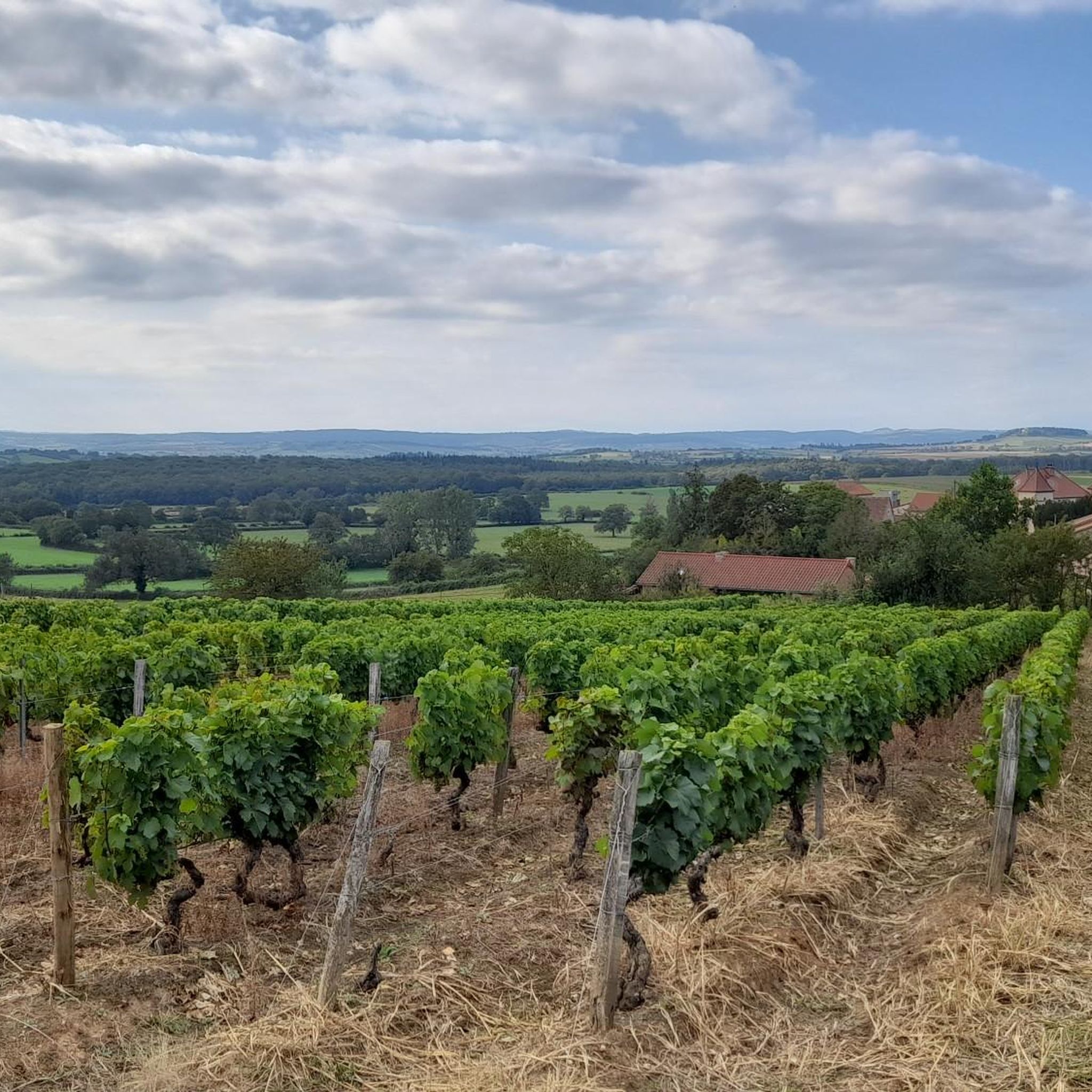
The chapel originally dates from the 12th century and was built in the Romanesque style. Due to its historical significance, it has been protected as an official Monument historique (listed building) in France since 1971. It stands elevated on a hill and offers a wide view of the Charolais landscape.
0
0
The Église Saint-Jean-Baptiste in the small French municipality of Cortevaix in the Saône-et-Loire department: The construction of the church was decided by decree in 1810 to move the religious center from the neighboring municipality of Confrançon, as the church there was in poor condition. The building was erected on the ruins of an old feudal castle. The inhabitants used the stones of the former fortress directly for its construction. The solemn consecration of the house of worship, built in the Neo-Romanesque style, took place on January 3, 1811.
1
0
The current complex was built in the 15th century, after a predecessor had been destroyed on the orders of the French king. The irregular quadrilateral encloses a central courtyard. The striking north entrance, visible in the picture, is flanked by two mighty round towers equipped with gun loops (archères-canonniers) and was formerly protected by a drawbridge. The complex has been a listed Monument historique since 1967. Parts of the castle have been restored and are privately used as a charming guest house (Le Gros Chigy Château) for travellers in Burgundy.
1
0
The ruins of the church of Saint-Hippolyte are located in the commune of Bonnay-Saint-Ythaire. The Romanesque church was built in the 11th century by the monks of the Abbey of Cluny. Fortification: In the 13th century (around 1214), the building was converted into a fortified church at the request of the monks to offer better protection. In the process, the church was partially transformed into a keep (Donjon). The building was severely damaged in the 15th and 16th centuries, and the nave of the church finally collapsed in the 18th century. Since 1913, the site has been a listed Monument historique.
1
0

With the patronage of "John the Baptist", this parish has chosen a saint who is considered a forerunner of Jesus Christ. In Christian theology, he is the voice of the voice in the desert prophesied in the Old Testament book of Isaiah: "A voice calls out: In the desert prepare the way for the Lord, make straight in the desert a highway for our God!" (Luther Bible). John is the son of Zechariah and Elizabeth, who was visited by the Mother of God Mary when she learned from the Archangel Gabriel that she herself was to give birth to Jesus Christ, and her - until then childless - relative was still pregnant in old age. The feast day of Saint Jean Baptist in the calendar of saints is June 24th.
2
0

An extraordinary vestige of the Middle Ages. The church of Saint-Hippolyte was one of the oldest fortified churches in Burgundy. It was classified as a "Historic Monument" of France in 1913. Its history and legend are palpable when you are inside the ruins.
5
0
The Saint-Jean-Baptiste church in Cortevaix is a reconstruction project by an architect from Chalon, unanimously adopted by the municipal council and the factory council, and completed in 1863.
5
0

The ruins of the Romanesque church. On September 10, 1913, the church was classified as a Historic Monument, thanks to the intervention of archaeologist Jean Virey; in 1927, the Historical Monuments consolidated its bell tower which threatened to fall. Then, the work of destruction resumes, the church being invaded by vegetation. In 2003, the commune of Bonnay became the owner of the church by buying it from an individual, for a symbolic euro.
1
0
Frequently Asked Questions
What historical landmarks can I explore in and around Chevagny-Sur-Guye?
The region is rich in history. You can visit the unique Saint-Hippolyte Church Ruins, an 11th-century church that was fortified in the Middle Ages and is now a classified Historic Monument. Other notable historical sites include Burnand Castle and Château de Gros Chigy, both offering insights into the region's past.
Are there any castles to visit near Chevagny-Sur-Guye?
Yes, there are several historical castles. Besides Burnand Castle and Château de Gros Chigy, which dates back to the 15th century, you can also discover La Serrée Castle, another 15th-century structure with a distinctive porch tower and dovecote.
What kind of outdoor activities can I do near Chevagny-Sur-Guye?
The tranquil, bucolic landscape around Chevagny-Sur-Guye is perfect for outdoor enthusiasts. You can explore numerous hiking trails through hills, woods, and hedgerows. For more structured activities, consider cycling, running, or mountain biking on the dedicated routes. Find detailed routes and guides for cycling, running, and MTB in the area.
What are the natural features of the Chevagny-Sur-Guye region?
Chevagny-Sur-Guye is nestled in a picturesque setting characterized by rolling hills, dense woods, and lush meadows. The Petite Guye river, a tributary of the Guye, flows through the village, adding to its serene natural charm. The area is ideal for observing various bird species and enjoying peaceful rural scenery.
Are there any religious buildings worth visiting in the area?
Yes, the region features several interesting religious sites. The village itself is home to the historic Saint-Antoine Church, originally Romanesque from the 12th century with 16th-century alterations and restored stained-glass windows. Additionally, you can visit the reconstructed Église Saint-Jean-Baptiste de Cortevaix, completed in 1863.
What is the best time to visit Chevagny-Sur-Guye for outdoor activities?
The region offers pleasant conditions for outdoor activities during spring, summer, and autumn. Spring brings blooming landscapes, while summer allows for longer days to explore. Autumn provides beautiful foliage. The local Foyer Rural also organizes an Ascension Day hike, which is a great way to experience the area in late spring.
What kind of cycling routes are available around Chevagny-Sur-Guye?
You'll find a variety of cycling routes, ranging from moderate to difficult, that allow you to explore the countryside. Popular options include loops from Sigy-le-Châtel to Cormatin Castle and Sainte-Marie-Madeleine Church, or routes connecting to Cluny Abbey from Salornay-sur-Guye. For more details, check the Cycling around Chevagny-Sur-Guye guide.
Are there family-friendly activities or places to stay in Chevagny-Sur-Guye?
Chevagny-Sur-Guye offers a peaceful, rural environment suitable for families seeking tranquility. The local Foyer Rural organizes various community events throughout the year, including concerts and workshops, which can be enjoyable. For accommodation, there are several rural gîtes available, including private options and a group gîte managed by the commune in the former village school.
What is the historical significance of the Chappe Telegraph Station in Chevagny-Sur-Guye?
Chevagny-Sur-Guye was historically part of the Paris-Toulon line of the Chappe telegraph system. From 1807 to 1853, it hosted one of the eleven Chappe telegraph stations in Saône-et-Loire. This aerial telegraph system was a significant communication innovation before the advent of electric telegraphy, marking the village's role in early national communication networks.
What can I expect from the local community and events in Chevagny-Sur-Guye?
Despite its small size, Chevagny-Sur-Guye has a vibrant local community. The Foyer Rural actively organizes various events throughout the year, such as concerts, poetry workshops, themed evenings, and an acclaimed summer festival. There are also local businesses, including an organic bakery, contributing to the village's charm and local life.
What are some notable attractions in the broader region surrounding Chevagny-Sur-Guye?
Beyond the immediate village, the broader Clunisois region offers significant attractions. These include the famous Cluny Abbey (a UNESCO World Heritage site), the impressive Romanesque basilica in Paray-le-Monial, and the 12th-century Tournus Abbey. For natural beauty and prehistoric interest, the Roche de Solutré and Roche de Vergisson offer spectacular panoramic views.
Most popular routes around Chevagny-Sur-Guye

Get inspired with the komoot mobile app


Explore more
Still not found the Highlight you’re looking for? See guides of the top attractions in other regions:
