Attractions and Places To See around Manin - Top 10
Best attractions and places to see around Manin, a small rural commune in the Pas-de-Calais department of France, are primarily historical and architectural sites. Located approximately 24 km west of Arras, the area offers insights into local heritage. Visitors can explore a selection of castles, churches, and unique historical pathways. The region provides a tranquil setting for discovering local landmarks.
Best attractions and places to see around Manin
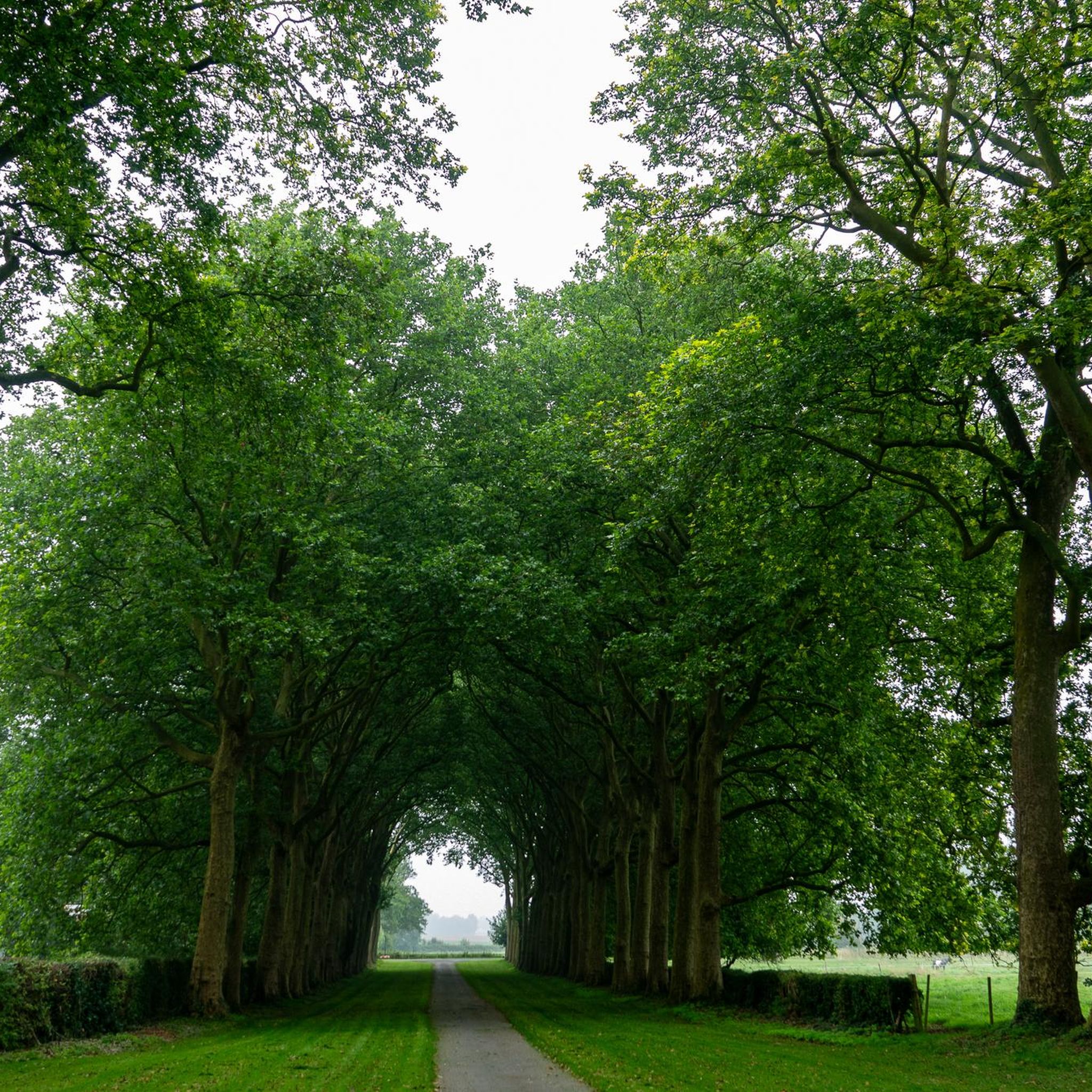
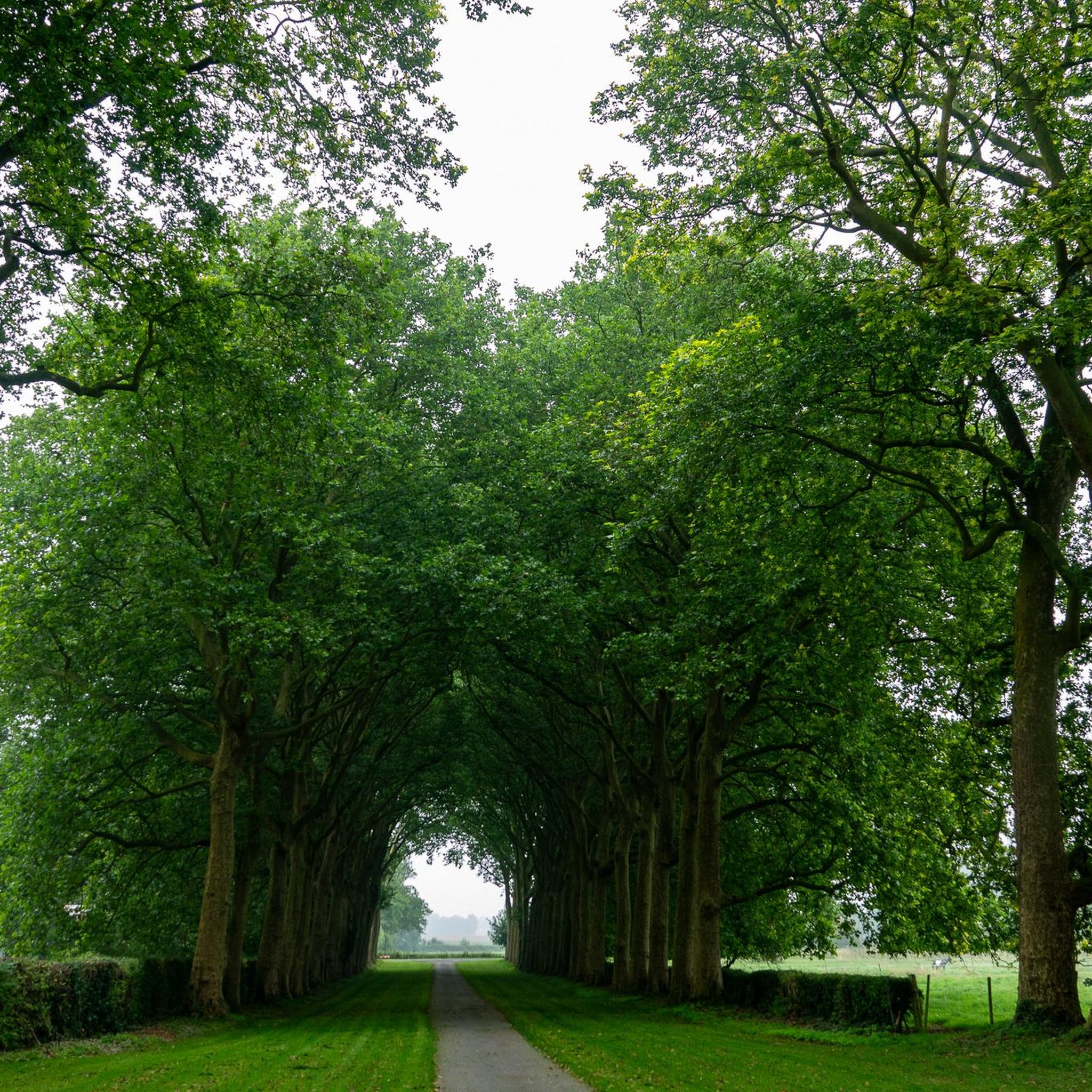
- The most popular attractions is Allée des Tilleuls, a road lined…
Last updated: July 1, 2026
Castle adjoining the church in Habarcq
Highlight • Castle
Translated by Google •
Tip by

Saint Martin Church
Highlight • Religious Site
stone construction with a sandstone base and
an 8th …
Translated by Google •
Tip by
Sign up now to discover places like this
Get recommendations on the best single tracks, peaks, & plenty of other exciting outdoor places.
Sign up for free
Château de Bavincourt
Highlight • Castle
mairie.bavincourt.fr/?page_id=304
Translated by Google •
Tip by

Château de Givenchy
Highlight • Religious Site
Translated by Google •
Tip by
Allée des Tilleuls
Highlight • Other
Translated by Google •
Tip by
Sign up for free to discover even more attractions around Manin.
Sign up for free
Already have an account?
Start today with a free account
Your next adventure awaits.
Login or Signup


Tips from the Community

Listed as a historic monument, it was built in the 15th and 16th centuries. Dominating the village is this important one stone construction with a sandstone base and an 8th century bell tower. The architecture of the ship is remarkable, especially for its vaults and chapels. The first church of Agnez, whose date of construction is unknown, was destroyed in 1475 by the French troops of Louis 12. Only the tower and the choir remain. But traces of the old ship are still visible at the foot of the tower. The 15th century bell tower was raised around 1632 and topped by a stone spire. The building was then restored between 1842 and 1845 by architect A. Grigny. The interior of the church is decorated in Gothic style. The tower has a defensive appearance, which leads us to believe that it served as a lookout post during military tensions. Indeed, we can see a crenellated balustrade at the top of the tower protecting the walkway from enemy fire. Loopholes have also been created in the front of the tower so that spectators can watch without being seen. They could also shoot their attacker from cover. To complicate and delay the siege of the church, diagonal buttresses are placed on the walls of the tower. We can also note that the tower does not have large windows that could facilitate the penetration of attackers into the church. The only openings in the tower are the abat sounds that allowed to spread the sound of the bells, used in certain cases to warn the population of an attack.
2
0
The current castle with a beautiful weathercock.
4
0
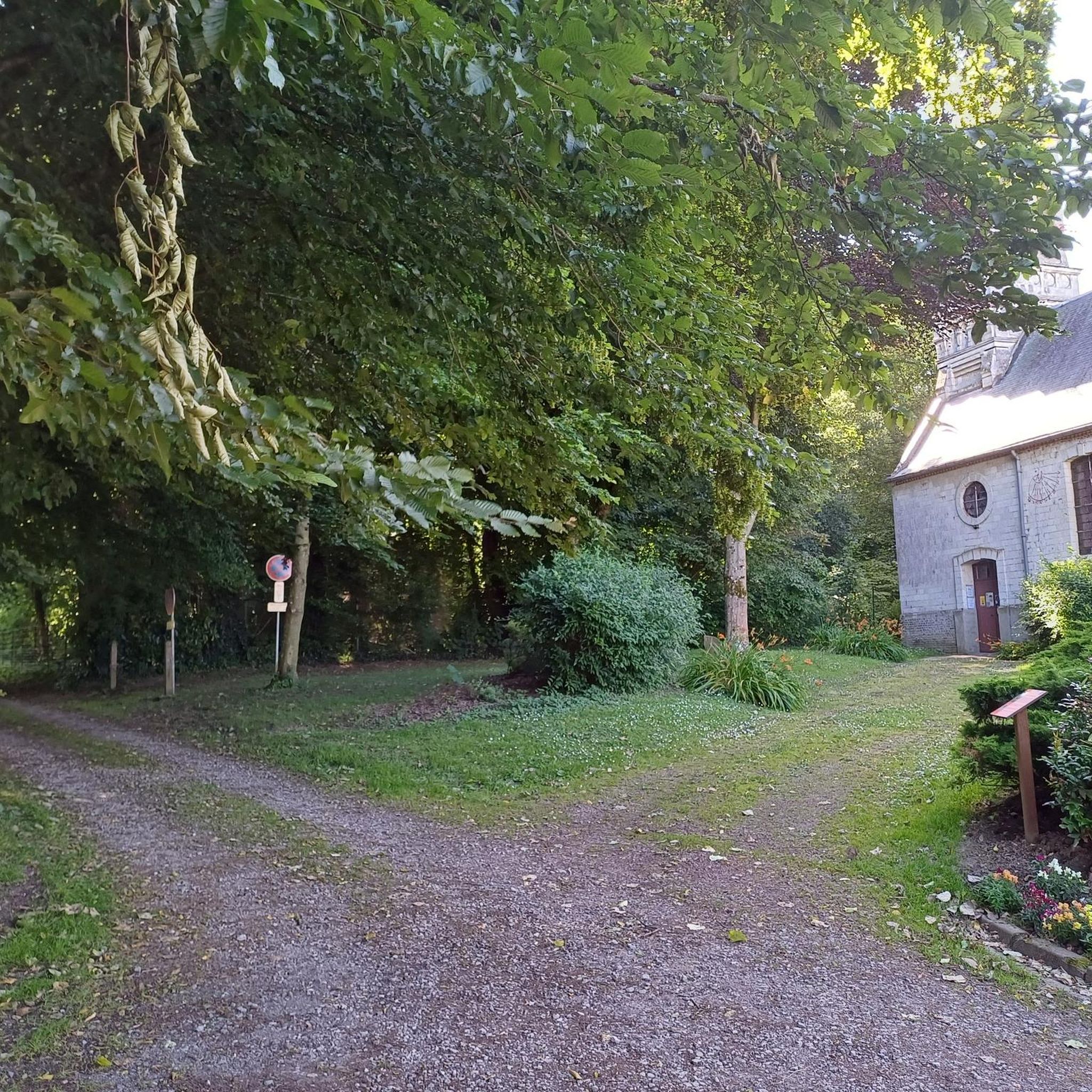
The Église Saint-Martin in Habarcq is a historic building with a rich history. It was originally built in the 13th century by Jehan de Habarcq, but was quickly destroyed and burned during the conflicts between Louis the French Revolution. The church has a number of unique features, including the fact that it was originally a chapel attached to the de Habarcq family castle. It only became a parish church in 1806. Inside the church there were windows (which are still visible) that allowed the gentlemen to attend religious ceremonies without having to move. Built in the Gothic style, the church has a number of interesting architectural features, including richly decorated windows depicting vegetative and animal motifs from the medieval bestiary. Above the first window you can see the coat of arms of the Count of Lens, lord of Habarcq. The church is located in the heart of the village and is partly hidden by its proximity to the castle. The interior is completely covered in woodwork and paneling, said to come from a cedar tree from Lebanon that once stood in the castle's park and was uprooted by a storm in 1940.
4
0
The castle adjoining the Habarcq church is a historic monument located in Habarcq. The facades and roofs of the castle are listed as historical monuments by decree of April 5, 1948. The castle is private property
4
0
The Church of St. Brigude is a church in Givenchy-le-Noble, a commune in the Pas-de-Calais department in northern France. The church dates from the eighteenth century and was built in the seventeenth century. The church is owned by the municipality and is managed by the Parish of Sainte Marie de l'Assomption. The architecture of the church is interesting, with a nave built of red bricks and a choir of chalk stone.
4
0
The Château de Givenchy-le-Noble is a castle in Givenchy-le-Noble. The castle was built in 1716 by François de Lelès, an adviser to the Aides d'Artois, whose coat of arms is visible on the pediment. The facades, roofs, entrance gate and pilasters of the castle have been partially registered as a historical monument since May 12, 1976. The castle consists of a central body with five bays and two wings, each two bays long. The central body has a forebody crowned with a little developed pediment.
4
0
Château de Bavincourt is a castle located in the commune of Bavincourt, in the Pas-de-Calais department of France. An old manor house used to stand on the site of the present castle and its motte was still there during the construction of the latter; however, not much is known about it. The current castle was built by François Deslions, nephew of Jean-Louis Deslions, canon and dean of Saint-Omer, who had inherited the lands of Bavincourt.
1
0
This is a departmental road between the Château de Lignereuil and the castle of Givenchy-le-Noble. This road, which connects the two castles, is 1800 meters long and consists of a double row of ancient lime trees listed in the inventory of historical monuments.
5
0
Frequently Asked Questions
What kind of attractions can I expect to find around Manin?
The area around Manin, a small rural commune in Pas-de-Calais, France, is rich in historical and architectural sites. You'll primarily find castles, churches, and unique historical pathways that offer insights into the local heritage. It's a tranquil setting for exploring local landmarks.
Are there any notable historical monuments or sites to visit?
Yes, several historical monuments are worth exploring. The Allée des Tilleuls, a road lined with ancient lime trees connecting two châteaux, is listed as a historical monument. You can also visit the Château de Givenchy, built in 1716, whose facades and roofs are partially registered as historical monuments. The Saint Martin Church in Agnez, dating from the 15th and 16th centuries, is also a listed historic monument.
What are some of the castles I can visit in the Manin area?
The region features several historic castles. The Château de Bavincourt is a notable castle located in the commune of Bavincourt. Additionally, the Château de Givenchy is a beautiful 18th-century structure. You can also see the Castle adjoining the church in Habarcq, which is a historic monument, though it is private property.
Are there opportunities for hiking near Manin's attractions?
Absolutely! The area offers various hiking opportunities. You can find routes like the 'Forest de Lucheux – Château de Lucheux loop' or the 'Château de Lignereuil – Allée des tilleuls loop'. For more detailed information and routes, you can explore the Hiking around Manin guide.
Can I go cycling or mountain biking around the attractions?
Yes, there are dedicated routes for both cycling and mountain biking. For mountain biking, you might enjoy routes such as the 'Barly Castle – Château de Barly loop'. If you prefer road cycling, consider the 'Château de Bavincourt – Château de Barly loop'. More options are available in the MTB Trails around Manin and Cycling around Manin guides.
What do visitors enjoy most about the attractions around Manin?
Visitors appreciate the historical significance and architectural beauty of the sites. The Allée des Tilleuls is particularly popular for its scenic beauty and historical context. The castles and churches offer a glimpse into the region's past, providing a tranquil and enriching experience.
Are there any religious buildings of historical interest?
Yes, the Saint Martin Church in Agnez is a significant religious building. Listed as a historic monument, it was constructed in the 15th and 16th centuries and features remarkable Gothic architecture, including an 8th-century bell tower and defensive elements.
Is the area around Manin suitable for a quiet, historical exploration?
Absolutely. Manin is a small rural commune, offering a tranquil setting ideal for those interested in history and architecture. The focus is on discovering local landmarks, historical pathways, and enjoying the peaceful atmosphere away from bustling tourist centers.
How can I find more information about the specific highlights mentioned?
Each highlight mentioned, such as the Allée des Tilleuls, Château de Bavincourt, and Château de Givenchy, has a dedicated page on komoot where you can find more details, photos, and tips from other visitors.
Are there any specific natural features or scenic spots to enjoy?
While the region is primarily known for its historical architecture, the Allée des Tilleuls offers a beautiful natural setting with its double row of ancient lime trees, providing a picturesque pathway between two châteaux.

Get inspired with the komoot mobile app


Explore more
Still not found the Highlight you’re looking for? See guides of the top attractions in other regions:
