The best road cycling routes around Neuville-Saint-Vaast
4.3
(431)
7,661
riders
707
rides
Road cycling routes around Neuville-Saint-Vaast traverse historical landscapes marked by World War I sites and varied terrain. The region features an extensive network of designated cycle routes, offering diverse cycling experiences. While generally not mountainous, the area includes gentle hills and open stretches, with some routes passing near natural features like the Marais de Maroeuil. This combination provides both cultural enrichment and active outdoor pursuits for road cyclists.
Best road cycling routes around Neuville-Saint-Vaast
- The most popular road cycling route…
Last updated: October 27, 2026
4.3
(9)
154
riders
53.6km
02:06
210m
210m
Moderate road ride. Good fitness required. Mostly well-paved surfaces and easy to ride.
3.5
(4)
48
riders
Easy road ride. Mostly well-paved surfaces and easy to ride.

5.0
(1)
27
riders
21.0km
00:52
110m
110m
Easy road ride. Mostly well-paved surfaces and easy to ride.
4.0
(3)
24
riders
Moderate road ride. Good fitness required. Mostly well-paved surfaces and easy to ride.
5.0
(1)
22
riders
47.9km
02:04
320m
320m
Moderate road ride. Good fitness required. Mostly well-paved surfaces and easy to ride.
Get access to more routes and recommendations from other explorers.
Already have an account?
Our route recommendations are based on thousands of hikes, rides, and runs completed by other people on komoot.
Start today with a free account
Your next adventure awaits.
Tips from the Community

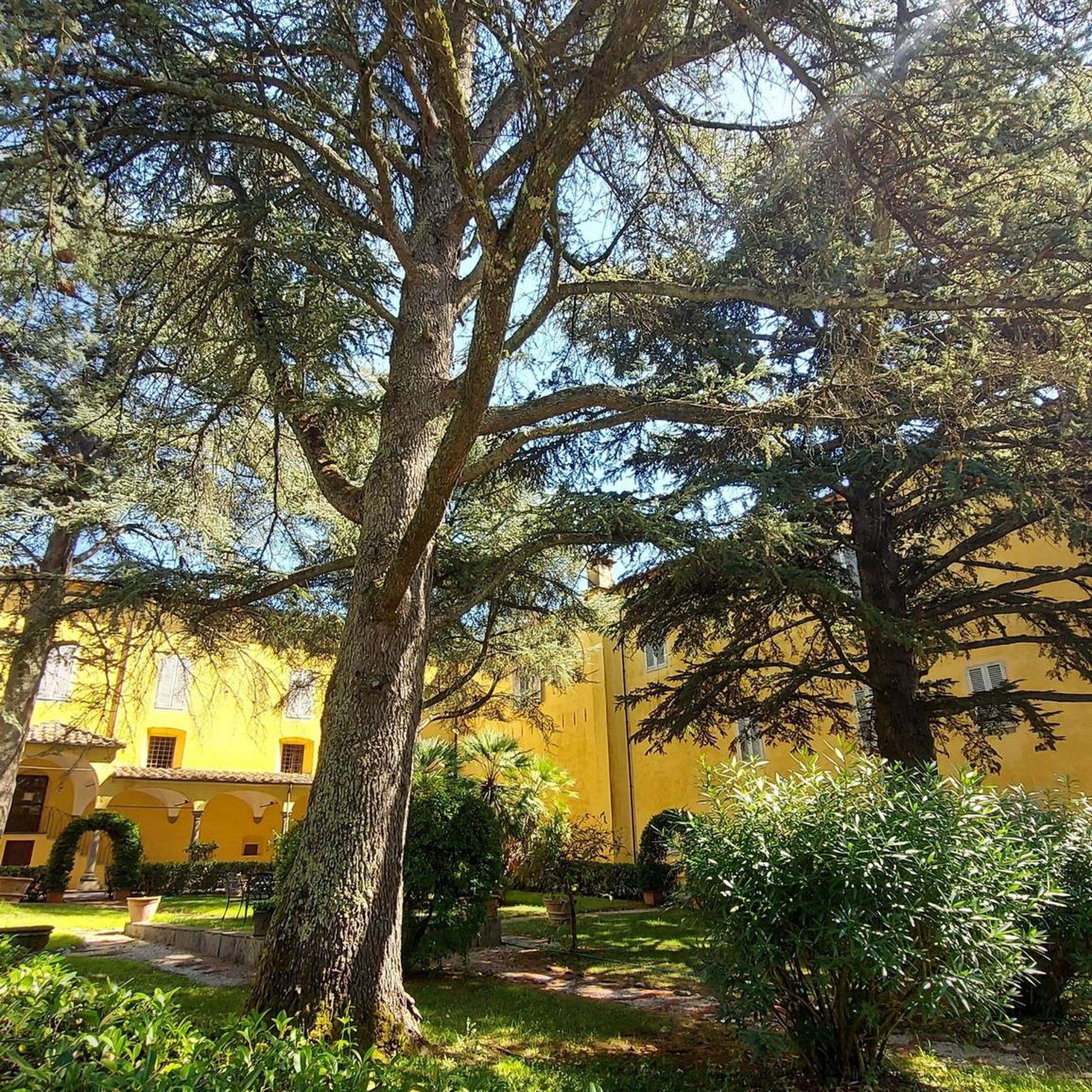
17th-century building (listed as a historic monument) in the Jesuit Baroque style, remarkable for its curved gable sculpted in ashlar, its Sacred Heart motif, and its pastel blue painted wooden door, framed by a bed of hydrangeas
0
0

Mont César rises to a height of 138 meters on the left bank of the Thérain River, near the hamlet of Froidmont, in the municipality of Bailleul-sur-Thérain, in the Oise department. The hill, which overlooks the valley and surrounding marshes, has been inhabited since the Bronze Age and was likely a Gallo-Roman oppidum on an ancient, fortified Gallic camp. Archaeological excavations carried out since the 18th century have unearthed numerous objects and remains of fortifications. During excavations conducted in 1878 by Isidore Berton, Gallic coins and various objects from the Roman period were discovered. Want to know more? Click through to the source: https://fr.wikipedia.org/wiki/Mont_C%C3%A9sar
0
0


The ruins of the old church of Ablain-Saint-Nazaire are an impressive and symbolic remnant of the First World War. This church, built in the 16th century in flamboyant Gothic style by Jacques Le Caron, was heavily damaged during the fighting in 1915. The ruins have been preserved as a monument to commemorate the horrors of war.
7
0
A remarkable story about the ruins concerns the decision not to rebuild the church after the war. Although the church had been classified as a historical monument in 1908, the Commission for Historical Monuments decided that the ruins should remain as a testimony to the German destruction. Ironically, it was the French guns that had destroyed the church, but the ruins became a symbol of the war and the reconstruction.
6
0

Bois-carré British Cemetery: This cemetery was established in April 1917 by units of the 1st Canadian Division, during the Battle of Vimy Ridge. After the Armistice, it was expanded to accommodate graves from the surrounding battlefields. Bois-carré British Cemetery contains 506 graves, including 382 of Canadian combatants and three Native American soldiers who could not be buried according to their tribal rites. On either side of the cross bearing the Sword of Sacrifice, stand two columns beneath which are grouped the remains of bodies previously buried and then exhumed by bombing raids. At the beginning of the Second World War, the cemetery was used by the 8th Casualty Clearing Station.
0
0
Zivy Crater: You are here in the center of what was once the no man's land between the trenches from which the assault of April 9, 1917, began. Fifty-three soldiers, including 50 Canadian nationals, are buried there. The same exceptional design as Lichfield Crater.
0
0

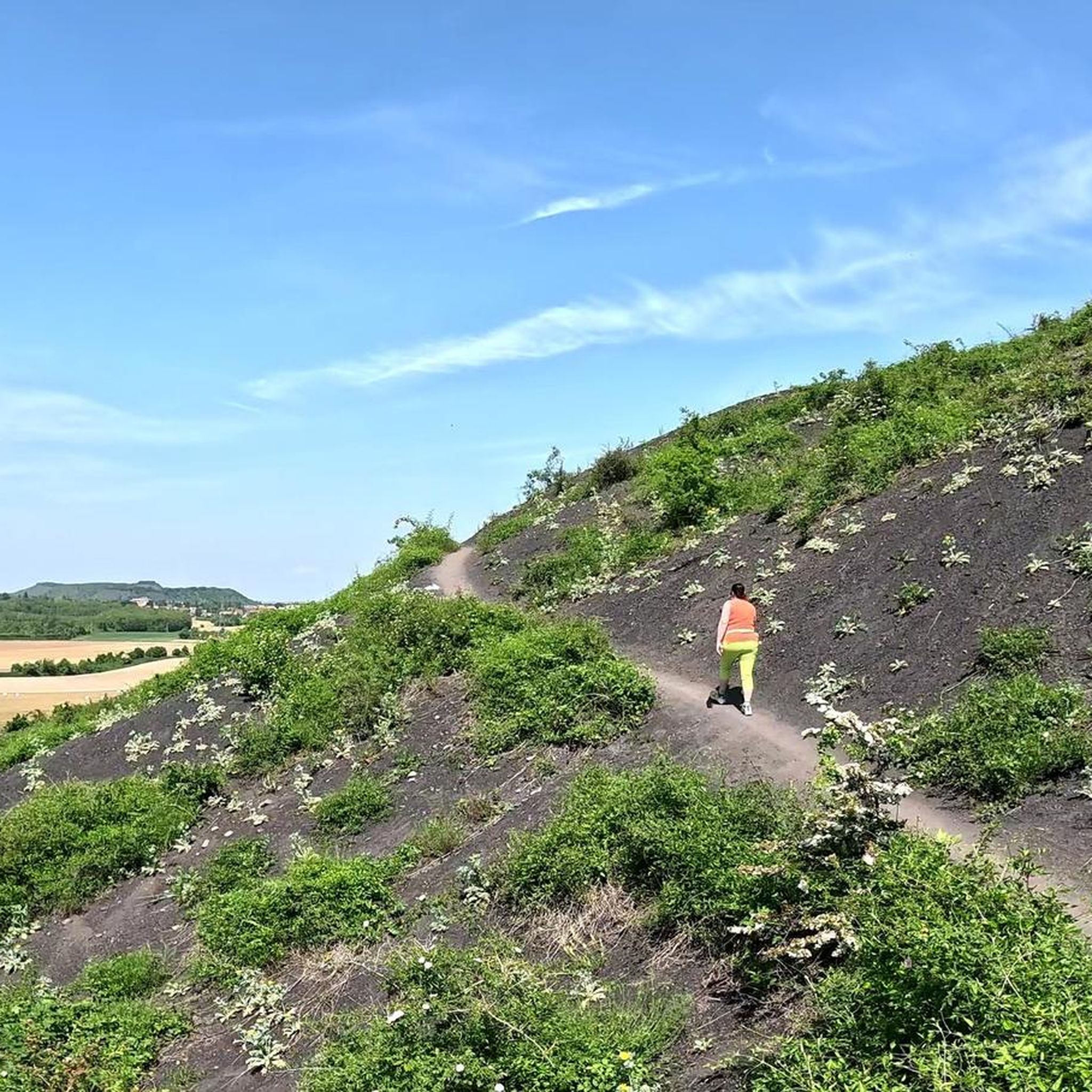
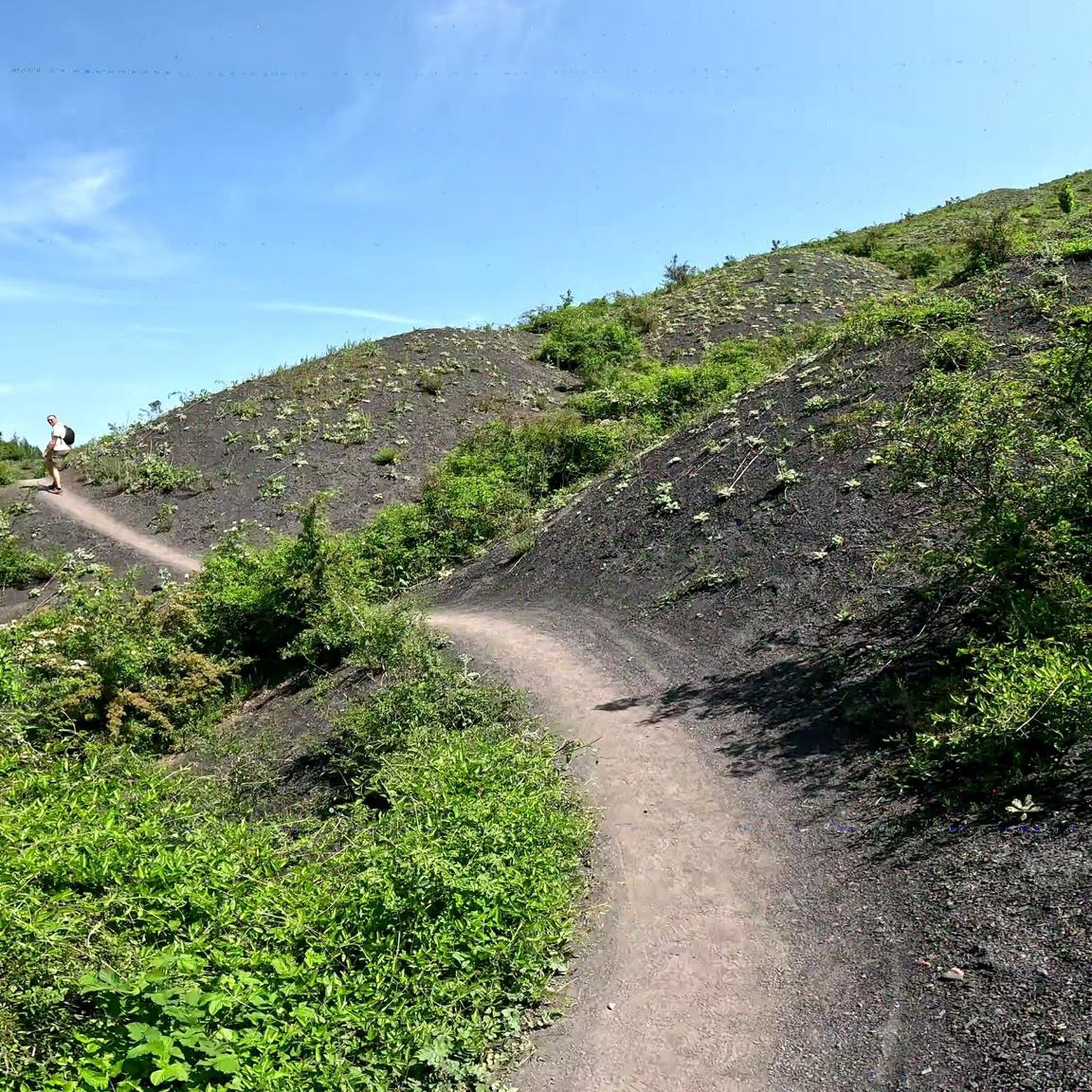
You absolutely have to see it. The climb is worth it ;-)
0
0
Frequently Asked Questions
How many road cycling routes are available around Neuville-Saint-Vaast?
There are over 700 road cycling routes in and around Neuville-Saint-Vaast, offering a wide range of options for different skill levels and preferences. This extensive network covers approximately 841 kilometers, providing ample opportunities for exploration.
What kind of terrain can I expect on road cycling routes in Neuville-Saint-Vaast?
Road cycling routes in Neuville-Saint-Vaast primarily feature historical landscapes marked by World War I sites, gentle hills, and open countryside. While generally not mountainous, the area offers varied terrain suitable for road cyclists seeking both cultural enrichment and active outdoor pursuits.
Are there road cycling routes suitable for beginners or less experienced cyclists?
Yes, Neuville-Saint-Vaast offers a good selection of routes for beginners. Approximately 150 routes are classified as easy, providing gentle ascents and manageable distances. An example of an easy route is the Vauthier Marker No. 39 – Farbus Hill loop from Thélus, which is 13.0 miles (21.0 km) long.
What historical landmarks can I see while road cycling in Neuville-Saint-Vaast?
The region is rich in World War I history. You can cycle past significant sites such as the Canadian National Vimy Memorial, the Notre-Dame-de-Lorette National Cemetery, and the ruined church of Ablain-Saint-Nazaire. Many routes, like the Zivy Crater - Thelus – Farbus Hill loop from Neuville-Saint-Vaast, incorporate these historical points of interest.
Are there any natural features or scenic viewpoints along the road cycling routes?
While the area is known for its historical sites, you can also find natural beauty. The Marais de Maroeuil, a protected swamp area with diverse flora and fauna, is just outside Neuville-Saint-Vaast. Additionally, some routes offer panoramic views, such as those near Vimy Ridge, where you can also find the Vimy Ridge Shell Craters.
What do other road cyclists enjoy the most about road cycling in Neuville-Saint-Vaast?
The road cycling routes in Neuville-Saint-Vaast are highly rated by the komoot community, with an average score of 4.3 stars from over 370 reviews. Cyclists often praise the combination of historical immersion and varied, yet manageable, terrain. The well-maintained paths and the opportunity to explore significant World War I sites are frequently highlighted.
Are there any circular road cycling routes in Neuville-Saint-Vaast?
Yes, many road cycling routes in Neuville-Saint-Vaast are designed as loops, allowing you to start and end at the same point. Examples include the Ruins of Mont-Saint-Eloi Abbey – Abbey of Mont Saint-Éloi loop from Souchez and the Place des Héros – Canadian Memorial loop from Neuville-Saint-Vaast.
What is the typical elevation gain on road cycling routes in this region?
The region is characterized by gentle hills rather than steep mountains. For example, the Zivy Crater - Thelus – Farbus Hill loop from Neuville-Saint-Vaast, a moderate 33.0-mile route, has an elevation gain of approximately 212 meters. Even longer routes tend to have moderate elevation changes, making them enjoyable for various fitness levels.
Are there family-friendly road cycling options in Neuville-Saint-Vaast?
Given the prevalence of easy and moderate routes, many paths are suitable for families, especially those with some cycling experience. The gentle terrain and historical points of interest can make for an engaging family outing. Routes with lower elevation gain and shorter distances, like the Vauthier Marker No. 39 – Farbus Hill loop from Thélus, are good starting points.
Can I find cafes or places to stop for refreshments along the road cycling routes?
While specific cafes are not detailed for every route, Neuville-Saint-Vaast and its surrounding villages offer various amenities. Many routes pass through or near small towns where you can find local establishments to stop for refreshments or a meal, especially in areas close to major historical sites.
What is the best time of year for road cycling in Neuville-Saint-Vaast?
The spring, summer, and early autumn months generally offer the most favorable conditions for road cycling in Neuville-Saint-Vaast, with milder temperatures and less precipitation. These seasons allow for comfortable exploration of the historical landscapes and natural features.
Most popular routes around Neuville-Saint-Vaast
Most popular attractions around Neuville-Saint-Vaast

Get inspired with the komoot mobile app


Explore more
Browse the best Road cycling routes in other regions.
