The best cycling routes around Sailly-En-Ostrevent
4.5
(166)
1,265
riders
173
rides
Touring cycling around Sailly-En-Ostrevent offers routes through a landscape characterized by gentle terrain, agricultural fields, and historical sites. The region features numerous ponds and greenways, providing a mix of natural and cultural points of interest. Elevation changes are generally modest, making the area suitable for various cycling abilities.
Best touring cycling routes around Sailly-En-Ostrevent
- The most popular touring cycling route is Passage between two ponds – Etangs communaux d'Arleux loop from Étaing, a 14.1 miles (22.6 km) trail that…
Last updated: July 2, 2026
4.1
(10)
25
riders
56.4km
03:47
100m
100m
Moderate bike ride. Good fitness required. Mostly paved surfaces. Suitable for all skill levels.
9
riders
33.9km
02:35
180m
180m
Hard bike ride. Good fitness required. You may need to push your bike for some segments of this route.

Sign up for free
4.7
(3)
5
riders
22.6km
01:23
110m
110m
Easy bike ride. Great for any fitness level. Mostly paved surfaces. Suitable for all skill levels.
11
riders
Moderate bike ride. Good fitness required. Mostly paved surfaces. Suitable for all skill levels.
7
riders
40.1km
02:30
230m
230m
Moderate bike ride. Good fitness required. Mostly paved surfaces. Suitable for all skill levels.
Get access to more routes and recommendations from other explorers.
Sign up for free
Already have an account?
Our route recommendations are based on thousands of hikes, rides, and runs completed by other people on komoot.
Start today with a free account
Your next adventure awaits.
Login or Signup




Tips from the Community


Gravel path providing access to the Scarpe and passing above the Petite Sensée.
0
0

Paved sector approximately 2 km long in good condition and rolling.
0
0

Passage over a bridge then at water level. Cool to do.
2
0

The Jacques Vernier Park in Douai is a green space located in the heart of the city. It offers visitors an oasis of tranquility with its manicured gardens, winding paths and peaceful pond. This park is a place of relaxation appreciated by locals and tourists, offering activities such as walking, picnicking and nature contemplation.
0
0

Today, walk to Jacques Vernier Douai Park. The park is huge, with more than 40 hectares of greenery. There are trees, flowers, lawns, ponds... It's an ideal place to recharge your batteries and relax.
0
0

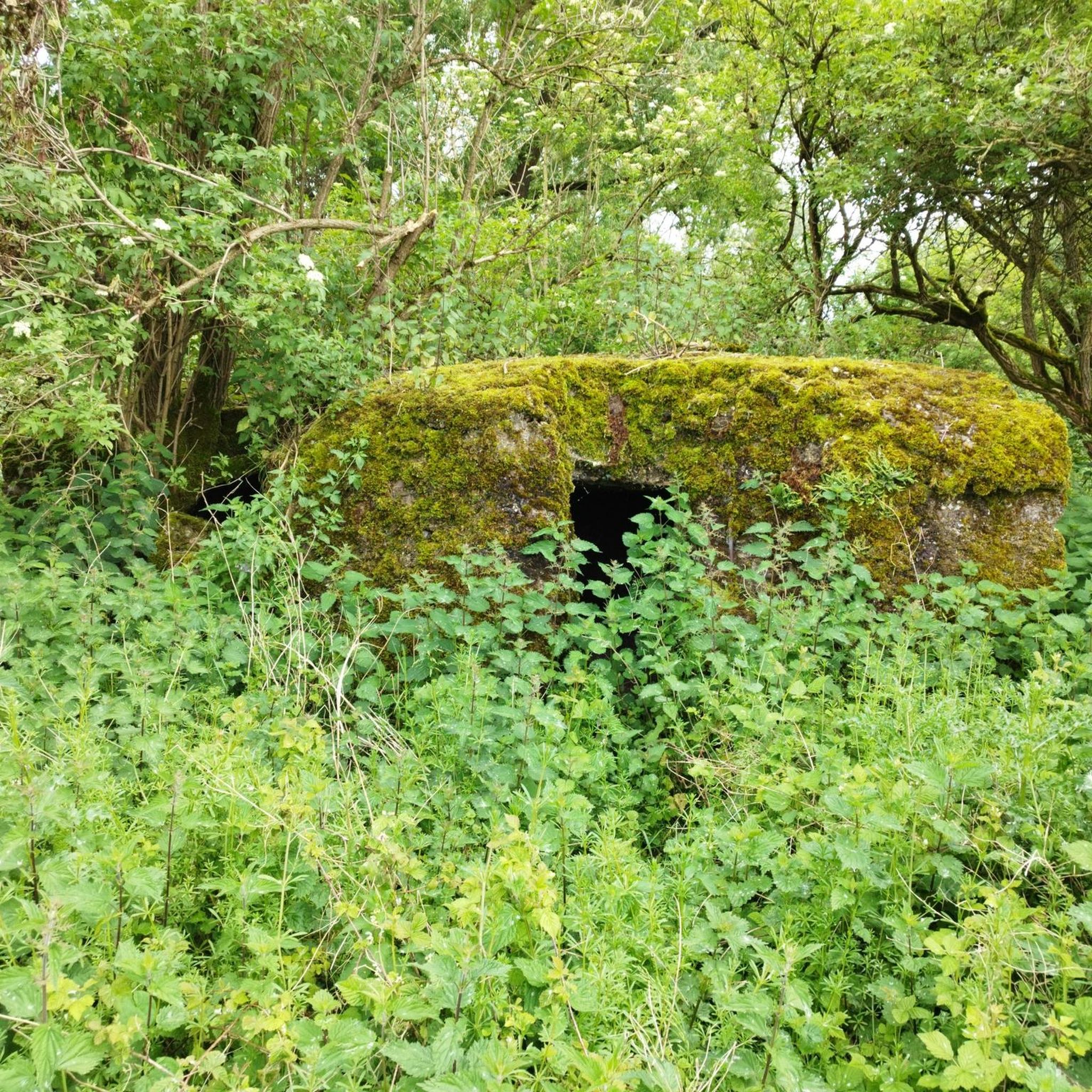
They are part of the unknown treasures of Arras and the Pays d'Artois. The various megalithic sites are good for a beautiful walk, among mysteries and legends, history and extraordinary landscapes. Set sail for the Scarpe valley and the Sensée valley, in the wake of the megaliths of the Pays d'Artois.
2
0
Frequently Asked Questions
How many touring cycling routes are available around Sailly-En-Ostrevent?
There are over 170 touring cycling routes available in the Sailly-En-Ostrevent region, offering a wide variety of options for different preferences and skill levels.
What is the general terrain like for touring cycling in this region?
The terrain around Sailly-En-Ostrevent is generally gentle, characterized by agricultural fields, greenways, and numerous ponds. Elevation changes are modest, making it suitable for various cycling abilities.
What do other touring cyclists say about the routes in Sailly-En-Ostrevent?
The routes in Sailly-En-Ostrevent are highly rated by the komoot community, with an average score of 4.6 stars from over 155 reviews. Cyclists often praise the peaceful landscapes and well-maintained paths.
Are there easy touring cycling routes suitable for beginners?
Yes, there are plenty of easy routes. Approximately 93 of the routes are classified as easy. An excellent option for beginners is the Passage between two ponds – Etangs communaux d'Arleux loop from Étaing, which is 14.1 miles (22.6 km) long and features gentle gradients.
Are there more challenging touring cycling routes in the area?
While the region is known for its gentle terrain, there are some routes that offer a bit more challenge, often due to their length. For example, the Canadian Trail – Greenway loop from Vitry-en-Artois is a moderate 28.6 miles (46 km) route with more elevation gain, providing a longer ride through varied landscapes.
Can I find circular touring cycling routes around Sailly-En-Ostrevent?
Many of the touring cycling routes in the region are designed as loops, allowing you to start and finish at the same point. An example is the Tortequesne – Passage between two ponds loop from Vitry-en-Artois, a 24.8 miles (39.8 km) circular path.
Are the touring cycling routes around Sailly-En-Ostrevent suitable for families?
Given the gentle terrain and numerous easy routes, many touring cycling paths in Sailly-En-Ostrevent are well-suited for families. The greenways and quiet agricultural roads provide a safe and enjoyable environment for cyclists of all ages.
Are there any historical sites or landmarks to see along the touring cycling routes?
Yes, the region has historical significance. You can explore sites like the Les Bonnettes or the Menhir of Lécluse or the Devil's Stone. The Wancourt British Cemetery – Croisilles loop from Haucourt specifically leads through historical areas.
What kind of natural features or wildlife can I expect to see?
The routes often pass by numerous ponds and greenways, offering opportunities to observe local birdlife and aquatic flora. The agricultural landscapes also provide a chance to see various field animals and enjoy the rural scenery.
Is parking available near the touring cycling routes?
Parking is generally available in the villages and towns that serve as starting points for many routes, such as Vitry-en-Artois or Haucourt. Look for designated parking areas or public spaces within these communities.
Are the touring cycling routes dog-friendly?
Many of the routes on greenways and quiet country roads are suitable for cycling with dogs, provided they are well-behaved and kept on a leash where necessary. Always ensure your dog is comfortable with the distance and terrain, and carry enough water for both of you.
What is the best season for touring cycling in Sailly-En-Ostrevent?
Spring and autumn generally offer the most pleasant conditions for touring cycling, with mild temperatures and beautiful scenery. Summer can also be enjoyable, but it's advisable to cycle earlier in the morning or later in the afternoon to avoid the midday heat.
Most popular routes around Sailly-En-Ostrevent
Most popular attractions around Sailly-En-Ostrevent

Get inspired with the komoot mobile app


Explore more
Browse the best Cycling routes in other regions.
