The best road cycling routes around Corbreuse
4.3
(61)
1,803
riders
377
rides
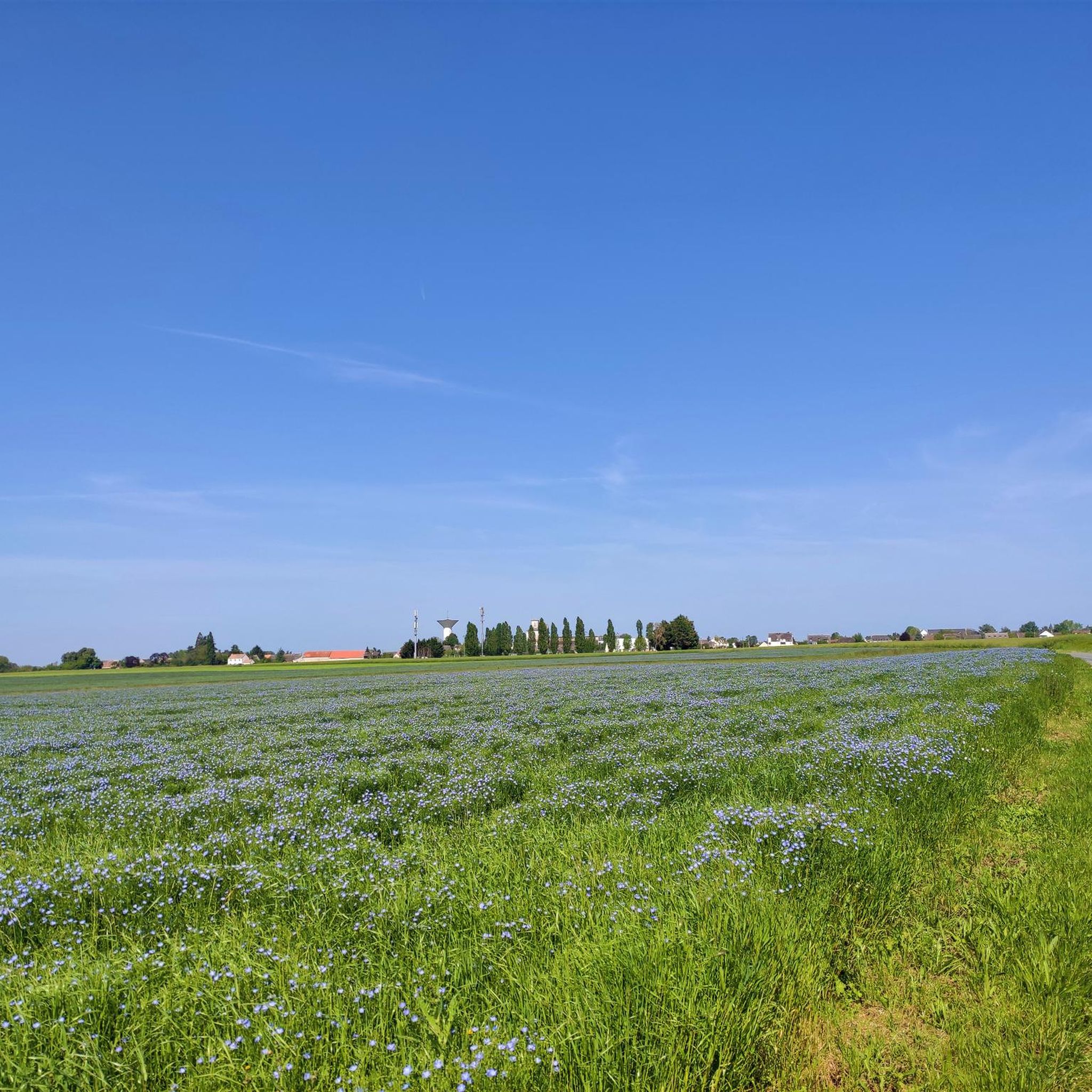
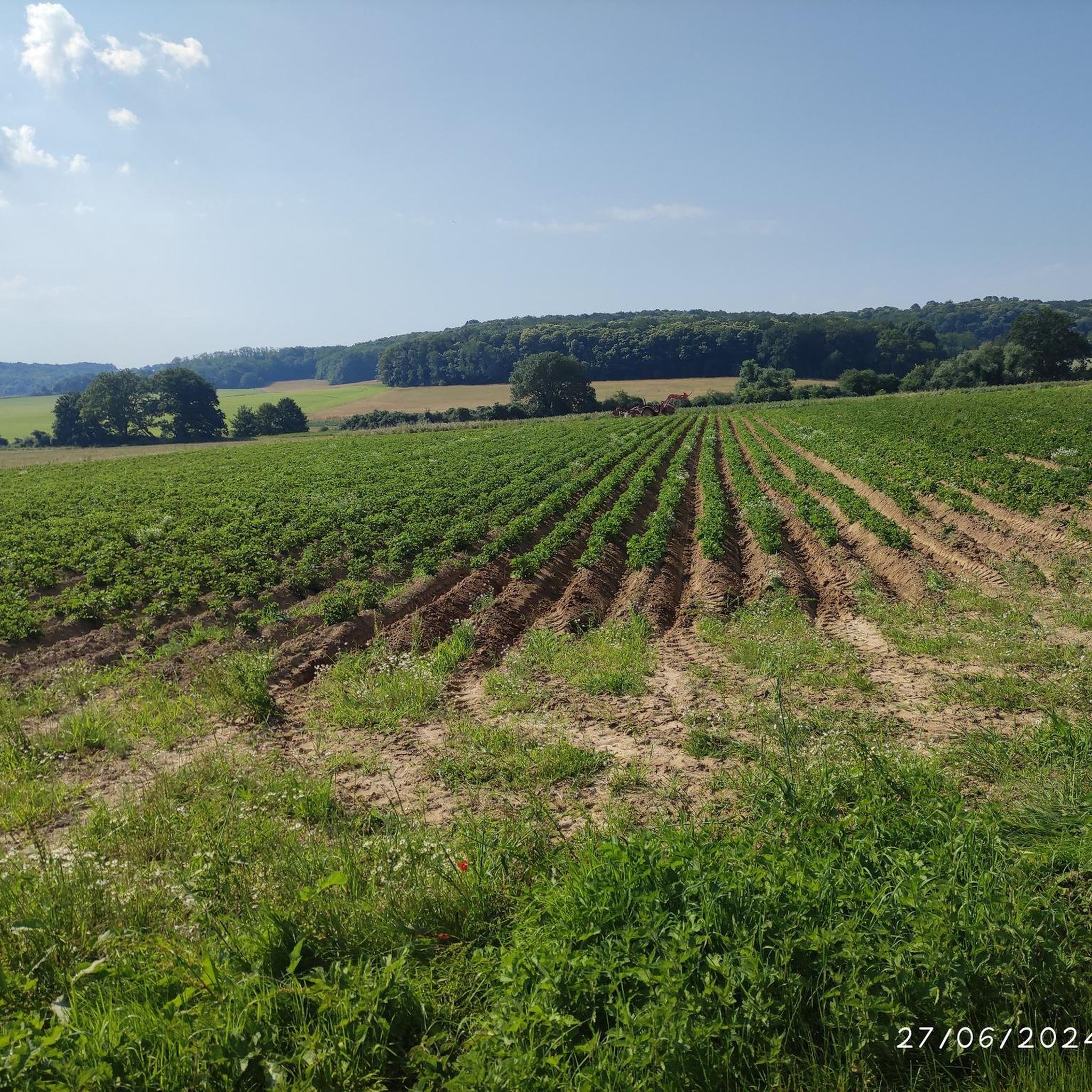
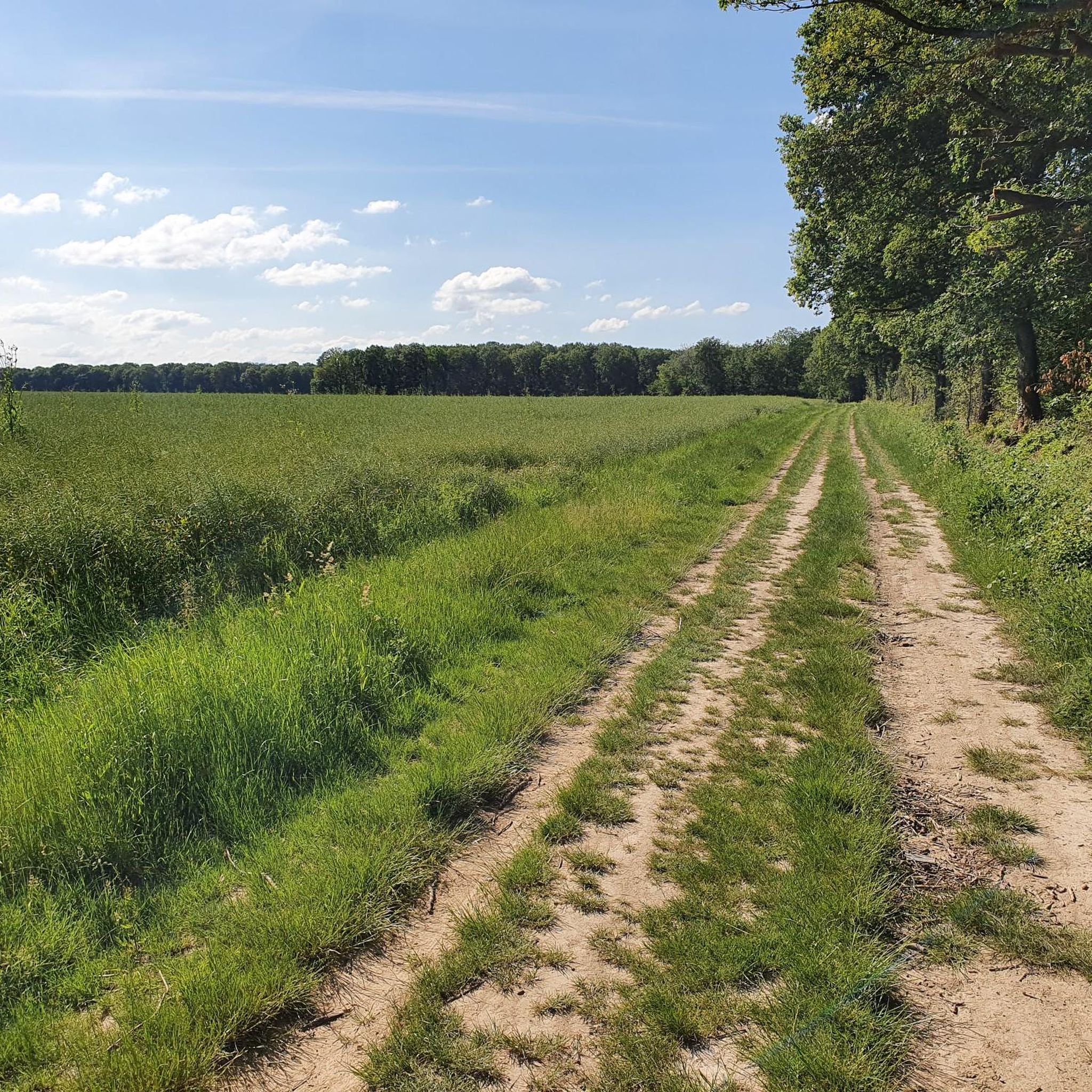
Road cycling around Corbreuse offers access to the diverse landscapes of the Haute Vallée de Chevreuse Regional Natural Park. The terrain features rolling hills, scenic valleys, and dense forests, with elevations ranging from 104 to 160 meters within Corbreuse itself. This region southwest of Paris provides a network of paved roads that undulate with the natural landscape, suitable for various cycling experiences. Agricultural plateaus and charming villages are also characteristic features of the area.
Best road cycling routes around Corbreuse
- The most popular road cycling route is Sainte-Mesme Fountain loop from Sainte-Mesme, an 8.0 miles (13.0 km) trail that takes about 30 minutes to complete. This easy route offers a pleasant loop around the Sainte-Mesme Fountain.
- Another top favourite among local road cyclists is Villeconin Castle – Villeconin loop from Richarville, an easy 20.4 miles (32.8 km) path. This route passes by Villeconin Castle, offering scenic views of the surrounding countryside.
- Local road cyclists also love the Medieval town of Dourdan – Château de Dourdan loop from Richarville, a 20.1 miles (32.3 km) trail leading through the medieval town of Dourdan and its castle, often completed in about 1 hour 20 minutes.
- Road cycling around Corbreuse is defined by rolling hills, scenic valleys, and dense forests. The network offers options for different ability levels, from easy loops to more challenging ascents.
- The routes in Corbreuse are highly rated by the komoot community with an average score of 4.4 stars from over 60 reviews. More than 1,800 road cyclists have used komoot to explore Corbreuse's varied terrain.
Last updated: June 28, 2026
5.0
(1)
15
riders
13.0km
00:33
80m
80m
Easy road ride. Great for any fitness level. Mostly well-paved surfaces and easy to ride.
4.0
(2)
9
riders
32.4km
01:22
210m
210m
Easy road ride. Great for any fitness level. Mostly well-paved surfaces and easy to ride.

Sign up for free
7
riders
43.4km
01:45
120m
120m
Easy road ride. Great for any fitness level. Mostly well-paved surfaces and easy to ride.
4.0
(2)
6
riders
23.8km
00:59
130m
130m
Easy road ride. Great for any fitness level. Mostly well-paved surfaces and easy to ride.
6
riders
34.4km
01:30
300m
300m
Moderate road ride. Good fitness required. Mostly well-paved surfaces and easy to ride.
Get access to more routes and recommendations from other explorers.
Sign up for free
Already have an account?
Our route recommendations are based on thousands of hikes, rides, and runs completed by other people on komoot.
Start today with a free account
Your next adventure awaits.
Login or Signup


Tips from the Community

Attached to the castle, the 13th-century church was burned down in the 15th century. Rebuilt, it was consecrated in 1539. The lords of Oysonville could pass from the castle to the church through a door opening onto a platform at the back of the church without mixing with the people. The altarpiece, the churchwarden's pew and the pulpit are from the 18th century. In the 19th century, the paneling of the nave was replaced by a plaster vault. Many tombstones are visible.
0
0
The tower of the church of Sainville, as well as the choir and the first three bays of the main nave, are in the Transitional Romanesque style from the end of the 12th century; the rest of the main nave and the side aisles appear to date only from the 15th century. The bell tower contains three bells. The largest, listed as a historic monument, is engraved with a quatrain: "Founded smokes all new I am the Patron of Sainville, I bear the name of St. Peter. In the year 1014. XLIX." (1549) The second, from 1821, bears this inscription: "Blessed be the Lord God of Israel, for he has visited and redeemed his people." Gospel of Saint Luke, chapter 1, verse 68. The third is located above the other two.
0
0

During the French Revolution, the church was converted into a "Temple of Victorious Reason" and later served as a prison until 1795.
2
0
A Catholic parish church dedicated to Saint Germain of Auxerre, positioned in the town center facing the castle on Place du Général-de-Gaulle. Construction began in 1150 under the canons of Saint-Chéron and was completed in the 12th century, though the building endured significant damage during the Hundred Years' War and Wars of Religion before being restored. The church has been classified as a historical monument since 1967 and measures fifty meters in length with its north spire reaching fifty meters in height.
2
0
The fortress once held up to 300 prisoners simultaneously, as recorded in revolutionary period prison registers when it served as a royal prison.
3
0
Dourdan Castle is a 13th-century fortress built by King Philip Augustus between 1220-1222, representing the pinnacle of "Philippian" military architecture with its square plan, defensive towers, and isolated donjon. The castle holds significant historical importance as the birthplace of Hugh Capet, the first Capetian king of France, whose father built an earlier wooden fortress on the site. Throughout its history, the castle served various roles including royal residence, hunting lodge, prison, and military barracks before being restored as a historical monument in 1964.
3
0

Great castle. A small collaborative cafe has opened right next door. You have to check the opening hours.
0
0

Nice surprise despite the D+. It's super pretty but not too much to enjoy it just enough.
0
0
Frequently Asked Questions
How many road cycling routes are available around Corbreuse?
There are over 380 road cycling routes around Corbreuse, offering a wide range of options for different skill levels and preferences. These routes explore the diverse landscapes of the Haute Vallée de Chevreuse Regional Natural Park.
What kind of terrain can I expect when road cycling near Corbreuse?
The region around Corbreuse, particularly within the Haute Vallée de Chevreuse Regional Natural Park, features undulating terrain with rolling hills, scenic valleys, and dense forests. You'll find a mix of paved roads that 'roll with the landscape,' agricultural plateaus, and charming villages, providing a dynamic riding experience.
Are there challenging climbs for experienced road cyclists in the area?
Yes, the Haute Vallée de Chevreuse Regional Natural Park is known for its challenging climbs. Experienced riders can test their limits on ascents like the famous 'côte des 17 tournants' (17 hairpin bends), the '7 hairpins,' and the steep 'wall of Milon-la-Chapelle,' some of which have even been featured in the Tour de France.
Are there any easy road cycling routes suitable for beginners or families?
Absolutely. The area offers numerous easy road cycling routes perfect for beginners or families. For example, the Sainte-Mesme Fountain loop from Sainte-Mesme is an easy 8-mile (13 km) trail. Another great option is the Villeconin Castle – Villeconin loop from Richarville, an easy 20.4-mile (32.8 km) path with scenic views.
What interesting landmarks or historical sites can I see along the road cycling routes?
The region is rich in historical sites. You can cycle past medieval castles such as the Château de Dourdan, which is featured on the Medieval town of Dourdan – Château de Dourdan loop from Richarville. Other notable attractions in the wider area include the Château de La Madeleine, the castles of Breteuil and Rambouillet, and ancient abbeys like Vaux-de-Cernay.
What do other road cyclists enjoy most about cycling in Corbreuse?
The road cycling routes around Corbreuse are highly rated by the komoot community, with an average score of 4.4 stars from over 60 reviews. Cyclists often praise the diverse terrain, from rolling hills and dense forests to charming villages, and the well-maintained paved roads that make for an engaging ride.
Are there any loop routes for road cycling near Corbreuse?
Yes, many road cycling routes in the Corbreuse area are designed as loops, allowing you to start and finish at the same point. Examples include the Sainte-Mesme Fountain loop from Sainte-Mesme and the Saint Peter's Church – Musée Eugène Farcot loop from Corbreuse, which offers a longer ride.
What is the best time of year for road cycling around Corbreuse?
The region is generally pleasant for road cycling from spring through autumn. Spring brings blooming agricultural plateaus, while autumn offers beautiful foliage in the dense forests. Summers are also suitable, though it's always wise to check local weather forecasts for optimal conditions.
Can I find places to eat or stay near the cycling routes?
Yes, the charming villages within the Haute Vallée de Chevreuse Regional Natural Park and towns like Dourdan offer various options for cafes, pubs, and accommodation. These spots provide opportunities to refuel and relax during or after your ride.
Are there any specific rules or considerations for cycling with dogs in this region?
While the Haute Vallée de Chevreuse Regional Natural Park is a natural haven, specific rules regarding dogs on cycling paths can vary. It's generally recommended to keep dogs on a leash, especially in protected areas or near wildlife. Always check local signage or park regulations for the most current information.
How can I access the road cycling routes around Corbreuse using public transport?
Corbreuse is located southwest of Paris, and while direct public transport options to Corbreuse itself might be limited for bikes, the wider Haute Vallée de Chevreuse region is accessible via RER B and C lines from Paris, which often allow bikes during off-peak hours. From these stations, you can cycle to Corbreuse or other starting points within the park. Always verify bike policies with the specific transport operator.
Where can I find parking for cyclists near the starting points of routes?
Many villages and towns within the Haute Vallée de Chevreuse Regional Natural Park, including Corbreuse itself, offer public parking areas. For example, the Ponds of Chitries in Corbreuse are equipped with picnic tables and benches, and often have nearby parking suitable for starting a ride. Larger towns like Dourdan also provide ample parking facilities.
Most popular attractions around Corbreuse

Get inspired with the komoot mobile app


Explore more
Browse the best Road cycling routes in other regions.
