Attractions and Places To See around Villers-Lès-Cagnicourt - Top 20
Best attractions and places to see around Villers-Lès-Cagnicourt include historical landmarks, natural sites, and cultural points of interest in the Pas-de-Calais department of northern France. This small commune is situated approximately 24 km southeast of Arras and 16 km northwest of Cambrai. The surrounding area features an agricultural landscape with farmland and small towns, alongside significant megalithic sites.
Best attractions and places to see around Villers-Lès-Cagnicourt
- The most popular attractions is Les Bonnettes, a site known for its stone…
Last updated: July 6, 2026
Les Bonnettes
Highlight • Other
Translated by Google •
Tip by

The Menhir of Lécluse or the Devil's Stone
Highlight • Summit
Translated by Google •
Tip by

Sign up now to discover places like this
Get recommendations on the best single tracks, peaks, & plenty of other exciting outdoor places.
Sign up for free
The Big Rock
Highlight • Historical Site
Be careful, the place is very swampy and it is more easily accessible in dry weather 😉.
Translated by Google •
Tip by

the stone that grows
Highlight • Historical Site
Translated by Google •
Tip by
Hamel Dolmen or the Sorcerers' Kitchen (Pierre Chavatte)
Highlight • Natural
Connu aussi sous le nom de « Pierre-aux-savates » ou « Cuisine des Sorciers », le dolmen du Bois …
Tip by

Sign up for free to discover even more attractions around Villers-Lès-Cagnicourt.
Sign up for free
Already have an account?
Start today with a free account
Your next adventure awaits.
Login or Signup




Tips from the Community

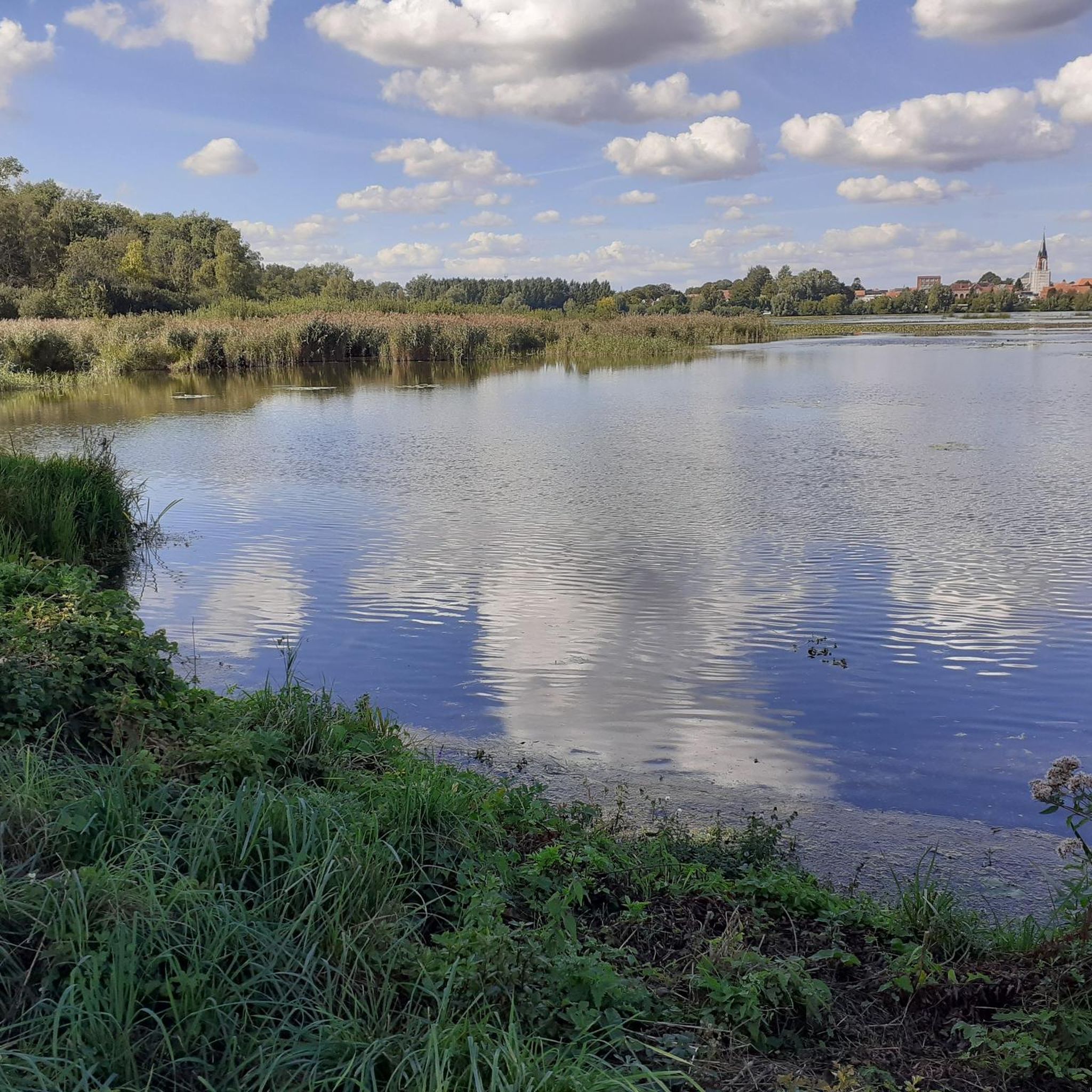
The menhir is located in the marsh of Aubigny-au-Bac, on a footpath leading to Brunémont. It is a block of Landenian sandstone 2.90 m high (including 1.48 m above ground) by 2.15 m wide and 0.70 m thick. It is said to have been sunk to about 2.40 m. Shaped like a horse's head, it is associated with a prehistoric megalith despite the absence of evidence.
0
0

The Seven Bonnettes are a fascinating megalithic site, surrounded by legends and mysteries. Located in a picturesque valley, this 75 meter high mound is crowned with standing stones forming a crown. According to legend, these stones represent six young girls and a musician, transformed into statues by Heaven for having danced instead of attending vespers.
1
0

not highlighted enough. But it’s a komoot must-have now 🥳
0
0

They are part of the unknown treasures of Arras and the Pays d'Artois. The various megalithic sites are good for a beautiful walk, among mysteries and legends, history and extraordinary landscapes. Set sail for the Scarpe valley and the Sensée valley, in the wake of the megaliths of the Pays d'Artois.
2
0
Small mythical location. The stone pillars on top have already made many passers-by think. They are part of the unknown treasures of Arras and the Pays d'Artois. The various megalithic sites are good for a beautiful walk, among mysteries and legends, history and extraordinary landscapes. Set sail for the Scarpe valley and the Sensée valley, in the wake of the megaliths of the Pays d'Artois.
1
0

The story goes that once the people of the country showed the scratches produced, according to legend, by the claws of the demon when he seized the stone. Streaks do indeed appear on two sides of the menhir… But are they the same as before or do they come from the destruction of the stone in 1918
2
0

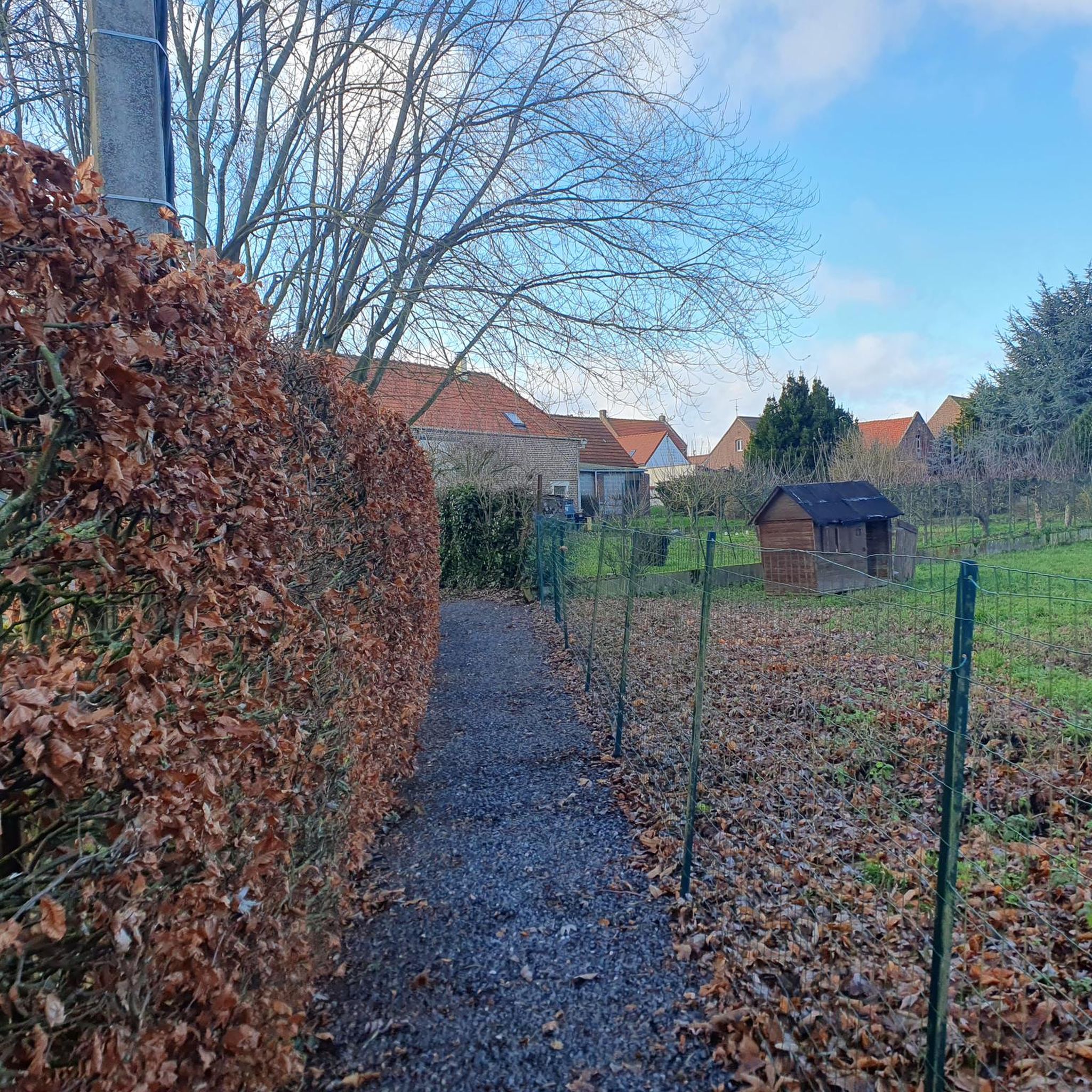
Menhir to discover. A descriptive panel is present at the parking lot of the site. Access is by a grassy path, not dented, practicable.
1
0
Menhir part of the local history to discover. Be careful, the place is very swampy and it is more easily accessible in dry weather 😉.
1
0
Frequently Asked Questions
What historical landmarks can I explore near Villers-Lès-Cagnicourt?
The area is rich in historical sites, particularly megalithic monuments. You can visit Les Bonnettes, known for its stone pillars and local legends. Another significant site is The Menhir of Lécluse or the Devil's Stone, the tallest menhir in the region with fascinating folklore. Don't miss The Big Rock, a menhir located in marshy terrain, and the intriguing the stone that grows. Further afield, the cities of Arras and Cambrai offer UNESCO-listed belfries and other historical points of interest.
Are there any natural features or reserves to visit around Villers-Lès-Cagnicourt?
While the immediate area is characterized by agricultural landscapes, there are several regional nature reserves within a short distance. These include the Réserve naturelle régionale du Marais de Wagnonville, the Réserve naturelle régionale de la Tourbière de Vred, and the Réserve naturelle régionale du Pré des Nonnettes, offering opportunities to experience local natural beauty.
What outdoor activities can I do near Villers-Lès-Cagnicourt?
The region offers various outdoor activities. You can find numerous routes for hiking, running, and gravel biking. For hiking, explore trails like the 'Around the Ponds – Rumaucourt marsh loop' or the 'Hiking loop from Quéant'. Running enthusiasts can try the 'Menhir loop from Éterpigny'. Gravel biking options include 'The Scarpe by bike' routes. You can find more details and routes on the respective guides for hiking, running, and gravel biking around Villers-Lès-Cagnicourt.
Are there family-friendly attractions in the area?
Yes, several of the megalithic sites are considered family-friendly. The Menhir of Lécluse or the Devil's Stone and the stone that grows are both categorized as family-friendly, offering an engaging way to explore history and local legends with children.
What are some unique or 'hidden gem' attractions in Villers-Lès-Cagnicourt?
The megalithic sites themselves can be considered hidden gems, offering a blend of history, mystery, and natural beauty away from more crowded tourist spots. Les Bonnettes, with its stone pillars and local legends, is described as one of the 'unknown treasures of Arras and the Pays d'Artois'. The Hamel Dolmen or the Sorcerers' Kitchen is another unique ancient site with intriguing local traditions.
What do visitors enjoy most about the attractions around Villers-Lès-Cagnicourt?
Visitors particularly appreciate the blend of mystery, history, and natural landscapes offered by the megalithic sites. The local legends surrounding places like The Menhir of Lécluse and The Big Rock add an engaging dimension to exploration. The sites are often seen as perfect for a beautiful walk, offering a sense of discovery among extraordinary landscapes.
Are there any easy walking trails suitable for beginners or families?
Yes, for easy walking, you can explore routes like the 'Rumaucourt marsh loop from Écourt-Saint-Quentin', which is 4.8 km long and rated as easy. Another easy option is the 'Étang de Wargnies-le-Grand – Rumaucourt marsh loop from Écourt-Saint-Quentin', spanning 7.5 km. These trails are generally suitable for beginners and families looking for a relaxed outdoor experience.
What is the significance of the megalithic sites in this region?
The megalithic sites, such as The Menhir of Lécluse and The Big Rock, date back to the Neolithic period (between 5000 and 2500 BC). They are classified as historical monuments and are deeply intertwined with local history and folklore, often featuring legends involving the devil or other mythical figures. They represent ancient human activity and cultural beliefs in the area.
Can I find any World War I historical sites nearby?
Yes, the region has significant World War I history. The Menhir of Lécluse itself was affected during the war, being overthrown by Germans in 1918. Additionally, the Sains-les-Marquion British Cemetery, containing graves of soldiers who died during WWI, predominantly Canadians, is located nearby and offers a place for remembrance.
What are the best cities to visit near Villers-Lès-Cagnicourt for more attractions?
The nearby cities of Arras and Cambrai are both designated 'Art and History Towns' and offer a wealth of attractions. Arras, about 18 km away, features the Arras Citadel, Grand Place, and Place des Heros, as well as La Carriere Wellington. Cambrai, approximately 17 km away, is notable for its belfry and historical significance as the site of the world's first tank battle. Douai, also 17 km away, boasts a pleasant old town and an impressive belfry.
Are there any cultural sites related to the region's industrial heritage?
Yes, the Mining History Centre in Lewarde, approximately 16.7 km from Villers-Lès-Cagnicourt, provides extensive insights into the region's rich mining heritage. It's a significant cultural site for understanding the industrial past of Hauts-de-France.
Most popular routes around Villers-Lès-Cagnicourt
Most popular attractions around Villers-Lès-Cagnicourt

Get inspired with the komoot mobile app


Explore more
Still not found the Highlight you’re looking for? See guides of the top attractions in other regions:
