Attractions and Places To See around Plessis-Saint-Benoist - Top 16
Attractions and places to see around Plessis-Saint-Benoist, a commune in the Essonne department of the Île-de-France region, offer a range of historical, cultural, and natural sites. The area provides access to notable landmarks and natural features within a reasonable distance. Plessis-Saint-Benoist itself is a rural residential area with a historical background, offering a tranquil setting. Visitors can explore fortified castles, religious buildings, and regional natural parks in the vicinity.
Best attractions and places to see around Plessis-Saint-Benoist
- The most popular…
Last updated: May 9, 2026
Château de Dourdan
Highlight • Castle
Translated by Google •
Tip by

Saint-Germain-d'Auxerre Church of Dourdan
Highlight • Religious Site
Tip by

Sign up now to discover places like this
Get recommendations on the best single tracks, peaks, & plenty of other exciting outdoor places.
Sign up for free
Dourdan Market Hall...
Highlight • Other
The first hall of Dourdan built in the 13th century consisted of a vast wooden frame. It was enlarged …
Translated by Google •
Tip by

Fortified Farm of Châteaupers
Highlight • Historical Site
Translated by Google •
Tip by

Grillon Trail
Highlight • Trail
Translated by Google •
Tip by

Sign up for free to discover even more attractions around Plessis-Saint-Benoist.
Sign up for free
Already have an account?
Start today with a free account
Your next adventure awaits.
Login or Signup


Tips from the Community

The original 13th-century wooden hall housed a royal courtroom on its upper floor where civil, judicial, feudal, and forestry cases were tried until the 18th century.
2
0
The Halle de Dourdan is a 19th-century market hall built in 1836 that replaced a medieval wooden structure dating from around 1228. Measuring 38 meters long and 14 meters wide, this impressive building features two pavilions at each end connected by a central aisle divided into seven bays. The hall serves as the heart of Dourdan's community life, hosting the weekly Wednesday and Saturday markets as well as annual festivals including the Medieval Festival in June and the Saint-Félicien Festival in September.
2
0
During the French Revolution, the church was converted into a "Temple of Victorious Reason" and later served as a prison until 1795.
2
0
A Catholic parish church dedicated to Saint Germain of Auxerre, positioned in the town center facing the castle on Place du Général-de-Gaulle. Construction began in 1150 under the canons of Saint-Chéron and was completed in the 12th century, though the building endured significant damage during the Hundred Years' War and Wars of Religion before being restored. The church has been classified as a historical monument since 1967 and measures fifty meters in length with its north spire reaching fifty meters in height.
2
0
The fortress once held up to 300 prisoners simultaneously, as recorded in revolutionary period prison registers when it served as a royal prison.
3
0
Dourdan Castle is a 13th-century fortress built by King Philip Augustus between 1220-1222, representing the pinnacle of "Philippian" military architecture with its square plan, defensive towers, and isolated donjon. The castle holds significant historical importance as the birthplace of Hugh Capet, the first Capetian king of France, whose father built an earlier wooden fortress on the site. Throughout its history, the castle served various roles including royal residence, hunting lodge, prison, and military barracks before being restored as a historical monument in 1964.
3
0


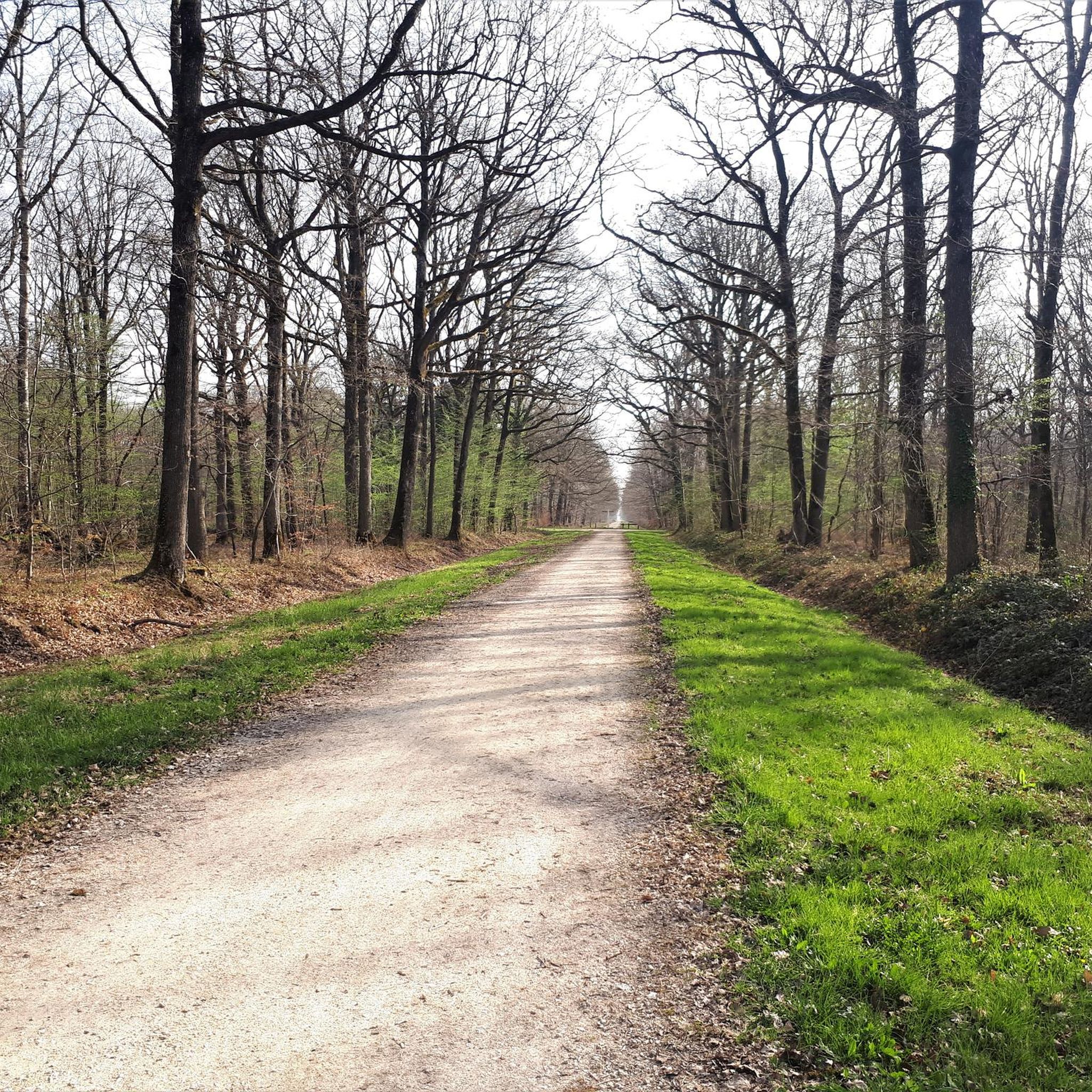
In the heart of the Dourdan national forest, this trail is a space for walking but also for learning. Discover the different species of trees present on the site, admire the flora thanks to the botanical plaques and learn more about the fauna of the forest. Then, have fun in the labyrinth and rest on the tables and benches present along the route. Plan 30 minutes of walking there and back and 30 minutes of discovery. The adapted surface allows the circulation of strollers and wheelchairs, the tables can also accommodate people with reduced mobility. The car park has a space reserved for people with reduced mobility.
0
0
Frequently Asked Questions
What historical sites can I visit near Plessis-Saint-Benoist?
The area around Plessis-Saint-Benoist is rich in history. A prominent historical site is the Château de Dourdan, a well-preserved 13th-century fortified castle located approximately 9 km away. You can also explore the Fortified Farm of Châteaupers, a medieval stronghold that once served as a watchtower.
Are there any notable religious buildings in the area?
Yes, the Saint-Germain-d'Auxerre Church of Dourdan is a significant Catholic parish church. Its construction began in 1150, and it stands in the town center facing the castle. It has been classified as a historical monument since 1967.
What natural attractions are there around Plessis-Saint-Benoist?
While Plessis-Saint-Benoist itself is a tranquil rural area, the surrounding region offers natural features like the forest setting of the Grillon Trail. Further afield, you can find remarkable gardens like the Parc de Chamarande, located about 18 km away.
Are there hiking opportunities near Plessis-Saint-Benoist?
Yes, there are various hiking opportunities. For example, the Grillon Trail offers outdoor activity within a forest setting. For more extensive options, you can find numerous running trails, including routes like the 'Running loop from Châlo-Saint-Mars' or the 'Manoir du Tronchet – Dolmen de Boutervilliers loop', which are detailed in the Running Trails around Plessis-Saint-Benoist guide.
Can I go cycling around Plessis-Saint-Benoist?
Absolutely. The region offers several cycling routes. You can explore options like the 'Oratory of Mérobert loop' for road cycling or the 'Old railroad – Notre-Dame-du-Fort of Étampes loop' for touring. More routes are available in the Road Cycling Routes around Plessis-Saint-Benoist and Cycling around Plessis-Saint-Benoist guides.
Are there any accessible trails for people with reduced mobility?
Yes, the Grillon Trail is specifically adapted for people with reduced mobility, offering an inclusive outdoor experience within a forest environment.
What family-friendly activities are available near Plessis-Saint-Benoist?
Families can enjoy exploring the historical Château de Dourdan, which is listed as family-friendly. The Grillon Trail also provides an accessible and enjoyable outdoor activity for families.
When is the best time to visit Plessis-Saint-Benoist for outdoor activities?
The region is generally pleasant for outdoor activities during spring, summer, and early autumn. These seasons offer favorable weather for hiking, cycling, and exploring historical sites, allowing you to fully enjoy the natural and cultural attractions.
What do visitors particularly enjoy about the attractions near Plessis-Saint-Benoist?
Visitors appreciate the historical depth of sites like the Château de Dourdan, noting its well-preserved 13th-century structures. The tranquil forest setting of trails like the Grillon Trail is also highly valued for relaxation and outdoor activity.
Where can I experience local life and markets near Plessis-Saint-Benoist?
You can experience local life by visiting the markets in nearby towns. Dourdan hosts a weekly market at its Dourdan Market Hall, which is a 19th-century building replacing a medieval structure. Other local markets can be found in Étampes and Angerville.
What is the historical background of Plessis-Saint-Benoist itself?
Plessis-Saint-Benoist has a historical background dating back to the Middle Ages, originating as an offshoot of the parish of Authon and belonging to the Abbey of Saint-Benoît-sur-Loire. While primarily a rural residential area today, its quiet streets and the presence of a 'mairie-école' (town hall-school) reflect its local charm and heritage.
Are there any other significant castles or chateaus within a reasonable distance?
Beyond the Château de Dourdan, you can find other notable castles in the vicinity. The Château de Rambouillet is approximately 26 km away, and the famous Palace of Versailles is also accessible, though further, at around 41-53 km.
Most popular routes around Plessis-Saint-Benoist

Get inspired with the komoot mobile app


Explore more
Still not found the Highlight you’re looking for? See guides of the top attractions in other regions:
