Attractions and Places To See around Villettes - Top 14
Attractions and places to see around Villettes include a mix of historical sites, natural landscapes, and dedicated routes for outdoor activities. The region features historical castles, expansive forests, and greenways. Visitors can explore significant architectural heritage and enjoy varied natural environments. This area offers opportunities for both cultural discovery and active exploration.
Best attractions and places to see around Villettes
- The most popular attractions is Acquigny Castle, a castle ideally placed at the confluence of the Eure and Iton…
Last updated: July 1, 2026
Houetteville Castle
Highlight • Castle
On the circuit "Château Gaillard - Château de Gaillon Circuit from Gaillon - Aubevoye" I do not recommend the Caer/St Vigor part because the traffic there is dangerous for cyclists. Preferably use the small parallel roads.
Good road.
Rein.
Translated by Google •
Tip by

Acquigny Castle
Highlight • Castle
Translated by Google •
Tip by

Sign up now to discover places like this
Get recommendations on the best single tracks, peaks, & plenty of other exciting outdoor places.
Sign up for free
Saint-Mauxe Enclosure
Highlight • Other
Translated by Google •
Tip by

Forêt de Bord-Louviers
Highlight • Forest
Translated by Google •
Tip by

Greenway from Évreux to Le Neubourg
Highlight (Segment) • Cycleway
Translated by Google •
Tip by

Sign up for free to discover even more attractions around Villettes.
Sign up for free
Already have an account?
Start today with a free account
Your next adventure awaits.
Login or Signup

Tips from the Community

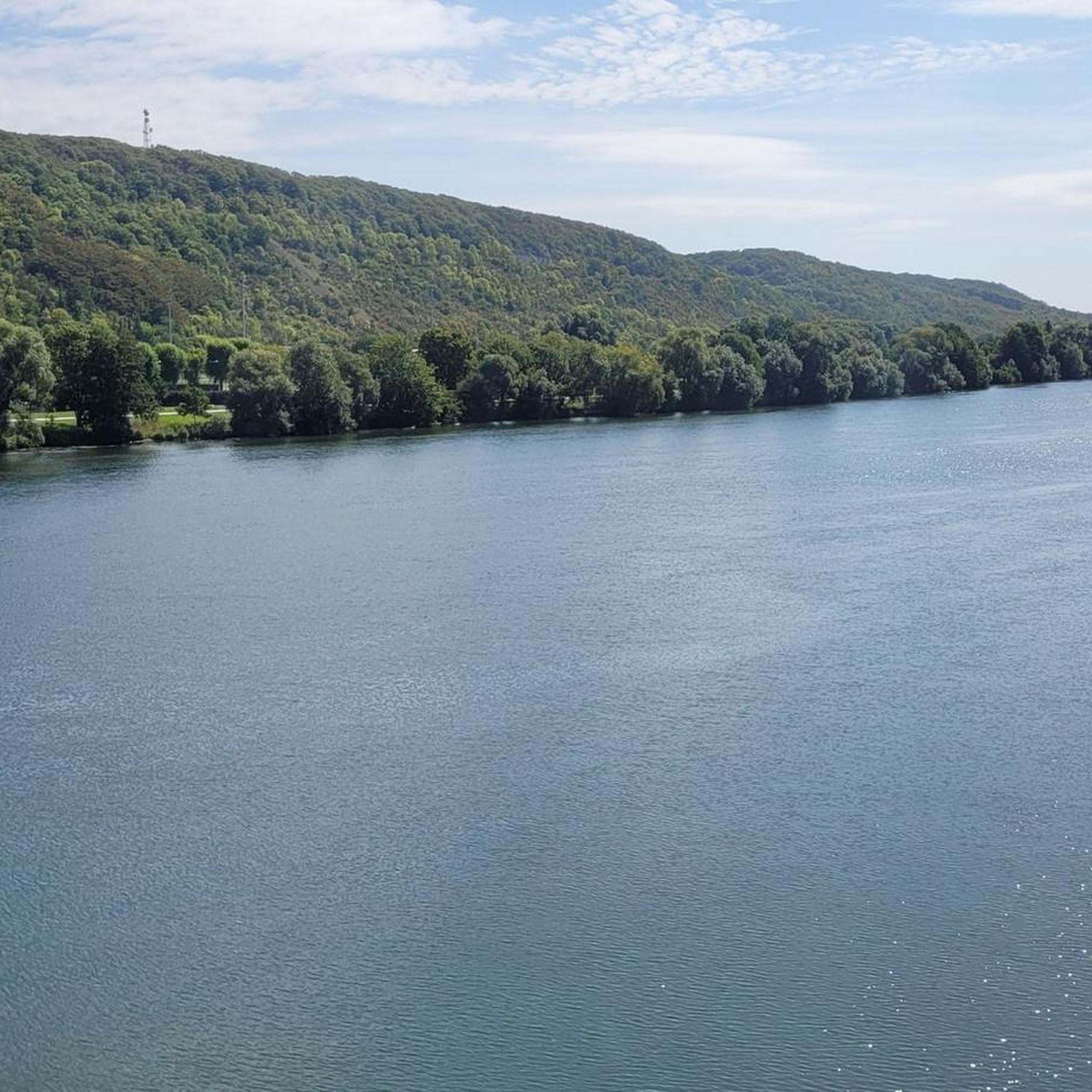
Magnificent view of the Château d'Acquigny (whose garden can be visited) and the Eure valley
0
0

45km of calm and safety on a path on a false flat uphill not too demanding the first 10 km. The ground surface is of good quality on the majority of the route even if at the end it looks more like gravel with dead leaves and branches on the ground. Very beautiful portion to connect Paris to Deauville
0
0

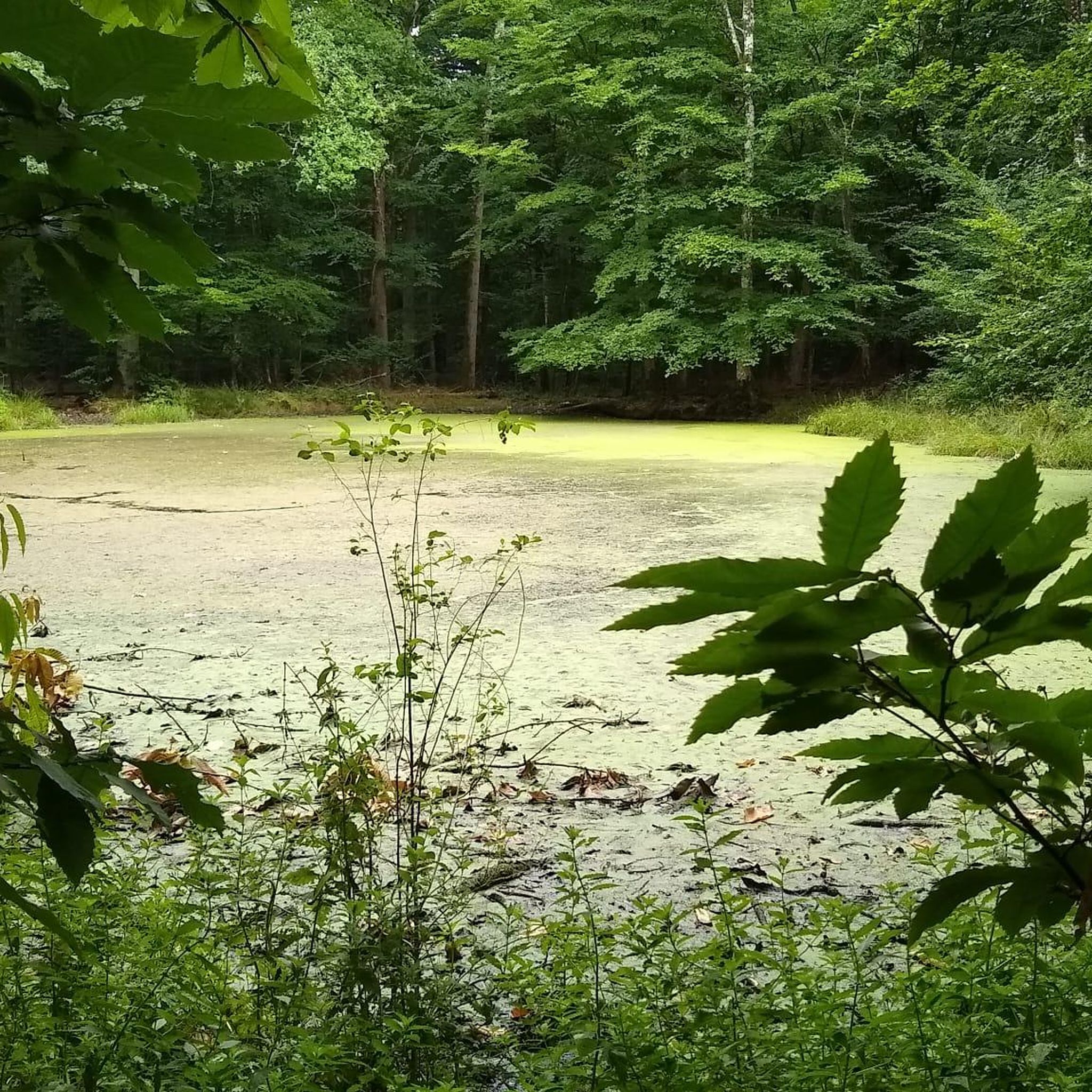
The Bord-Louviers forest is a majestic forest located at the confluence of the Eure and the Seine. This forest, former property of the Dukes of Normandy and the Kings of France, covers an area of 4,568 hectares and offers a variety of landscapes and ecosystems. You can discover the pine forest on the northern terraces overlooking the Seine, the beech forest in the central plain, or even the oaks on the southern plateaus. You will also be able to admire the seven remarkable trees listed, such as the Tabouel beech, a 39 meter high beech, or the Pancarte oak, an oak which has swallowed a sign on its trunk. The forest is also home to a rich fauna: deer, wild boars, foxes and squirrels.
2
0

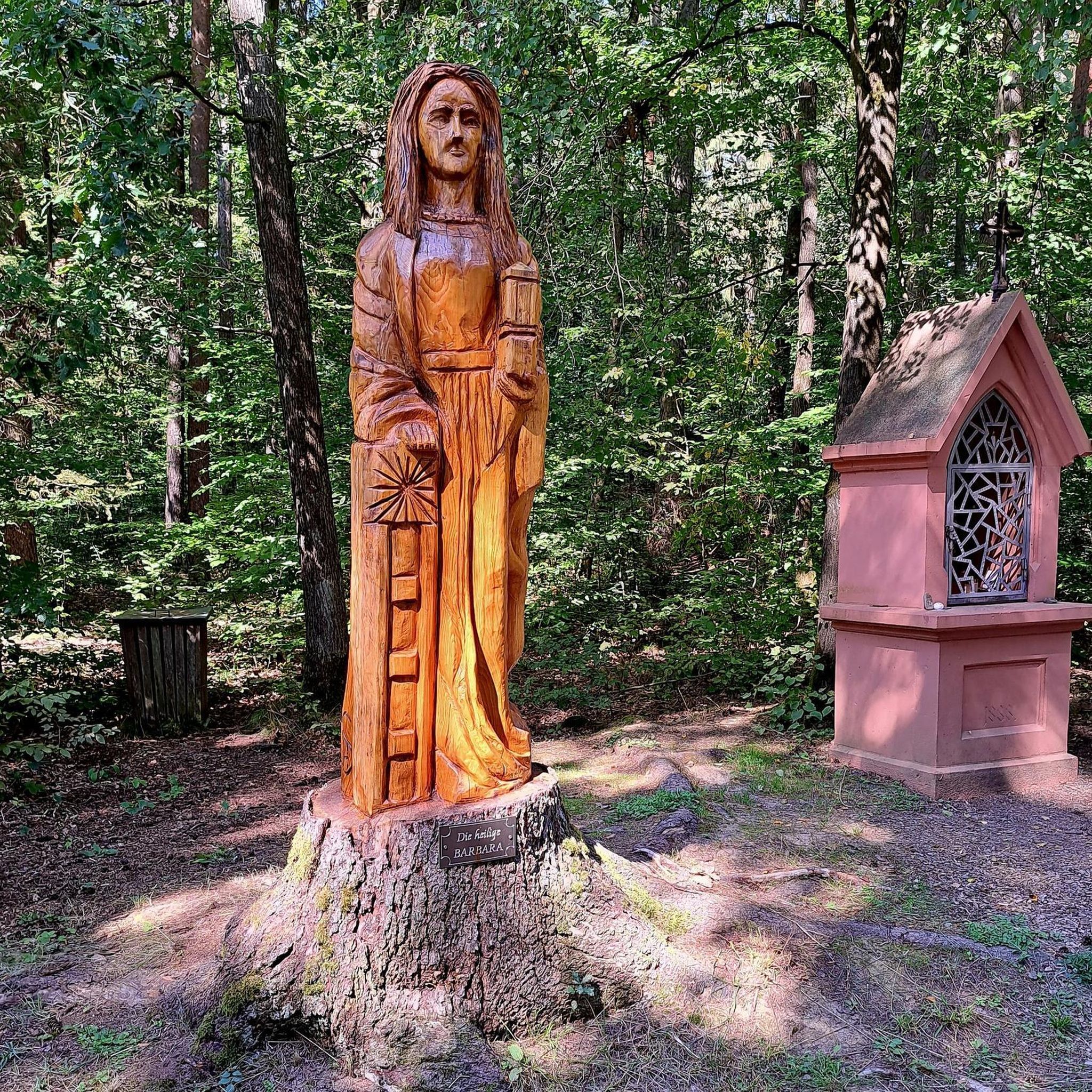
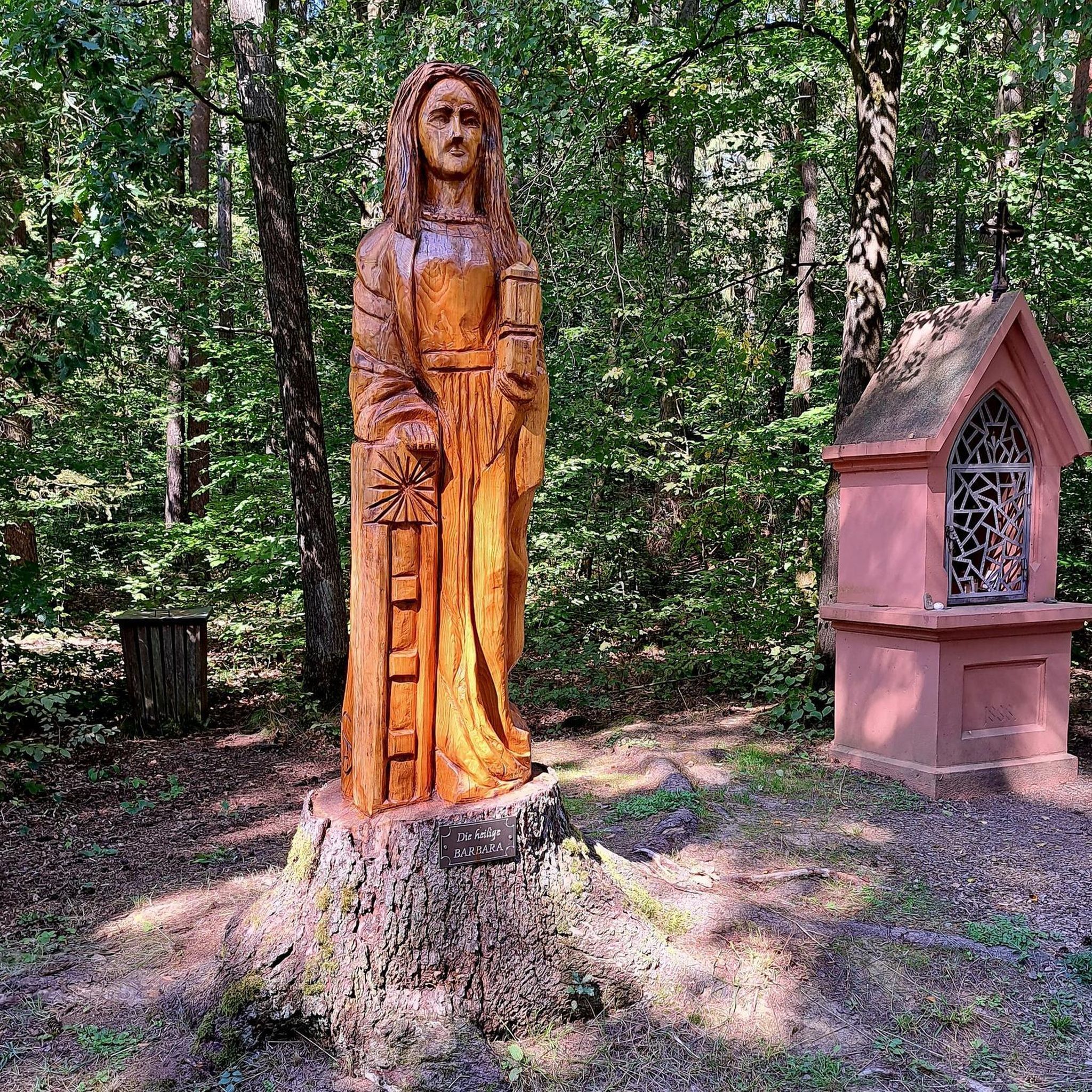
Located on the border of the communes of Heudreville-sur-Eure and Acquigny, “Le Clos Saint-Mauxe”, a small clearing, is a symbolic place of the Christian faith. In the first centuries of our era, Saint-Mauxe, bishop of Italy, persecuted for his faith in God, took refuge in Gaul, accompanied by his brother Vénérand, deacon, and two priests Marc and Etherius. Pursued by the proconsul Sabinus from whom they had escaped in Italy, they were joined by their enemies in this clearing. Sabinus had the heads of Saint Mauxus and Saint Vénérand cut off... as well as eight of his own soldiers who had just been converted by the words and miracles of the holy bishop. This site became a place of fervor and devotion where processions were regularly organized, particularly during difficult times, for example during the plague of 1517 or the droughts of 1556 and 1785. According to historical records, miracles were even cited and an altar with a stone column was erected
1
0

Very beautiful long cycle path in the Eure. Well paved and very pleasant, far from any road traffic.
0
0

This castle is ideally placed at the confluence of the Eure and the Iton rivers. This stream was diverted from its bed to feed the moats of this beautiful building. It can be admired from the park gate.
1
0

The Château de Houetteville, a private castle visible from the road, is an old Renaissance castle transformed into a neo-medieval castle by Henri Jacquelin around the 1930s. “Jacquelin again transformed a simple neo-classical house in Houetteville into a medieval castle, with astonishing fantasy. In an economically paralyzed country, Houetteville was perhaps the last neo-Gothic castle in France. Extravagant edifice, which prefers to ignore its time to artificially continue a way of life long gone.”
0
0
Frequently Asked Questions
What historical castles can I visit around Villettes?
The Villettes area is rich in historical castles. You can explore Acquigny Castle, ideally situated at the confluence of the Eure and Iton rivers, known for its 16th-century architecture and romantic gardens. Another notable site is Houetteville Castle, a private castle visible from the road, which was originally a 14th-century Renaissance castle transformed into a neo-medieval style.
Are there cycling paths or greenways in the Villettes area?
Yes, the region offers excellent cycling opportunities. The Greenway from Évreux to Le Neubourg is a popular choice, providing 45 km of calm and safe cycling on a well-paved surface, away from road traffic. It's described by visitors as very enjoyable, though some find it a bit monotonous.
What natural areas are there to explore near Villettes?
You can discover the majestic Forêt de Bord-Louviers, a vast forest covering 4,568 hectares. It offers diverse landscapes, from pine and beech forests to oak plateaus, and is home to rich wildlife including deer and wild boars. You can also find remarkable trees like the Tabouel beech.
Are there family-friendly attractions around Villettes?
Absolutely. Acquigny Castle is considered family-friendly, offering beautiful grounds to explore. The Forêt de Bord-Louviers is also a great option for families to enjoy nature, with opportunities for walks and wildlife spotting. Additionally, the Greenway from Évreux to Le Neubourg provides a safe and pleasant environment for family bike rides.
What outdoor activities can I do near these attractions?
The Villettes area is ideal for various outdoor activities. You can enjoy gravel biking with routes like the "Adventure Park Among the Trees – Two Lovers' Lake loop from Louviers" or mountain biking on trails such as the "Nice ride for amateurs loop from Louviers." For more relaxed cycling, there are touring bicycle routes like the "Acquigny Castle – Houetteville Castle loop from Brosville." Find more routes in the Gravel biking around Villettes, MTB Trails around Villettes, and Cycling around Villettes guides.
Are there any hidden gems or lesser-known historical spots to discover?
Yes, for those interested in local history and faith, the Saint-Mauxe Enclosure is a symbolic place. Located on the border of Heudreville-sur-Eure and Acquigny, this small clearing is a site of Christian historical significance, where Saint Mauxus and his companions were martyred. It became a place of devotion and processions, with historical records citing miracles.
When is the best time to visit Villettes for outdoor activities?
For outdoor activities like cycling on the greenway or exploring the forest, spring and autumn generally offer the most pleasant weather. Temperatures are mild, and the natural landscapes are particularly beautiful. Summer can also be enjoyable, especially in the shaded areas of the Forêt de Bord-Louviers, but be prepared for potentially warmer days.
What do visitors enjoy most about the attractions around Villettes?
Visitors particularly appreciate the tranquility and natural beauty of the area. The Greenway from Évreux to Le Neubourg is praised for its calm and safety, being far from road traffic. The historical castles, like Acquigny Castle, are admired for their architecture and picturesque settings, often inspiring a sense of history and romance.
How long should I plan for a visit to the main attractions?
For a comprehensive visit to the main attractions like Acquigny Castle and the Forêt de Bord-Louviers, you could easily spend a full day or even a weekend. Cycling the entire Greenway from Évreux to Le Neubourg (45 km) would take several hours, depending on your pace. Shorter visits to individual sites can range from 1-3 hours.
Are there specific tips for visiting Houetteville Castle?
Houetteville Castle is a private castle, but it is proudly visible from the road. Visitors recommend admiring its unique neo-medieval architecture from a distance, particularly as you pass by. It's a striking landmark that dominates the meanders of the Iton river.
Can I find hiking opportunities near the Villettes attractions?
While the area is particularly known for cycling, the Forêt de Bord-Louviers offers excellent opportunities for walking and hiking through its diverse ecosystems. You can explore various trails within the forest, enjoying its natural beauty and spotting wildlife. For more structured routes, consider the gravel biking and MTB guides which often include paths suitable for hiking.
Most popular routes around Villettes
Most popular attractions around Villettes

Get inspired with the komoot mobile app


Explore more
Still not found the Highlight you’re looking for? See guides of the top attractions in other regions:
