The best road cycling routes around Pussay
4.6
(20)
468
riders
110
rides
Road cycling routes around Pussay traverse a landscape characterized by gentle undulations and open agricultural plains. The region features a network of quiet country roads connecting small villages and offering views of local plateaus and water bodies. Elevation gains are generally modest, with most routes featuring gradual ascents and descents. This terrain provides accessible road cycling for various skill levels, focusing on scenic rural passages.
Best road cycling routes around Pussay
- The most popular road cycling route is Thionville Plateau…
Last updated: July 2, 2026
35
riders
14.4km
00:35
70m
70m
Easy road ride. Great for any fitness level. Mostly well-paved surfaces and easy to ride.
12
riders
44.0km
01:51
240m
240m
Moderate road ride. Great for any fitness level. Some segments of this route may be unpaved and difficult to ride.

Sign up for free
3.0
(1)
13
riders
Easy road ride. Great for any fitness level. Mostly well-paved surfaces and easy to ride.
7
riders
48.1km
01:52
130m
130m
Easy road ride. Great for any fitness level. Mostly well-paved surfaces and easy to ride.
8
riders
82.4km
03:29
540m
540m
Moderate road ride. Good fitness required. Mostly well-paved surfaces and easy to ride.
Get access to more routes and recommendations from other explorers.
Sign up for free
Already have an account?
Our route recommendations are based on thousands of hikes, rides, and runs completed by other people on komoot.
Start today with a free account
Your next adventure awaits.
Login or Signup



Tips from the Community

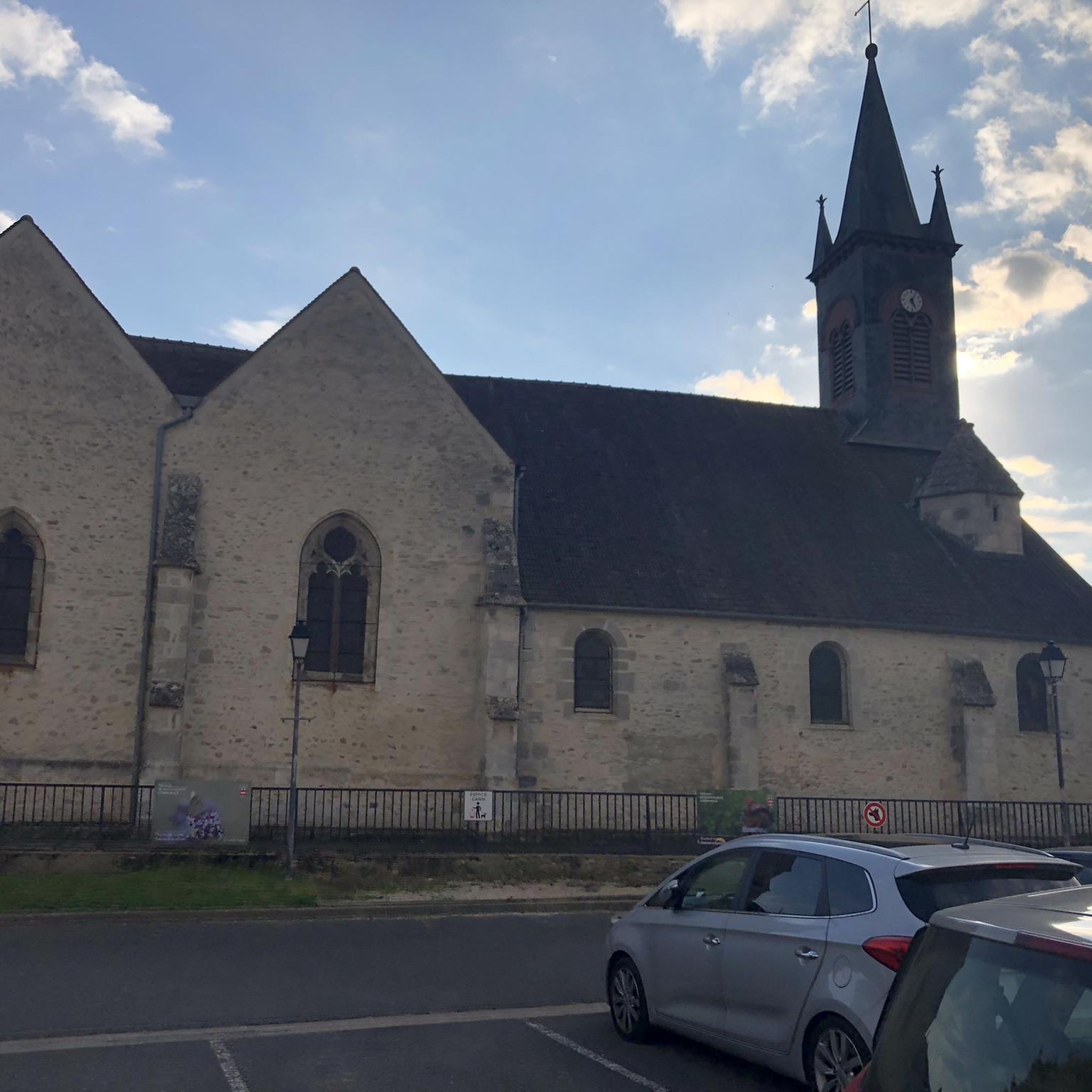
Attached to the castle, the 13th-century church was burned down in the 15th century. Rebuilt, it was consecrated in 1539. The lords of Oysonville could pass from the castle to the church through a door opening onto a platform at the back of the church without mixing with the people. The altarpiece, the churchwarden's pew and the pulpit are from the 18th century. In the 19th century, the paneling of the nave was replaced by a plaster vault. Many tombstones are visible.
0
0
The tower of the church of Sainville, as well as the choir and the first three bays of the main nave, are in the Transitional Romanesque style from the end of the 12th century; the rest of the main nave and the side aisles appear to date only from the 15th century. The bell tower contains three bells. The largest, listed as a historic monument, is engraved with a quatrain: "Founded smokes all new I am the Patron of Sainville, I bear the name of St. Peter. In the year 1014. XLIX." (1549) The second, from 1821, bears this inscription: "Blessed be the Lord God of Israel, for he has visited and redeemed his people." Gospel of Saint Luke, chapter 1, verse 68. The third is located above the other two.
0
0

Not often open, but have a look at the splendid 12th century tympanum above the West Door
0
0

Beautiful little church! The road leading there is peaceful and pleasant.
0
0

Building dating back to the 12th century, famous for its "leaning tower", its 14th century bell tower.
0
0

Magnificent Romanesque church
0
0

Not the prettiest, but starting to compete with Pisa.
0
0

The Thionville plateau offers formidable landscapes on a road winding through the fields.
0
0
Frequently Asked Questions
How many road cycling routes are available around Pussay?
Pussay and its surroundings offer a wide selection of road cycling routes, with over 100 tours available on komoot. These routes cater to various skill levels, from easy rides to more challenging excursions.
What kind of terrain can I expect on road cycling routes near Pussay?
The region around Pussay is characterized by gentle undulations and open agricultural plains. You'll find a network of quiet country roads connecting small villages, offering scenic views of local plateaus and water bodies. Elevation gains are generally modest, making for accessible road cycling.
Are there easy road cycling routes suitable for beginners in Pussay?
Yes, Pussay is an excellent area for beginners. More than half of the routes, specifically 55 out of 106, are rated as easy. A great option to start with is the Thionville Plateau – Pussay Church loop from Pussay, an 8.7-mile (14.0 km) circular path across the Thionville Plateau.
What is the best time of year for road cycling in Pussay?
Given the open agricultural plains and modest elevations, spring and autumn generally offer the most pleasant conditions for road cycling in Pussay, with mild temperatures and beautiful scenery. Summer can also be enjoyable, though it's advisable to ride earlier in the morning or later in the afternoon to avoid the midday heat.
Are there any longer road cycling routes for experienced riders?
While many routes are easy or moderate, there are options for longer rides. For example, the Saint Peter's Church – Musée Eugène Farcot loop from Chalou-Moulineux covers 30.2 miles (48.7 km) and offers a pleasant journey through the local landscape.
Can I find circular road cycling routes around Pussay?
Yes, many of the road cycling routes in Pussay are designed as loops, allowing you to start and finish at the same point. The Église de Boissy-la-Rivière – Étang de Chalou-Moulineux loop from Monnerville is a popular 26.5-mile (42.7 km) circular route that connects several villages and passes by the Étang de Chalou-Moulineux.
What do other road cyclists say about the routes in Pussay?
The road cycling routes in Pussay are highly regarded by the komoot community, holding an average rating of 4.6 stars from over 20 reviews. Cyclists often praise the quiet country roads, the charming villages, and the generally flat to gently rolling terrain that makes for enjoyable rides.
Are there any routes that pass by lakes or water bodies?
Yes, several routes incorporate local water features. The Méréville Town Hall – Lake Saclas loop from Gommerville is a 29.4-mile (47.3 km) trail that leads through rural landscapes and past Lake Saclas, offering picturesque views.
Are there any moderate difficulty road cycling routes in the area?
Absolutely. While many routes are easy, Pussay also offers 49 moderate routes for those looking for a bit more challenge. An example is the Lake Saclas – Méréville Town Hall loop from Monnerville, a 14.3-mile (23.1 km) route with some varied terrain.
What are the typical distances for road cycling routes in Pussay?
Route distances vary widely to suit different preferences. You can find shorter loops like the 8.7-mile (14.0 km) Thionville Plateau route, or longer rides such as the 30.2-mile (48.7 km) loop passing Saint Peter's Church, ensuring options for quick spins or extended excursions.
Are the road cycling routes around Pussay generally quiet?
Yes, the road cycling experience around Pussay is largely defined by quiet country roads. The region's agricultural character means less traffic compared to urban areas, allowing for peaceful rides through the open plains and past small villages.
Most popular attractions around Pussay

Get inspired with the komoot mobile app


Explore more
Browse the best Road cycling routes in other regions.
