Attractions and Places To See around Morigny-Champigny - Top 20
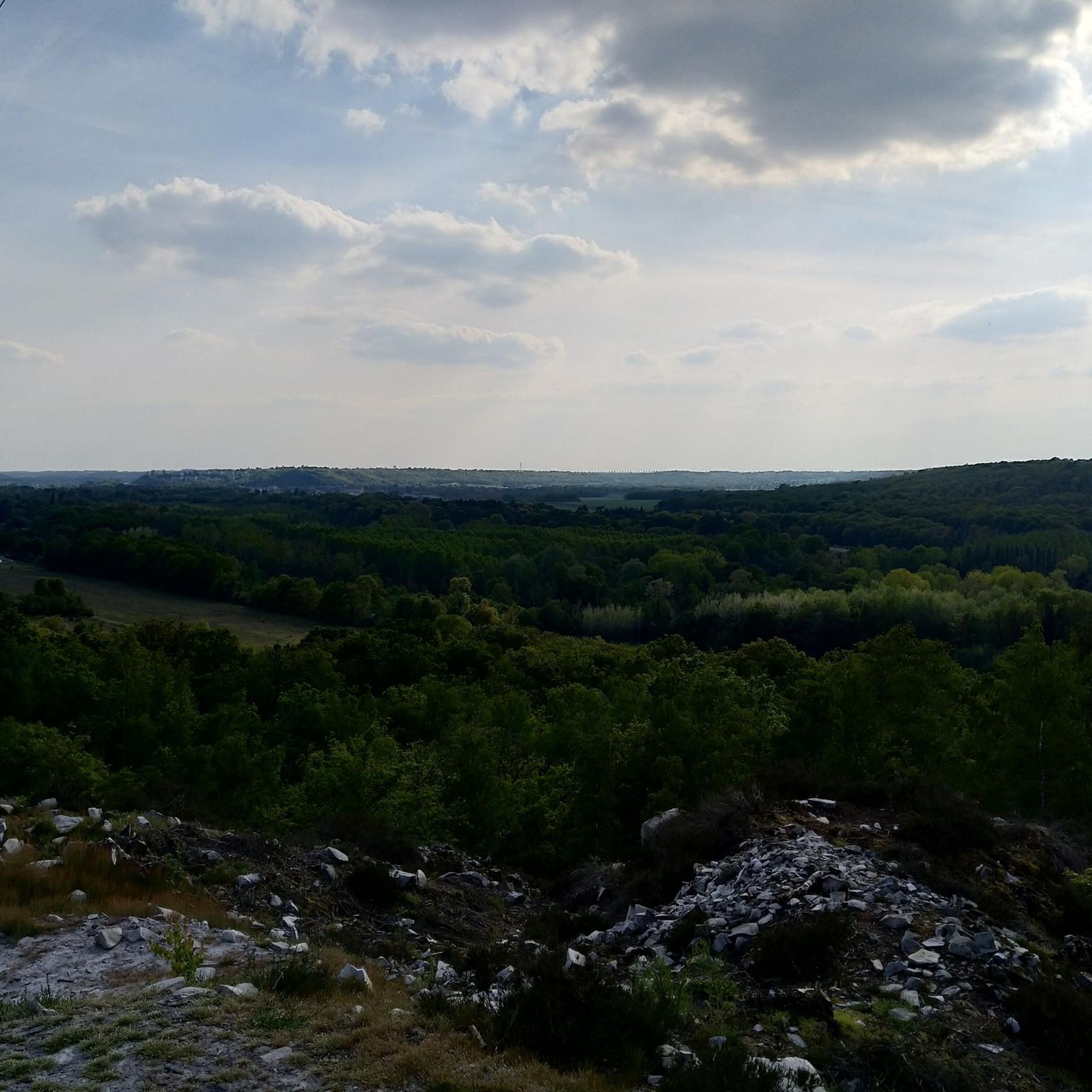
Best attractions and places to see around Morigny-Champigny include a blend of historical landmarks, cultural sites, and natural beauty. Located in the Essonne department of France, this commune offers a rich historical and natural tapestry. The area is situated in the long green valley of the Juine River, providing opportunities for outdoor exploration. Visitors can discover ancient churches, historic châteaux, and protected natural areas.
Best attractions and places to see around Morigny-Champigny
- The most popular attractions is Saint-Sulpice Church of Saint-Sulpice-de-Favières, a religious building located in the heart of the village. This magnificent church is a starting point for many hikes and trails in the forest.
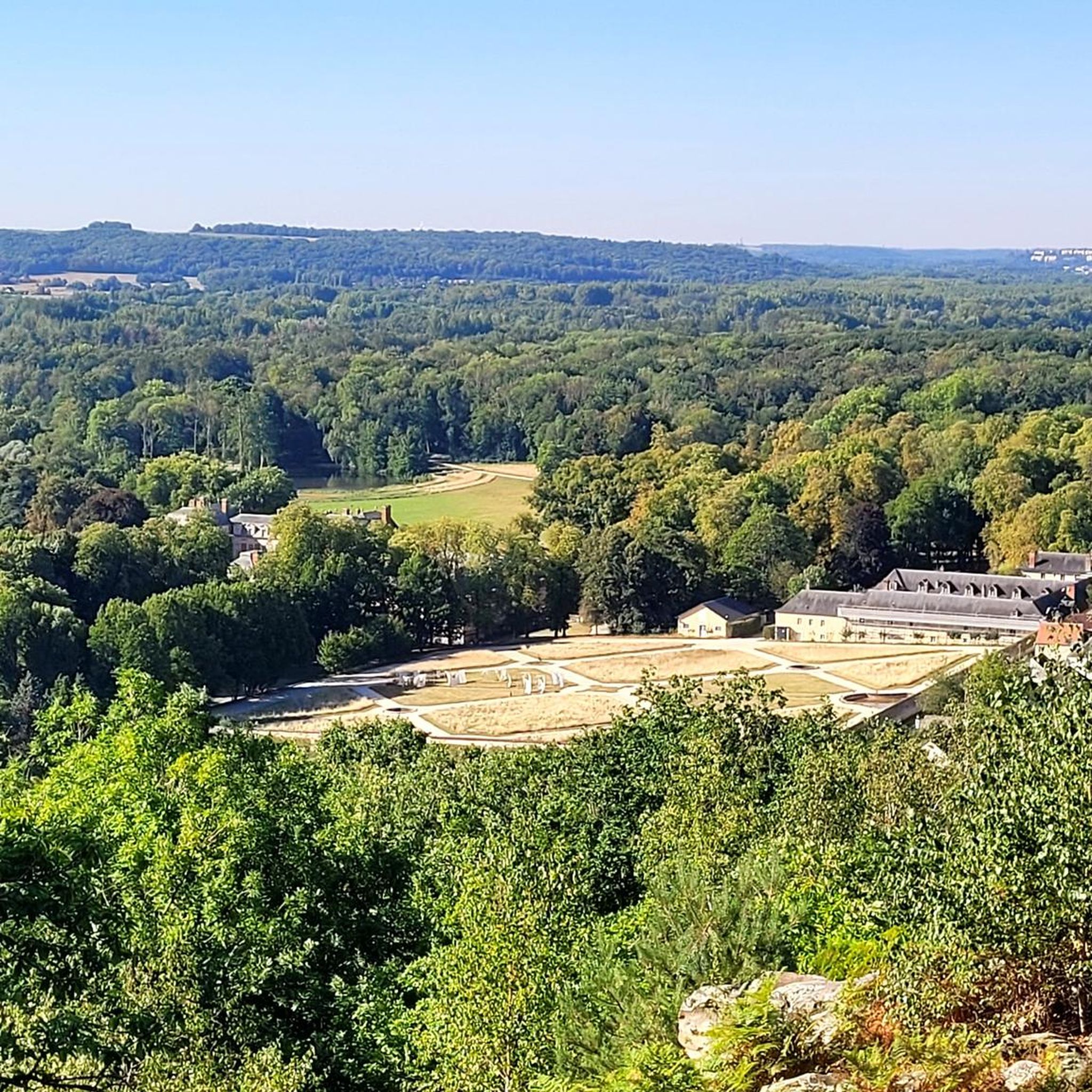
- Another must-see spot is Château du Mesnil-Voisin, a historical castle. This impressive 18th-century château is surrounded by gardens and a moat, and is open to the public during specific events.
- Visitors also love Saint-Yon Church, a 12th-century religious building. Located on an old oppidum, the church has been extensively restored and rebuilt over centuries, and is listed as a historical monument.
- Morigny-Champigny is known for its historical sites, religious buildings, and natural attractions. The area offers a variety of attractions to see and explore, from ancient architecture to protected natural landscapes.
- The attractions around Morigny-Champigny are appreciated by the komoot community, with over 230 upvotes and 94 photos shared by visitors.
Last updated: July 2, 2026
Saint-Sulpice Church of Saint-Sulpice-de-Favières
Highlight • Religious Site
Translated by Google •
Tip by

Château du Mesnil-Voisin
Highlight • Castle
Translated by Google •
Tip by

Sign up now to discover places like this
Get recommendations on the best single tracks, peaks, & plenty of other exciting outdoor places.
Sign up for free
King of the hard end
Highlight • Other
Translated by Google •
Tip by

Saint-Yon Church
Highlight • Religious Site
Translated by Google •
Tip by

Collégiale Notre-Dame-du-Fort d'Étampes
Highlight • Religious Site
Translated by Google •
Tip by

Sign up for free to discover even more attractions around Morigny-Champigny.
Sign up for free
Already have an account?
Start today with a free account
Your next adventure awaits.
Login or Signup

Tips from the Community

very beautiful church
0
0
very beautiful village
0
0

Not often open, but have a look at the splendid 12th century tympanum above the West Door
0
0

The whole village is well worth a visit, there is also a very good restaurant.
0
0
Castle closed to the public, but it is bordered by a shared road limited to 30 km/h which is very pleasant.
0
0

Driving through the idyllic French countryside, you’ll come across the magnificent Château du Mesnil-Voysin. This impressive 18th-century château, surrounded by lush gardens and a serene moat, offers a glimpse into the opulent lifestyle of the French aristocracy. You can explore the beautifully preserved interior, admire the intricate architectural details, and stroll through the peaceful grounds.
0
0

The Saint-Sulpice church in Favières, located in a charming village in Essonne, is a jewel of Gothic architecture. Known for its impressive dimensions and elegance, this church is distinguished by its luminous choir and remarkable stained glass windows. Visitors can admire the richness of its historical heritage while enjoying the calm and beauty of the place.
0
0

At the end of the 12th century, the estate was allegedly owned by a knight Gautier, "lord of Mesnil", and a liege man of King Philippe Auguste. In the 15th century, the property passed into the hands of the Karnazet family, who passed it down through several generations, until 1455, when Jean de Vaillant took over the reins of the estate. The Mesnil chapel was commissioned by Renée Sabathier, wife of Guillaume Hérouard, secretary of the King's chamber, in 1611. She was buried there in 1616.
0
0
Frequently Asked Questions
What historical landmarks can I explore in Morigny-Champigny?
Morigny-Champigny is rich in history. You can visit the ancient Église Sainte-Trinité de Morigny-Champigny, which dates back to 1119, or the Château du Mesnil-Voisin, an impressive 18th-century château. Other notable sites include the Saint-Yon Church, a 12th-century religious building, and the Collégiale Notre-Dame-du-Fort d'Étampes, founded around 1022.
Are there any significant natural attractions in the area?
Yes, the region offers several natural highlights. The Parc de Saint Périer is a publicly accessible space managed for biodiversity, featuring eco-pastoralism and diverse wildlife. You can also explore the Sablière de Villemartin, a protected site with a historical fossil deposit, or enjoy the scenic beauty of the Valley of the Juine River, a sensitive natural area perfect for hiking and cycling.
What kind of outdoor activities can I do around Morigny-Champigny?
The area around Morigny-Champigny is ideal for various outdoor activities. You can find numerous routes for road cycling, general cycling, and mountain biking. For example, there are easy road cycling loops like the 'Château du Mesnil-Voisin – Chamarande Estate loop' or moderate cycling routes such as 'La Juine – Chamarande Castle and Park loop'. Mountain biking enthusiasts can tackle challenging trails like the 'Carrière des Pins – Small lake in the rocks loop'. You can find more details on these routes in the Road Cycling Routes, Cycling, and MTB Trails guides.
Are there family-friendly places to visit?
Many attractions in the region are suitable for families. The Saint-Sulpice Church of Saint-Sulpice-de-Favières and the Château du Mesnil-Voisin are both listed as family-friendly. Additionally, the Parc de Jeurre, with its architectural 'follies' and expansive grounds, offers a unique and engaging experience for all ages.
What are some unique historical sites beyond the main attractions?
Beyond the prominent churches and châteaux, you can discover several unique historical sites. These include the Polissoir de la Petite-Garenne, a historic polishing stone classified as a Monument Historique, and the Pont-aqueduc de la Jeurre, an aqueduct bridge from 1792. The former sugar factory, La Sucrerie, built in 1892, also offers a glimpse into the region's industrial past.
Where can I find ancient religious architecture?
Morigny-Champigny and its surroundings boast several examples of ancient religious architecture. The Église Sainte-Trinité de Morigny-Champigny is a significant historical church. Nearby, the Saint-Sulpice Church of Saint-Sulpice-de-Favières is a magnificent jewel of Gothic architecture, and the Saint-Yon Church, dating from the 12th century, is also a listed historical monument.
What makes the Parc de Jeurre special?
The Parc de Jeurre is special for its unique collection of architectural 'follies' and salvaged monument parts, relocated from the Méréville park in 1895. This 60-hectare park surrounds the 18th-century Château de Jeurre and offers a fascinating blend of history, art, and nature, maintained by its dedicated owners.
Is there a place to learn about the region's geology?
Yes, the Sablière de Villemartin is an excellent site for geological exploration. Acquired by the Essonne Department, it protects a historical fossil deposit known as the 'Falun de Morigny'. Here, you can observe sand-rich areas containing mollusk fossils, providing insight into the sedimentation from over 30 million years ago when the sea covered the Paris Basin. Guided visits are available for the geological section.
What do visitors say about the Saint-Sulpice Church of Saint-Sulpice-de-Favières?
Visitors consistently describe the Saint-Sulpice Church of Saint-Sulpice-de-Favières as a 'magnificent jewel' and an 'unavoidable' stop. It's praised for its beauty and its strategic location in the heart of the village, serving as a starting point for many hikes and trails in the surrounding forest.
Are there any châteaux to visit in or near Morigny-Champigny?
Absolutely. The Château du Mesnil-Voisin is a notable 18th-century château surrounded by gardens and a moat, often open to the public during special events like Heritage Days. Within Morigny-Champigny itself, you can find the historic Château de Morigny, with origins tracing back to the 12th century, and the Château de Brunehaut, a 19th-century structure now housing an institute.
What is the Valley of the Juine River known for?
The Valley of the Juine River is known for its long, green, and picturesque landscape. It is recognized as a sensitive natural area, offering a tranquil environment for outdoor enthusiasts. The valley provides excellent opportunities for hiking and cycling, with charming villages and scenic routes to discover along the riverbanks.
What is the significance of the Église Sainte-Trinité de Morigny-Champigny?
The Église Sainte-Trinité de Morigny-Champigny is a major historical landmark, consecrated by Pope Calixtus II in 1119. Originally an abbey, it has undergone significant damage and restoration over centuries, particularly after the Hundred Years' War and Wars of Religion. Classified as a Historical Monument in 1862, it represents a deep connection to the region's medieval past.
Can I explore ancient Roman history in the area?
Yes, evidence of ancient human presence, including Roman history, has been found. A Nécropole gallo-romaine (Gallo-Roman necropolis) was discovered in 2006 along the N20 national road, indicating the area's historical importance even in Roman times.
Most popular routes around Morigny-Champigny
Most popular attractions around Morigny-Champigny

Get inspired with the komoot mobile app


Explore more
Still not found the Highlight you’re looking for? See guides of the top attractions in other regions:
