The best walks and hikes around Nampcel
4.5
(135)
540
hikers
88
hikes
Hiking around Nampcel offers access to a landscape characterized by extensive woodlands and varied terrain in the Oise department of France. The region is surrounded by significant forests such as Forêt de Laigue and the expansive Forêt de Compiègne, providing numerous established walking routes. Hikers can explore diverse natural environments, including areas with moderate elevation changes and tranquil settings.
Best hiking trails around Nampcel
- The most popular hiking route is Ruin of the priory of Ste Croix loop from Tracy-le-Mont…
Last updated: May 8, 2026
4.0
(1)
13
hikers
15.0km
04:05
220m
220m
Moderate hike. Good fitness required. Easily-accessible paths. Suitable for all skill levels.
4.0
(1)
8
hikers
7.66km
02:03
90m
80m
Moderate hike. Good fitness required. Easily-accessible paths. Suitable for all skill levels.

Sign up for free
4.8
(4)
6
hikers
11.2km
03:01
150m
150m
Moderate hike. Good fitness required. Easily-accessible paths. Suitable for all skill levels.
3
hikers
8.37km
02:15
100m
100m
Moderate hike. Good fitness required. Easily-accessible paths. Suitable for all skill levels.
4.0
(1)
2
hikers
11.1km
02:56
100m
110m
Moderate hike. Good fitness required. Easily-accessible paths. Suitable for all skill levels.
Get access to more routes and recommendations from other explorers.
Sign up for free
Already have an account?
Our route recommendations are based on thousands of hikes, rides, and runs completed by other people on komoot.
Start today with a free account
Your next adventure awaits.
Login or Signup

Tips from the Community

The church is believed to have been built in the 12th century under the authority of the Knights Templar[2]. The church was almost completely destroyed during the First World War and was rebuilt identically in its original Romanesque style. It received its new blessing on March 6, 1932. It is characterized by its two-story bell tower, one square and the other octagonal, the capitals in the shape of heads perched on small columns, numerous sculptures along the gutters, and the modillions carved with fantastical figures. Source: Wikipedia
0
0

This former monastery was dedicated to the Holy Cross (Latin “Santa Croce”). The patronage refers to the cross on which Jesus Christ died. The veneration of the Holy Cross goes back to a large extent to Saint Helena, who was the mother of Emperor Constantine the Great (who recognized Christianity as a religion after his victory at the “Milvian Bridge” in front of Rome and in the year 312 for a long time the persecution ended with the “tolerance edict” of Milan). In the early fourth century she undertook a pilgrimage to the Holy Land (Israel / Palestine) and from there brought numerous relics with her to Europe, including the "True Cross" on which Jesus Christ was crucified. Helena is therefore often depicted with a cross as an attribute. The church celebrates the festival of the discovery, public presentation and veneration of the Holy Cross – called “Exaltation of the Cross” – on September 14th.
0
0

The National Necropolis of Tracy-le-Mont is a national cemetery which houses the remains of 3,196 French soldiers who died during the First World War in the Oise. You can explore the tombs and ossuaries of these brave men, some of whom were father and son or brothers, who fought and fell together.
3
0
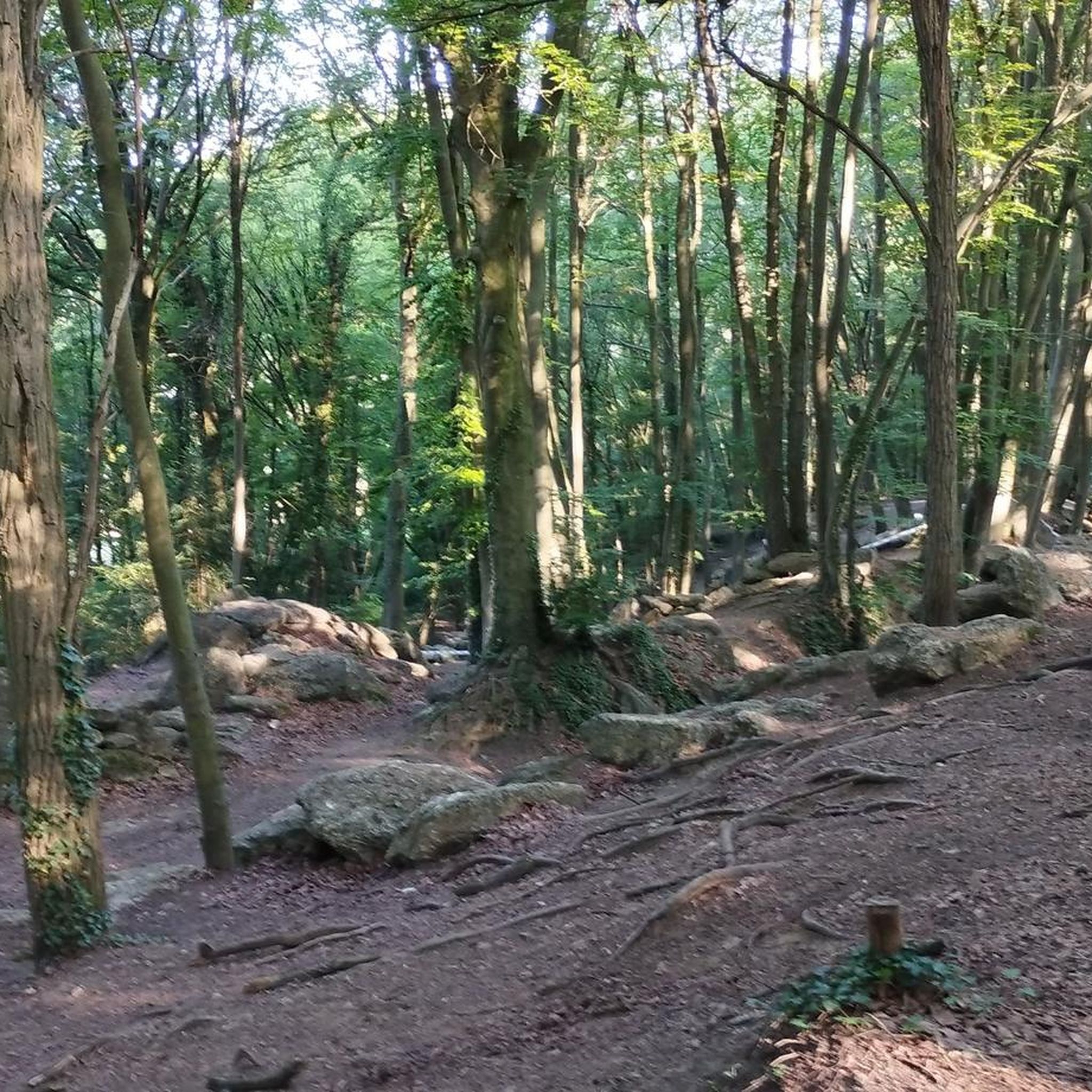
The Carrières de la Maison du Garde is a former quarry which served as a shelter and hospital for French soldiers during the First World War. You can explore the underground galleries and admire the sculptures, graffiti and objects left by the poilus who lived there. You can also learn about the history of the war and the village of Tracy-le-Mont, which was heavily bombed and damaged.
2
0

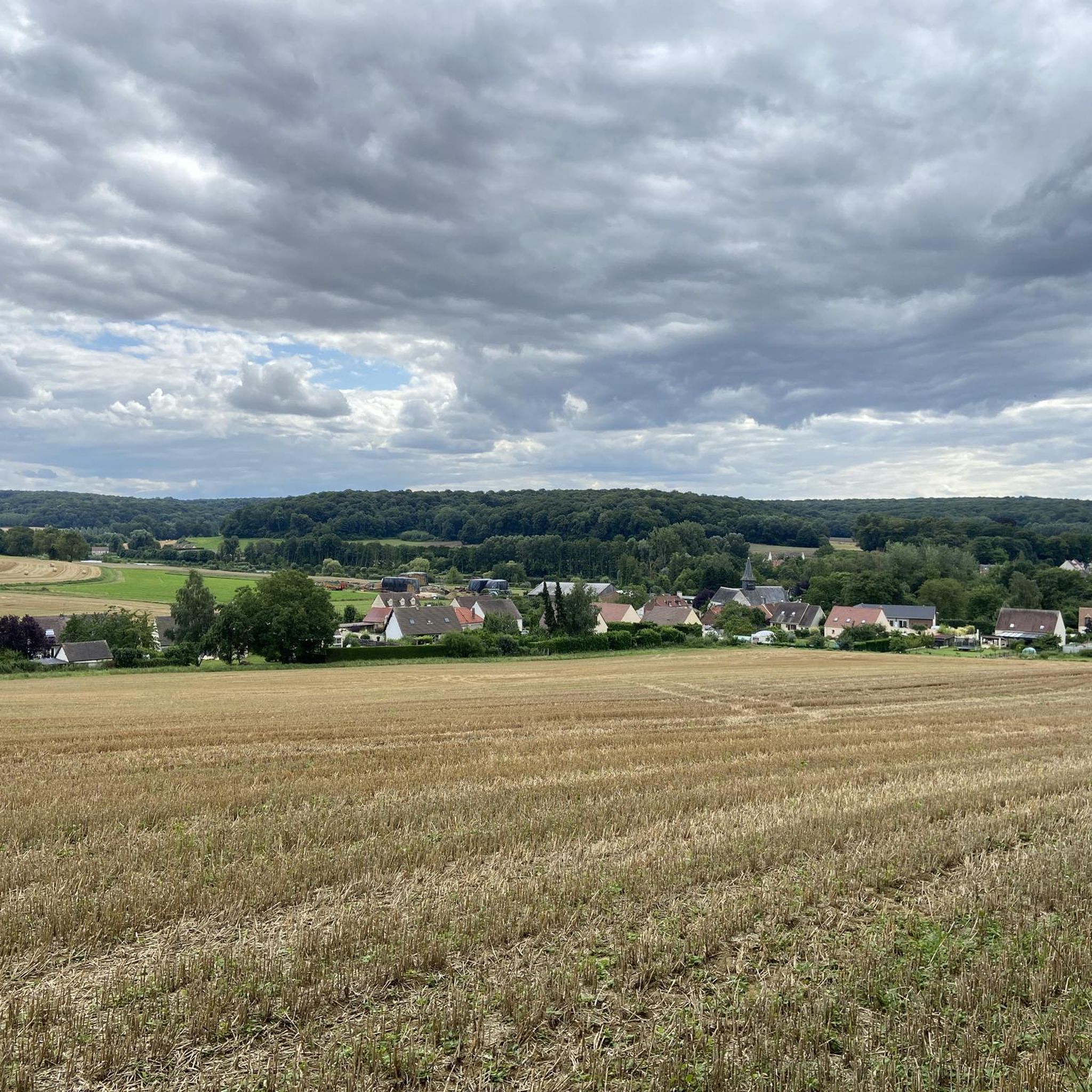
Very nice route starting from Tracy le Mont or St Crepin au bois.
0
0
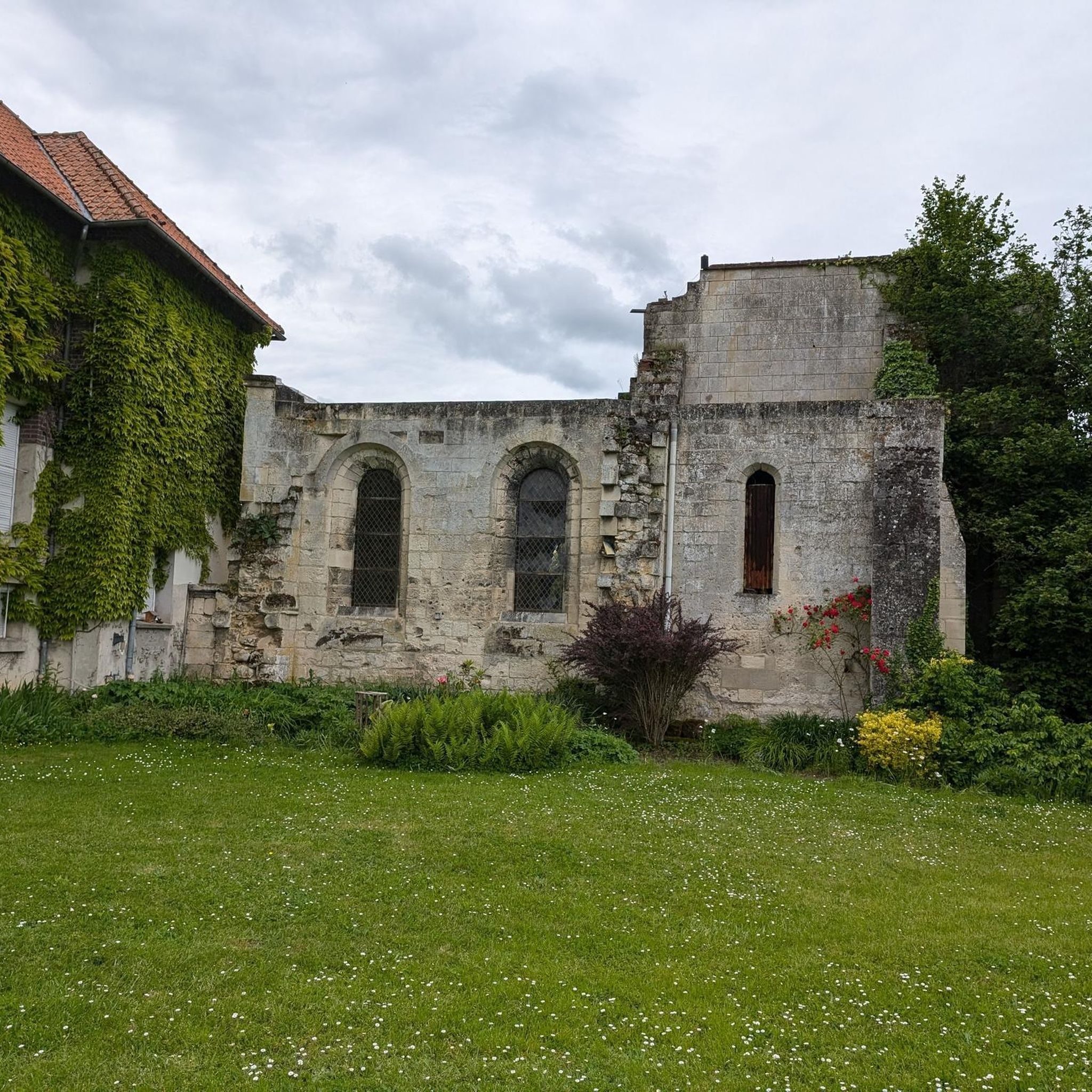
Isolated on the edge of the park of the Château d'Offémont, the ruins of the former Sainte-Croix priory seem doomed to inexorable deterioration. The priory was founded in 1331 by Jean 1er de Nesle to keep a fragment of the True Cross there. Four Célestins from the abbey of Saint-Pierre-en-Chastres, in the forest of Compiègne, had been called for the occasion. The priory had been richly endowed by the lords of Offémont, who reserved their burial there. The Duke of Orléans founded a chapel there in 1403 and the priory also benefited, at that time, from the liberalities of Gérard d'Arthies, archbishop of Besançon, lord of Moyencourt. The priory disappeared in 1779.
2
0
Frequently Asked Questions
How many hiking trails are available around Nampcel?
There are over 80 hiking routes around Nampcel, offering a wide range of options for different preferences and fitness levels. These include 37 easy routes and 51 moderate routes, ensuring there's something for everyone to explore the region's forests and natural beauty.
What kind of terrain and elevation can I expect on hikes near Nampcel?
Hikes around Nampcel primarily feature varied terrain within extensive woodlands. While many routes are relatively flat, some offer moderate elevation changes, particularly around natural features like Mont Ganelon. The trails often lead through forests such as Forêt de Laigue and the expansive Forêt de Compiègne, providing a mix of forest paths and open areas.
Are there any family-friendly hiking options in the Nampcel area?
Yes, Nampcel offers several family-friendly hiking options, particularly among the 37 easy routes available. These trails are generally shorter and have less elevation gain, making them suitable for families with children. Many routes wind through the tranquil forests, providing a pleasant and safe environment for all ages.
Can I bring my dog on the hiking trails around Nampcel?
Most hiking trails in the Nampcel area, especially those through the extensive forests, are generally dog-friendly. It's always recommended to keep your dog on a leash, particularly in nature reserves or areas with wildlife, and to follow local regulations regarding pets. Ensure you carry water for your dog, especially on longer routes.
What are some notable landmarks or natural features to see while hiking near Nampcel?
While hiking near Nampcel, you can discover several interesting landmarks and natural features. Consider visiting the Ruin of the priory of Ste Croix, which is part of a popular loop trail. Other nearby attractions include Château Mennechet and the impressive Notre-Dame de Noyon Cathedral. The region's extensive forests, like the Forêt de Compiègne, are natural highlights in themselves.
Are there any circular hiking routes available around Nampcel?
Yes, many of the hiking routes around Nampcel are circular, allowing you to start and end at the same point. For example, the Carlepont 5.2km loop from Carlepont is a popular circular trail. Another option is the Ruin of the priory of Ste Croix loop from Tracy-le-Mont, which offers a moderate circular experience through historical sites and forested landscapes.
What do other hikers say about the trails in Nampcel?
The hiking trails in Nampcel are highly regarded by the komoot community, with an average rating of 4.5 stars from over 120 reviews. Hikers often praise the tranquil forest settings, the well-maintained paths, and the diverse natural environments that make for an enjoyable outdoor experience.
Are there any easy hiking trails for beginners near Nampcel?
Absolutely. Nampcel offers 37 easy hiking routes perfect for beginners or those looking for a relaxed walk. These trails typically have minimal elevation gain and cover shorter distances, making them accessible for all fitness levels. They are ideal for enjoying the natural beauty of the surrounding forests without a strenuous climb.
What are the best times of year to go hiking in Nampcel?
The best times to go hiking in Nampcel are generally spring, summer, and autumn. Spring brings blooming flora, while summer offers warm weather for exploring the shaded forest trails. Autumn is particularly beautiful with vibrant fall foliage. Winter hiking is also possible, though conditions may vary, and some paths could be muddy or icy.
Are there any routes that feature ponds or water bodies?
Yes, some routes around Nampcel incorporate local ponds and water bodies into their scenery. For instance, the Tracy le Val ponds – Carlepont 5.2km loop from Tracy-le-Val is a moderate trail that features picturesque ponds alongside woodland paths, offering a refreshing change of scenery.
Where can I find parking for hiking trails around Nampcel?
While specific parking details vary by trailhead, most popular hiking areas and villages near Nampcel, such as Tracy-le-Mont, Tracy-le-Val, and Carlepont, offer designated parking spaces. It's advisable to check local signage upon arrival or consult route descriptions for recommended starting points with parking facilities.
Are there any historical sites accessible via hiking trails?
Yes, the region around Nampcel is rich in history, and some hiking trails lead to or pass by historical sites. A notable example is the Ruin of the priory of Ste Croix loop from Tracy-le-Mont, which allows you to explore the historical ruins within a forested setting. The Forêt de Compiègne itself has historical significance with numerous markers and trails.
Most popular attractions around Nampcel

Get inspired with the komoot mobile app


Explore more
Browse the best Hikes in other regions.
