Attractions and Places To See around Les Mesneux - Top 20
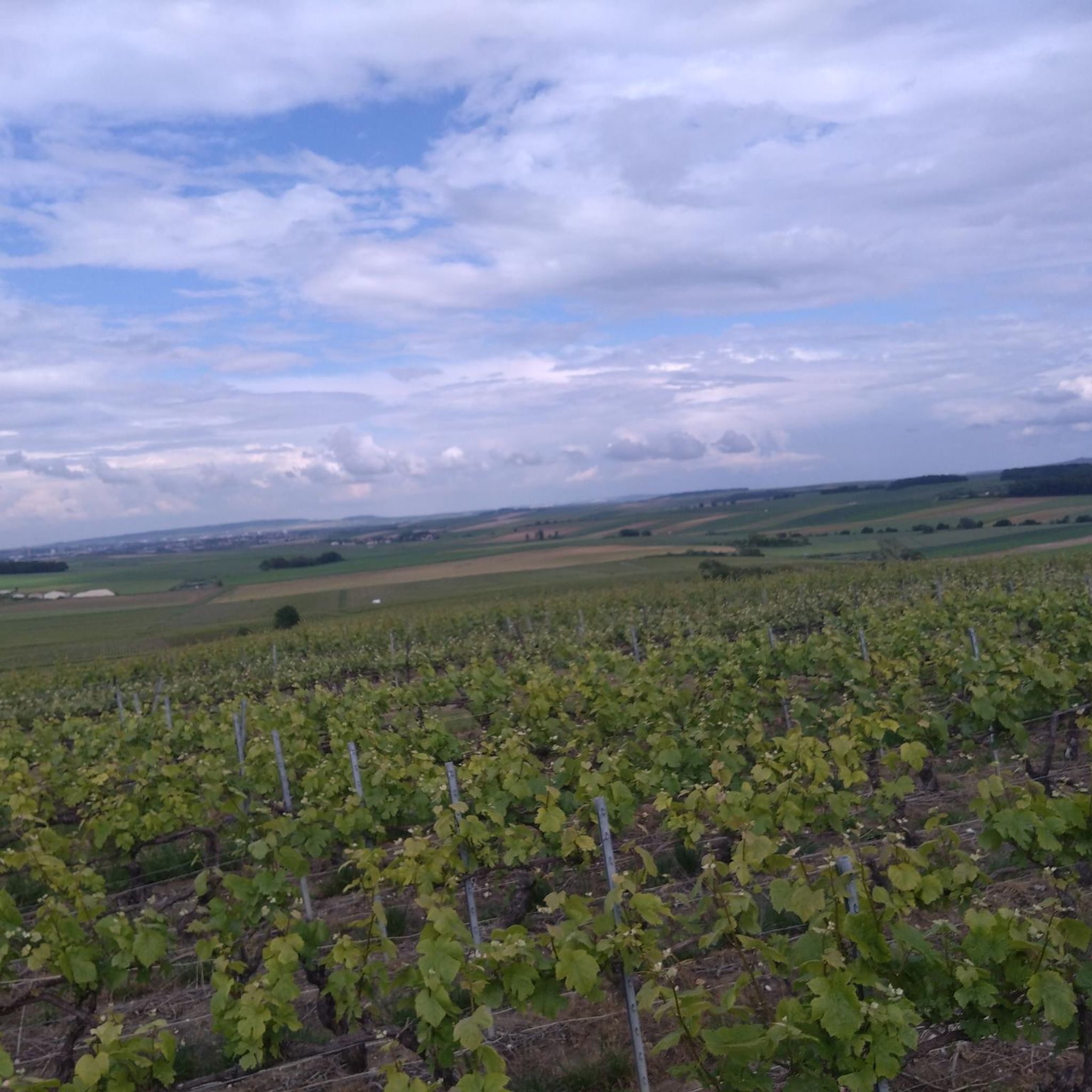
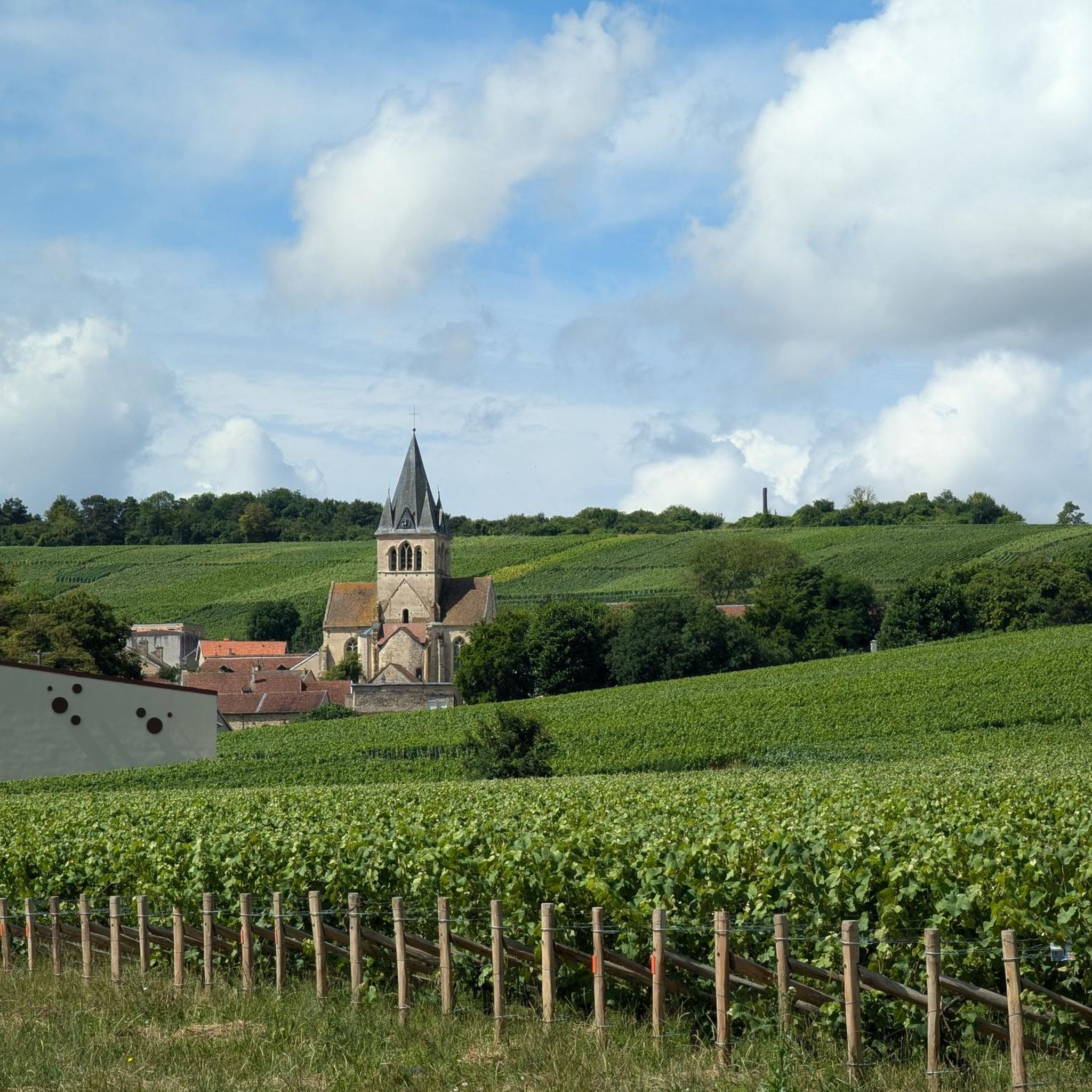
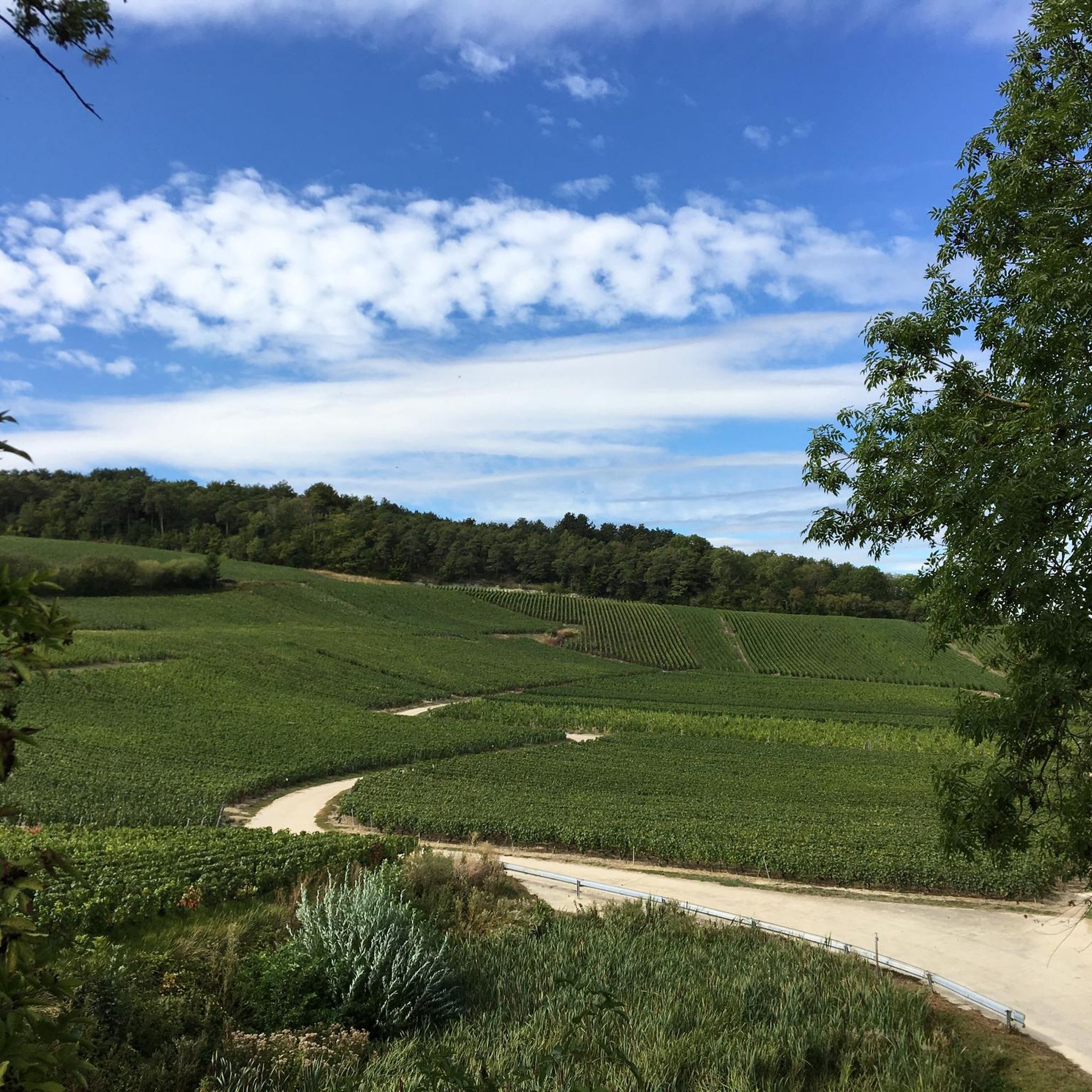
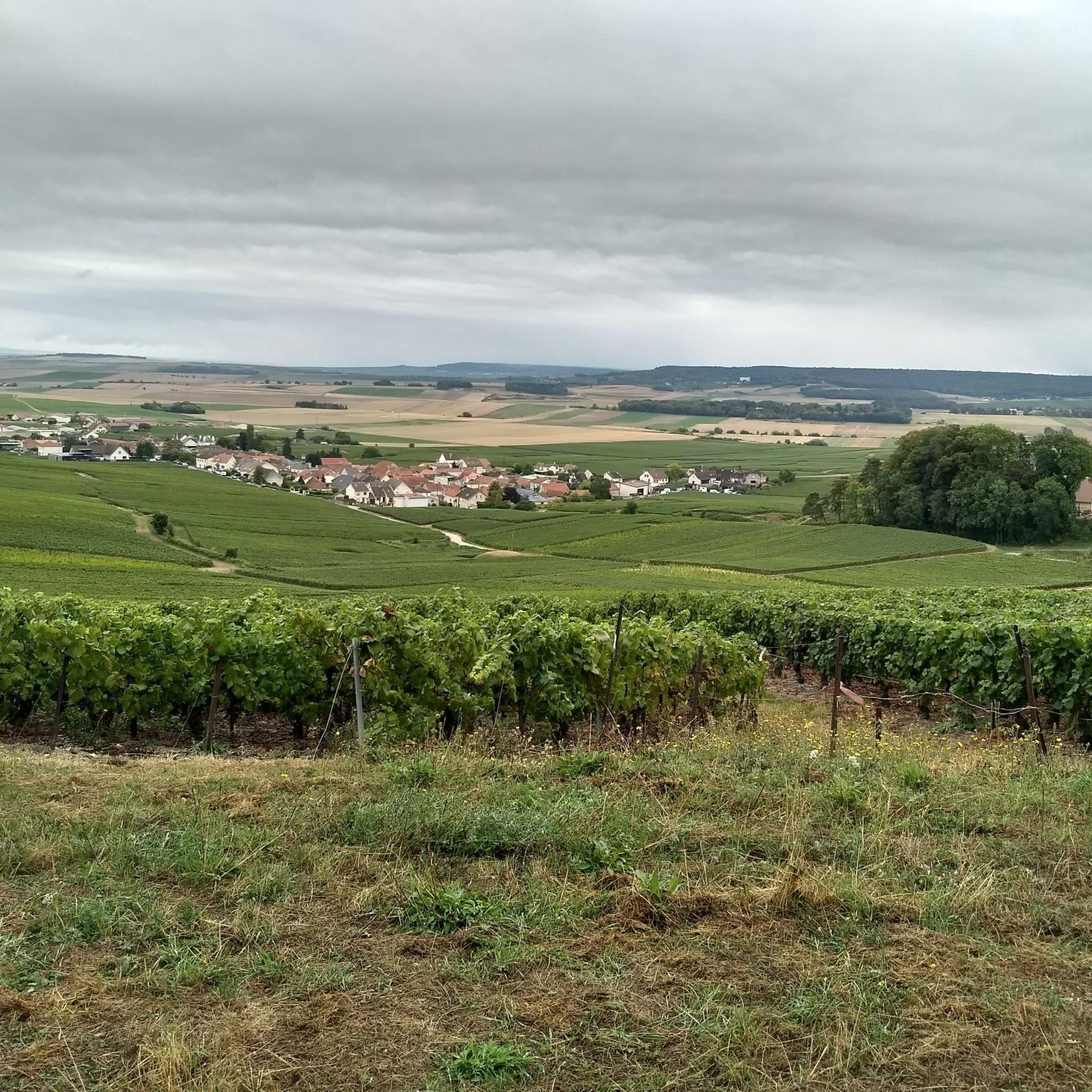
Best attractions and places to see around Les Mesneux include its setting within the Champagne vineyards and at the foot of the Montagne de Reims. This charming village in the Marne department features the historical St. Remi Church, an early 12th-century Romanesque edifice. Les Mesneux serves as a tranquil base for exploring the wider Champagne region, including nearby Reims and Epernay.
Best attractions and places to see around Les Mesneux
- The most popular attractions is Place Royale (Reims), a…
Last updated: July 2, 2026
Coulée Verte de Reims
Highlight • Trail
Translated by Google •
Tip by

Place Royale (Reims)
Highlight • Monument
Translated by Google •
Tip by

Sign up now to discover places like this
Get recommendations on the best single tracks, peaks, & plenty of other exciting outdoor places.
Sign up for free
Subé fountain
Highlight • Monument
Translated by Google •
Tip by
Mars Gate
Highlight • Historical Site
Translated by Google •
Tip by
Equestrian Statue of Joan of Arc
Highlight • Monument
Translated by Google •
Tip by

Sign up for free to discover even more attractions around Les Mesneux.
Sign up for free
Already have an account?
Start today with a free account
Your next adventure awaits.
Login or Signup

Tips from the Community

The cycle path offers the possibility to park outside and cycle into the city in a relaxed manner.
0
0

Under the central arch is a calendar depicting the activities and tasks of agriculture and viticulture: grape pressing, harvesting, etc. A calendar can be seen here through the carved reliefs. Under the eastern arch, we can see a she-wolf suckling Romulus and Remus. According to legend, it was Remus who founded Reims. Finally, under the western arch, we can see Leda being seduced by Jupiter.
1
0
This ancient monument is one of the longest in the Roman world: it is approximately 32 meters long and 12 meters high! The Mars Gate was built towards the end of the 2nd century and is the only one of the four monumental arches providing access to the city of Durocortorum that has survived. It consists of three arcades. The central arch carried the city's major north-south axis, intended for the passage of carriages. The two side arcades were used by pedestrians.
1
0

The monument survived destruction because it was walled up inside the Archbishop's castle in the 13th century, which inadvertently preserved it for future generations.
3
1
The Porte de Mars is a 3rd-century Roman monument in Reims, France, representing the widest arch in the entire Roman world at 33 meters long and 13 meters high. Originally built as one of four monumental arches at the cardinal entrances to ancient Durocortorum, it's the only surviving example of these grand structures. The arch features three decorated archways with intricate relief carvings, including scenes of Romulus and Remus with the she-wolf, agricultural calendars showing Gallic harvesters, and mythological figures like Leda and Zeus.
3
1
The square sits on the site of the ancient Roman forum of Durocorturum and follows the original Roman street layout with the main axes (Cardo and Decumanus). The architect Jean-Gabriel Legendre was married to the sister of Sophie Volland, who was the famous correspondent of philosopher Denis Diderot.
4
1
a historic square in central Reims that was built in the 18th century after demolishing a maze of narrow medieval streets that were so cramped that Queen Marie Leszczyńska couldn't pass through with her carriage. The square was designed by architect Jean-Gabriel Legendre and features orderly architecture typical of royal squares, with a central monument that originally honored Louis XV but was replaced after the French Revolution. Construction began in 1758 and cost 620k livres, significantly more than originally budgeted, and the square remained incomplete until 1910.
4
1
From its inauguration, residents criticized the fountain's weak water flow of only 12 liters per second, and the nude naiads representing the rivers caused public controversy. During World War II, German occupiers removed the bronze statue, but remarkably the fountain remained intact despite 60% of Reims being destroyed during the war.
4
3
Frequently Asked Questions
What are some popular attractions near Les Mesneux?
Beyond the charm of Les Mesneux itself, popular attractions in the nearby city of Reims include the Place Royale, a grand square honoring Louis XV, and the ancient Mars Gate, a Roman triumphal arch. For outdoor enthusiasts, the Coulée Verte de Reims offers a green corridor for various activities.
What historical and cultural sites can I visit in and around Les Mesneux?
In Les Mesneux, the primary historical site is the St. Remi Church, an early 12th-century Romanesque edifice with a rich history. Nearby Reims boasts significant cultural landmarks such as the UNESCO World Heritage site Reims Cathedral, the former archbishop's palace Palais du Tau, and the impressive Saint-Remi Basilica. The Mars Gate, a 3rd-century triumphal arch, is also a notable historical monument.
Are there any natural attractions or scenic viewpoints near Les Mesneux?
Les Mesneux is nestled at the foot of the Montagne de Reims and within the heart of the Champagne vineyards, offering picturesque rural landscapes. The Coulée Verte de Reims provides a beautiful green strip along the canal and River Vesle, perfect for enjoying nature. The wider Montagne de Reims Regional Natural Park also offers opportunities to explore vineyards and forests.
What cycling routes are available near Les Mesneux?
The area around Les Mesneux is excellent for cycling. You can find various routes for different styles:
- For Road Cycling, explore options like the 'Verzenay Windmill – Route du vignoble loop' or the 'Saint-Nicolas Church loop'.
- Gravel biking enthusiasts can try routes such as 'Reims green corridor – View of the canal loop'.
- General Cycling routes include the 'Abbaye de Hautvillers – Aussichtspunkt loop' or the 'Saint-Remi Church – Champagne bottle racing bike loop'.
Are there opportunities for walking or hiking around Les Mesneux?
Yes, the region offers several walking opportunities. The Coulée Verte de Reims is a popular choice for walks and jogging, stretching for about 24 kilometers. Additionally, the nearby Montagne de Reims Regional Natural Park provides numerous trails through vineyards and forests, perfect for hiking.
Are there family-friendly activities around Les Mesneux?
Families can enjoy the Coulée Verte de Reims, which offers a safe and scenic environment for walking and cycling. The Subé fountain in Reims is also considered family-friendly, providing an interesting landmark in the city center. Exploring the charming village of Les Mesneux itself, with its quiet streets and historical church, can also be a pleasant family outing.
Which attractions are wheelchair accessible?
Several key attractions in the area are wheelchair accessible. These include the Place Royale and the Mars Gate in Reims, both significant historical sites. The Subé fountain is also accessible, located in the center of Reims.
What is the best time of year to visit Les Mesneux and the Champagne region?
The best time to visit Les Mesneux and the Champagne region is generally from late spring to early autumn (May to October). During these months, the weather is pleasant for exploring the vineyards, enjoying outdoor activities, and visiting the towns. The harvest season in September and October offers a unique experience, though it can be busier.
Are there any dog-friendly places or walks near Les Mesneux?
Yes, the Subé fountain in Reims is noted as dog-friendly. Many of the outdoor areas, such as the Coulée Verte de Reims and trails within the Montagne de Reims Regional Natural Park, are generally suitable for walks with dogs, though it's always advisable to keep them on a leash and check local regulations.
What are some 'hidden gems' or lesser-known attractions in the area?
While not entirely hidden, the St. Remi Church in Les Mesneux itself is a beautiful, ancient Romanesque church often overlooked by visitors rushing to Reims. The village's quiet charm and its setting amidst the UNESCO-listed Champagne vineyards offer a tranquil experience away from the larger crowds. The archaeological findings, such as a Merovingian necropolis and a 3rd-century treasure, hint at the area's deep, less-publicized history.
What do visitors enjoy most about the attractions around Les Mesneux?
Visitors particularly appreciate the blend of historical significance and natural beauty. The ancient Roman and Gothic architecture in Reims, like the Mars Gate and Place Royale, receives high praise. The tranquil green spaces, such as the Coulée Verte de Reims, are loved for relaxation and outdoor activities. The overall experience of being in the heart of the Champagne vineyards is also a major draw.
Can I visit Champagne houses near Les Mesneux?
Absolutely. Les Mesneux is situated in the heart of the Champagne vineyards. While the village itself has local winegrowers, the nearby cities of Reims and Epernay are renowned for their prestigious Champagne houses. Many offer tours and tastings, often with cellars dug into ancient chalk quarries (crayères). You can find more information on visiting Champagne houses through local tourism resources, such as Reims Tourism.
Most popular routes around Les Mesneux

Get inspired with the komoot mobile app


Explore more
Still not found the Highlight you’re looking for? See guides of the top attractions in other regions:
