The best walks and hikes around Ouchamps
4.3
(148)
917
hikers
131
hikes
Hiking around Ouchamps offers a network of trails through varied landscapes. The region is characterized by its gentle terrain, featuring woodlands, open fields, and historical points of interest. Elevation changes are generally modest, making many routes accessible for different skill levels. The area provides opportunities for exploring the natural environment and local heritage on foot.
Best hiking trails around Ouchamps
- The most popular hiking route is Croix de Pierre Circuit, a 4.9 miles (7.8 km) trail that takes 2…
Last updated: July 5, 2026
4.5
(2)
8
hikers
7.85km
02:01
40m
40m
Moderate hike. Good fitness required. Mostly accessible paths. Sure-footedness required.
2
hikers
15.7km
04:04
90m
90m
Moderate hike. Good fitness required. Easily-accessible paths. Suitable for all skill levels.

Sign up for free
4.3
(4)
12
hikers
Moderate hike. Good fitness required. Easily-accessible paths. Suitable for all skill levels.
5.0
(1)
10
hikers
Moderate hike. Good fitness required. Easily-accessible paths. Suitable for all skill levels.
5.0
(1)
5
hikers
8.69km
02:14
40m
40m
Moderate hike. Good fitness required. Easily-accessible paths. Suitable for all skill levels.
Get access to more routes and recommendations from other explorers.
Sign up for free
Already have an account?
Our route recommendations are based on thousands of hikes, rides, and runs completed by other people on komoot.
Start today with a free account
Your next adventure awaits.
Login or Signup
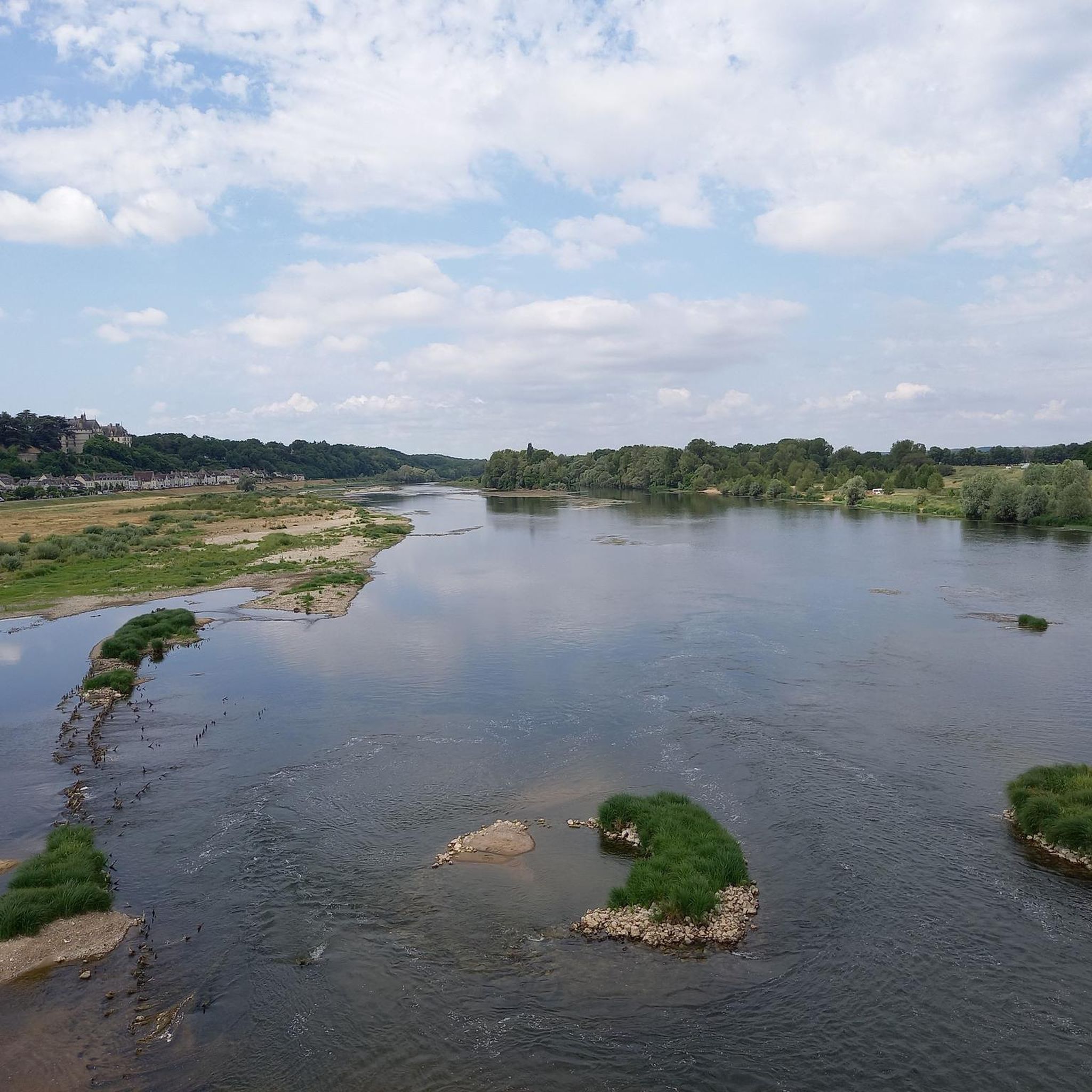
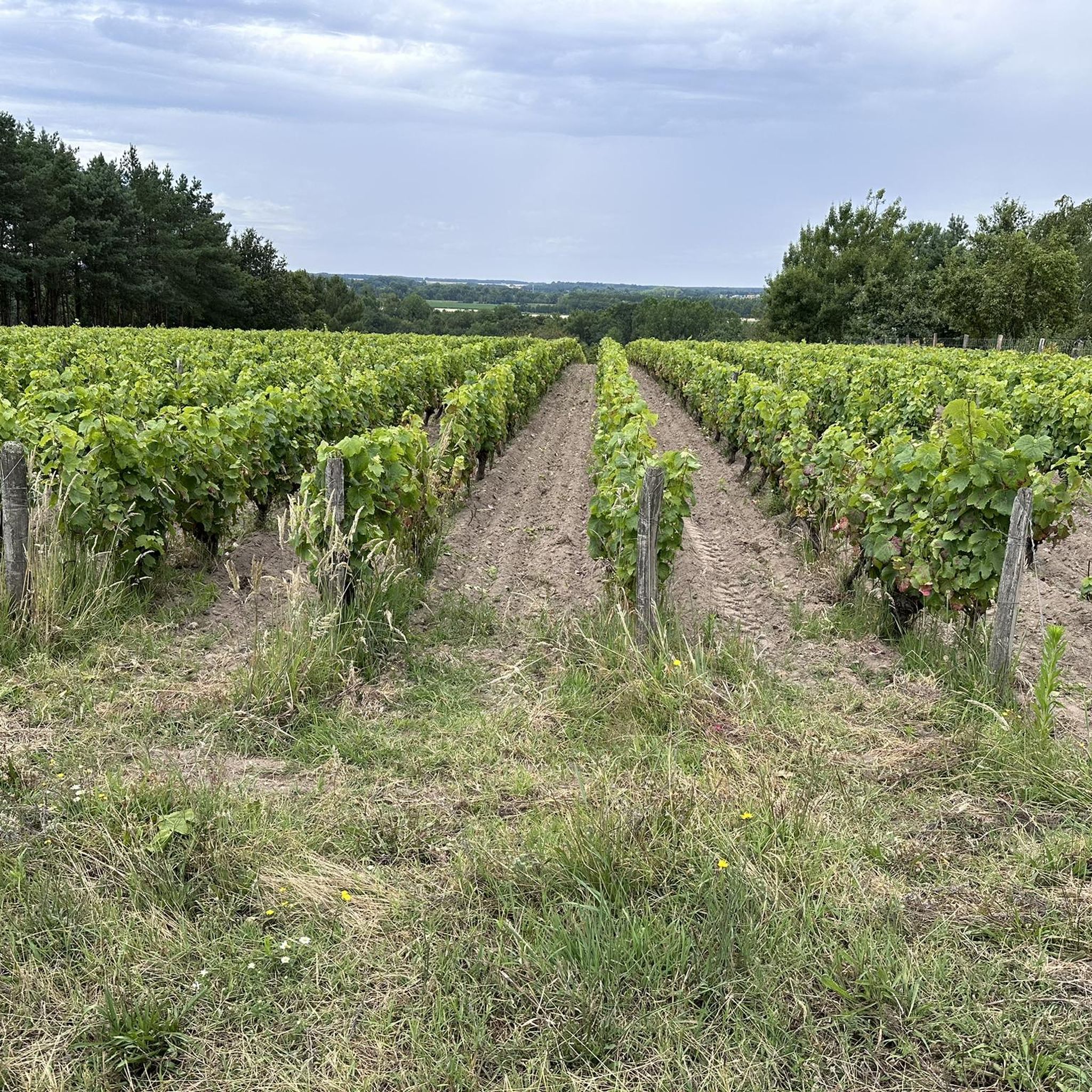
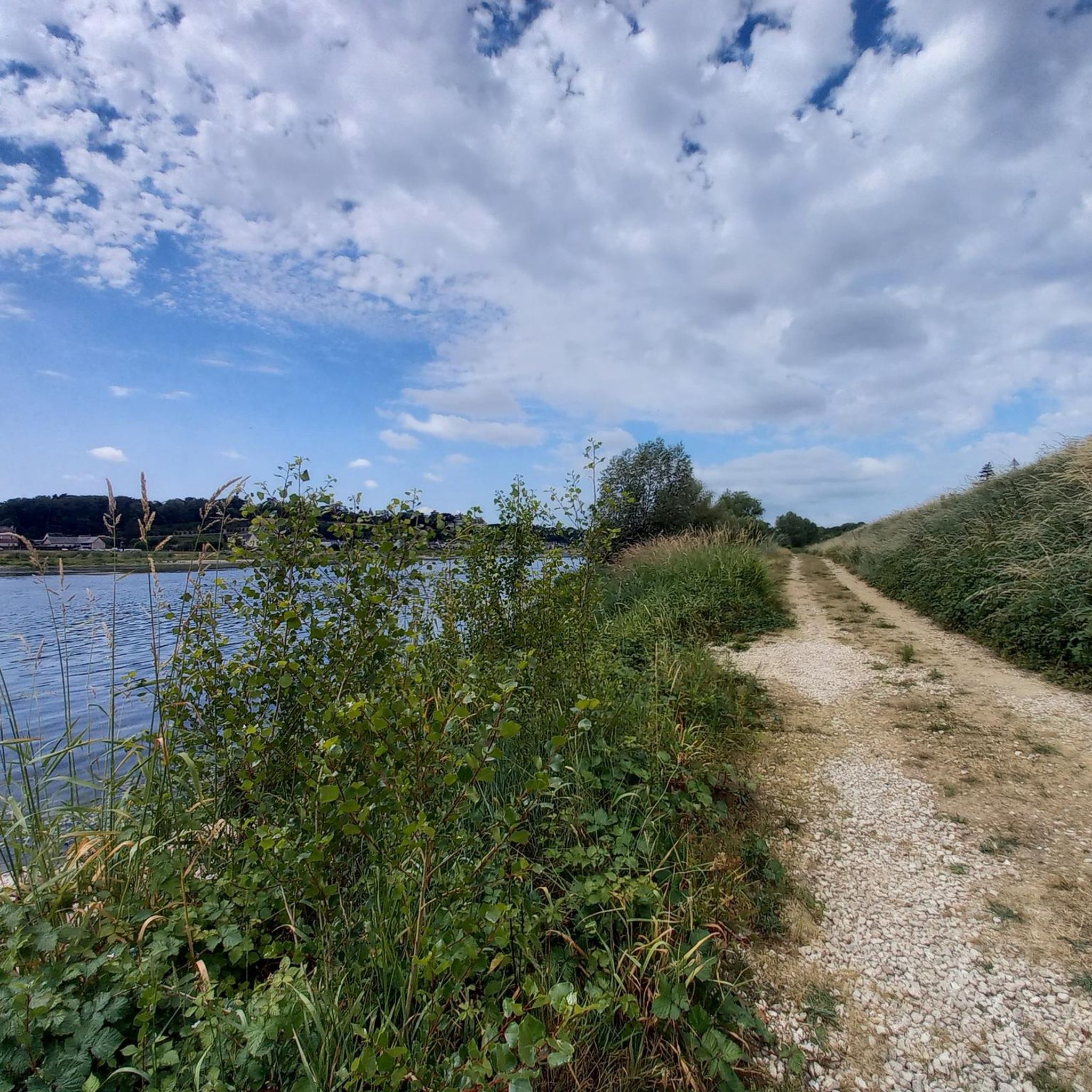
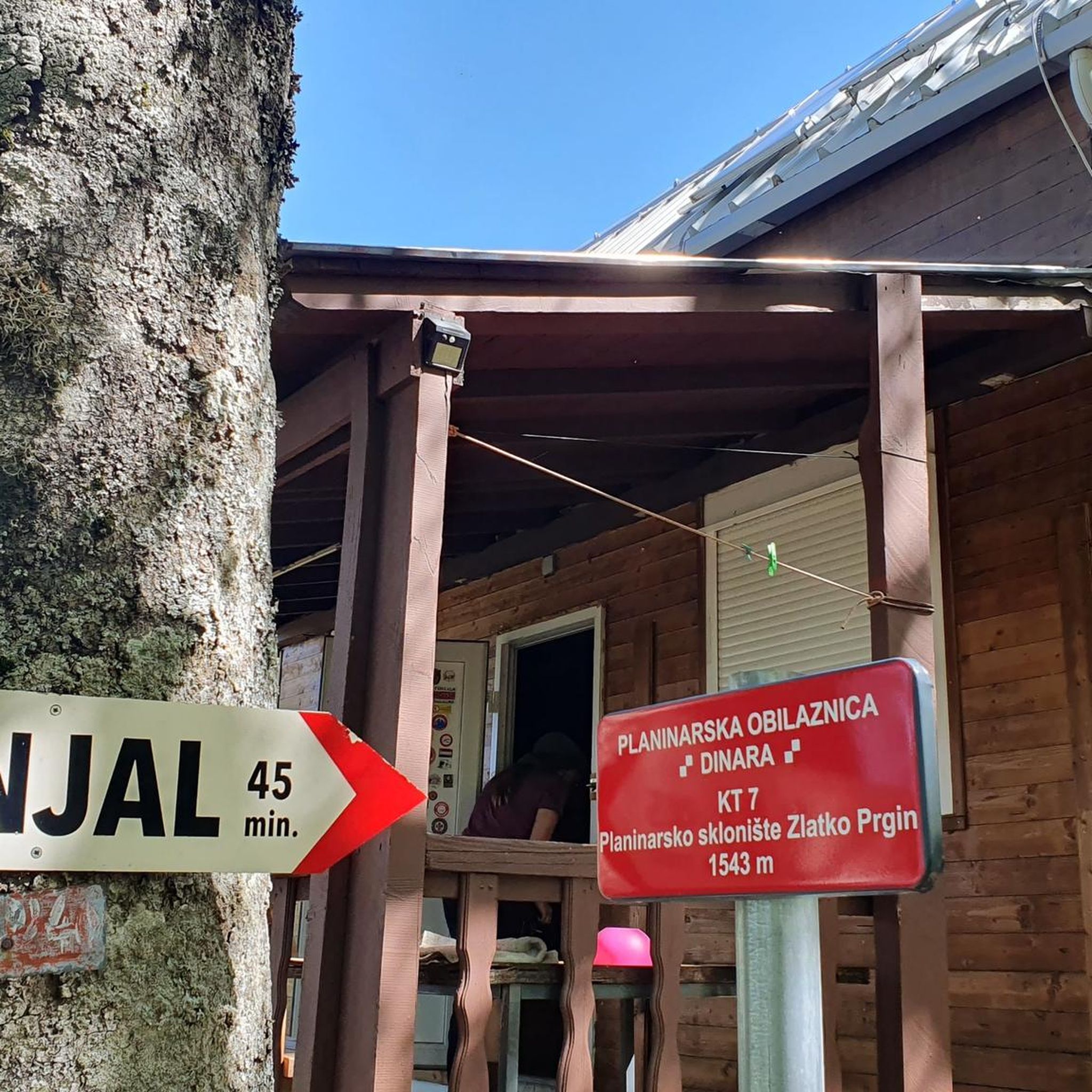
Tips from the Community

Small castle away from the crowds in a small sleepy town.
1
0

Located in the heart of the Loire Valley, the castle of Fougères-sur-Bièvre built at the end of the 15th century is the image of the ideal fortified castle with its keep, its machicolated entrance curtain and its fortified postern. Built by Pierre de Refuge and modified by Jean de Villebresme around 1520, the castle acquired its definitive appearance in three generations and will retain it. A castle designed for entertaining, its defensive Gothic architecture allows Pierre de Refuge to assert his social status and his belonging to the French nobility. Acquired by the Lambot family in 1738, René Lambot had the idea of creating a spinning mill in the castle from 1813 to 1901. This made it possible to largely preserve it from revolutionary damage and to maintain life and activity there. Classified as a historic monument in 1912, put up for sale after the stock market crash of 1929, the castle of Fougères-sur-Bièvre was acquired by the State in 1932. The castle of Fougères-sur-Bièvre has a double face: an entrance facade with a particularly defensive Gothic appearance and a courtyard facade decorated with Renaissance decorations. Particularly well preserved, the castle today remains very close to that of 1525-1530 with its military exterior facade, the civil and domestic architecture of its interior courtyard and its medieval interior plan with rooms in a row without distribution corridors. The castle of Fougères-sur-Bièvre stands out from the great castles of the Loire by its sober and powerful architecture, very little altered over the centuries. It illustrates the art of building in the region with its walls made of limestone rubble from Beauce and its sculpted parts in tuffeau from the banks of the Cher. Young and old alike will easily find all the military attributes and the interior layout of a particularly well-preserved small castle from the end of the 15th century.
1
0

The Montils Castle Tower is a 13th century tower which was part of a castle belonging to the lords of Montils. You can admire the architecture and history of the tower, which served as a prison, watchtower and refuge during the Hundred Years' War.
4
0
The Sainte-Madeleine Church in Les Montils, 12th century Romanesque church dedicated to Mary Magdalene, witness to the resurrection of Jesus Christ. You can admire the architecture and decoration of the church, which was rebuilt in the 19th century and has retained its original portal.
3
0

The Etang de Salais belongs to one of these paradises for fisherman. Dug at the exit of the large wood of Saint-Lomer, you will find many rods in search of carp. The place is also of a relaxing calm that invites you to take a siesta.
1
0
The wood of Saint-Lomer is a vast forest with abundant fauna and flora. The absence of a main road and the structure of its land (made of swamp and sediment) allows nature to exalt itself. Take the time to walk there and why not, to get lost.
0
0
The first constructions of the fortified castle of Fougères-sur-Bièvre date back to the 15th century. Of Gothic architecture, it was classified as a historical monument in 1912. It is currently owned by the State. The castle is open to the public during tourist seasons. More information on: https://www.fougeres-sur-bievre.fr.
1
0

Frequently Asked Questions
How many hiking trails are available around Ouchamps?
There are over 130 hiking trails around Ouchamps, offering a wide range of options for different skill levels. You'll find a good mix of easy, moderate, and a few more challenging routes to explore the region's woodlands, fields, and historical sites.
Are there easy or family-friendly hiking trails around Ouchamps?
Yes, Ouchamps is well-suited for easy and family-friendly walks, with over 50 routes classified as easy. The terrain is generally gentle with modest elevation changes, making it accessible for beginners and families with children. Many trails wind through pleasant woodlands and open fields.
What kind of terrain can I expect on hikes in Ouchamps?
The hiking trails around Ouchamps feature gentle terrain, characterized by woodlands, open fields, and occasional historical points of interest. Elevation changes are generally modest, providing a comfortable hiking experience without strenuous climbs.
Are there any circular hiking routes in Ouchamps?
Yes, many of the trails around Ouchamps are circular, allowing you to start and end your hike at the same point. For example, the Shelter by the Water – Saint Mary Magdalene Church loop from Les Montils is a moderate 11.9 km circular route, and the Church of Seur loop from Seur offers an 8.7 km option.
What can I see along the hiking trails around Ouchamps?
Many trails in the Ouchamps area pass by significant historical and natural landmarks. You can discover impressive châteaux like Cheverny Castle or Chaumont-sur-Loire Castle. Some routes also offer views of the Port of Chaumont-sur-Loire or the Jacques-Gabriel Bridge and View of Blois.
Are there any castles accessible via hiking routes in the region?
Absolutely! The Ouchamps area is rich in historical castles. You can find routes that lead past or offer views of magnificent structures such as Cheverny Castle, Chaumont-sur-Loire Castle, Blois Castle, and Fougères-sur-Bièvre Castle. The 'From Castles to Castles' route is a prime example of exploring these historical gems.
What do other hikers enjoy the most about hiking in Ouchamps?
The hiking experience in Ouchamps is highly rated by the komoot community, with an average score of 4.2 stars from over 120 reviews. Hikers often praise the region's diverse landscapes, including quiet woodlands and open fields, as well as the opportunity to discover historical sites and castles along the way.
Is Ouchamps a good destination for winter hiking?
While Ouchamps offers pleasant hiking conditions for much of the year, winter hiking can be enjoyed, especially on the region's generally flat and well-maintained paths. Always check local weather conditions before heading out, as some trails might be muddy or slippery after rain or frost. The gentle terrain typically avoids deep snow accumulation.
Are there any challenging hikes around Ouchamps?
While the majority of routes in Ouchamps are easy to moderate, there are a few more challenging options for those seeking a longer or slightly more strenuous experience. These routes typically involve greater distances rather than significant elevation gain, allowing for extended exploration of the varied landscape.
Can I find places to eat or drink near the hiking trails in Ouchamps?
The Ouchamps region, being part of the Loire Valley, has charming villages and towns where you can often find local cafes, restaurants, or bakeries. While specific cafes might not be directly on every trailhead, many routes pass through or near communities where refreshments are available. Planning your route with komoot can help identify such spots.
What is the best time of year to go hiking in Ouchamps?
The best time to hike in Ouchamps is generally from spring to autumn (April to October). During these months, the weather is usually mild and pleasant, with blooming wildflowers in spring and vibrant foliage in autumn. Summer offers warm days, perfect for longer excursions, though it's advisable to start early to avoid the midday heat.
Are there opportunities to see wildlife while hiking in Ouchamps?
Hiking through the woodlands and open fields of Ouchamps provides opportunities to observe local wildlife. You might spot various bird species, small mammals like deer or rabbits, and a rich diversity of insects and plant life, especially in the quieter, less frequented areas. Early mornings or late afternoons are often the best times for wildlife spotting.
Most popular attractions around Ouchamps

Get inspired with the komoot mobile app


Explore more
Browse the best Hikes in other regions.
