Attractions and Places To See around Bourseville - Top 20
Attractions and places to see around Bourseville include a blend of historical landmarks and natural beauty. Situated on the Picardy coast, Bourseville provides access to the Bay of Somme and its diverse landscapes. The area features historical sites such as a 16th-century church and remnants from World War II, alongside natural attractions like the Ault Chalk Cliffs. This region offers a variety of points of interest for visitors.
Best attractions and places to see around Bourseville
- The most popular attractions…
Last updated: June 22, 2026
White route of the Bay of Somme
Highlight (Segment) • Cycleway
Showing Translation
Tip by

Belle Époque Houses of Mers-les-Bains
Highlight • Historical Site
Showing Translation
Tip by

Sign up now to discover places like this
Get recommendations on the best single tracks, peaks, & plenty of other exciting outdoor places.
Sign up for free
Ault Chalk Cliffs
Highlight • Natural Monument
Translated by Google •
Tip by

Saint Martin's Church
Highlight • Other
Translated by Google •
Tip by
Cape Hornu
Highlight • Beach
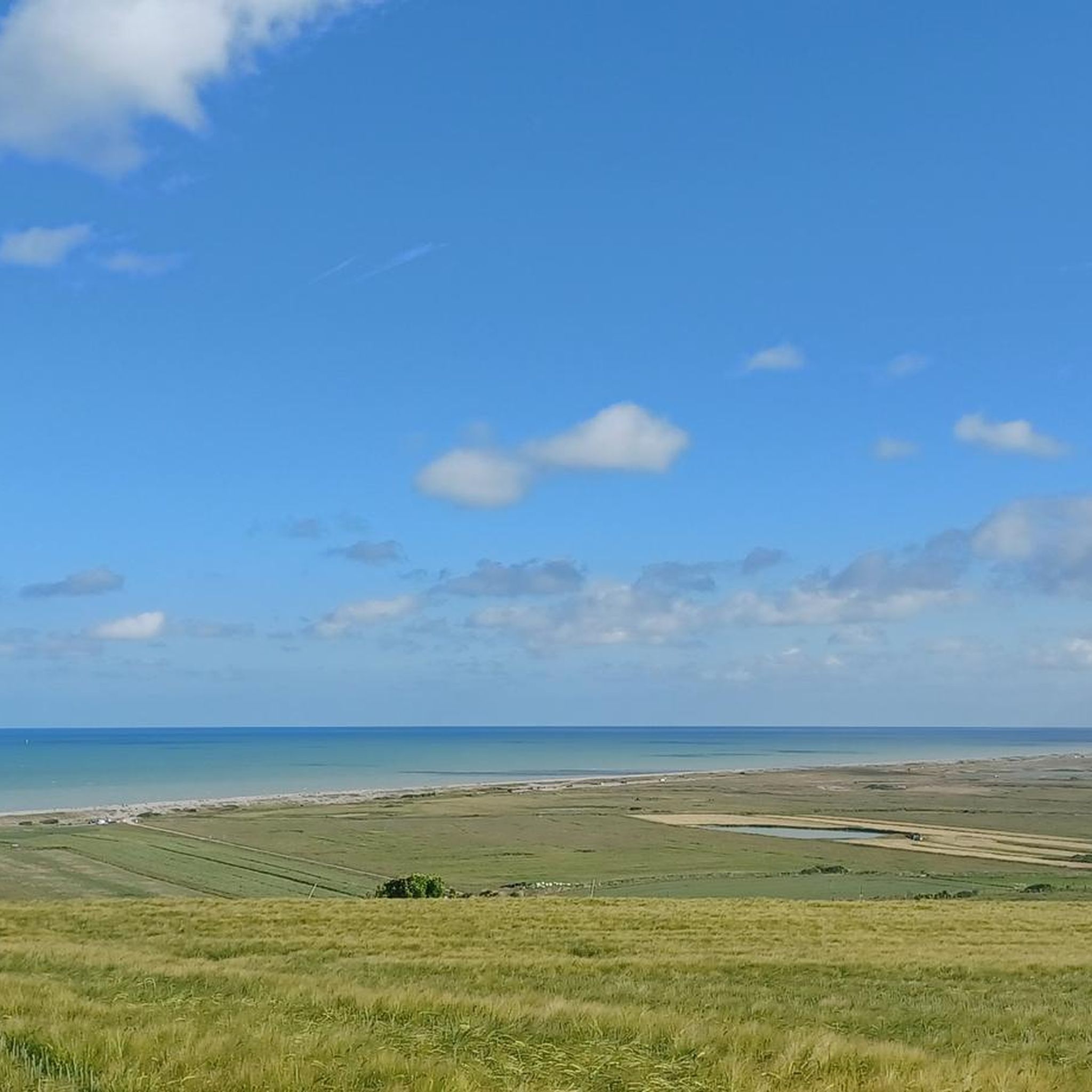
The name Cap Hornu comes from the Picard word “hornu”, which means “horned” …
Tip by
Sign up for free to discover even more attractions around Bourseville.
Sign up for free
Already have an account?
Start today with a free account
Your next adventure awaits.
Login or Signup

Tips from the Community


The current church, built in 1928 in the Romanesque-Byzantine style, is located in the oldest quarter of the city. It has a Latin cross plan, oriented northwest and southwest. The roof is slate, and the nave is covered with long sides and open gables. It features flamboyant stained-glass windows, a listed 17th-century altarpiece, and a Saint Martin's effigy.
0
0

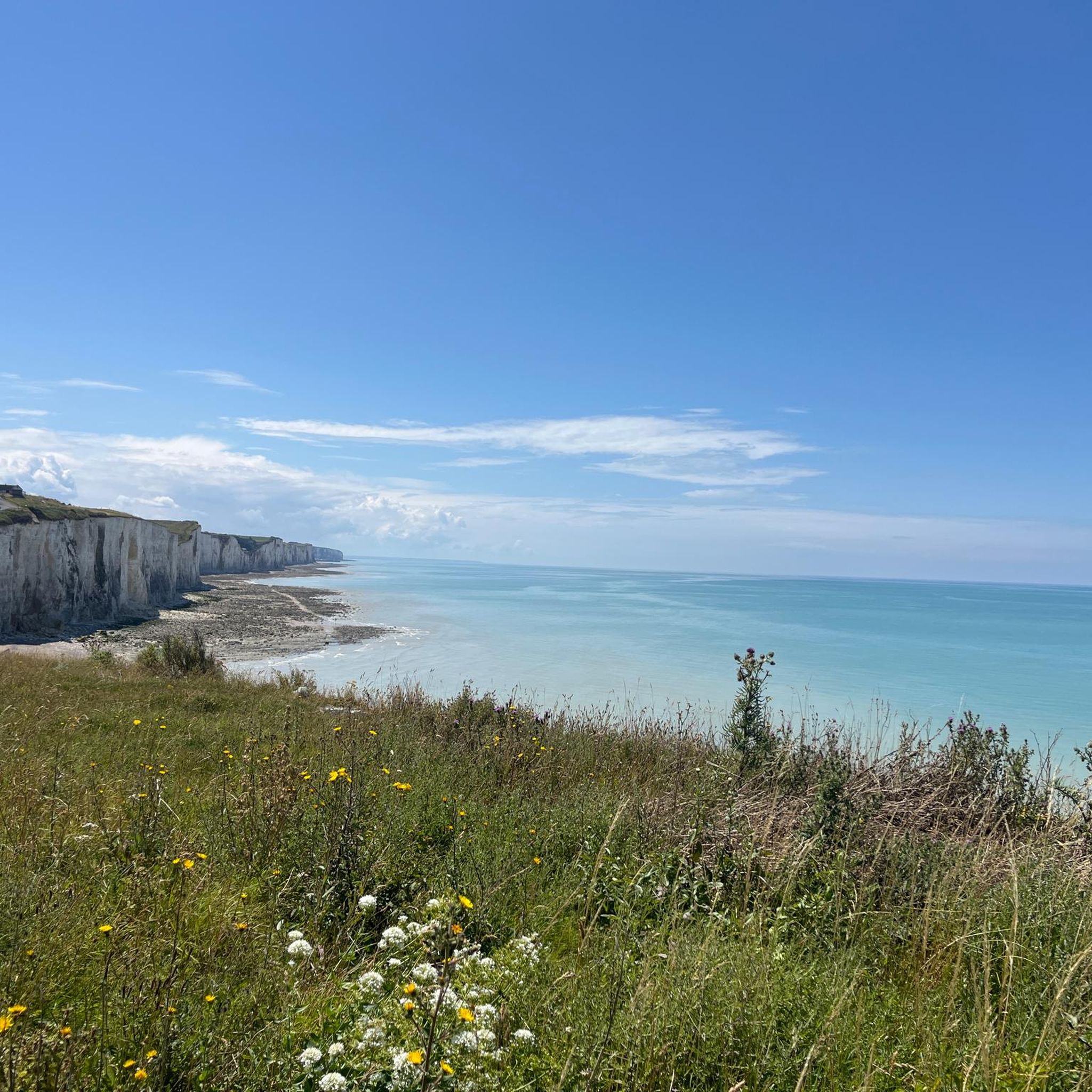
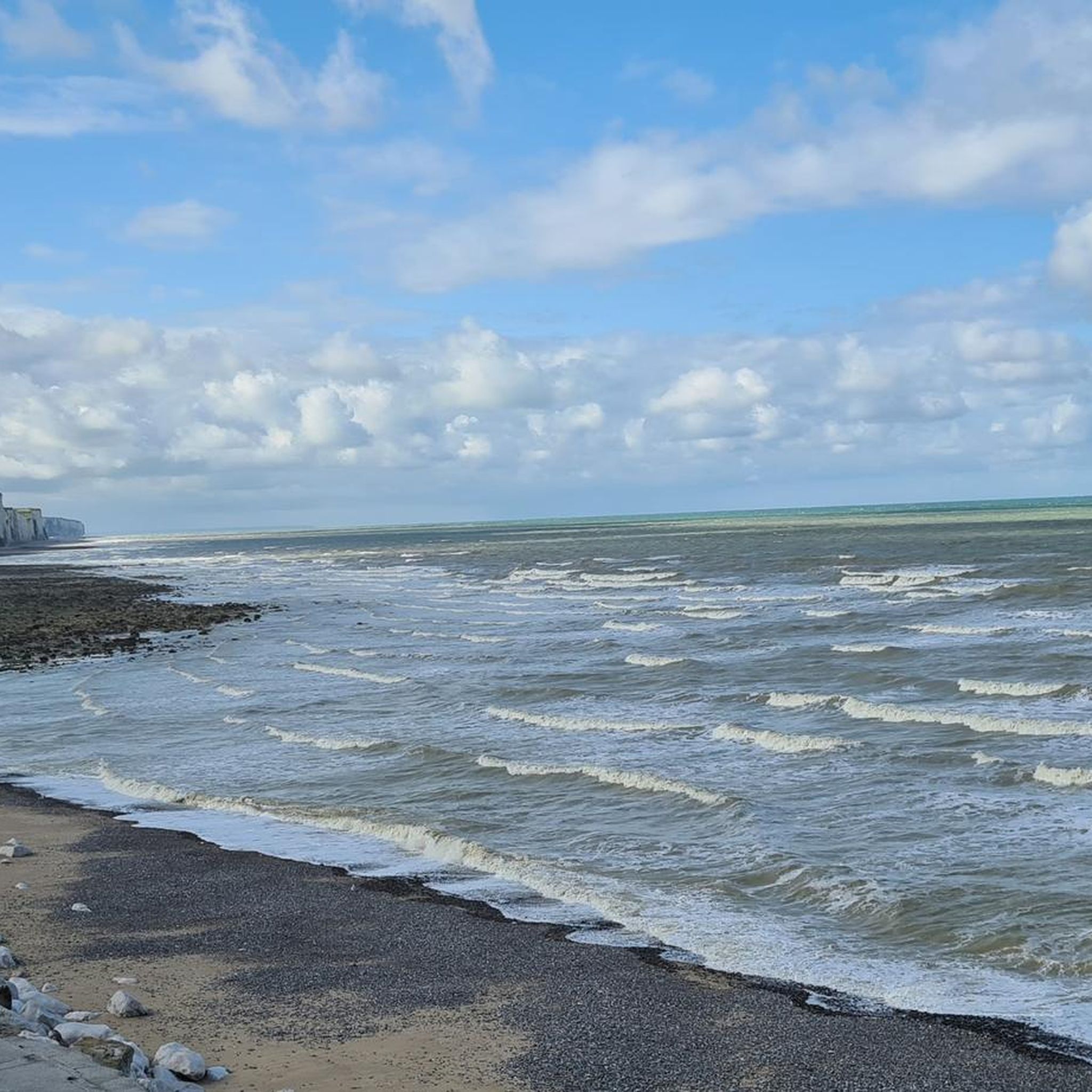
The cliffs are made of chalk and are impressive to look at.
3
0
The church is located in the oldest part of the city. From here, you can enjoy a magnificent view of the city.
4
0

The cliffs around the beach of Ault are composed of chalk from the Upper Cretaceous, more precisely from the Turonian and Coniacian (around 83 million years ago to 90 million years ago). They are strewn with flint nodules which highlight the subhorizontal stratification planes (the formation of flint has already been discussed in Discovery of the geology of the cliffs of Étretat, presentation of an excursion from the beach of Tilleul (Antifer) to the Porte d'Amont (Étretat Nord)). The relative proportion of chalk and flint is around 90-95% chalk to 5-10% flint. Flint horizons are stratigraphic markers. On the cliffs of Ault, the regular flint band called Seven Sisters is recognizable and characterizes the boundary between the Middle Coniacian and the Upper Coniacian (around 87 million years ago). The boundary between the lower and middle Coniacian is marked by the Shoreham 2 marl level, which is more difficult to identify. These lithostratigraphic markings allow in particular the correlation of distant deposits, such as between the Normandy and Picardy coasts, or between the French and English coasts.
2
0

Ault is a beautiful place. Beautifully laid out paths above and below the impressive cliffs. The town center is perfect for relaxing. There are a few cafes and bistros for when you get a little hungry. There are benches everywhere where you can sit and enjoy a few minutes of peace and the wonderful views.
1
0

The current church in Romanesque-Byzantine style was built in 1928. It is located in the oldest part of the city. It has a Latin cross plan, oriented northwest-southwest. The roof is covered with slates: the nave has long sides and open facades. The church has flamboyant stained glass windows, a protected altarpiece from the 17th century and the recumbent statue of Saint Martin.
4
0

Very beautiful here, breathtaking rocks
2
0
Frequently Asked Questions
What natural attractions can I explore near Bourseville?
Bourseville is ideally located to access diverse natural landscapes. You can visit the impressive Ault Chalk Cliffs, which mark the beginning of the Côte d'Opale. The wider region offers the stunning Bay of Somme, the natural site of Hable-d'Ault, and Pointe du Hourdel. For nature enthusiasts, the Réserve naturelle de la Baie de Somme and the Parc du Marquenterre (known for birdwatching) are also within reach.
Are there historical sites to visit in and around Bourseville?
Yes, Bourseville and its surroundings are rich in history. Within the village, you can see the 16th-century church, a prominent Town Hall, and a restored medieval tuff stone cross. The hamlet of Martaigneville, part of Bourseville, features a visible feudal mound. Nearby, the town of Mers-les-Bains boasts the Belle Époque houses of Mers-les-Bains, an outstanding ensemble of period villas. You can also visit the Saint Martin's Church in Mers-les-Bains.
What kind of outdoor activities are available near Bourseville?
The area around Bourseville is excellent for outdoor activities. You can enjoy cycling on the White Route of the Bay of Somme, a dedicated car-free section of the EuroVelo 4. For more extensive cycling, gravel biking, or running, there are numerous routes available. You can find detailed guides for gravel biking, running, and cycling around Bourseville.
Are there any family-friendly attractions in the Bourseville area?
Absolutely. The White Route of the Bay of Somme is a paved, car-free cycle path perfect for families, offering beach access and wildlife observation. The beaches near the Ault Chalk Cliffs and Cape Hornu provide opportunities for seaside fun. The Parc du Marquenterre, an ornithological park, is also a great family outing for birdwatching.
Where can I find scenic viewpoints around Bourseville?
For breathtaking views, head to the Ault Chalk Cliffs, which offer impressive coastal panoramas. Cape Hornu, near Saint-Valery-sur-Somme, provides panoramic views of the Bay of Somme and its wildlife. The seaside district of Mers-les-Bains, with its Belle Époque houses, also offers picturesque coastal views.
What unique historical remnants from World War II can be found in the Bourseville area?
The area around Bourseville retains significant vestiges from the German occupation during World War II. You can find remnants of a former radar base (part of the "Kammhuber" anti-aircraft defense system), casemates, and Tobruk bunkers scattered in the fields and even in private gardens, offering a glimpse into this period of history.
Is Bourseville a good base for exploring the Bay of Somme?
Yes, Bourseville serves as an excellent base for discovering the rich natural and cultural heritage of the Picardy coast and the wider Somme department. Its strategic location provides easy access to the stunning Bay of Somme, as well as nearby towns like Saint-Valery-sur-Somme and Le Crotoy, and natural sites like the Réserve naturelle de la Baie de Somme.
What are the architectural highlights in the region?
The most notable architectural highlights include the Belle Époque houses of Mers-les-Bains. These approximately 300 villas showcase the Art Nouveau style with their distinctive balconies, colorful facades, and exuberant ornaments. Bourseville's own Town Hall is also a prominent example of regional brick architecture, and the 16th-century church in the village center is historically significant.
Where can I observe wildlife near Bourseville?
The Bay of Somme is a significant natural habitat, making it an excellent place for wildlife observation. The White Route of the Bay of Somme offers opportunities to see seals and various bird species. The Parc du Marquenterre, an ornithological park, is renowned specifically for birdwatching, while Cape Hornu also provides a great vantage point for observing the bay's wildlife.
What is the best time of year to visit Bourseville for outdoor activities?
The Picardy coast generally offers pleasant conditions for outdoor activities from spring through early autumn. These seasons provide milder weather, ideal for cycling, hiking, and exploring the natural reserves and coastal areas. Summer months are popular for beach activities and enjoying the vibrant local markets in nearby towns.
Are there any dog-friendly trails or attractions near Bourseville?
Many of the natural trails and coastal walks around Bourseville and the Bay of Somme are suitable for dogs, provided they are kept on a leash. The White Route of the Bay of Somme and walks along the Ault Chalk Cliffs are popular choices. Always check local signage for specific restrictions in nature reserves or protected areas.
Can I find local markets or cultural points of interest nearby?
Yes, several nearby towns host vibrant markets where you can experience local culture and find regional products. These include Cayeux-sur-Mer (8km), Eu (9km), Mers-les-Bains (10km), Le Tréport (11km), and Saint-Valery-sur-Somme (12km). Saint-Valery-sur-Somme itself is considered one of the nicest towns in the region, particularly its historical areas.
Most popular routes around Bourseville
Most popular attractions around Bourseville

Get inspired with the komoot mobile app


Explore more
Still not found the Highlight you’re looking for? See guides of the top attractions in other regions:
