Attractions and Places To See around Nibas - Top 20
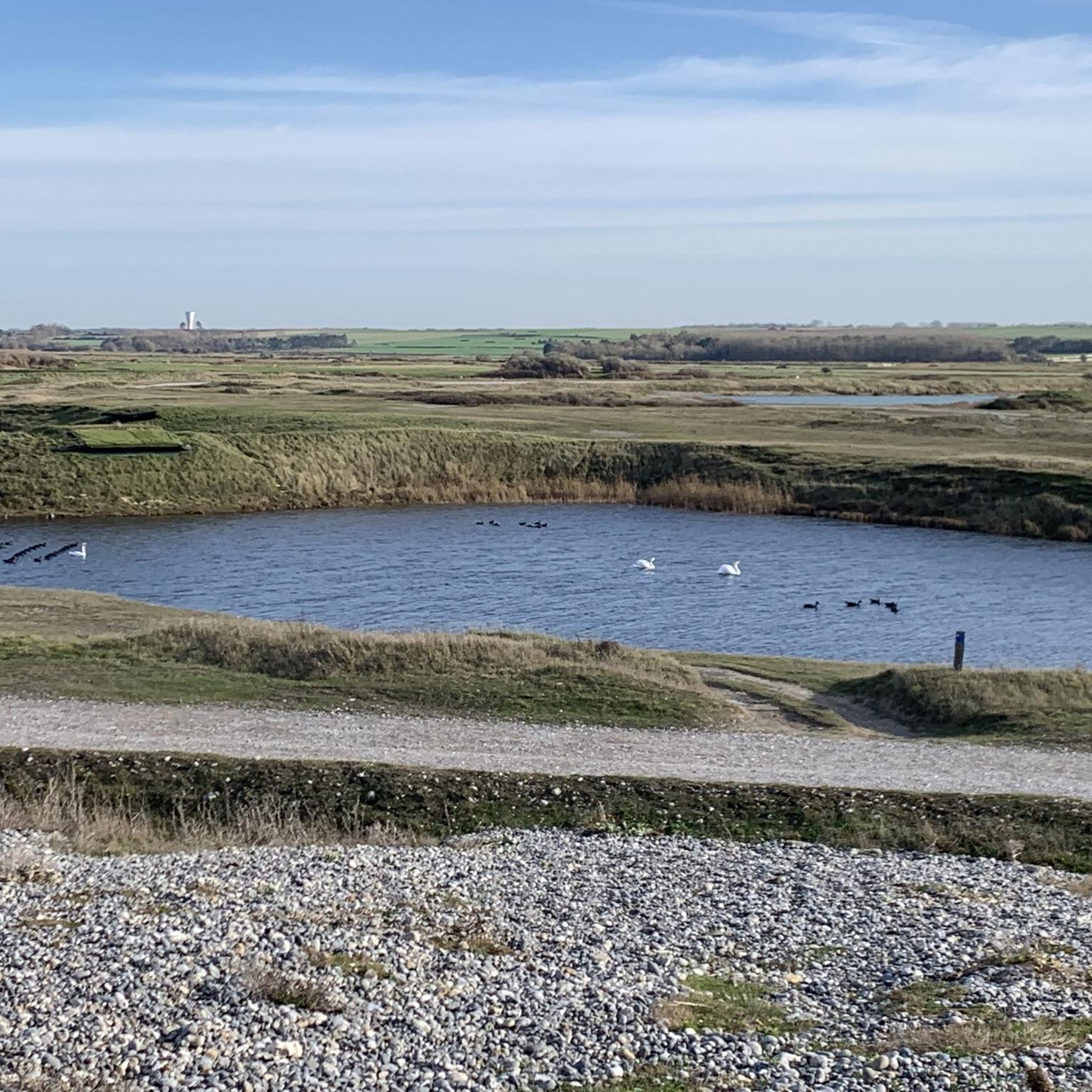
Best attractions and places to see around Nibas are concentrated within the Parc naturel régional Baie de Somme - Picardie maritime. This region is characterized by diverse natural landscapes, including extensive wetlands, salt marshes, and notable chalk cliffs. Visitors can explore charming towns, historical sites, and various gardens and parks. The area provides opportunities for outdoor activities and cultural experiences.
Best attractions and places to see around Nibas
- The most popular attractions is La Cise Cliff, a natural monument…
Last updated: June 22, 2026
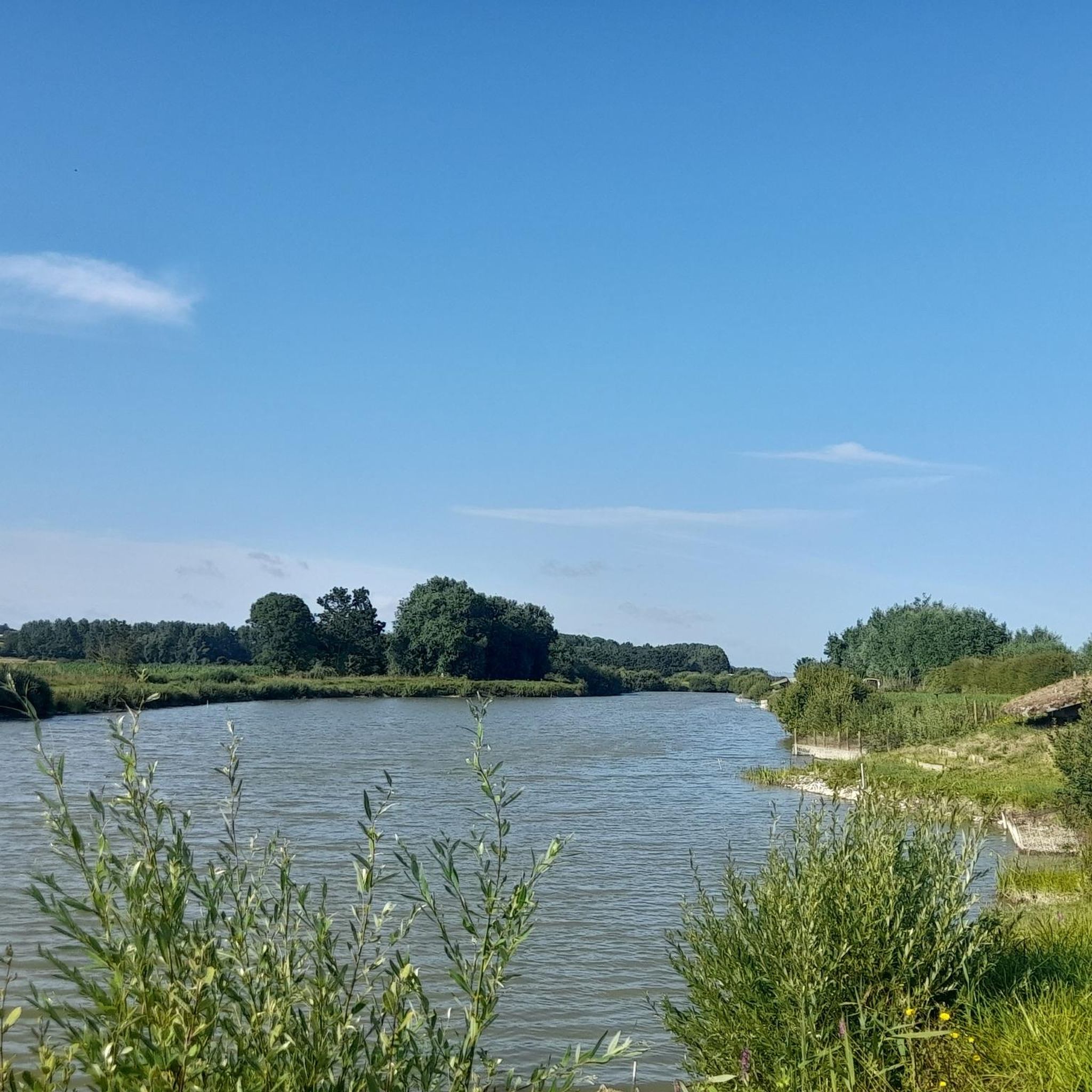
Port of Saint-Valery
Highlight • River
Translated by Google •
Tip by

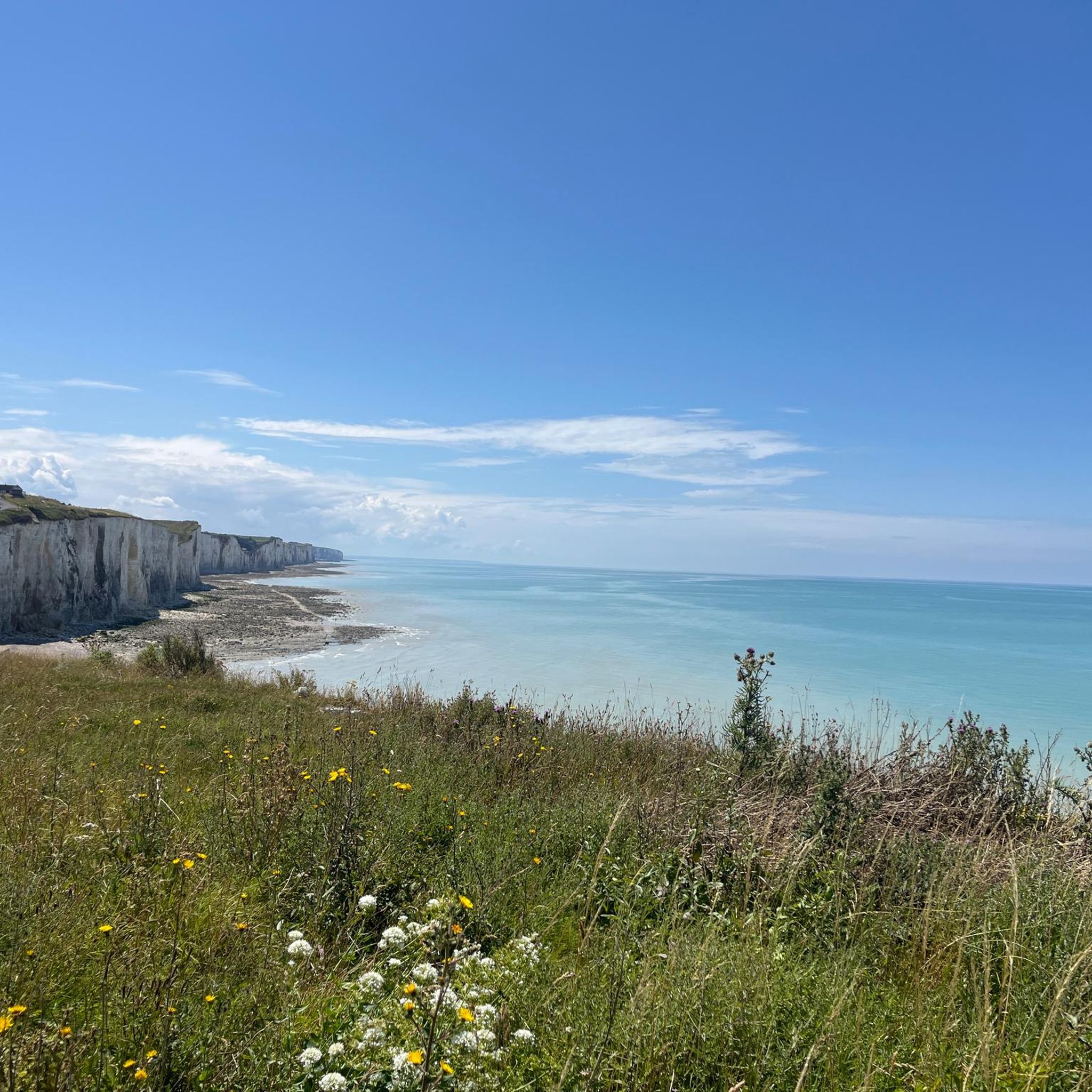
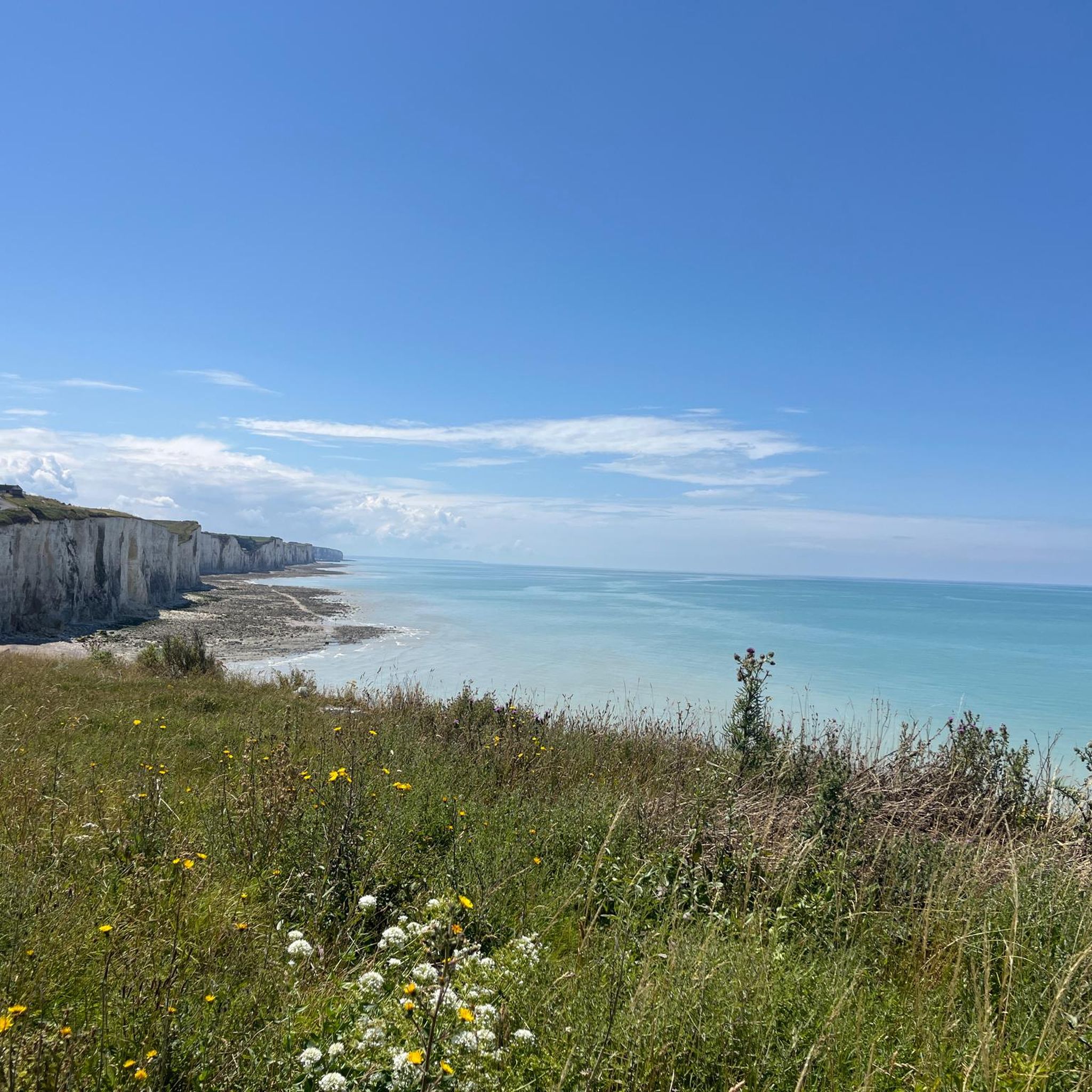
Ault Chalk Cliffs
Highlight • Natural Monument
Translated by Google •
Tip by
Sign up now to discover places like this
Get recommendations on the best single tracks, peaks, & plenty of other exciting outdoor places.
Sign up for free
Cape Hornu
Highlight • Beach
The name Cap Hornu comes from the Picard word “hornu”, which means “horned” …
Tip by
Saint-Valery-sur-Somme Old Town
Highlight • Historical Site
Translated by Google •
Tip by

La Cise Cliff
Highlight • Natural Monument
Translated by Google •
Tip by

Sign up for free to discover even more attractions around Nibas.
Sign up for free
Already have an account?
Start today with a free account
Your next adventure awaits.
Login or Signup

Tips from the Community

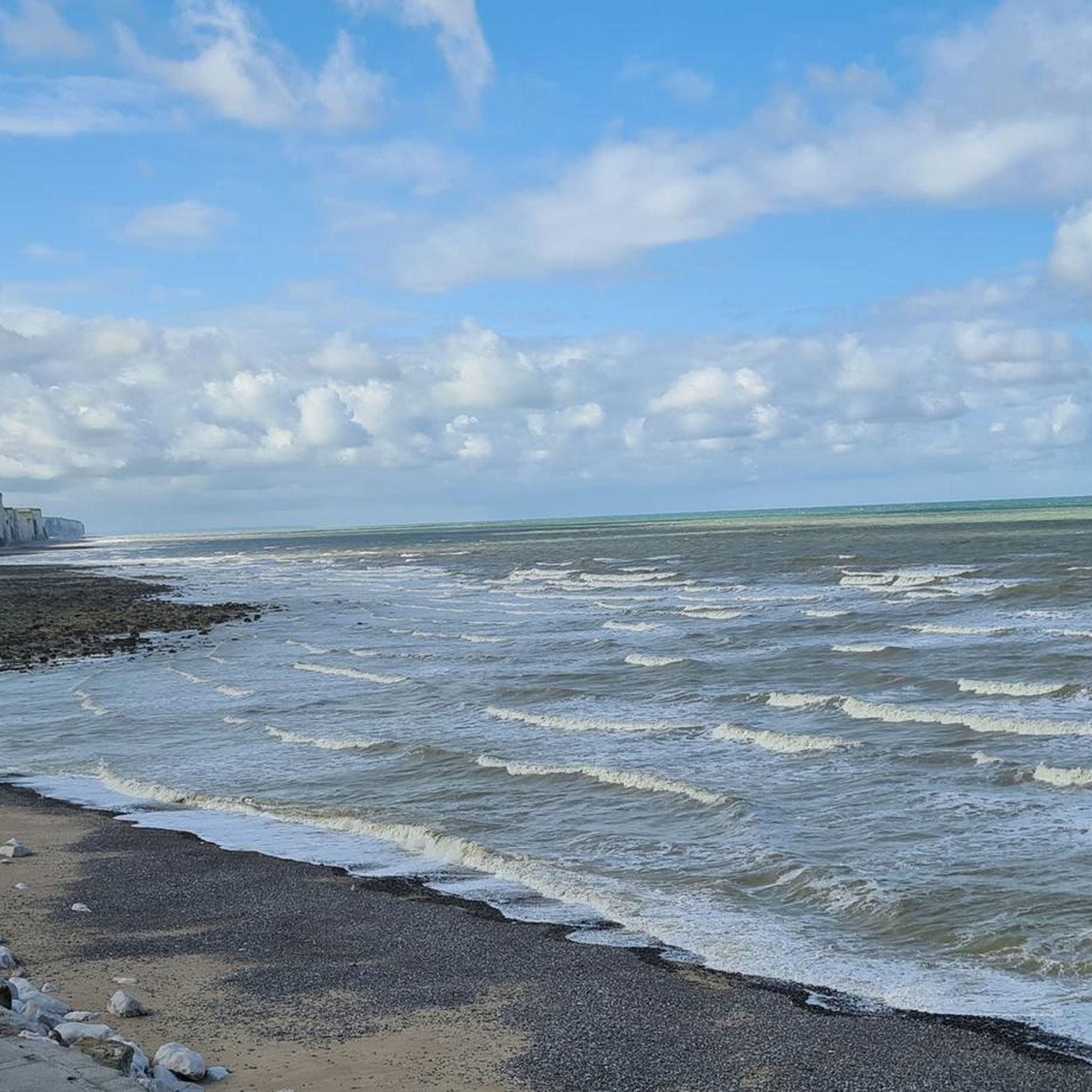
The cliffs are made of chalk and are impressive to look at.
3
0
Walk along the canal, enjoy the view from the benches
6
0


The cliffs around the beach of Ault are composed of chalk from the Upper Cretaceous, more precisely from the Turonian and Coniacian (around 83 million years ago to 90 million years ago). They are strewn with flint nodules which highlight the subhorizontal stratification planes (the formation of flint has already been discussed in Discovery of the geology of the cliffs of Étretat, presentation of an excursion from the beach of Tilleul (Antifer) to the Porte d'Amont (Étretat Nord)). The relative proportion of chalk and flint is around 90-95% chalk to 5-10% flint. Flint horizons are stratigraphic markers. On the cliffs of Ault, the regular flint band called Seven Sisters is recognizable and characterizes the boundary between the Middle Coniacian and the Upper Coniacian (around 87 million years ago). The boundary between the lower and middle Coniacian is marked by the Shoreham 2 marl level, which is more difficult to identify. These lithostratigraphic markings allow in particular the correlation of distant deposits, such as between the Normandy and Picardy coasts, or between the French and English coasts.
2
0
The cliffs around the beach of Ault are composed of chalk from the Upper Cretaceous, more precisely from the Turonian and Coniacian (around 83 million years ago to 90 million years ago). They are strewn with flint nodules which highlight the subhorizontal stratification planes (the formation of flint has already been discussed in Discovery of the geology of the cliffs of Étretat, presentation of an excursion from the beach of Tilleul (Antifer) to the Porte d'Amont (Étretat Nord)). The relative proportion of chalk and flint is around 90-95% chalk to 5-10% flint. Flint horizons are stratigraphic markers. On the cliffs of Ault, the regular flint band called Seven Sisters is recognizable and characterizes the boundary between the Middle Coniacian and the Upper Coniacian (around 87 million years ago). The boundary between the lower and middle Coniacian is marked by the Shoreham 2 marl level, which is more difficult to identify. These lithostratigraphic markings allow in particular the correlation of distant deposits, such as between the Normandy and Picardy coasts, or between the French and English coasts.
3
0
The church is built of natural stone with a characteristic pattern. It consists of two naves, separated by high arches. The baptismal chapel is still part of the original church. A church was first mentioned in the 12th century, but the current church dates back to the 13th century. The church was repeatedly destroyed during the Hundred Years' War and was set on fire in 1475, when the city defended itself against the English and Burgundian rulers. The church was rebuilt at the end of the 15th century and reconsecrated in 1500, but construction activities lasted until 1559. During the French Revolution, the furniture was sold, shrines and paintings were burned and bells were melted down. In 1845, a rectangular brick building was built next to the tower. Next to the church is the heavy tower, equipped with buttresses. In 1786, it was crowned with a tent roof.
2
0

Perfect for relaxing and enjoying the sea air
2
0

Ault is a beautiful place. Beautifully laid out paths above and below the impressive cliffs. The town center is perfect for relaxing. There are a few cafes and bistros for when you get a little hungry. There are benches everywhere where you can sit and enjoy a few minutes of peace and the wonderful views.
1
0
Frequently Asked Questions
What natural features can I explore around Nibas?
The area around Nibas is rich in natural beauty, primarily within the Parc naturel régional Baie de Somme - Picardie maritime. You can visit the impressive Ault Chalk Cliffs, which mark the beginning of the Normandy Alabaster Coast and offer panoramic views of the English Channel. Another stunning natural monument is La Cise Cliff, composed of chalk from the Upper Cretaceous period. The wider Baie de Somme is also a remarkable natural habitat known for its wetlands, salt marshes, and mudflats, ideal for birdwatching and seal observation.
Are there any historical sites or charming towns to visit near Nibas?
Yes, several charming towns and historical sites are easily accessible. Port of Saint-Valery, located at the mouth of the Somme Canal, is considered one of the region's nicest towns with cobbled streets and historical sites. You can also explore the Saint-Valery-sur-Somme Old Town, known for its medieval character. Further afield, Abbeville features a belfry recognized as a Heritage Site, and the 18th-century Cistercian Valloires Abbey with its formal gardens is also worth a visit.
What kind of outdoor activities can I do near Nibas?
The region offers a variety of outdoor activities, especially hiking and cycling. For hiking, you can find routes like the 'Blockhaus du Hourdel – Le Hourdel Lighthouse loop' or the 'Cape Hornu loop'. Cyclists can enjoy routes such as the 'Cayeux-sur-Mer Church – Segment Gravel Hautebut loop' or the 'Bois de Cise – Eastern end of Falaises d'Albâtre, Ault coastal panorama loop'. You can find more details on these and other routes in the Hiking around Nibas and Cycling around Nibas guides.
Are there family-friendly attractions around Nibas?
Absolutely! Many attractions in the area are suitable for families. The Port of Saint-Valery and Saint-Valery-sur-Somme Old Town are great for leisurely strolls. The Cape Hornu offers scenic views and a beach, which can be enjoyable for all ages. The Baie de Somme itself provides opportunities for birdwatching and seal observation, which can be fascinating for children.
Where can I find scenic viewpoints near Nibas?
For breathtaking views, head to the Ault Chalk Cliffs and La Cise Cliff, which offer panoramic vistas of the English Channel and the Bay of Somme. Cape Hornu also provides a fantastic vantage point over the bay and its wildlife. Additionally, the Calvaire des marins in Saint-Valery-sur-Somme offers elevated views of the port and surrounding area.
What is the best time of year to visit Nibas for outdoor activities?
The Baie de Somme region is particularly appealing during migration periods for birdwatching, typically in spring and autumn. For general outdoor activities like hiking and cycling, late spring, summer, and early autumn offer pleasant weather conditions. The natural landscapes, including the chalk cliffs and coastal areas, can be enjoyed year-round, though some paths might be more challenging in wet or icy conditions.
Are there any specific places for birdwatching or wildlife observation?
Yes, the Baie de Somme is a prime location for birdwatching, home to over 300 species of birds, especially during migration. The Port of Saint-Valery and the wider Baie de Somme are excellent for observing seals at low tide. The Parc du Marquenterre, an ornithological park within the Baie de Somme, is specifically designed for bird enthusiasts.
Can I find beaches or coastal areas near Nibas?
Definitely! The region boasts several beautiful coastal spots. Ault features impressive chalk cliffs and the Onival beach. The Pointe du Hourdel offers scenic views and a lighthouse. The Plages de la Mollière, stretching from Le Hâble d'Ault to Le Hourdel, features one of Europe's longest plank paths and a promenade with wooden beach huts.
What are some lesser-known but interesting places to visit around Nibas?
Beyond the main highlights, consider exploring the Bois de Cise near Ault, a green setting overlooking the English Channel with elegant Belle Époque villas. The municipal marsh in Le Crotoy is also a unique natural site, rich in biodiversity. For a touch of local history, the Saint-Étienne Church in Friville-Escarbotin has a choir classified as a Historic Monument.
Are there opportunities for mountain biking near Nibas?
Yes, there are several mountain biking trails in the vicinity. Routes like the 'Somme Bay – Saint-Valery-sur-Somme loop' or the 'Coole Strandcafes – Beach Huts of Cayeux-sur-Mer loop' offer diverse terrain for MTB enthusiasts. You can find more detailed information and additional routes in the MTB Trails around Nibas guide.
What do visitors enjoy most about the attractions around Nibas?
Visitors frequently praise the diverse natural landscapes, especially the stunning chalk cliffs and the unique ecosystem of the Baie de Somme. The charming towns like Saint-Valery-sur-Somme, with their historical ambiance and picturesque ports, are also highly appreciated. The opportunities for outdoor activities, from scenic walks along the coast to exploring the rich biodiversity, are consistently highlighted as major draws.
Are there any gardens or parks to visit in the area?
Yes, the region offers several beautiful gardens and parks. The Herbarium des remparts is a remarkable garden near Nibas. You can also visit the Parc et roseraie du château de Rambures, known for its rose garden, and the formal Jardins de Valloires, associated with Valloires Abbey.
Most popular attractions around Nibas

Get inspired with the komoot mobile app


Explore more
Still not found the Highlight you’re looking for? See guides of the top attractions in other regions:
