Attractions and Places To See around Challement - Top 9
Attractions and places to see around Challement, a commune in the Nièvre department of France, serve as a starting point for exploring the surrounding Burgundy-Franche-Comté region. The area offers access to historical landmarks, cultural sites, and natural features. Visitors can find a mix of man-made structures and natural landscapes within a short distance. This region provides opportunities for outdoor activities, including cycling along canals.
Best attractions and places to see around Challement
- The most popular attractions is Canal de Nivernais…
Last updated: October 31, 2026
Canal de Nivernais Towpath
Highlight (Segment) • Cycleway
Translated by Google •
Tip by

Canal du Nivernais
Highlight • Other
During the cold winter of 1782-1783, the Morvan forest was no longer sufficient to supply the capital with wood. It became necessary to transport wood from other forests, those of Bazois.
Showing Translation
Tip by

Sign up now to discover places like this
Get recommendations on the best single tracks, peaks, & plenty of other exciting outdoor places.
The Nivernais Canal
Highlight • Other
During the harsh winter of 1782-1783, the Morvan forest was no longer sufficient to supply the capital with wood. Wood had to be transported from other forests, particularly from the Bazois.
Showing Translation
Tip by
Canal du Nivernais
Highlight • Other
During the cold winter of 1782-1783, the Morvan forest was no longer sufficient to supply the capital with wood. It became necessary to transport wood from other forests, those of Bazois.
Showing Translation
Tip by
Town of Corbigny
Highlight • Cafe
Translated by Google •
Tip by

Sign up for free to discover even more attractions around Challement.
Already have an account?
Start today with a free account
Your next adventure awaits.

Tips from the Community

The Canal du Nivernais During the harsh winter of 1782-1783, the Morvan forest was no longer sufficient to supply the capital with wood. Wood had to be transported from other forests, particularly from the Bazois. To solve this problem, the construction of a small channel between the Loire and the Yonne was considered. Work began in 1784 with the boring of "La Montagne" at La Collancelle, and in 1786, the construction of a navigable canal was planned. After 56 years of construction, the three tunnels were completed in 1840, and on March 15, 1841, the Nivernais Canal was officially opened. In the first four decades, the canal saw an increase in traffic, as it served as a means of transport for heavy loads such as stone, wood, and coal. With the decline in demand for wood in the capital and the advent of the railway, the decline of navigation on the canal began. In the 1970s, political will and financial support were needed to promote river tourism, ecotourism, and cycling tourism. To this day, the Canal du Nivernais is one of the busiest canals in France, thanks to its gentle cruising.
0
0
The Nivernais Canal During the cold winter of 1782-1783, the Morvan forest was no longer sufficient to supply the capital with wood. It became necessary to transport wood from other forests, those of Bazois. Work was then considered to build a small channel between the Loire and the Yonne. In 1784, construction began with the drilling of "La Montagne" from La Collancelle, and in 1786, the construction of a navigation canal was planned. In 1840, the construction of the three tunnels was completed, then on March 15, 1841, the official commissioning of the Nivernais Canal took place. In the first 40 years, traffic on the canal increased, and it was also used as a means of transport for heavy loads (especially stone, but also wood and coal). With the decline in demand for wood in the capital and the development of the railway, navigation on the canal began to decline. In the 1970s, political will and funding were needed to develop river tourism, ecotourism, and cycle tourism. To this day, the Canal du Nivernais is one of the busiest canals in France due to its philosophy of gentle roaming.
0
0
The Nivernais Canal During the cold winter of 1782-1783, the Morvan forest was no longer sufficient to supply the capital with wood. It became necessary to transport wood from other forests, those of Bazois. Work was then considered to create a small channel between the Loire and the Yonne. In 1784, construction began with the boring of "La Montagne" in La Collancelle, and in 1786, the construction of a navigation canal was planned. In 1840, the construction of the three tunnels was completed, then on March 15, 1841, the official opening of the Nivernais Canal took place. In the first 40 years, traffic on the canal increased, and it was also used as a means of transport for heavy loads (particularly stone, but also wood and coal). With the decline in demand for wood in the capital and the development of the railway, navigation on the canal began to decline. In the 1970s, political will and funding were needed to develop river tourism, ecotourism, and cycle tourism. To this day, the Canal du Nivernais is one of the most frequented canals in France, thanks to its philosophy of gentle roaming.
0
0

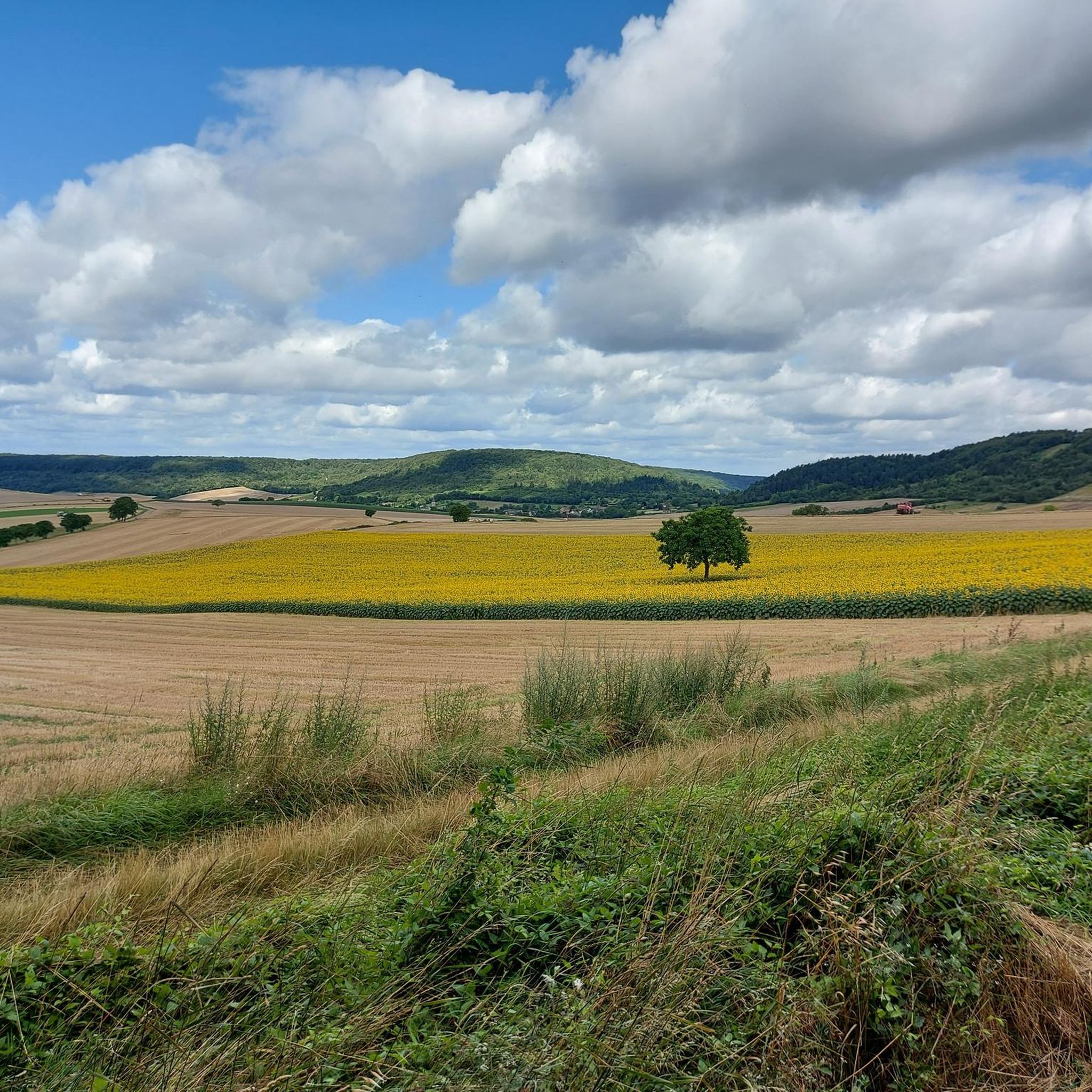
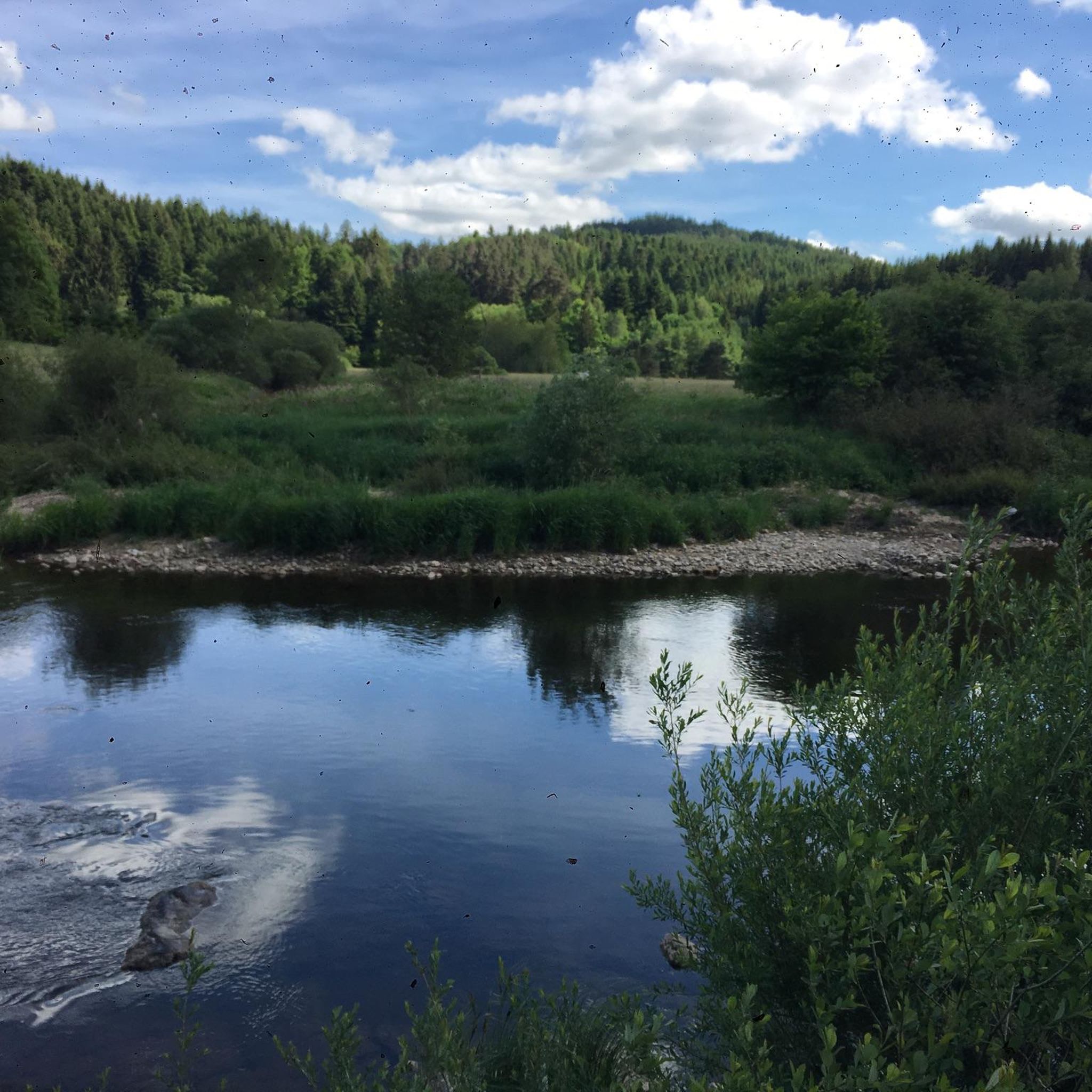
Very nice cycle route along the canal with many sights.
2
0

Delicious food and extremely friendly staff!
4
0

Nice brasserie, good prices and centrally located
3
0
Nice little town, with some shops and restaurants
2
0
Frequently Asked Questions
What are some popular outdoor activities around Challement?
The area around Challement is ideal for cycling, especially along the Canal de Nivernais Towpath. This route offers a varied journey through locks, bascule bridges, and charming "Fermes," suitable for all ages. You can also find numerous running, mountain biking, and hiking trails nearby. For instance, there are moderate running loops from Chitry-les-Mines and various hiking trails, including a moderate loop around Corbigny.
Are there any family-friendly attractions near Challement?
Yes, several attractions are suitable for families. The Canal de Nivernais Towpath is a great option for cycling with children, offering a varied and scenic experience. The Town of Corbigny also provides shops and dining options that can be enjoyed by families. Additionally, the Cuncy Lock, Canal du Nivernais, a historical site, can be an interesting stop to observe the canal's engineering.
What historical sites can I visit near Challement?
The region is rich in history. You can explore the 14th-century Chitry‑les‑Mines Castle, which has a connection to the writer Jules Renard. The Cuncy Lock, Canal du Nivernais, is also a significant historical site showcasing the engineering of the canal. Further afield, the UNESCO World Heritage site of Vézelay, with its stunning Basilica of St. Mary Magdalene, is approximately 21km away, and the historic center of Clamecy, featuring the Collegiale Saint-Martin, is about 17km away.
Where can I find places to eat or shop near the attractions?
The Town of Corbigny, located on the edge of the Morvan Regional Natural Park, offers various shops and dining options, including a nice brasserie with good prices. It's a convenient stop for breaks and refreshments while exploring the area.
Are there any notable natural features or parks to visit?
Yes, the Morvan Regional Natural Park is a significant natural feature in the area, known for its quiet, unspoiled countryside. While the park itself is about 49km away, the Montgué site in Asnan offers an exceptional panorama of the Yonne valley and the western facade of the Morvan massif. The Canal de Nivernais Towpath also provides a pleasant natural setting along the river.
What are the best places for hiking around Challement?
There are several hiking opportunities around Challement. You can find moderate hiking loops such as the "View of Château de Chitry – Chitry‑les‑Mines Castle loop" starting from Corbigny or Chitry-les-Mines. Another option is the "Town of Corbigny loop." For more details and routes, you can explore the Hiking around Challement guide.
Can I go running or mountain biking near Challement?
Absolutely! The area offers various routes for both running and mountain biking. For runners, there are moderate loops like the "Apias loop from Chitry-les-Mines." Mountain bikers can tackle longer, moderate routes such as the "Collancelle Locks – Canal de Nivernais loop from Corbigny." You can find more specific routes and details in the Running Trails around Challement and MTB Trails around Challement guides.
What are some lesser-known or 'hidden gems' in the Challement area?
Beyond the main highlights, consider visiting the Montgué site in Asnan. This ancient fortified spur from the Neolithic period offers historical intrigue with remnants of a rampart and moat, along with a monumental statue of the Virgin Mary and an exceptional panorama of the Yonne valley. You can learn more about Asnan on Wikipedia.
Are there any religious monuments or churches worth visiting?
Yes, the region has several significant religious sites. The Vézelay Basilica of St. Mary Magdalene, a UNESCO World Heritage site, is a major monument on French pilgrimage routes. Closer to Challement, you can find the Prieuré de Saint Révérien, Asquins Église St Jacques, and Eglise de Saint Barthélémy in Cervon. The Abbatiale Notre-Dame de La Charité-sur-Loire is another important abbey on pilgrim routes.
What do visitors particularly enjoy about the attractions around Challement?
Visitors frequently praise the Canal de Nivernais Towpath for its beauty, with its mix of sunny and shady stretches, and its suitability for cycling. The varied landscape, including locks and bascule bridges, is often highlighted. The Town of Corbigny is appreciated for its shops and friendly dining options.
Can I find any bridges or unique architectural features?
Yes, the area features interesting architectural elements, particularly along the Canal du Nivernais. The Cuncy Lock is part of a complex system of 32 locks ascending and 78 descending, with the Sardy lock staircase being a notable feature. Additionally, there's a scenic Bridge over the Yonne that offers quiet and romantic views, often part of cycling paths.

Get inspired with the komoot mobile app


Explore more
Still not found the Highlight you’re looking for? See guides of the top attractions in other regions:
