The best cycling routes around Artstetten-Pöbring
4.6
(3847)
23,930
riders
301
rides
Touring cycling routes around Artstetten-Pöbring are situated in a region characterized by rolling hills, forested areas, and vineyards, where the southern Waldviertel slopes towards the Danube. The area offers panoramic views over the Danube Valley from its elevation of approximately 390 meters above sea level. Waterways such as the Schwarzaubach, Weinbach, and Mühlbach traverse the municipality. This landscape provides varied terrain for cycling, ranging from gentle paths to more challenging ascents.
Best touring cycling routes around Artstetten-Pöbring
- The most popular touring cycling route is Ybbs an der Donau Town Center – View of Persenbeug Castle loop from Katastralgemeinde Pargatstetten, a 46.5 miles (74.9 km) difficult trail that takes 4 hours 36 minutes to complete. This route offers views of Persenbeug Castle.
- Another top favourite among local touring cyclists is Weitenegg Castle Ruins – View of Melk Abbey loop from Schloss Leiben, a difficult 27.5 miles (44.3 km) path. This route provides views of Melk Abbey.
- Local touring cyclists also love the Basilica of Maria Taferl – View of Pöchlarn loop from Pöchlarn, a 10.7 miles (17.2 km) trail leading through the Danube Valley, often completed in about 1 hour 12 minutes.
- Touring cycling around Artstetten-Pöbring is defined by rolling hills, forested areas, and Danube Valley views. The network offers options for different ability levels, from moderate paths to difficult ascents.
- The routes in Artstetten-Pöbring are highly rated by the komoot community with an average score of 4.6 stars from more than 3,700 reviews. More than 23,000 touring cyclists have used komoot to explore Artstetten-Pöbring's varied terrain.
Last updated: May 20, 2026
4.8
(6)
63
riders
Hard bike ride. Very good fitness required. Mostly paved surfaces. Suitable for all skill levels.
5.0
(4)
60
riders
Hard bike ride. Very good fitness required. You may need to push your bike for some segments of this route.

Sign up for free
5.0
(9)
51
riders
42.8km
03:44
950m
950m
Hard bike ride. Very good fitness required. You may need to push your bike for some segments of this route.
4.5
(4)
52
riders
44.3km
03:10
890m
890m
Hard bike ride. Very good fitness required. Mostly paved surfaces. Suitable for all skill levels.
4.8
(6)
33
riders
17.2km
01:12
270m
270m
Moderate bike ride. Good fitness required. Mostly paved surfaces. Suitable for all skill levels.
Get access to more routes and recommendations from other explorers.
Sign up for free
Already have an account?
Our route recommendations are based on thousands of hikes, rides, and runs completed by other people on komoot.
Start today with a free account
Your next adventure awaits.
Login or Signup
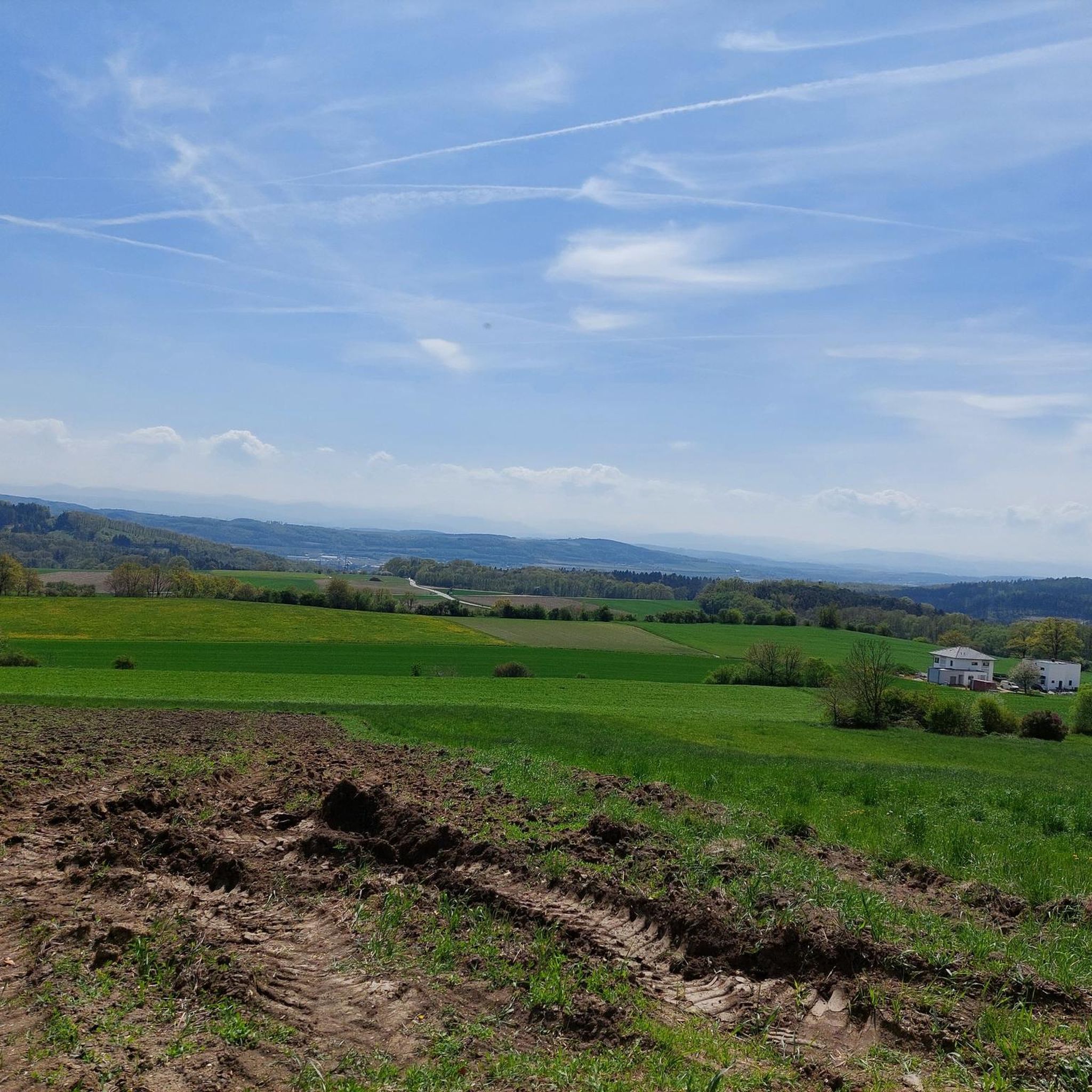
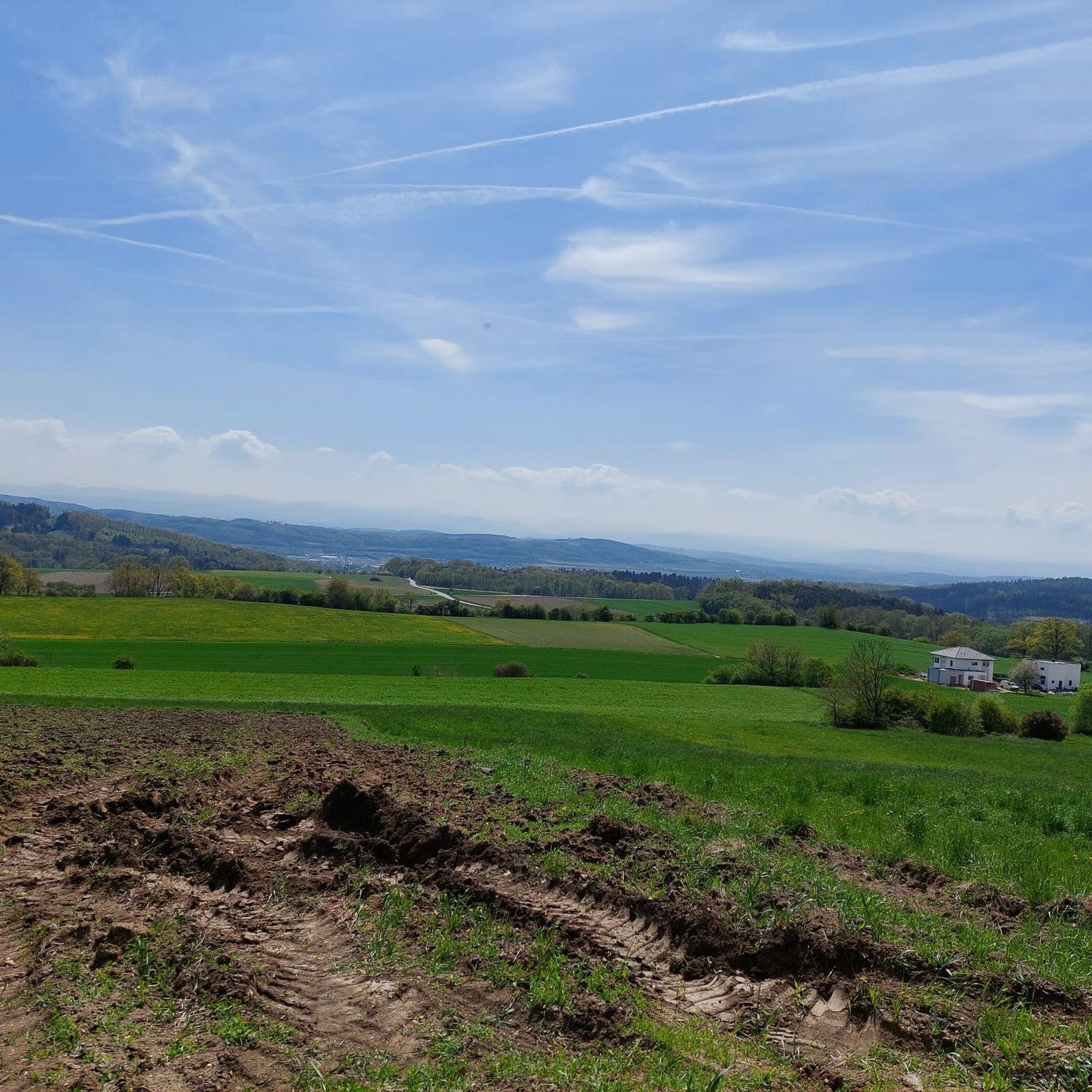
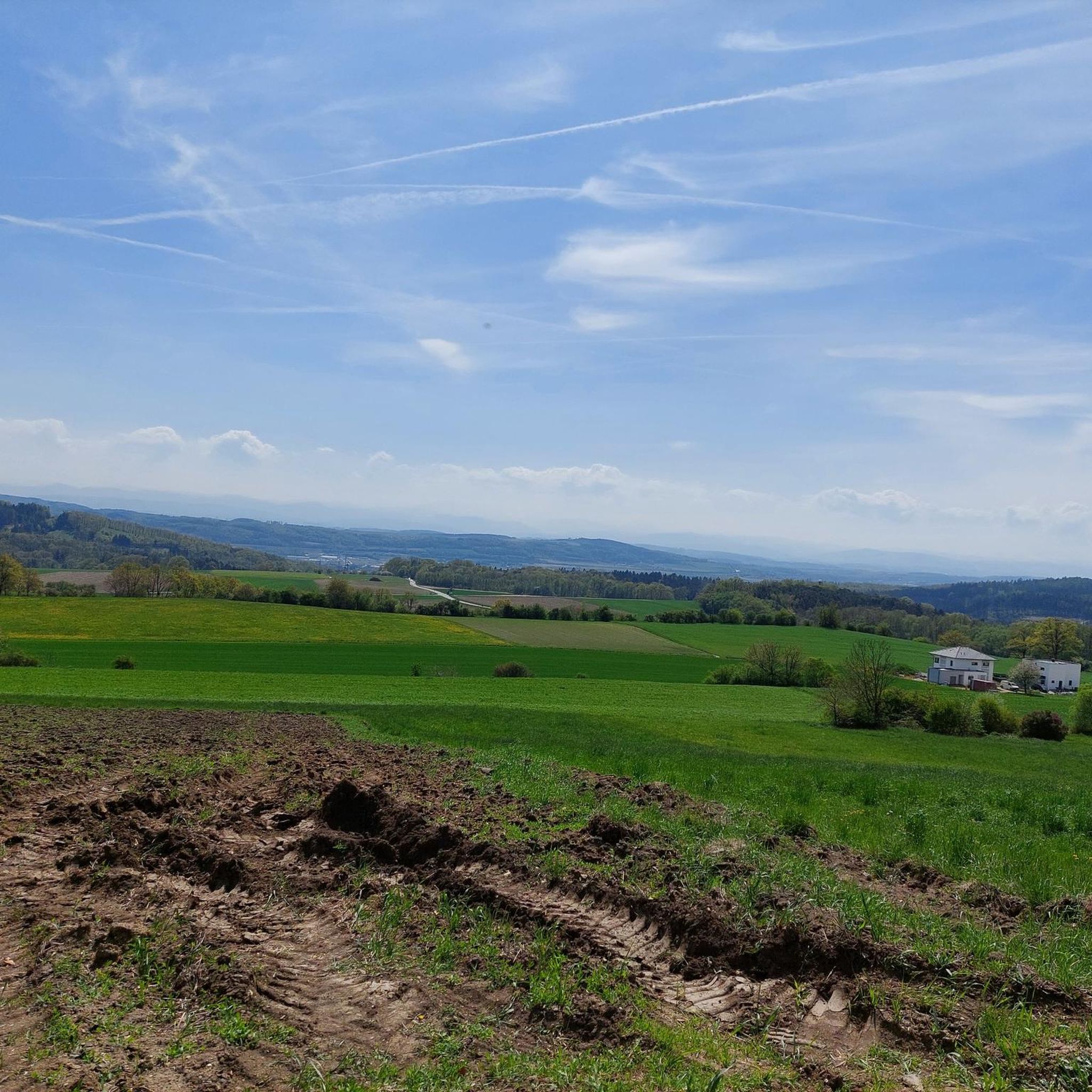
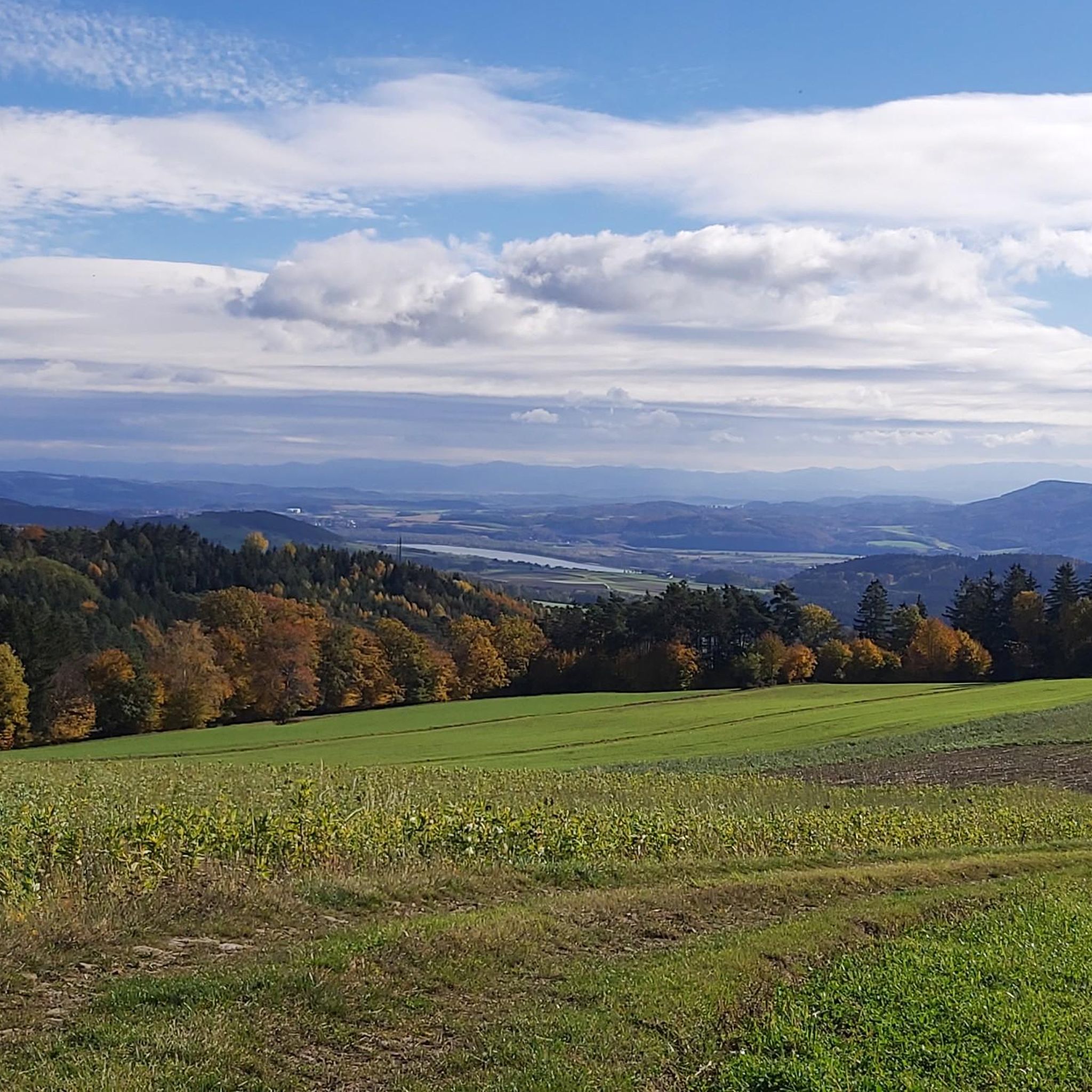
Tips from the Community

Weitenegg Castle Ruin is one of the most historically significant and impressive ruins in the Nibelungengau. It sits enthroned on a narrow rocky ridge directly above the Danube and the Melk power plant, exactly where the Weitental valley flows into the Danube valley. The castle was already mentioned in documents in the 12th century (around 1108). Its location was ingenious: from here, both the ship traffic on the Danube and the trade route into the Weitental valley (towards the Waldviertel) could be perfectly controlled. Over the centuries, it belonged to powerful noble families, including the Kuenringers and later the Habsburgs. From the 17th century onwards, the castle was hardly inhabited and fell into disrepair, until it finally became a ruin.
0
0
Maria Taferl, after Mariazell, is the most important pilgrimage site in Lower Austria and a baroque work of art. The church is a "Who-is-Who" of Austrian Baroque architecture. Standing in front of it, you are looking at the work of the absolute elite of this time. Construction began in 1660 under Daniel Gran, but it was completed by none other than Jakob Prandtauer (the creator of Stift Melk) and Joseph Munggenast. The striking twin towers and the bright facade are placed in such a way that they look like a crown over the Danube valley.
0
0

From the Danube Cycle Path, there is an impressive view of Maria Taferl, picturesquely perched on a hill overlooking the Danube. The pilgrimage basilica, visible from afar, dominates the landscape and serves as a prominent landmark for cyclists. The view is particularly beautiful when approaching the area around Marbach or Pöchlarn: the church rises above the river valley, surrounded by rolling hills and vineyards, offering a harmonious interplay of nature, culture, and spirituality along the Danube Cycle Path.
2
0

The castle is prominently situated on a rock on the right bank of the Danube, above the municipality of Persenbeug-Gottsdorf, at the transition from the Strudengau to the Nibelungengau.
1
0
From the opposite bank of the Danube, there is an impressive view of Maria Taferl, perched on a hill above the Danube. The pilgrimage church, with its striking baroque tower, is visible from afar and dominates the skyline of the Wachau region. The view is particularly charming from the Danube Cycle Path or from vantage points on the northern bank: you can see the church towering above the wooded slopes and terraced vineyards, while the wide river meanders peacefully below. The combination of historic architecture, picturesque landscape, and the Danube panorama makes this view a popular destination for cyclists and photographers.
1
0

Maria Taferl is a picturesque market town in Lower Austria, distinguished by its impressive location and cultural significance. Here are some interesting facts about Maria Taferl: 1. Location: Maria Taferl is located on the north bank of the Danube, at an elevation of 233 m above the Danube and 450 m above sea level. This elevated position offers breathtaking views of the Danube Valley and the surrounding countryside. 2. Maria Taferl Basilica: The pilgrimage basilica of Our Lady of Sorrows is the heart of the municipality and is considered the state shrine of Lower Austria. The baroque church attracts many pilgrims and tourists and is known for its impressive architecture and spiritual atmosphere. 3. Population: The municipality has approximately 953 inhabitants (as of January 1, 2025), making it a small but lively place. 4. **Viewpoints**: From the basilica's forecourt, you have a magnificent view of the Danube Valley and the eastern foothills of the Alps. This view is especially spectacular at sunset. 5. **Cultural Events**: Maria Taferl is not only a place of pilgrimage, but also a center for various cultural events and festivals that enrich community life. Maria Taferl is thus a place known for both its religious significance and its natural beauty. 😊
3
0


great photo opportunity
0
0
Frequently Asked Questions
How many touring cycling routes are available in Artstetten-Pöbring?
Artstetten-Pöbring offers a wide selection of touring cycling routes, with over 300 options to explore. These routes cater to various skill levels, including 72 easy, 94 moderate, and 137 difficult trails.
What kind of terrain can I expect on touring cycling routes around Artstetten-Pöbring?
The region is characterized by rolling hills, extensive forested areas, and picturesque vineyards. You'll find a mix of mostly paved roads and some unpaved or challenging segments. The routes often provide impressive panoramic views over the Danube Valley, especially from higher elevations.
Are there any family-friendly touring cycling routes in Artstetten-Pöbring?
Yes, Artstetten-Pöbring offers 72 easy touring cycling routes that are generally suitable for families. These paths often feature gentler gradients and well-maintained surfaces, providing a pleasant experience for cyclists of all ages. For a moderate option, consider the Basilica of Maria Taferl – View of Pöchlarn loop from Pöchlarn, which is 17.2 km long and leads through the scenic Danube Valley.
What are some notable landmarks or attractions I can see along the touring cycling routes?
Many routes offer views of significant landmarks. You might catch a glimpse of Artstetten Castle, the historic family seat of Archduke Franz Ferdinand. The prominent Jauerling Observation Tower and the majestic Großer Peilstein Summit are also visible from various points. Some routes, like the Weitenegg Castle Ruins – View of Melk Abbey loop from Schloss Leiben, offer views of the impressive Melk Abbey.
Are there any circular touring cycling routes available?
Yes, many touring cycling routes in Artstetten-Pöbring are designed as loops. For example, the challenging Ybbs an der Donau Town Center – View of Persenbeug Castle loop from Katastralgemeinde Pargatstetten is a 74.9 km circular route offering views of Persenbeug Castle. Another challenging option is the Basilica of Maria Taferl – Forest Pond loop from Maria Taferl, covering 42.8 km.
What do other touring cyclists enjoy most about cycling in Artstetten-Pöbring?
The touring cycling experience in Artstetten-Pöbring is highly rated by the komoot community, with an average score of 4.6 stars from over 3,700 reviews. Cyclists frequently praise the varied terrain, the stunning panoramic views over the Danube Valley, and the integration of cultural highlights like castles and abbeys into the routes.
Can I access the Danube Cycle Path from Artstetten-Pöbring?
Yes, Artstetten-Pöbring is well-situated for accessing sections of the renowned Danube Cycle Path. This allows cyclists to enjoy exceptionally beautiful views of pilgrimage sites like Maria Taferl, especially when approaching from nearby areas such as Marbach or Pöchlarn. The Danube Cycle Path sections are generally well-maintained and easy to ride.
Are there challenging touring cycling routes for experienced riders?
Absolutely. Artstetten-Pöbring offers 137 difficult touring cycling routes for those seeking a challenge. These routes often feature significant elevation gains and longer distances. An example is the Naturfreundestein – View of Maria Taferl loop from Katastralgemeinde Pargatstetten, a demanding 28.8 km route with considerable ascents.
What is the best time of year for touring cycling in Artstetten-Pöbring?
The region is generally pleasant for cycling from spring through autumn. Spring offers blooming landscapes, while autumn provides vibrant foliage. Summers are also suitable, but it's always advisable to check local weather forecasts, as conditions can vary. The varied terrain means you can find enjoyable routes across different seasons.
Are there any natural features like lakes or viewpoints along the routes?
Yes, the region boasts several natural highlights. You can find serene spots like the Forest Pond or the Puschacherteich. Many routes also lead to or offer views of impressive natural formations such as Totenkopf and Drachenstein, providing excellent photo opportunities and scenic breaks.
Where can I find parking near the touring cycling trails in Artstetten-Pöbring?
While specific parking areas for each trail are not detailed, the region is well-integrated for outdoor activities. Many towns and villages, including Artstetten itself, offer public parking facilities. For routes starting near the Danube Cycle Path, you may find parking options in towns like Marbach or Pöchlarn, which are common access points for cyclists.
Is it possible to reach the cycling routes using public transport?
Artstetten-Pöbring is part of Lower Austria's transport network. While direct access to every trailhead via public transport might vary, major towns in the vicinity, such as Pöchlarn, are typically connected by bus or train services, making it possible to reach the general area and then cycle to your desired starting point. It's recommended to check local bus and train schedules for specific connections.
Most popular routes around Artstetten-Pöbring
Most popular attractions around Artstetten-Pöbring

Get inspired with the komoot mobile app


Explore more
Browse the best Cycling routes in other regions.
