Attractions and Places To See around Habudingen - Top 8
Best attractions and places to see around Habudingen include historical sites and natural features. The region features locations with significant industrial heritage, particularly related to salt production, alongside memorials commemorating historical events. Visitors can explore a mix of man-made monuments and natural shelters within its landscape.
Best attractions and places to see around Habudingen
- The most popular attractions is Marsal, a hamlet with a history rooted in salt trade. From the Bronze Age until the 17th century, the village…
Last updated: July 1, 2026
Marsal
Highlight • Other
Translated by Google •
Tip by

Salines de Dieuze
Highlight • Historical Site
Translated by Google •
Tip by

Sign up now to discover places like this
Get recommendations on the best single tracks, peaks, & plenty of other exciting outdoor places.
Sign up for free
Old Locomotive Roundhouse
Highlight • Monument
This time-worn relic offers an atmosphere steeped in history and mystery.
The crumbling …
Translated by Google •
Tip by

Shelter
Highlight • Mountain Hut
Shelter offers shelter from wind, rain or sun rays.
Enjoy your rest break.
Translated by Google •
Tip by

Saint-Léger Collegiate Church
Highlight • Religious Site
Translated by Google •
Tip by
Sign up for free to discover even more attractions around Habudingen.
Sign up for free
Already have an account?
Start today with a free account
Your next adventure awaits.
Login or Signup


Tips from the Community

The Collegiate Church of Saint-Léger de Marsal is a former collegiate church located in the French commune of Marsal, in the Moselle department. Originally built in the Romanesque style, it has undergone several significant modifications up to the present day. Dedicated to Saint Léger, the foundation stones of the current church were laid in the 12th century. The building was then in the Germanic tradition with a deep chevet and two oriented chapels, as well as an impressive Westwork, a western massif. The parish church was elevated to the title of collegiate church in 1222 by Abbess Clémence de Neumunster. She then installed a chapter of seven canons there. The collegiate church of Marsal has been united with that of Vic-sur-Seille since the 18th century.
0
0
An important locomotive depot built around 1930, this roundhouse is a fascinating testament to the industrial era. This time-worn relic offers an atmosphere steeped in history and mystery. The crumbling walls and decaying metal structures evoke a glorious past, inviting you to explore its forgotten corners. Whether you're passionate about history or simply looking for adventure, this is a must-see for capturing unique images and experiencing the soul of the place.
0
0

Despite the conflicts, the saltworks continued to contribute to the city's prosperity in the 18th and 19th centuries. Salt production only stopped in 1973 because the industrial facilities had suffered less from the bombings of 1944 than the rest of the city. Today, the town of 3,300 inhabitants highlights its heritage and history as rich as it is unique. Just like the green surroundings between meadows and ponds, which delight hikers.
0
0
The salt mines of Dieuze became a strategic point in the Middle Ages and the town was coveted by the Dukes of Lorraine. Affected by the Thirty Years' War, Dieuze was conquered by the King of France in 1642.
0
0

Marsal is a small hamlet with a very salty history: from the Bronze Age until the middle of the 17th century, the village knew how to use its salt water sources to prosper in the salt trade. Today, nothing remains of the saltworks and Marsal today looks like a peaceful village. If you wish, you can organize a guided tour with the Pays du Saulnois Tourist Office on 03 87 01 16 26.
1
0

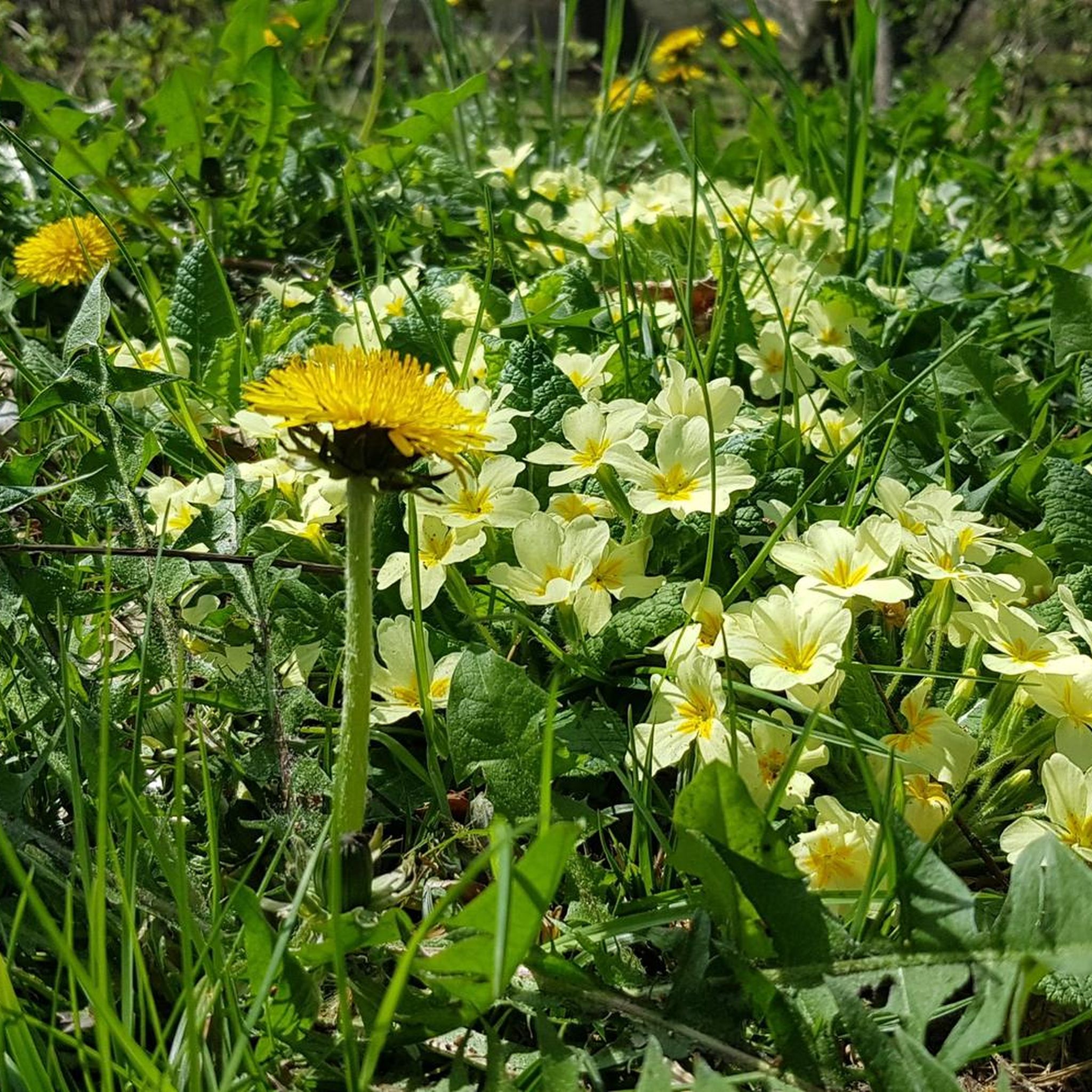
An excellent place to relax here in all weather conditions. Shelter offers shelter from wind, rain or sun rays. Enjoy your rest break.
4
0
Frequently Asked Questions
What historical sites can I explore around Habudingen?
The region is rich in history, particularly related to its industrial heritage. You can visit Salines de Dieuze, a historical site known for its salt mines that were strategic in the Middle Ages. Another fascinating spot is the Old Locomotive Roundhouse, an important depot from the 1930s, offering a glimpse into the industrial era.
Are there any family-friendly attractions in Habudingen?
Yes, Salines de Dieuze is categorized as family-friendly. It offers a chance to learn about the region's salt production history within green surroundings that are also enjoyable for walks.
What natural features or places for relaxation are there?
While the region is known for its historical sites, you can find natural shelters like the Shelter, which provides a comfortable spot to rest and take refuge from various weather conditions. The green surroundings of Salines de Dieuze also offer pleasant areas for relaxation.
Where can I learn about the salt trade history in Habudingen?
The hamlet of Marsal is a key location for understanding the region's salt trade history. From the Bronze Age until the 17th century, this village prospered significantly from its salt water sources. You can also explore Salines de Dieuze, which highlights the historical importance of salt mines.
Are there any memorials or monuments commemorating historical events?
Yes, you can visit the Stele for Victor and Gilbert. This memorial commemorates a tragic event from November 1944, reminding visitors of the importance of peace, freedom, and democracy.
What outdoor activities, like cycling, can I do near these attractions?
There are several cycling opportunities around Habudingen. You can find various routes, including the 'Marne–Rhine Canal – Avenue by the water loop from Château-Salins' or 'Harprich's storks – Stork valley 😉👍 loop from Morhange'. For more details and route options, check out the Cycling around Habudingen guide.
Are there road cycling routes available in the area?
Absolutely. Road cyclists can explore routes such as 'Étang de Welschhof – Lower Hoste Pond loop from Morhange' or 'War Memorial and Clock Tower – Book Cabin of Suisse loop from Morhange'. Discover more options in the Road Cycling Routes around Habudingen guide.
Where can I go for a run or find running trails?
The region offers several running trails. You can try the 'Grand Bois loop from Harprich' or an 'easy Running loop from Harprich'. For a comprehensive list of trails, refer to the Running Trails around Habudingen guide.
What do visitors particularly enjoy about the attractions in Habudingen?
Visitors appreciate the blend of historical sites, industrial heritage, and natural shelters. The community has shared 18 photos and given 12 upvotes, highlighting the appeal of places like the historically significant Marsal and the relaxing Shelter.
Are there any less-known or 'hidden gem' attractions to discover?
Beyond the main highlights, the Old Locomotive Roundhouse offers a unique, atmospheric experience for those interested in industrial history and photography, with its crumbling walls and decaying metal structures evoking a glorious past.
Can I find places suitable for a quiet break during my visit?
Yes, the Shelter is specifically designed as an excellent place to relax in all weather conditions, offering refuge from wind, rain, or sun, making it ideal for a quiet rest break.

Get inspired with the komoot mobile app


Explore more
Still not found the Highlight you’re looking for? See guides of the top attractions in other regions:
