The best walks and hikes around Puyréaux
4.8
(36)
245
hikers
38
hikes
Hiking around Puyréaux offers diverse landscapes, characterized by river valleys, terraced gardens, and wooded areas. The region is situated on the banks of the Bonnieure River, with trails often following its course and extending to the Grande Rivière and Charente River. Hikers can explore paths that lead through ancient quarries and past numerous natural fountains, providing varied terrain for outdoor activities.
Best hiking trails around Puyréaux
- The most popular hiking route is Trail of the Banks of the Charente,…
Last updated: June 27, 2026
4.9
(7)
34
hikers
8.40km
02:10
40m
40m
Moderate hike. Good fitness required. Easily-accessible paths. Suitable for all skill levels.
5.0
(2)
3
hikers
12.9km
03:19
60m
60m
Moderate hike. Good fitness required. Mostly accessible paths. Sure-footedness required.

Sign up for free
4.7
(3)
45
hikers
8.06km
02:07
60m
60m
Moderate hike. Good fitness required. Easily-accessible paths. Suitable for all skill levels.
5
hikers
14.0km
03:40
110m
110m
Moderate hike. Good fitness required. Easily-accessible paths. Suitable for all skill levels.
4.5
(2)
9
hikers
16.2km
04:16
130m
130m
Moderate hike. Good fitness required. Easily-accessible paths. Suitable for all skill levels.
Get access to more routes and recommendations from other explorers.
Sign up for free
Already have an account?
Our route recommendations are based on thousands of hikes, rides, and runs completed by other people on komoot.
Start today with a free account
Your next adventure awaits.
Login or Signup


Tips from the Community

Wooden ferry from Lichères, which allows you to cross the Charente. A cable stretched across both banks allows hikers to cross the waters independently. Please note, the ferry may be immobilized during the harshest winter months. You will then have to return to the bridge, a little further south.
2
0

problem is, this is not in use or available until at least april, so you can't cross the river here in the winter months
1
0

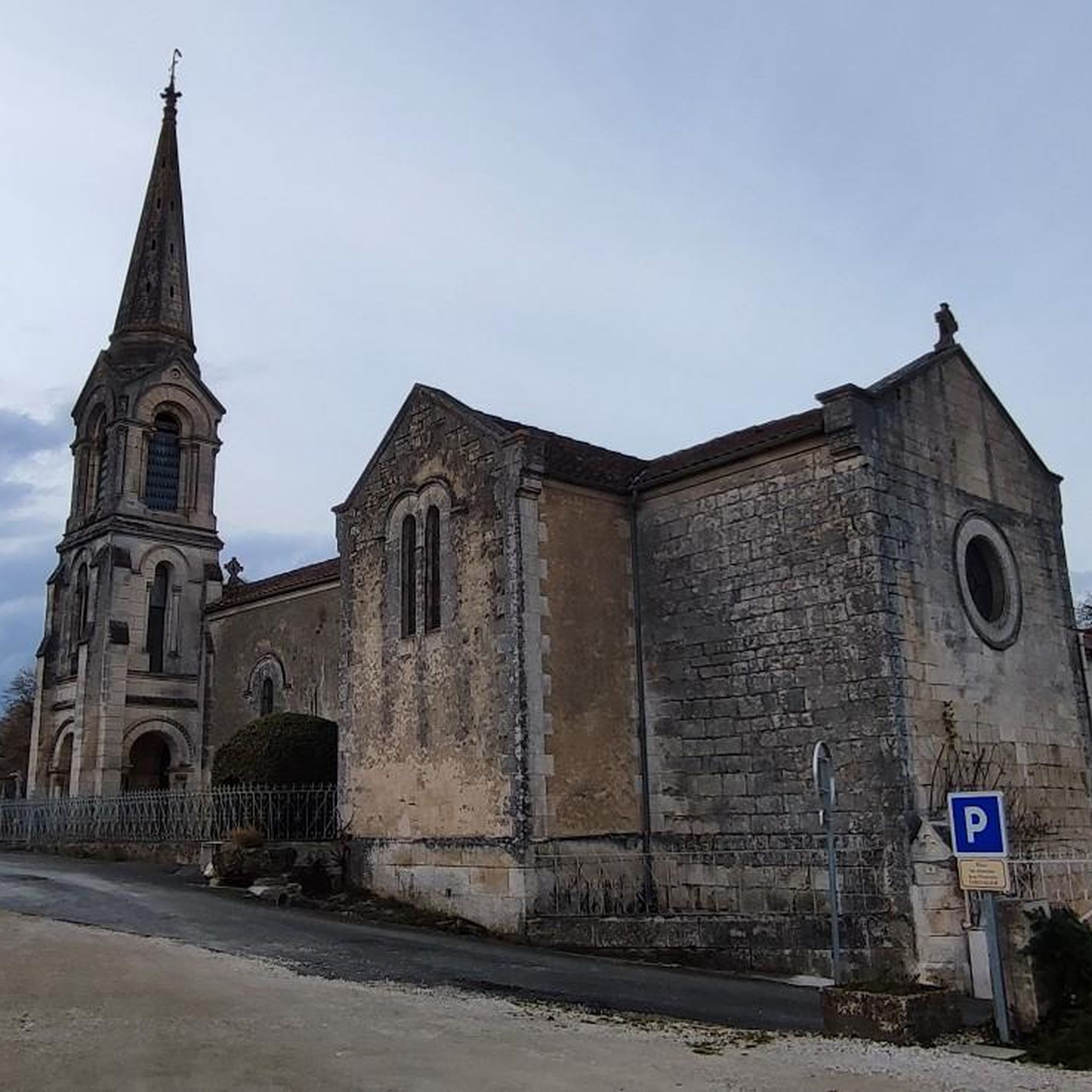
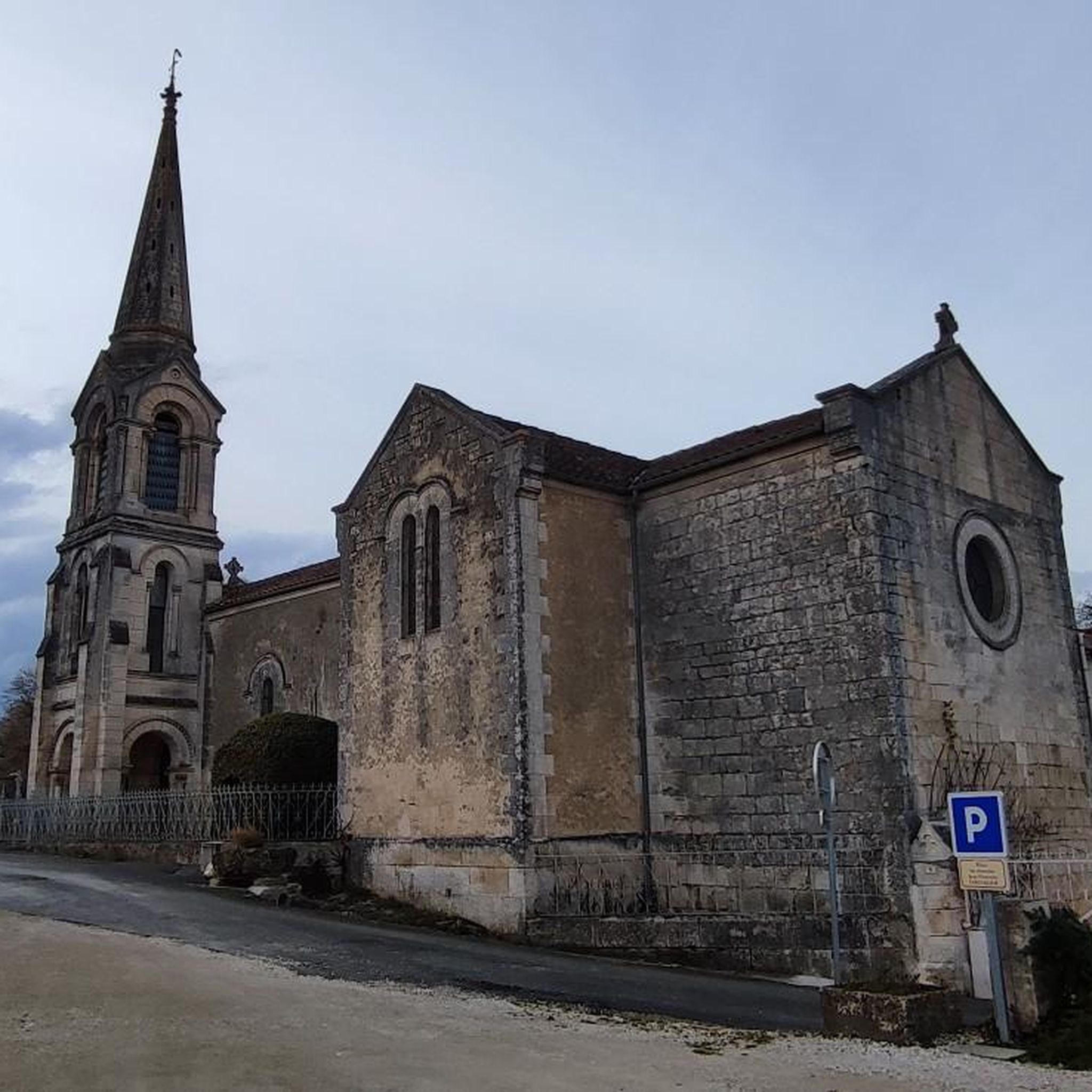
This isolated church was built in the 8th century and is a good example of Romanesque architecture. After partially collapsing in the 18th century, it was restored in 1907 after being listed as a historical monument in 1903.
2
0
This isolated church was built in the 8th century and is a good example of Romanesque architecture. After partly collapsing in the 18th century, it was restored in 1907 after being classified as a historical monument in 1903.
3
0
This discreet little chateau has its own chapel. It was built by Jean Gaston, colonel of the Saintonge regiment.
2
0

When Guillaume de Montbron gave, in 1070, the land of Fontclaireau to the cathedral chapter, it was up to the building of a church there, which was built shortly after. Almost completely destroyed by the Protestants, its reconstruction lasted from 1603 to 1651. Today it includes a capped nave without pilaster or buttress, as well as a bay, formerly under a cradle. A chapel has been added, to the south, at the end of the nave. The side walls are bare, the facade without decoration, and pierced with a door with a roller with, above, an elongated bay; the gable ends with a bell tower with an opening. It has a painting of Saint Vincent de Paul from the beginning of the 19th century, registered as a historical monument as an object since 1994.
0
0
Crossing the Charente can be done by ferry (with cables), and with the strength of the arms ...
0
0

Wooden boat crossing the Charente, over thirty meters, using cables.
0
0
Frequently Asked Questions
How many hiking trails are there in Puyréaux?
Puyréaux offers a wide selection of hiking opportunities, with over 35 routes available. These trails cater to various preferences, ranging from easy strolls to more moderate excursions.
What kind of landscapes can I expect to see while hiking in Puyréaux?
Hiking in Puyréaux will immerse you in diverse landscapes, including picturesque river valleys along the Bonnieure, Grande Rivière, and Charente. You'll also encounter charming terraced gardens, tranquil wooded areas like the Bois de Pérignac, ancient quarries, and numerous natural fountains. Historic structures and villages are often integrated into the trail network.
Are there easy hiking trails suitable for beginners in Puyréaux?
Yes, Puyréaux has a good selection of trails suitable for beginners. Out of the total routes, 17 are classified as easy, offering gentle terrain and shorter distances perfect for a relaxed walk.
What are some interesting historical sites or landmarks I can see along the trails?
Many trails in Puyréaux pass by significant historical sites. You might encounter the old restored Petit Mairat train station, the historic Saint-Laurent church with its 1487 bell, and the Saint-Laurent lavoir. Further afield, you can explore the Saint-Amant-de-Boixe Abbey, the Saint-Denis Church, or the Château de La Rochette.
Are there any circular hiking routes in Puyréaux?
Yes, many of the trails in Puyréaux are circular, allowing you to start and end at the same point. A popular option is the Prairie de Goué and Saint-Groux Loop, which offers a moderate 12.9 km experience through open prairie and rural landscapes.
What do other hikers say about the trails in Puyréaux?
The hiking trails in Puyréaux are highly regarded by the komoot community, boasting an average rating of 4.9 stars from over 30 reviews. Hikers often praise the varied terrain, the scenic river views, and the integration of historical points of interest along the routes.
How long do the hikes in Puyréaux typically take?
The duration of hikes in Puyréaux varies depending on the route and your pace. For example, the Trail of the Banks of the Charente is about 8.4 km and typically takes around 2 hours and 10 minutes. Longer routes, like the Saint-Denis Church loop from Fontclaireau (14.4 km), can take closer to 3 hours and 50 minutes.
Are there any family-friendly hiking options in Puyréaux?
While specific family-friendly designations are not always available, the 17 easy trails in Puyréaux are generally suitable for families. These routes feature gentler gradients and shorter distances, making them enjoyable for all ages. Look for trails that explore the riverbanks or pass through charming villages.
Is there parking available near the hiking trailheads?
While specific parking locations are not detailed for every trailhead, many routes in Puyréaux, especially those starting from villages or popular points, typically have accessible parking. It's advisable to check the starting point of your chosen route for local parking information.
What is the best time of year to go hiking in Puyréaux?
Puyréaux offers enjoyable hiking experiences throughout much of the year. Spring and autumn provide pleasant temperatures and vibrant scenery, with blooming flowers or colorful foliage. Summer is also popular, especially for riverside walks, though it can be warmer. Winter hikes are possible, offering a different, quieter perspective of the landscape.
Can I reach the hiking trails in Puyréaux using public transport?
Information on specific public transport links directly to every trailhead in Puyréaux is limited. While some larger towns in the region may have bus services, reaching the more rural starting points of certain hikes might require personal transport. It's recommended to research local bus routes if you plan to rely on public transport.
Are there any trails that pass through wooded areas?
Yes, many trails in Puyréaux traverse wooded areas, offering shade and a different natural experience. The region is known for its wooded areas like the Bois de Pérignac, which you can expect to encounter on various routes, providing a refreshing contrast to the open river valleys.
Most popular attractions around Puyréaux

Get inspired with the komoot mobile app


Explore more
Browse the best Hikes in other regions.
