Attractions and Places To See around Saint-Hilaire-De-Lusignan - Top 20
Best attractions and places to see around Saint-Hilaire-De-Lusignan, located in the Lot-et-Garonne department of France, offers a blend of historical landmarks and natural beauty. The region is characterized by its position near the Garonne river, providing a green landscape for exploration. Visitors can discover historic churches, medieval castles, and scenic viewpoints across the Garonne valley. This area provides opportunities for both cultural immersion and outdoor activities.
Best attractions and places to see around Saint-Hilaire-De-Lusignan
- The most popular attractions is Agen…
Last updated: August 26, 2026
Agen river port
Highlight • Other
Translated by Google •
Tip by

Agen Canal Bridge
Highlight (Segment) • Bridge
Translated by Google •
Tip by

Sign up now to discover places like this
Get recommendations on the best single tracks, peaks, & plenty of other exciting outdoor places.
Sign up for free
Saint John the Baptist Church
Highlight • Other
Translated by Google •
Tip by

Prayssas Village Square
Highlight • Settlement
Translated by Google •
Tip by

Place des Laitiers
Highlight • Other
Translated by Google •
Tip by

Sign up for free to discover even more attractions around Saint-Hilaire-De-Lusignan.
Sign up for free
Already have an account?
Start today with a free account
Your next adventure awaits.
Login or Signup
Tips from the Community

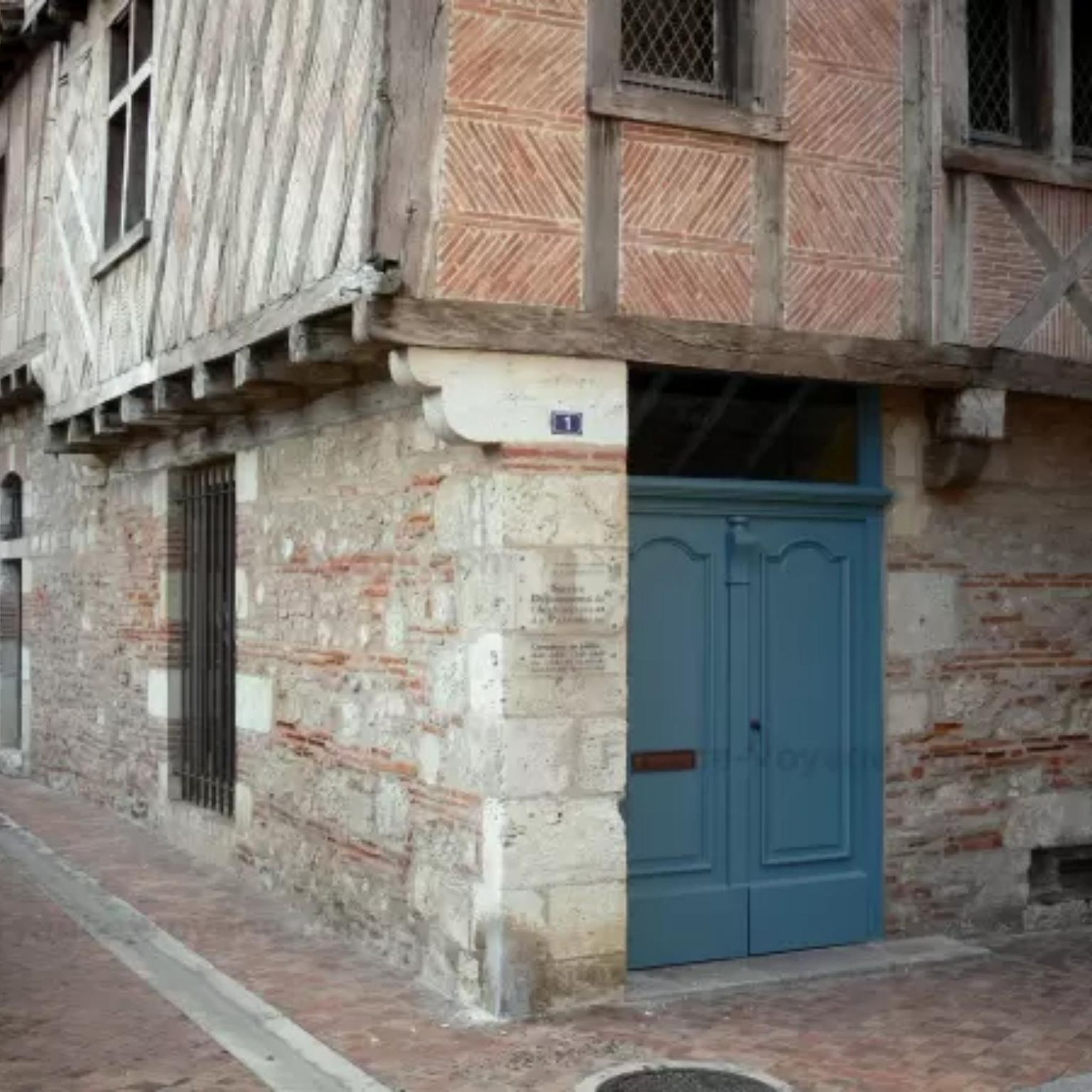
In Gallo-Roman times, this was the forum and forecourt of the first Saint-Étienne Cathedral. It is still the heart of the city. Every Saturday morning, the market welcomes shoppers. This market offers only organic produce. This square intersects Boulevard de la République, a vast thoroughfare that was designed and invented in the 19th century by a certain Eugène Haussmann. He was not yet a baron; he was sub-prefect of Nérac when he brought a breath of fresh air to the departmental metropolis by opening boulevards: Boulevard Carnot and Boulevard de la République. Fortunately, the Place des laitiers was not affected by the transformations. In the center of the square stands a statue depicting a pilgrim walking the Camino de Santiago. A reminder of this medieval context. Pilgrims stayed in two towns: Moissac and Agen. Needless to say, the rivalry between these two cities was fierce... They fought over what were then called "the marchers of piety." This square is magnificent. It is lined with houses surmounted by corners also called ambans. These covered galleries allowed merchants in the Middle Ages to display their wares without fear of damage from the sun or rain. Today, many cafes and ice cream parlors have set up their tables there. And since cars are not allowed to park, it's a perfect place to safely set up café terraces. If you're curious, go admire the painted ceiling of the Dairymen's Brasserie. The decor is Rococo, it's true, the structure is reminiscent of a Parisian bistro (which is hardly surprising when you know the owner's background), but when you look up at the ceiling, you discover a painted canvas mounted on it. This painting is a copy of the one that adorned the ceiling of the couple's bedroom in the Hôtel de Gonzague in Mantua. It's original, surprising, and exotic. Another interesting place: the Quesseveur bookstore. This shop is next to the brasserie. It's certainly one of the oldest businesses in the city, since the first printing press in Agen opened there in 1634. A bookstore was later added. By the way, do you know why this square is called Place des laitiers? The explanation is quite simple: it was on this square that every morning, local farmers arrived to sell milk from their farms to the bourgeoisie of Agen. On this square was the forecourt of Saint-Étienne Cathedral, the first cathedral in Agen. Falling into ruins, it was demolished. It was replaced in 1883 by a Baltard-style market hall. In 1970, the covered market was built in its place... A long concrete spire rises into the sky, below the covered market, above 5 floors of parking. It's really not pretty, but it has one advantage. An exterior elevator allows you to reach the upper floors of the parking lot. By taking it, you discover the beautiful city of Agen
0
0

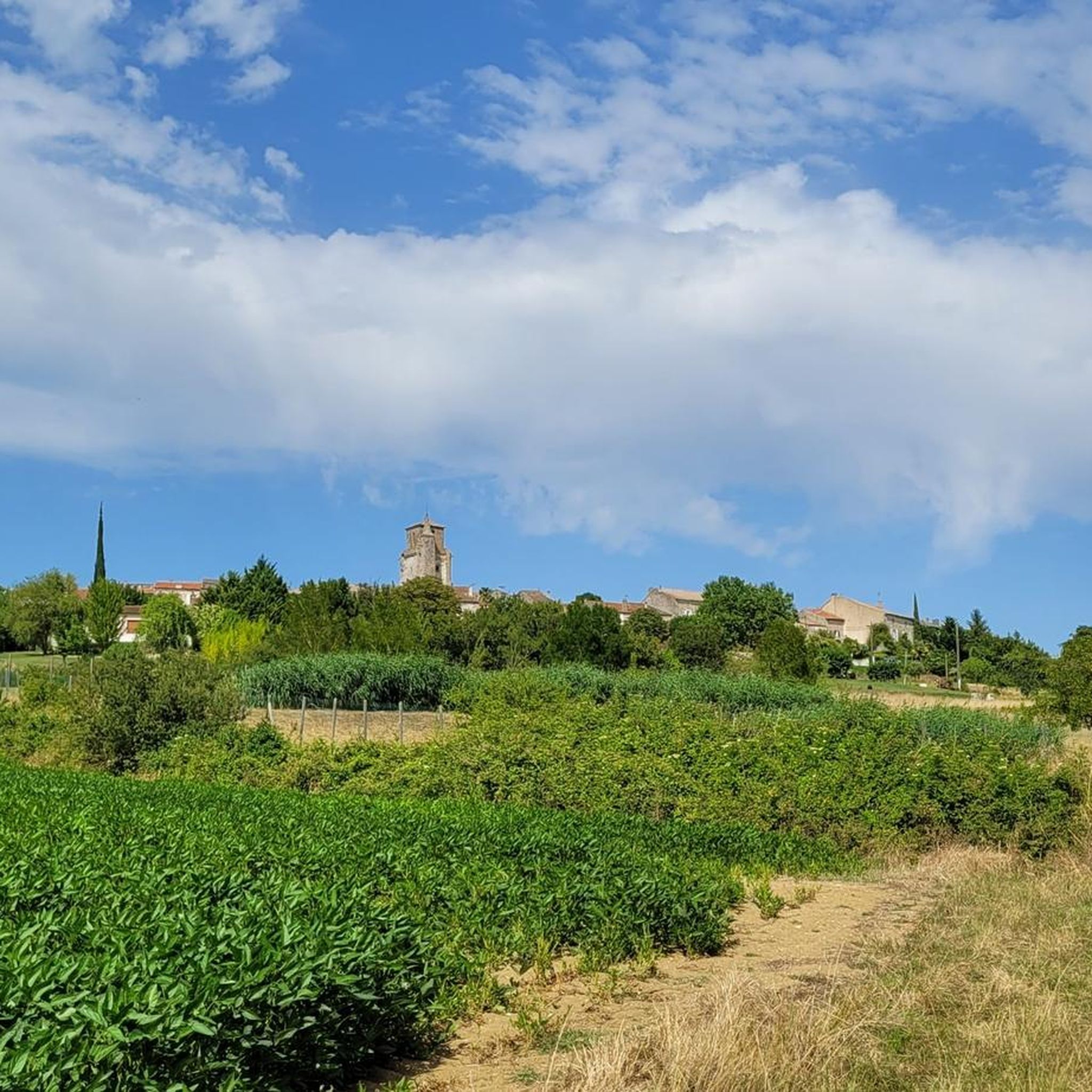
Located in the heart of the Lot-et-Garonne hills, Preyssas is a charming village typical of the Albret region. Surrounded by orchards and rolling countryside, it reveals peaceful lanes, a beautiful stone church, and retains a true rural authenticity. The town hall square is an ideal spot for a relaxing break on a terrace.
0
0

[In Advent] "we hear in the Gospel the beginning of the ministry of John the Baptist. He appears in the desert and calls people to conversion so that they may prepare for the coming of the Lord. His call reminds us that Advent is not only a time of waiting, but also of interior preparation. "Prepare the way of the Lord, make straight his paths" (Luke 3:4). John's message challenges us to examine our lives. What "rough paths" and "crooked roads" are there in our hearts? Where have we perhaps distanced ourselves from God or lost sight of our fellow human beings? John invites us to remove these obstacles and reorient our lives. But his call has not only a personal dimension, but also a social one: the way of the Lord is a way of justice, peace and reconciliation. When we pave the way of the Lord, we bring light into the darkness of the world and hope into the hearts of people." (Text: Michael Inden, Diocesan President of the KAB in the Archdiocese of Cologne)
1
0
Saint John the Baptist (Saint Jean Baptiste), to whom this church in Clermont-Dessous is dedicated, is - like Saint Joseph - a man on the threshold of the Old and New Testaments. His parents are Zacharias and Elisabeth, and after the announcement of the Incarnation of God through them, the Mother of God visits her relative Elisabeth, who will give birth to a son in her old age, namely John the Baptist. He is half a year older than Jesus and is considered his forerunner/pioneer. He lives in the desert, preaches repentance from sins to the Jewish population and baptizes them in the Jordan, where Jesus also comes to be baptized, and is filled with the Holy Spirit who descends upon him from heaven. The feast day of Saint-Jean-Baptiste in the calendar of saints is June 24, exactly half a year before 'Christmas Eve'.
3
0
Saint John the Baptist, to whom this church in Clermont-Dessous is dedicated, is—like Saint Joseph—a man at the threshold between the Old and New Testaments. His parents were Zechariah and Elizabeth. After the Annunciation of the Incarnation, the Virgin Mary visited her relative Elizabeth, who, in her old age, would give birth to a son, John the Baptist. He was six months older than Jesus and is considered his forerunner. He lived in the desert, preached repentance to the Jewish population, and baptized them in the Jordan River. Jesus also came to the Jordan to be baptized, and was filled with the Holy Spirit, who descended from heaven. The feast day of Saint John the Baptist in the liturgical calendar is June 24, exactly six months before Christmas Eve.
2
0

I'm sorry but the river port of Agen no longer has any influence on the transport of goods and the rental of small boats has been moved to the much more active port of Buzet sur Baïse.
1
0

Spectacular canal bridge over the Garonne
3
0

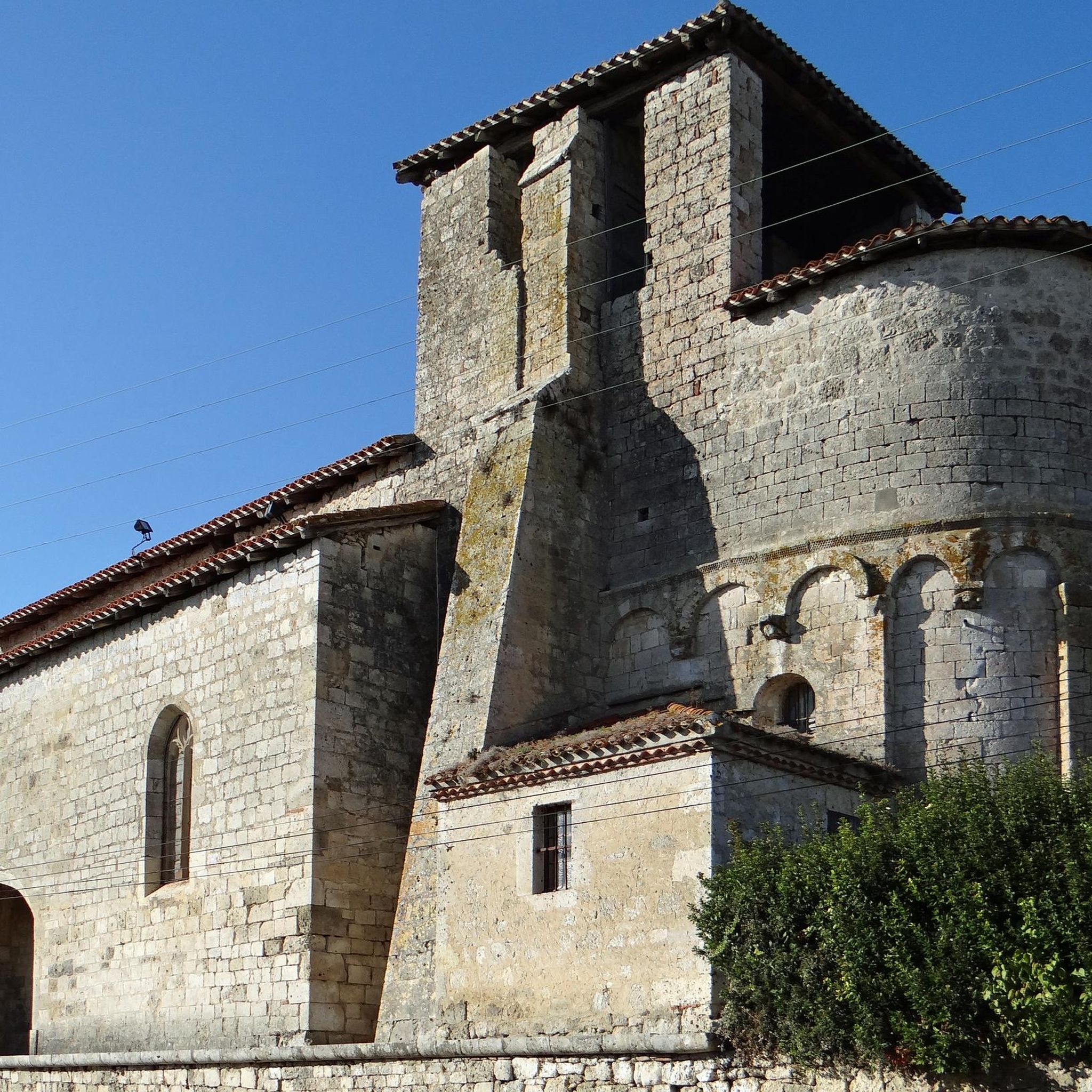
The parish church of Saint Jean-Baptiste was built in the 12th century at the top of the promontory carrying the castle, isolated from the village by a ditch, in the Romanesque style with a dome. The church took part in the defense of the site with its tower placed above the crossroads of the slightly projecting transept being used for the surveillance of the region.
1
1
Frequently Asked Questions
What historical sites can I explore in Saint-Hilaire-de-Lusignan?
Saint-Hilaire-de-Lusignan is rich in history, featuring several notable churches. You can visit the 12th-century Église de Saint-Hilaire, known for its late Gothic architecture and ancient foundations. The Saint John the Baptist Church, an 11th-century edifice, also offers historical insights overlooking the Garonne. Other historic churches include Église de Lusignan-Grand with its Romanesque choir and Gothic elements, Église de Cardonnet nestled in a green valley, and Église de Maurignac with Romanesque vestiges. Additionally, the medieval Château de Madaillan, dating from the 13th to 15th centuries, is a significant landmark.
Are there any family-friendly attractions in the area?
Yes, there are several family-friendly options. The Agen Aqueduct is a fascinating historical site and bridge that families can enjoy exploring. For more active entertainment, Walibi Aquitaine amusement park is located just 10 km away. The Prayssas Village Square also offers a charming spot for a relaxing break, with its peaceful lanes and beautiful stone church.
Where can I enjoy nature and scenic views around Saint-Hilaire-de-Lusignan?
For nature and scenic views, the Les Berges de Garonne (Banks of the Garonne) offers a 'green lung' for leisurely strolls and sports activities along the river. The Lusignan-Grand Panoramic Site, accessible from the listed Église de Lusignan-Grand, provides grandiose views over the Garonne valley and the Gascony hills. You can also find different perspectives of the river from points like La Garenne or Mathaly.
What cycling routes are available near Saint-Hilaire-de-Lusignan?
The area offers various cycling opportunities. You can explore the natural and built heritage of Lot-et-Garonne via the Voie Verte du Canal de Garonne. For specific routes, consider the 'Roadbike loop from Sérignac-sur-Garonne' or the 'Madaillan Castle – Laugnac Village loop'. More options are available in the Cycling around Saint-Hilaire-De-Lusignan guide, which includes routes like the 'Baïse Aqueduct – Port of Buzet loop'.
Are there hiking trails for different skill levels?
Yes, there are hiking trails suitable for various preferences. For an easy walk, there are routes around Lusignan-Grand. Moderate options include the 'Lusignan-Grand Panoramic View of the Garonne Valley Trail' and the 'Saint John the Baptist Church – Château de Clermont-Dessous loop'. You can find more hiking routes, including a 'Lusignan church small loop', in the Hiking around Saint-Hilaire-De-Lusignan guide.
What is the Agen river port and what does it offer?
The Agen river port is a significant point of interest located at the foot of the Hermitage hillside. While its role in goods transport has diminished, it still serves as a water point for visitors to refill bottles. It's a pleasant spot to pass by and enjoy the riverside atmosphere.
Can I visit the Latour-Marliac waterlily garden?
Yes, the Latour-Marliac waterlily garden is a beautiful attraction located about 17 km from Saint-Hilaire-de-Lusignan. It offers a serene experience for those interested in botanical beauty and is a pleasant excursion from the immediate area.
What is special about the Église de Lusignan-Grand?
The Église de Lusignan-Grand is perched on a hillside and features a magnificent Romanesque choir with a Gothic-style remainder. It has a martial past, evidenced by loopholes in its walls, and boasts beautiful stained-glass windows depicting war scenes with armed knights and the legendary fairy Mélusine. From its location, you can also enjoy a grandiose panorama over the Garonne valley.
What do visitors enjoy most about the attractions around Saint-Hilaire-de-Lusignan?
Visitors particularly appreciate the blend of historical sites and natural beauty. The Agen Aqueduct is often highlighted for its impressive engineering and historical significance. The charm of villages like Prayssas, with its panoramic views and rural authenticity, is also highly rated. The opportunity to enjoy leisurely activities along the Garonne river and explore historic churches adds to the overall appeal.
Are there any impressive bridges or aqueducts to see?
Absolutely. The Agen Aqueduct, also known as the Agen Canal Bridge, is a must-see. This impressive 539-meter-long structure with 23 arches allows the Canal de Garonne to cross over the Garonne river, creating a unique and picturesque sight. It's the second-largest canal bridge in France.
What is the best time of year to visit Saint-Hilaire-de-Lusignan?
The region generally offers a tranquil experience with its local historical sites and natural beauty. Spring and early autumn are often ideal for exploring, as the weather is pleasant for outdoor activities like hiking and cycling along the Garonne, and for visiting the various churches and castles without the peak summer heat.
Can I find viewpoints to see the Garonne Valley?
Yes, the region offers several excellent viewpoints. The Lusignan-Grand Panoramic Site, located near the Église de Lusignan-Grand, provides expansive views of the Garonne valley and the surrounding Gascony hills. Other points along routes, such as La Garenne or Mathaly, also offer different perspectives of the river and the landscape.
Most popular routes around Saint-Hilaire-De-Lusignan

Get inspired with the komoot mobile app


Explore more
Still not found the Highlight you’re looking for? See guides of the top attractions in other regions:
