Attractions and Places To See around Saint-Christoly-Médoc - Top 20
Best attractions and places to see around Saint-Christoly-Médoc offer a mix of historical sites, natural landscapes, and connections to the renowned Médoc wine region. Situated on the edge of the Gironde estuary, the village provides opportunities for exploring its unique port and surrounding vineyards. The area is characterized by extensive vineyards, prairies, and the estuary itself, making it a destination for those interested in local heritage and outdoor activities.
Best attractions and places to see around Saint-Christoly-Médoc
- The most popular…
Last updated: August 26, 2026
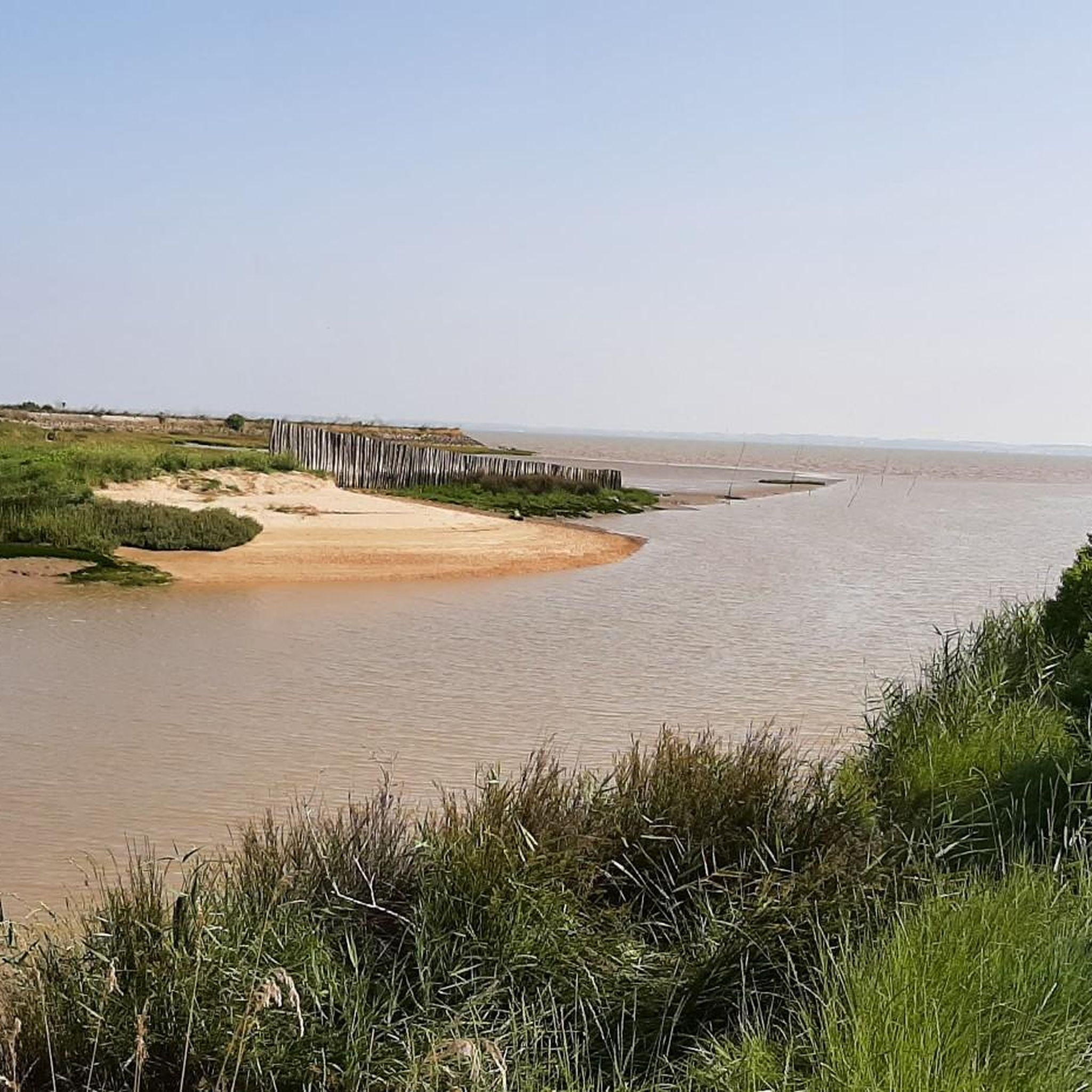
Port Maubert
Highlight • Settlement
Tip by

The Richard Lighthouse
Highlight • Other
It is a cylindrical lighthouse, not high enough despite …
Translated by Google •
Tip by
Sign up now to discover places like this
Get recommendations on the best single tracks, peaks, & plenty of other exciting outdoor places.
Sign up for free
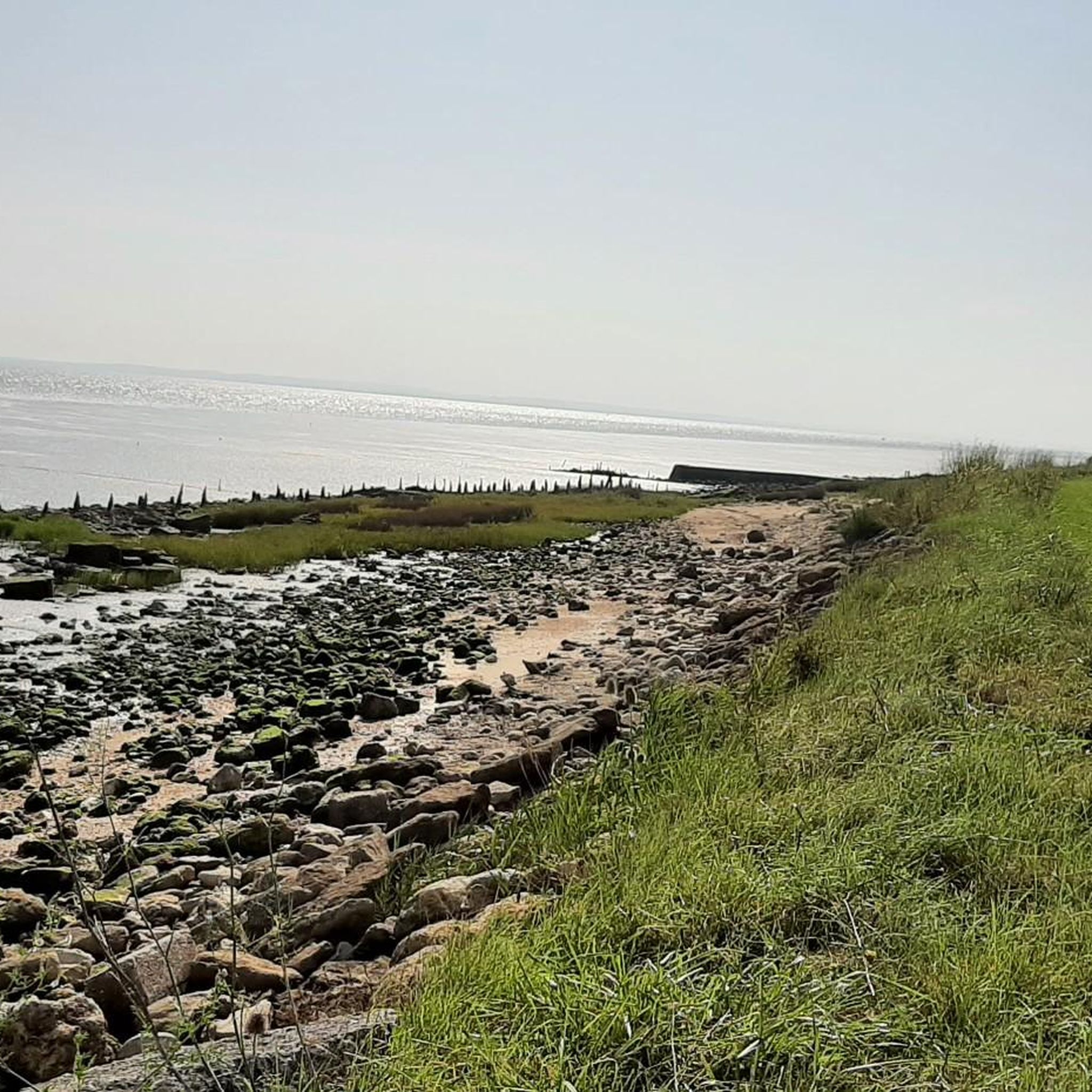
Nice track on the dikes
Highlight (Segment) • Other
Tip by
Goulée Port
Highlight • Structure
Translated by Google •
Tip by

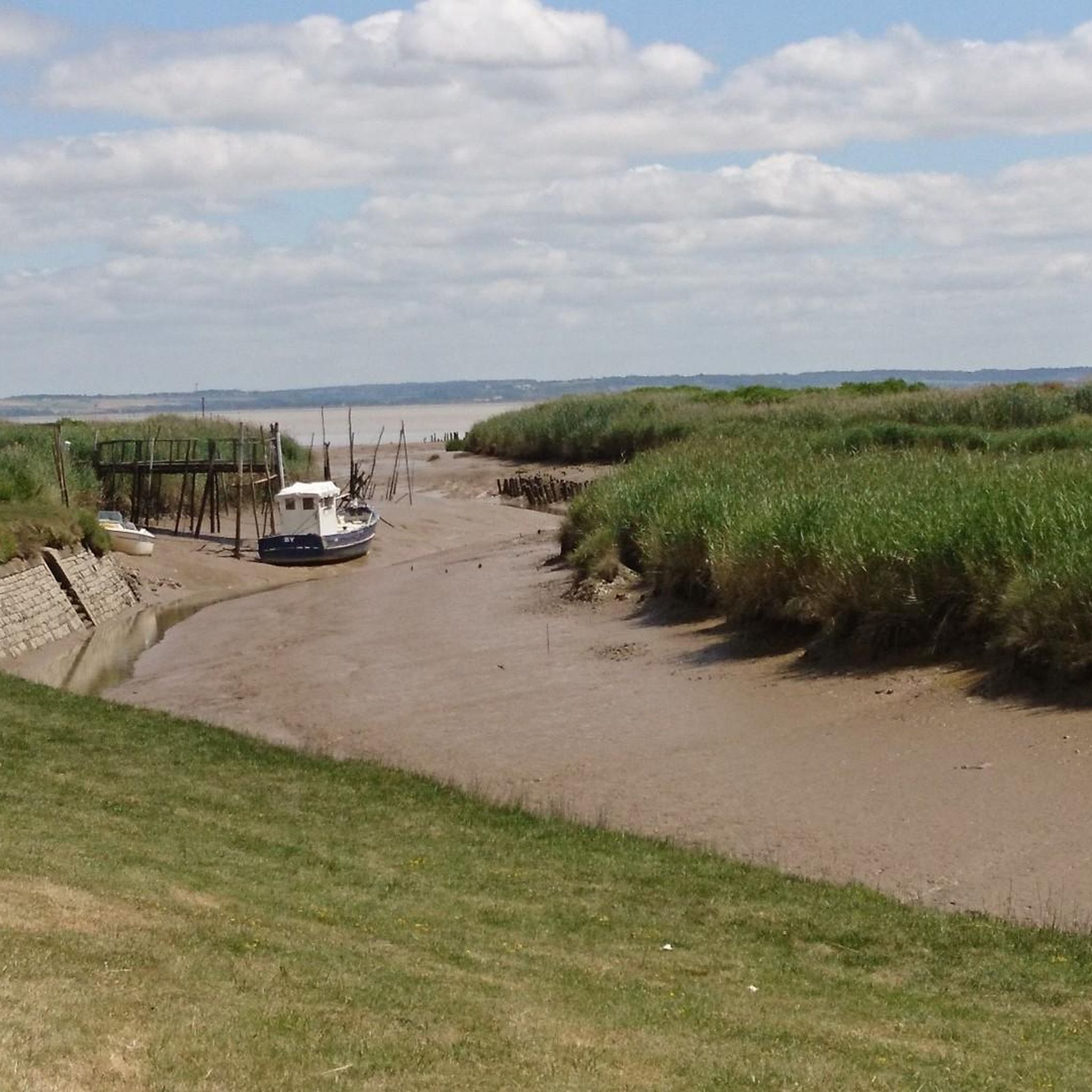
Port of Saint-Christoly-Médoc
Highlight • Structure
Translated by Google •
Tip by
Sign up for free to discover even more attractions around Saint-Christoly-Médoc.
Sign up for free
Already have an account?
Start today with a free account
Your next adventure awaits.
Login or Signup

Tips from the Community

Cute little coastal village at the mouth of a small canal, with a recreational port and a few restaurants as well as picnic spots for a break.
0
0

Nice track, be careful there is no protection against the wind or the sun ;)
0
0

Former oyster port with small restaurants and picnic area
0
0

nice little place for a snack break
0
0

A beautiful cycle path that runs along the river on the dikes. There are lovely views of the surrounding coastline.
1
0

Nice picnic area and a creperie and dining restaurant La canue. Historical canal bridge. Hiking circuit of the commune of Jau Et Dignac runs along the banks of the Gironde.
0
0

The first mention of Port-Maubert appears in the 16th century. It is one of the ports with an intense wheat trade activity on the Gironde estuary. Trade is mainly with Bordeaux. The goods are loaded on barges which transported their cargoes according to the tides and the winds. In the middle of the 19th century, work changed the appearance of the port. At the same time, a landing stage was built to accommodate steamboat passengers. In the 1860s, the State ceded its land to build houses, warehouses for goods, a fairing slipway and establish a shipyard (the future "le Chérif" shipyard). At the entrance to the port, a steam flour mill processes and exports a large part of the cereal production of the Jonzac district. Port activity was at its peak: wines, wheat, potatoes, and other goods flowed in from all over Saintonge to be shipped to Bordeaux, Libourne, Pauillac. The fishing activity continues, the fishermen use boats equipped with nets the "filardières", some come out of the shipyard of Port Maubert, the "Chérif". Fishing has been mentioned in the estuary since the Middle Ages, a modest activity which grew with the modernization of the ports in the middle of the 19th century. The sturgeon, called here "Créac" or "Créa" is one of the fish caught for their flesh. According to tradition, a Russian princess would have come to St-Seurin-d'Uzet. She would then have undertaken to re-teach them how to prepare caviar and when she left, she would have forgotten her umbrella, now carefully kept in St-Seurin-d'Uzet. More specifically, the Prunier house, a great Parisian restaurateur, undertook in 1921 to organize the production of caviar in France and sent Alexandre Scott to St-Seurin-d'Uzet to teach the preparation of caviar to the fishermen of the region. From this activity by several production sites develop as in Port Maubert. The intensity of fishing, in addition to pollution and the modification of natural environments, leads to the scarcity of sturgeons. Its fishing declined in the 1960s and was finally banned in the 1980s, the sturgeon becoming a protected species. Since the 1990s, research has been carried out to reintroduce the original species of sturgeon, the sturio. At the same time, Baerii sturgeon farms are open along the estuary to provide caviar. In the 1980s, sturgeon fishing was banned and fishermen reoriented themselves towards pibales, hitherto practiced on foot or in skiffs with a landing net, and which now is done with boats equipped with "haveneaux": the "pibaliers", also used for shrimp fishing. Today the activity of Port Maubert is mainly linked to fishing and yachting, while a sailing school allows learning how to handle the Optimists on the hunting basin in complete safety. Local fishermen perpetuate the activity and offer the product of their work in the form of numerous recipes sold at the on-site shop.
0
1

Lighthouse with a small museum and picnic area.
1
0
Frequently Asked Questions
What historical sites can I explore in and around Saint-Christoly-Médoc?
Saint-Christoly-Médoc is rich in history. You can visit the 12th-century Romanesque Église Saint-Christophe, a listed historical monument. Explore the ruins of the Medieval Castillon Fortress, which offers a scenic promenade overlooking the estuary. The village also features its unique Port of Saint-Christoly-Médoc, an 'intramural' port with historical significance and picturesque views.
Are there any family-friendly attractions or activities in the area?
Yes, several spots are great for families. The Port of Saint-Christoly-Médoc is a pleasant place to observe old boats and enjoy the estuary views. Port Maubert offers recreational port activities and picnic spots. Goulée Port also has picnic areas and facilities, making it suitable for a family outing.
What kind of outdoor activities can I do near Saint-Christoly-Médoc?
The region is ideal for outdoor enthusiasts. You can enjoy walking, cycling, and fishing along the Gironde Estuary. There are numerous routes for different sports, such as cycling, running, and mountain biking. For example, you can find various cycling routes like the 'Carrelets of the Gironde – The Richard Lighthouse loop' or explore running trails like the 'Port of Saint-Christoly loop'. For more options, check out the Cycling around Saint-Christoly-Médoc guide, Running Trails around Saint-Christoly-Médoc guide, and MTB Trails around Saint-Christoly-Médoc guide.
Where can I find scenic views or natural beauty spots?
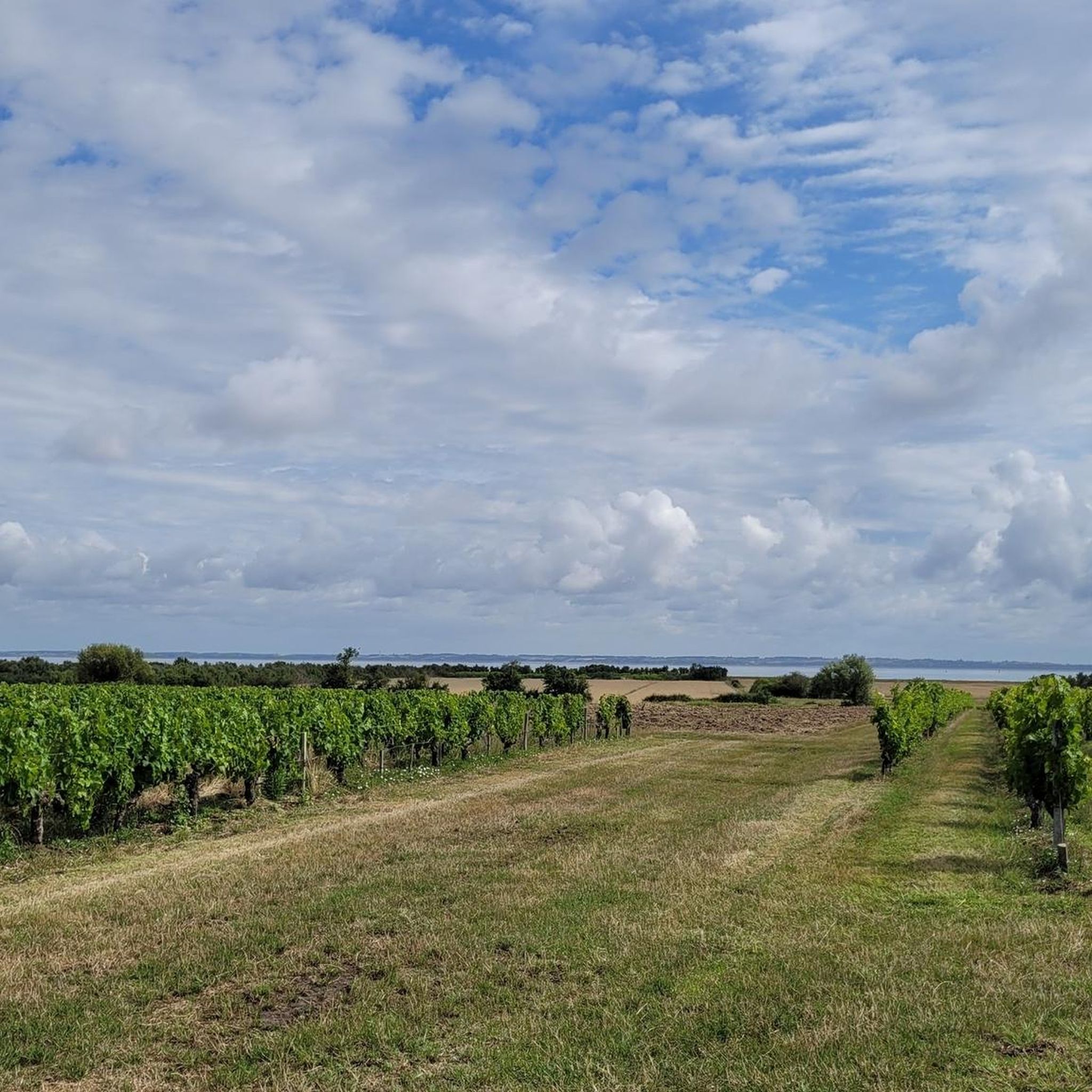
The Gironde Estuary itself provides extensive opportunities for scenic views, particularly along its shores with vineyards and prairies. The Richard Lighthouse, though no longer active, offers beautiful views over the Gironde. Additionally, the Nice track on the dikes is a popular cycle path that runs along the river, offering great coastal scenery.
Are there any specific hiking or walking trails recommended for beginners?
Yes, the area offers several accessible walking and cycling routes. The village is part of longer routes like the 'Chemin d'Amadour', and local loops such as 'La Boucle de la Tour de By' and 'Boucle d'Ordonnac' are available. For mountain biking, routes like 'Maubert – Gironde Shores loop' are rated as easy. You can find more detailed information and routes in the MTB Trails around Saint-Christoly-Médoc guide.
What are the unique features of the Port of Saint-Christoly-Médoc?
The Port of Saint-Christoly-Médoc is unique for being the only 'intramural' (within the village) port in the area. It offers picturesque views of the Gironde estuary and is a charming spot to see old boats. In summer, it hosts the popular 'Marché Gourmand du Port' on Wednesday evenings, along with flea markets and festivals, creating a lively atmosphere.
Can I visit vineyards or learn about winemaking in the region?
Absolutely. Saint-Christoly-Médoc is situated in the renowned Médoc wine region. The area is surrounded by numerous châteaux and wine estates, such as Château Saint-Christoly, which represent the region's viticultural heritage. Many offer wine tastings and tours, providing insights into the winemaking process and the local terroir.
What are some notable attractions in the wider Médoc area, accessible from Saint-Christoly-Médoc?
Beyond the village, you can explore significant UNESCO World Heritage Vauban Fortifications like the Blaye Citadel, Fort Médoc, and Cussac Fort Paté, all within approximately 30 kilometers. The nearby village of Vertheuil also features the 12th-century Vertheuil Abbey, a historical and architectural site worth visiting.
Are there any coastal or beach destinations within a reasonable drive?
Yes, several coastal resorts are within a short drive. You can visit towns like Soulac-sur-Mer, known for its beaches and Art Nouveau architecture, or Montalivet. Hourtin, home to the largest lake in France, and Le Verdon-sur-Mer also offer coastal experiences and are easily accessible from Saint-Christoly-Médoc.
What do visitors particularly enjoy about the attractions around Saint-Christoly-Médoc?
Visitors appreciate the blend of historical charm and natural beauty. The picturesque views along the Gironde Estuary, especially from spots like the Nice track on the dikes, are highly rated. The historical significance of sites like Port Maubert and the relaxed atmosphere of the local ports are also frequently mentioned as highlights.
Is there parking available at the main attractions?
Yes, for many attractions, parking is generally available. For instance, The Richard Lighthouse has a very nice picnic area with many seating and tables, implying parking access. Similarly, ports like Goulée Port and Port Maubert are designed for visitors, typically offering parking facilities.
Most popular routes around Saint-Christoly-Médoc

Get inspired with the komoot mobile app


Explore more
Still not found the Highlight you’re looking for? See guides of the top attractions in other regions:
