Attractions and Places To See around Fontenay-Trésigny - Top 20
Best attractions and places to see around Fontenay-Trésigny include a blend of historical sites, natural beauty, and cultural experiences. Located in the Seine-et-Marne department of France, the region offers opportunities for outdoor activities and exploration. Visitors can discover local architectural elements and historical monuments within the town and its surroundings. The area is characterized by its natural features, including forests and gardens, providing a diverse landscape for exploration.
Best attractions and places to see around Fontenay-Trésigny
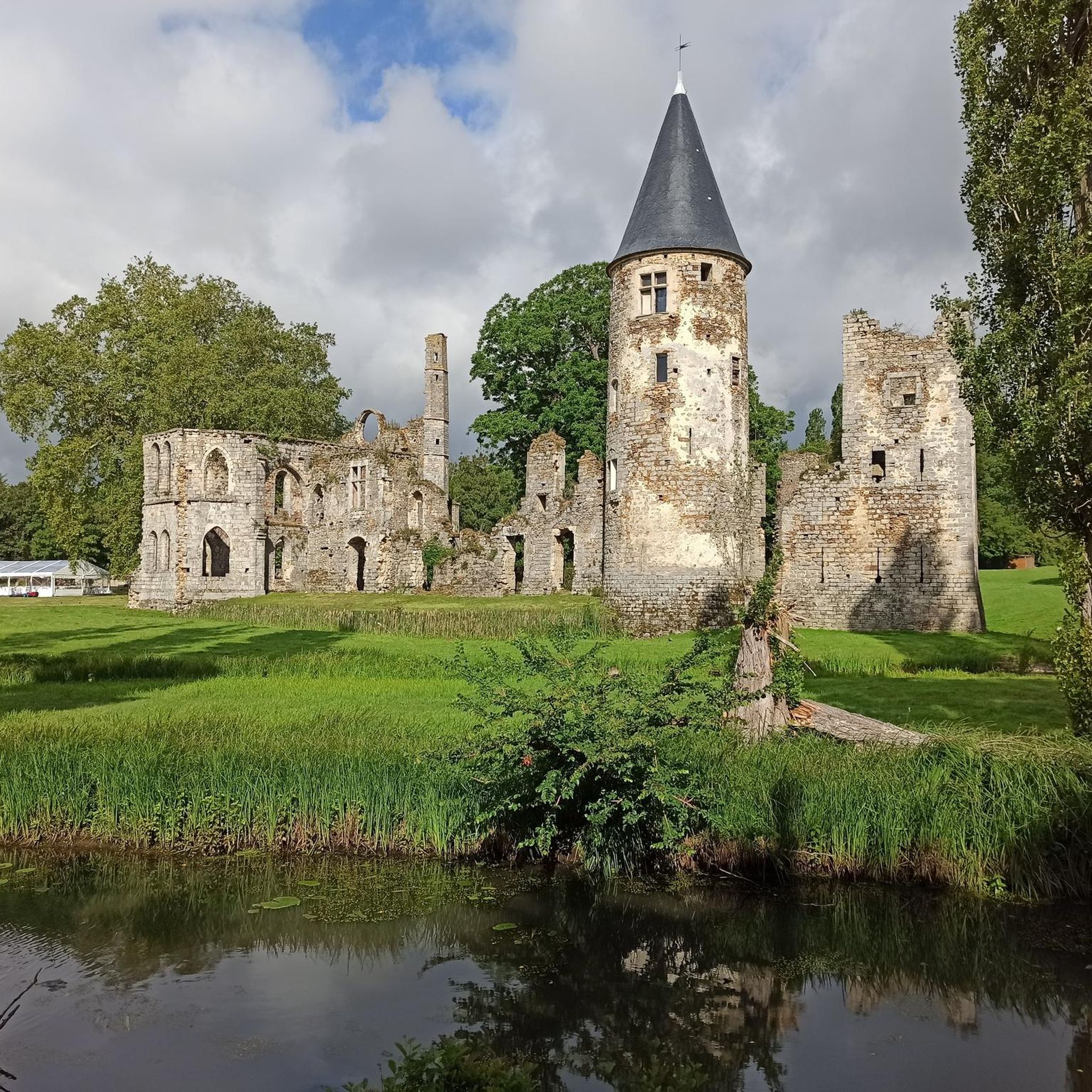
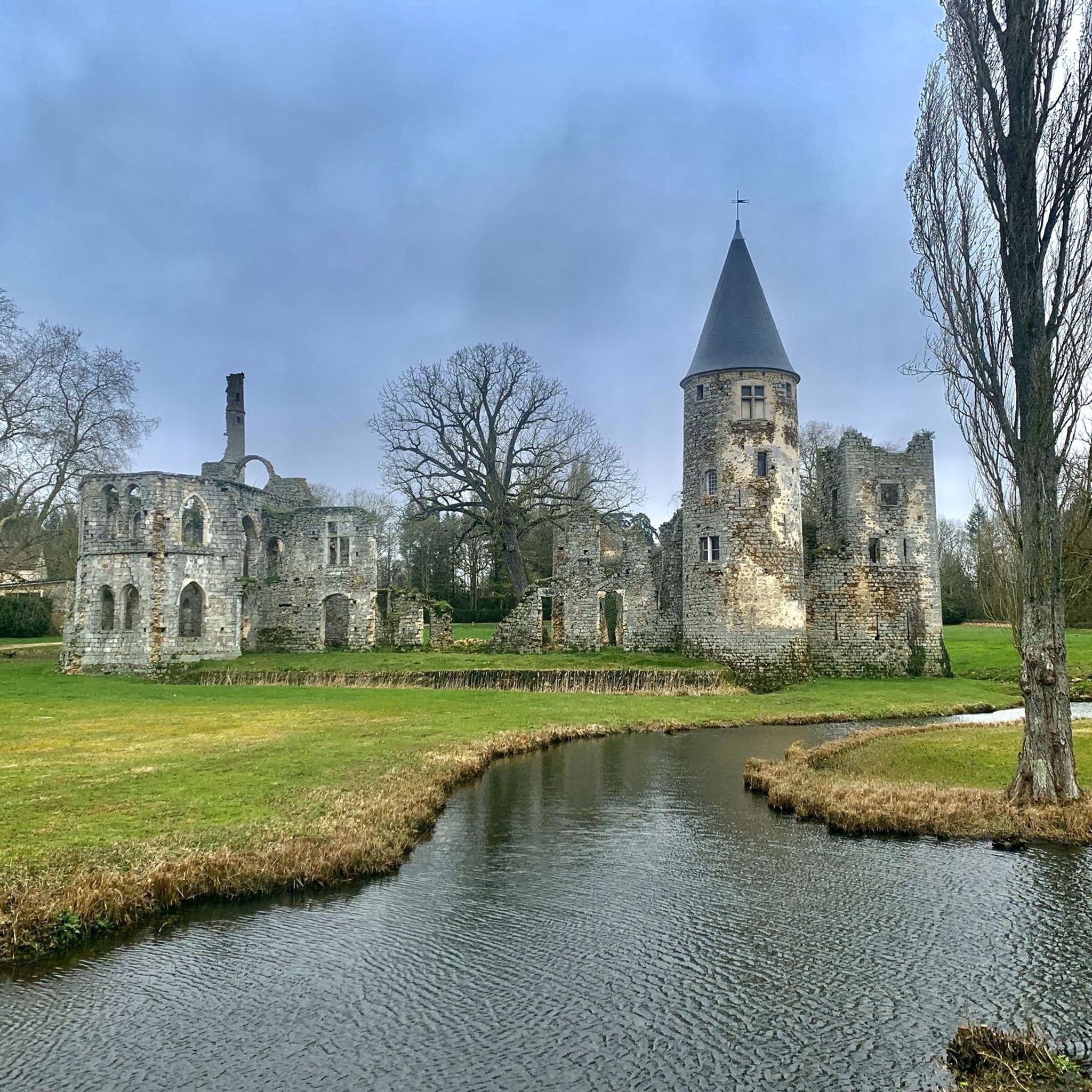
- The most popular attractions is Château du Vivier, a castle located 45 km from Paris. In the middle of its 7-hectare park, the remains of this castle and hundred-year-old trees offer a majestic landscape. It is a 14th-century castle that belonged to Charles de Valois.
- Another must-see spot is Chapelle de la Pointe, washhouse and pantry, a historical site featuring an old chapel with a nearby washhouse. A huge oak tree has grown on top of the chapel tower.
- Visitors also love Château de Monceau, a castle that features ponds, bridges, and vaulted cellars dating back to 1191. The 150 hectares of woods and 20 hectares of pond are home to wildlife, including deer and wild boar.
- Fontenay-Trésigny is known for its historical sites, castles, and natural features. The area offers a variety of historical sites, castles, and natural features to explore, providing many family friendly activities.
- The attractions around Fontenay-Trésigny are appreciated by the komoot community, with 14 upvotes and 11 photos shared.
Last updated: May 21, 2026
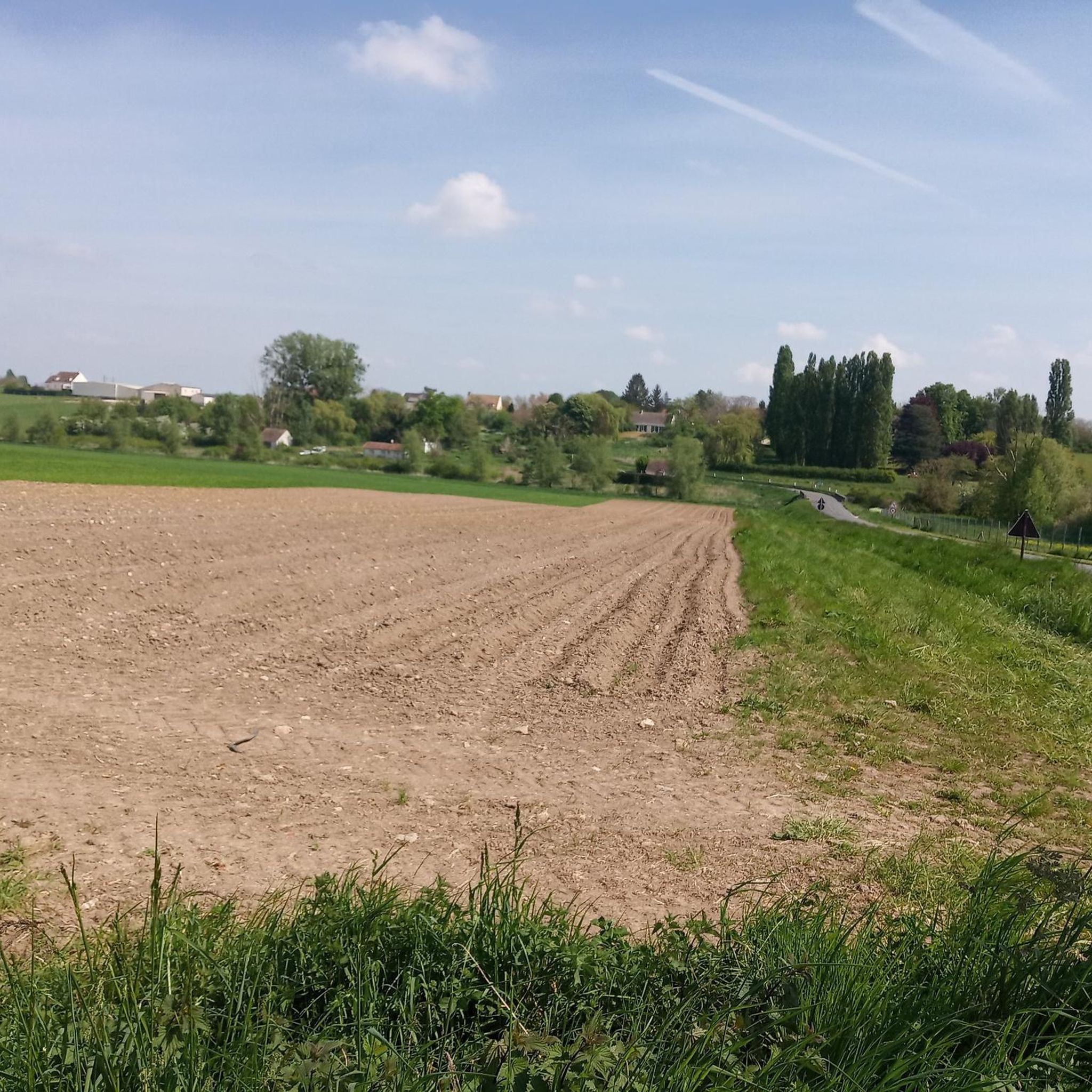
Solers viaduct. Railway disaster of August 1918.
Highlight • Other
Circumstances of the accident
The drama occurs on the night of August 10, 1918 at 3:30 a.m. on the old line from Paris-Bastille to Marles-en-Brie. A train coming from Paris came to a standstill following a coupling failure on the Solers viaduct. The chef de train leaves to cover him at the back with the help of a light signal and firecrackers placed on the track. Despite this device, a train going in the same direction a few minutes apart fails to stop in time and collides with the stationary convoy. Under the impact, two wagons were thrown onto the adjoining track when a third train arrived in the opposite direction. This derailed, and some of its wagons broke through the parapet and fell into the Yerres six meters below.
The victims were transported to Coubert-Soignolles station, the closest to the scene of the tragedy, where the wounded were dressed before being transferred to Melun hospital, where five died. Although the press of the time put the death toll of the disaster at twenty-nine, it seems today that it was twenty-four, including nineteen killed instantly and buried in Solers, and five having succumbed to their wounds and buried in Melun. There were also sixty-one wounded, one missing, and a hundred horses killed.
The first two trains carried artillerymen from the 101st heavy artillery regiment from Lizy-sur-Ourcq to Révigny, the third carried soldiers from the 2nd regiment of Moroccan skirmishers from Maron to Rethondes in preparation for an attack scheduled for August 18. Eight of the latter will receive the military medal posthumously by decree of December 14, 1921.
Translated by Google •
Tip by

Chapelle de la Pointe, washhouse and pantry
Highlight • Historical Site
Translated by Google •
Tip by

Sign up now to discover places like this
Get recommendations on the best single tracks, peaks, & plenty of other exciting outdoor places.
Sign up for free
Château du Vivier
Highlight • Castle
Translated by Google •
Tip by

La Houssaye Castle
Highlight • Castle
La Houssaye-en-Brie also has a very beautiful church.
Translated by Google •
Tip by
Château de Monceau
Highlight • Castle
Translated by Google •
Tip by

Sign up for free to discover even more attractions around Fontenay-Trésigny.
Sign up for free
Already have an account?
Start today with a free account
Your next adventure awaits.
Login or Signup

Tips from the Community

This former ruined 13th century castle was extensively renovated in the 20th century. Today it is a reception venue.
0
0

Great place for a refreshing break
0
0

I went back in March 2024 and actually saw, up close, the pantry. As for the huge oak tree... squeak! 😢 Major forestry work nearby.
0
0

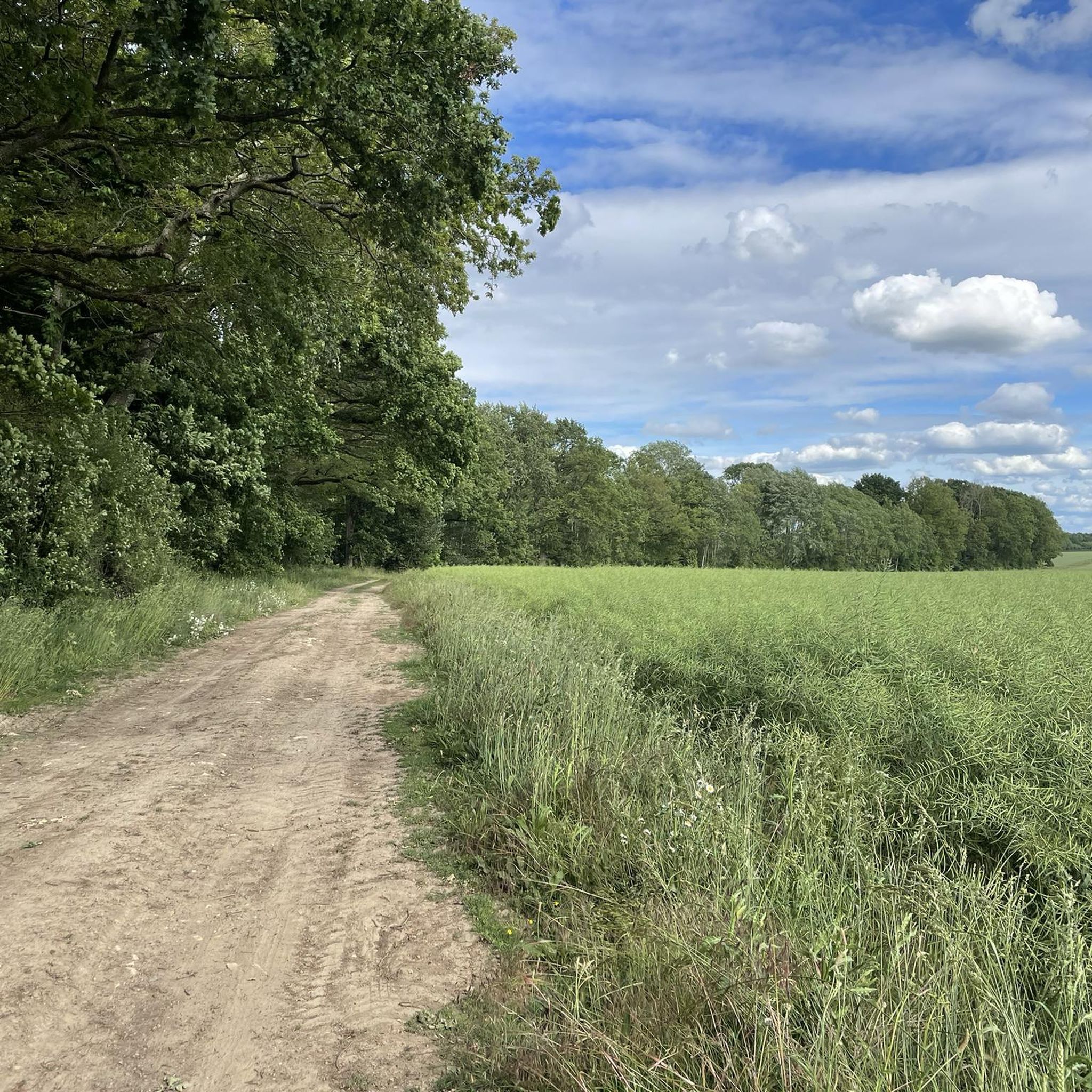
Easy route to do, removing some path through the forest, a bit complicated, the rest is recommended
0
0

According to the archives of the castle library, the first seigniory of Le Monceau dates back to 1191. From this period, there are still ponds, bridges and vaulted cellars on the estate. Today, exceptional trees adorn the estate. In addition, the 150 ha of woods and 20 ha of pond are conducive to welcoming wildlife, and it is not uncommon to come across a deer, fallow deer or wild boar.
1
0

The Solers rail accident, which occurred on August 10, 1918, took place in Solers in the department of Seine-et-Marne. It killed 24 people and injured 61. A hundred horses were also killed. Circumstances of the accident The drama occurs on the night of August 10, 1918 at 3:30 a.m. on the old line from Paris-Bastille to Marles-en-Brie. A train coming from Paris came to a standstill following a coupling failure on the Solers viaduct. The chef de train leaves to cover him at the back with the help of a light signal and firecrackers placed on the track. Despite this device, a train going in the same direction a few minutes apart fails to stop in time and collides with the stationary convoy. Under the impact, two wagons were thrown onto the adjoining track when a third train arrived in the opposite direction. This derailed, and some of its wagons broke through the parapet and fell into the Yerres six meters below. The victims were transported to Coubert-Soignolles station, the closest to the scene of the tragedy, where the wounded were dressed before being transferred to Melun hospital, where five died. Although the press of the time put the death toll of the disaster at twenty-nine, it seems today that it was twenty-four, including nineteen killed instantly and buried in Solers, and five having succumbed to their wounds and buried in Melun. There were also sixty-one wounded, one missing, and a hundred horses killed. The first two trains carried artillerymen from the 101st heavy artillery regiment from Lizy-sur-Ourcq to Révigny, the third carried soldiers from the 2nd regiment of Moroccan skirmishers from Maron to Rethondes in preparation for an attack scheduled for August 18. Eight of the latter will receive the military medal posthumously by decree of December 14, 1921.
0
0

Beautiful little corner at the exit of Villeneuve-le-Comte, perfect for a small snack!
1
0

château of the lords of la houssaye dating from the Renaissance owned by the montmorency and the lecocqs. 60 hectare park. Marshal Augereau bought the castle in 1801. Napoleon slept there in 1804
0
0
Frequently Asked Questions
What historical sites can I explore around Fontenay-Trésigny?
The region offers several historical sites. You can visit the Chapelle de la Pointe, washhouse and pantry, which features an old chapel with a huge oak tree growing on its tower and a nearby washhouse. Another significant historical site is the Solers viaduct, which marks the location of a railway disaster from August 1918 and offers a place for a refreshing break.
Are there any castles to visit near Fontenay-Trésigny?
Yes, there are several castles in the vicinity. The most popular is Château du Vivier, a 14th-century castle with remains set in a 7-hectare park. You can also explore Château de Monceau, which dates back to 1191 and features ponds, bridges, and vaulted cellars within its 150 hectares of woods. Additionally, La Houssaye Castle, with its 13th-century origins and restored gardens, is open to the public.
Where can I experience nature and spot wildlife?
The area around Fontenay-Trésigny is rich in natural beauty. Château de Monceau, with its 150 hectares of woods and 20 hectares of pond, is an excellent spot to encounter wildlife such as deer, fallow deer, and wild boar. The broader region also includes the Forest of Fontainebleau, known for its unusual natural sites and opportunities for outdoor activities like rock climbing.
What are some family-friendly activities in the area?
Beyond the historical sites and castles like Château du Vivier and Château de Monceau which are family-friendly, the wider region offers attractions such as Parrot World, an immersive animal park, and the Feline Park. For a major theme park experience, Disneyland Paris is also nearby, featuring attractions like a 100-meter high view of the surroundings. SEA LIFE Paris aquarium is another option, home to over 2,250 creatures.
What cycling routes are available around Fontenay-Trésigny?
There are numerous cycling opportunities. For touring bicycle enthusiasts, you can find routes like the 'Col du Chemine-Haut – Château de Monceau loop from Marles-en-Brie' or the 'Ferme de Forest – Chemin de l'étang loop from Fontenay-Trésigny'. Explore more options on the Cycling around Fontenay-Trésigny guide. Road cyclists can enjoy routes such as the 'Our Lady of the Nativity – Col de la Carotte loop from Marles-en-Brie' or the 'Côte de Tigeaux – Our Lady of the Nativity loop from Fontenay-Trésigny', detailed in the Road Cycling Routes around Fontenay-Trésigny guide.
Are there gravel biking opportunities near Fontenay-Trésigny?
Yes, gravel biking is a popular activity in the area. You can find routes like the 'Château des Marmousets – Allée des Séquoias loop from Gretz-Armainvilliers' or the 'Old railway – Former Mandres Train Station loop from Ozouer-le-Voulgis'. For a comprehensive list of trails, check out the Gravel biking around Fontenay-Trésigny guide.
What makes Château du Vivier a notable attraction?
Château du Vivier is a 14th-century castle that once belonged to Charles de Valois. Its remains, nestled within a 7-hectare park with hundred-year-old trees, create a majestic and romantic landscape. Visitors particularly enjoy its timeless atmosphere, which takes on a magical quality when covered in snow during winter.
What major regional attractions are accessible from Fontenay-Trésigny?
Beyond the immediate vicinity, you can visit the Domaine National de Jossigny, a UNESCO World Heritage site approximately 17.4 km away. Other major attractions include Parrot World, the Feline Park, Disneyland Paris, and SEA LIFE Paris, all within a reasonable distance for a day trip.
What do visitors enjoy most about the historical sites here?
Visitors appreciate the unique blend of history and nature. For instance, the Chapelle de la Pointe is noted for its picturesque setting with an oak tree growing on its tower. The castles, like Château du Vivier, are praised for their majestic and romantic landscapes, while Château de Monceau offers a chance to see wildlife within its historic grounds.
Are there any unique or lesser-known historical spots worth visiting?
The Chapelle de la Pointe, washhouse and pantry is a unique spot, featuring an old chapel with a huge oak tree growing on its tower, and a nearby washhouse. It's a charming corner perfect for a small snack and offers a glimpse into local heritage. The Solers viaduct also offers a poignant historical context related to a 1918 railway disaster, providing a reflective break.
What kind of natural features can I expect to see around Fontenay-Trésigny?
The region is characterized by its natural features, including forests and gardens. You'll find areas with ponds and woods, such as those surrounding Château de Monceau. The wider area also boasts the extensive Forest of Fontainebleau, known for its diverse landscapes and bouldering opportunities.
What is the best time to visit Fontenay-Trésigny attractions?
The attractions around Fontenay-Trésigny can be enjoyed year-round. The natural areas and gardens are beautiful in warmer months, while sites like Château du Vivier offer a 'new touch of magic' when covered in snow during winter. The region's châteaux and historical sites are generally accessible throughout the year, offering different experiences depending on the season.
Most popular routes around Fontenay-Trésigny
Most popular attractions around Fontenay-Trésigny

Get inspired with the komoot mobile app


Explore more
Still not found the Highlight you’re looking for? See guides of the top attractions in other regions:
