Attractions and Places To See around Saint-Vaast-Lès-Mello - Top 20
Best attractions and places to see around Saint-Vaast-Lès-Mello include a blend of natural beauty, historical sites, and cultural points of interest. The village is situated in the Thérain Valley, offering opportunities for outdoor activities along the river and in nearby natural areas. The region features ancient quarries, sensitive natural zones, and architectural landmarks. Many significant attractions are found within the village and its surrounding area, providing diverse exploration options.
Best attractions and places to see around Saint-Vaast-Lès-Mello
- The most popular attractions is Grandes écuries du château de Chantilly, a castle that houses the Living Museum of the Horse. These Great Stables were built by Louis-Henri de Bourbon and are part of the extensive Chantilly estate.
- Another must-see spot is Chantilly Castle, a significant French heritage site. Visitors can explore its art collections and well-maintained gardens.
- Visitors also love The Apremont Table, a historical site located in a crossroads surrounded by forests and pastures. It features a large stone table dating from the 15th century and offers views of Chantilly Castle.
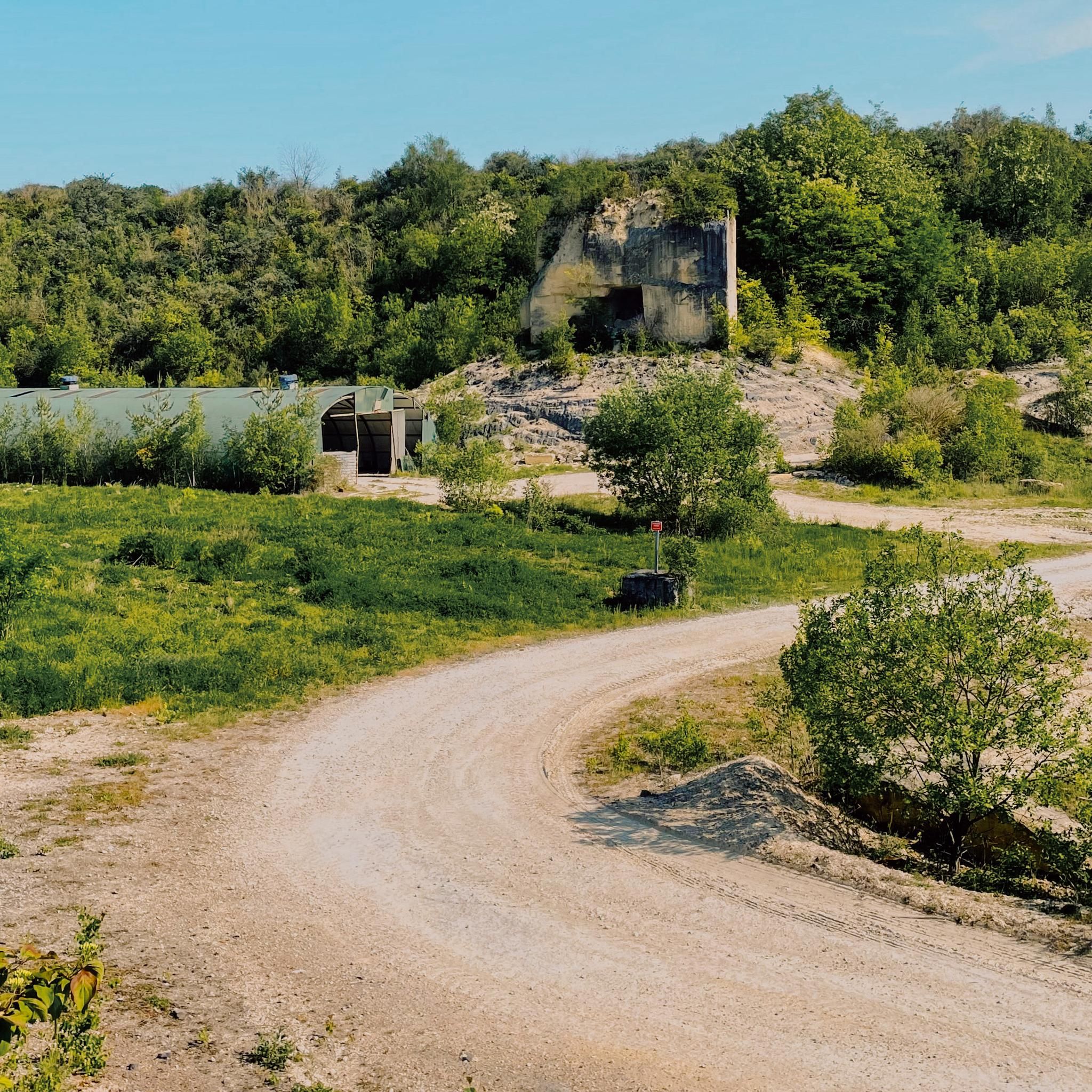
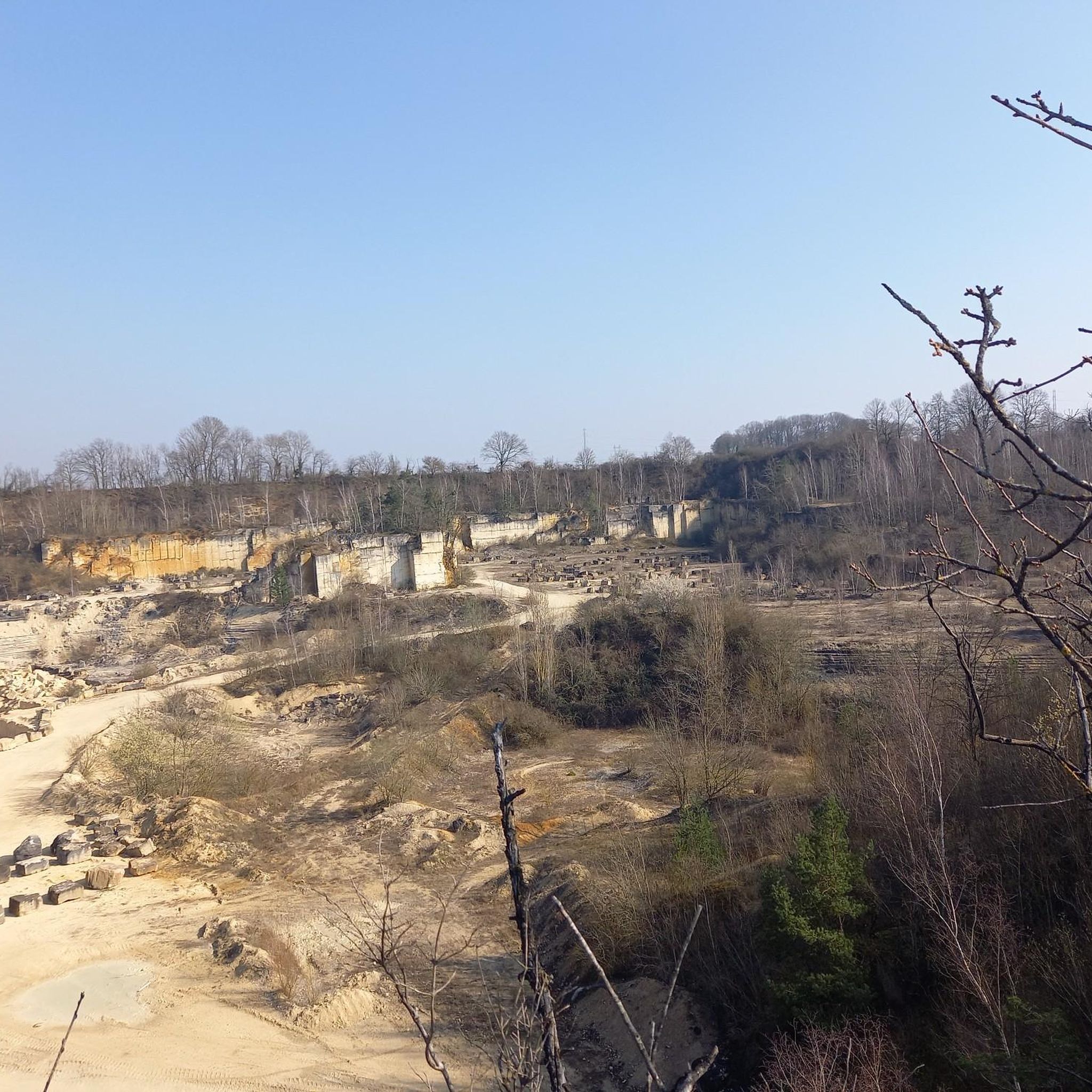
- Saint-Vaast-Lès-Mello is known for natural sites like Les Glachoirs Quarries, historical landmarks such as Église Saint-Vaast, and cultural heritage including traditional lavoirs. The area offers a mix of outdoor activities, architectural sites, and traditional features.
- The attractions around Saint-Vaast-Lès-Mello are appreciated by the komoot community, with 47 photos and 274 upvotes from visitors.
Last updated: July 2, 2026
Grandes écuries du château de Chantilly
Highlight • Castle
fr.wikipedia.org/wiki/Grandes_%C3%A9curies_du_ch%C3%A2teau_de_Chantilly
chateaudechantilly.fr/grandes-ecuries
Translated by Google •
Tip by

Chantilly Castle
Highlight • Castle
Translated by Google •
Tip by

Sign up now to discover places like this
Get recommendations on the best single tracks, peaks, & plenty of other exciting outdoor places.
Sign up for free
Chantilly English–Chinese Park
Highlight • Natural
Translated by Google •
Tip by

Chantilly Castle
Highlight • Castle
Translated by Google •
Tip by
The Apremont Table
Highlight • Historical Site
Translated by Google •
Tip by
Sign up for free to discover even more attractions around Saint-Vaast-Lès-Mello.
Sign up for free
Already have an account?
Start today with a free account
Your next adventure awaits.
Login or Signup


Tips from the Community


The Great Stables of the Château de Chantilly, built in the 18th century by Louis-Henri de Bourbon, Prince of Condé, are among the most majestic in the world. A masterpiece of classical architecture by Jean Aubert, they have housed the Living Museum of the Horse, dedicated to equestrian art, since 1982. This site has been owned by the Institut de France since 1886.
0
1

From Senlis, a lovely bike ride into the surrounding area (approx. 8 km) on asphalt, forest and field paths will quickly take you directly to the castle. Bicycles and dogs are not allowed on the castle grounds. However, you can cycle along the road and admire the castle. The town is also inviting and there are opportunities to cycle past the race track and through the park.
1
0
Hassle part of the journey approaching Chantilly are galloping tracks. Full of sand and impossible to roll
0
0

Renowned for its stables, the Château de Chantilly is also in itself an important monument to the history of France. Adjoining the town, it offers a superb setting for walking.
1
0

The Table d'Apremont crossroads is a crossroads surrounded by forests and pastures, where there is a large stone table dating from the 15th century. This table was used by hunters to dismount without assistance. You can also enjoy views of Chantilly Castle and its gardens, as well as the nearby polo fields and golf courses.
3
0
The Anglo-Chinese park of Chantilly is a garden designed in 1773 by the architect Jean-François Leroy for Prince Louis-Joseph de Bourbon-Condé. It is home to the Hameau, a group of five thatched cottages which inspired Marie-Antoinette for her own Hameau at Versailles. You can run along the winding paths, admire the Chinese pagoda and the artificial lake, and taste delicious treats made from the famous Chantilly cream in the restaurant. The Anglo-Chinese park is a charming and romantic place to discover the art of living in the 18th century.
2
0
The Château de Chantilly is a magnificent castle surrounded by a vast park which offers numerous trails for running. You can explore the beautiful gardens and large stables within the grounds of the gardens. You can also enjoy a delicious dessert made from whipped cream, chantilly, which was invented here. Chantilly Castle is a fantastic and creamy destination for a running trip.
2
0
Frequently Asked Questions
What natural sites can I explore in Saint-Vaast-Lès-Mello?
Saint-Vaast-Lès-Mello offers several unique natural sites. The Les Glachoirs Quarries are known for their geological formations, diverse flora including rare lichens and orchids, and are a popular spot for hiking and climbing. Another significant area is the Marais de Chantraine, a classified sensitive natural area with a 2.8 km educational walking trail to discover local wildlife and plant life. The village is also situated in the Thérain Valley, where the river offers opportunities for canoeing and kayaking.
Are there opportunities for hiking or walking in the area?
Yes, the area around Saint-Vaast-Lès-Mello is excellent for hiking and walking. The Les Glachoirs Quarries offer trails through unique landscapes. The Marais de Chantraine features an interpretive walking trail. For more structured outdoor activities, you can find numerous routes nearby. For example, there are several running trails like the "Château de Mello loop from Cires-lès-Mello" or the "Plan d'Eau de Messie loop from Cires-lès-Mello". You can explore these and more on the Running Trails around Saint-Vaast-Lès-Mello guide.
What historical sites are there in Saint-Vaast-Lès-Mello itself?
Within Saint-Vaast-Lès-Mello, you can visit the Église Saint-Vaast, which features a Romanesque nave and a Gothic chancel from the 12th/14th centuries. The village also preserves two traditional lavoirs (washhouses), offering a glimpse into local heritage. Additionally, the Hameau de Barisseuse, a hamlet within the commune, boasts an old farmhouse with remarkable 18th-century architecture and the small, early 13th-century Chapel of Notre-Dame and Saint-Nicolas.
What outdoor sports can I do near these attractions?
Beyond hiking, the region offers various outdoor sports. The Thérain River is suitable for canoeing and kayaking. For cycling enthusiasts, there are numerous routes available. You can find mountain biking trails such as the "Maysel Quarry – Noah's Valley loop from Cires-lès-Mello" on the MTB Trails around Saint-Vaast-Lès-Mello guide, and road cycling routes like the "Chantilly Castle – Senlis Cathedral loop from Cires-lès-Mello" on the Road Cycling Routes around Saint-Vaast-Lès-Mello guide. The Les Glachoirs Quarries are also a popular spot for climbers.
Are there family-friendly attractions around Saint-Vaast-Lès-Mello?
Yes, there are several family-friendly options. The Marais de Chantraine offers an educational walking trail suitable for families to explore nature. A short drive away, Chantilly Castle and its extensive gardens, including the Chantilly English–Chinese Park with its Hameau, are great for all ages. For a theme park experience, Parc Saint-Paul is also within a reasonable driving distance.
What are some significant historical attractions just outside the village?
Within a short drive, you can visit several major historical sites. The magnificent Château de Chantilly, with its art collections and gardens, is about 10 km away. The Grandes écuries du château de Chantilly, housing the Living Museum of the Horse, are also part of the Chantilly estate. Further afield, Royaumont Abbey (13 km) is a significant Cistercian site, and the town of Senlis (16 km) features a ruined castle and a cathedral.
Where can I see local wildlife and unique flora?
The Marais de Chantraine is a prime location for observing local wildlife and plant life, with interpretive panels along its walking trail. The Les Glachoirs Quarries are also notable for their diverse flora, including rare lichens and orchid varieties, and support various fauna. The Thérain Valley itself provides habitats for different species.
What do visitors particularly enjoy about the attractions near Saint-Vaast-Lès-Mello?
Visitors frequently praise the grandeur and beauty of sites like Chantilly Castle, calling it a 'jewel of French heritage' with magnificent art collections and well-maintained gardens. The Grandes écuries du château de Chantilly are described as 'breathtaking'. The historical significance and unique geometry of The Apremont Table are also highly appreciated.
Are there any hidden gems or lesser-known spots worth visiting?
Beyond the main attractions, consider exploring the historical context of the region's abandoned quarries, some dating back to Gallo-Roman times and used to supply stone for Parisian buildings. The Hameau de Barisseuse with its 18th-century farmhouse and the small Chapel of Notre-Dame and Saint-Nicolas offers a quiet historical insight. The traditional lavoirs in the village also provide a glimpse into local life from the past.
What is the best time of year to visit Saint-Vaast-Lès-Mello for outdoor activities?
The best time to visit Saint-Vaast-Lès-Mello for outdoor activities is generally from spring to early autumn (April to October). During these months, the weather is typically mild and pleasant, ideal for hiking, cycling, exploring natural sites like Les Glachoirs Quarries and Marais de Chantraine, and enjoying activities on the Thérain River. Summer offers the warmest temperatures, while spring and autumn provide beautiful scenery with fewer crowds.
How can I learn more about the natural sites like Les Glachoirs Quarries?
You can find more detailed information about the Les Glachoirs Quarries, including their ecological significance and activities like climbing, on the local tourism website. For instance, you can visit creilsudoise-tourisme.fr. The Marais de Chantraine also has interpretive panels along its walking trail, providing educational insights into its flora and fauna.
Most popular routes around Saint-Vaast-Lès-Mello
Most popular attractions around Saint-Vaast-Lès-Mello

Get inspired with the komoot mobile app


Explore more
Still not found the Highlight you’re looking for? See guides of the top attractions in other regions:
