Top 7 Castles around Champeaux
Best castles around Champeaux offer a glimpse into centuries of French history and architectural evolution. The region features a variety of historical residences, from medieval fortresses to Renaissance châteaux and 18th-century estates. These sites are often surrounded by parks and grounds, providing historical exploration opportunities. Visitors can explore 7 castles around Champeaux, each with unique historical narratives.
Best castles around Champeaux
- The most popular castles is Château du Vivier, a 14th-century castle that belonged to Charles de Valois. Its remains are set within a 7-hectare park, featuring hundred-year-old trees.
- Another must-see spot is Blandy‑les‑Tours Castle, a fortified castle that became a residence during the Renaissance. Visitors can observe its 13th-century military architecture and the size of its towers.
- Visitors also love Château de Vaux-le-Vicomte, a 17th-century castle that inspired the Palace of Versailles. It features architectural work by André Le Nôtre, Louis Le Vau, and Charles Le Brun.
- Champeaux is known for medieval fortresses, Renaissance châteaux, and 18th-century estates. The area offers a variety of castles to see and explore, each with distinct historical periods and architectural styles.
- The castles around Champeaux are appreciated by the komoot community, with 223 upvotes and 87 photos shared by visitors.
Last updated: May 19, 2026
Château de Vaux-le-Vicomte
Highlight • Castle
Translated by Google •
Tip by

Château du Vivier
Highlight • Castle
Translated by Google •
Tip by
Sign up now to discover places like this
Get recommendations on the best single tracks, peaks, & plenty of other exciting outdoor places.
Sign up for free
Blandy‑les‑Tours Castle
Highlight • Castle
Translated by Google •
Tip by
Fief des Époisses
Highlight • Historical Site
Translated by Google •
Tip by

Aulnoy Castle
Highlight • Castle
Translated by Google •
Tip by

Sign up for free to discover even more castles around Champeaux.
Sign up for free
Already have an account?
Start today with a free account
Your next adventure awaits.
Login or Signup
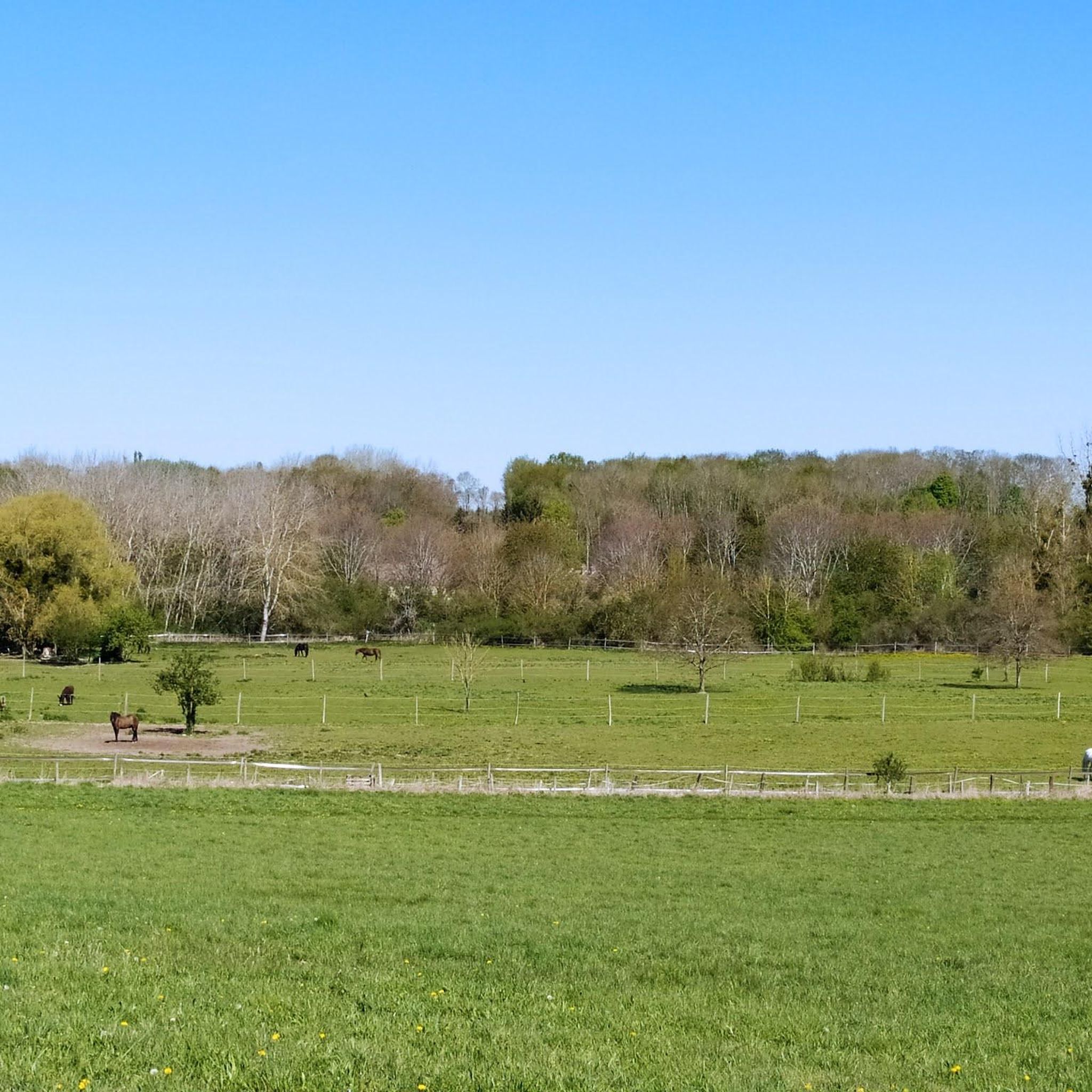
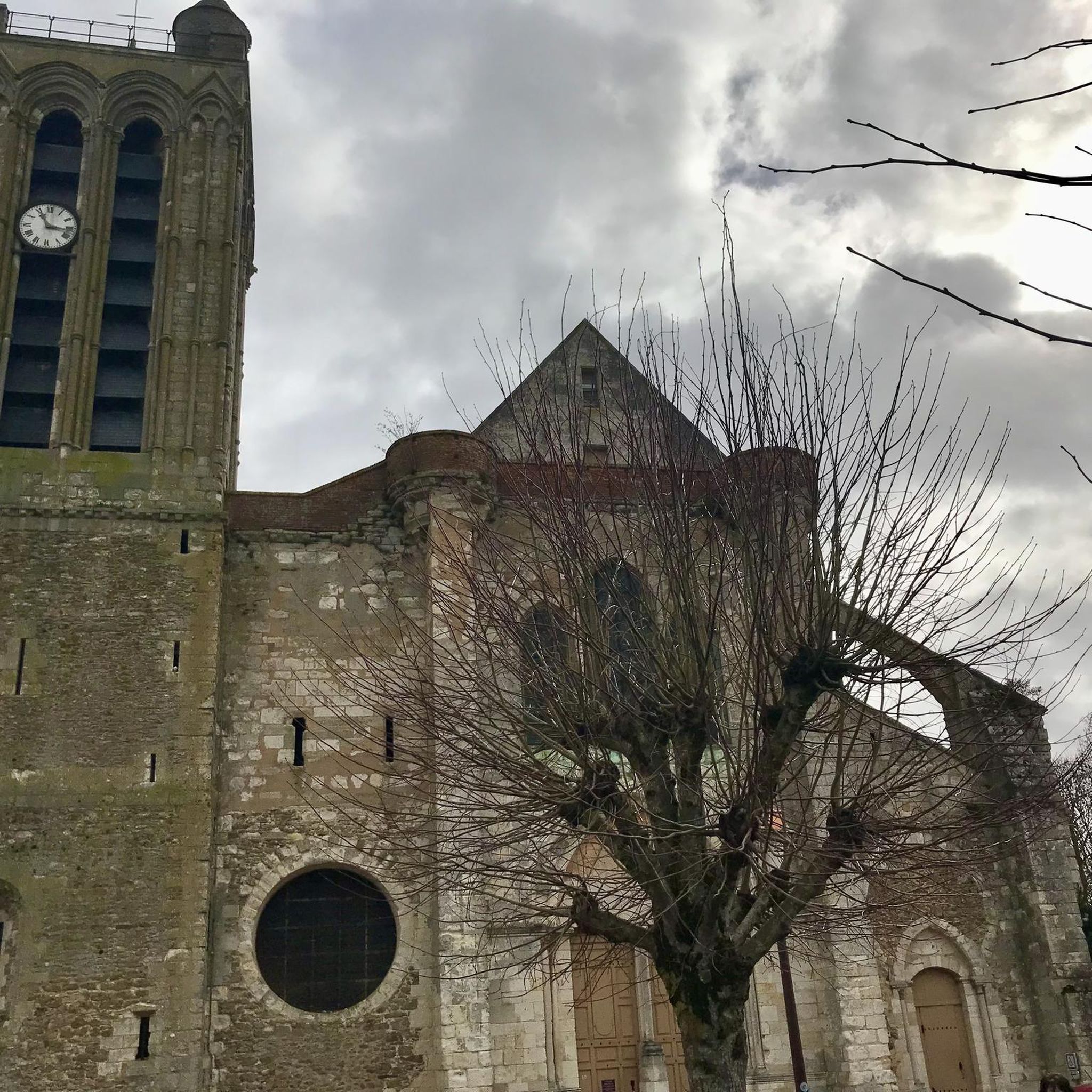
Tips from the Community

Vaux-le-Vicomte Castle is beautiful 😉. Absolutely recommended 👍.
0
0

a beautiful perspective - worth stopping by or visiting!
0
0
For the perspective of the aisles.
0
0

to see, quiet little town
0
0

This former ruined 13th century castle was extensively renovated in the 20th century. Today it is a reception venue.
0
0

Magnificent castle which inspired Versailles but which led its owner, the superintendent Fouquet, to the dungeon on the orders of Louis XIV.
0
0
The fortified farm of Époisses is a 13th century fortified house located in the French commune of Bombon, in the department of Seine-et-Marne in the Île-de-France region. The fortified farm has been classified as a Historic Monument since December 23, 1981.
0
0
The Château de Blandy-les-Tours is a fortified castle located in the commune of Blandy-les-Tours in the department of Seine-et-Marne, 70 km from Paris, and not far from the Château de Vaux-le-Vicomte. This building was built between the 13th and the second half of the 14th century. From a simple fortified manor to a fortified castle of the Hundred Years' War, from a residential castle to the Ferme des Tours, the Château de Blandy-les-Tours has had a long history and has been the property of prestigious families. Acquired in 1992 by the Seine-et-Marne departmental council, it was the subject of restoration campaigns and archaeological excavations until its reopening in 2007. This castle now engages in a permanent dialogue between heritage and artistic creation. https://fr.wikipedia.org/wiki/Ch%C3%A2teau_de_Blandy-les-Tours
0
0
Frequently Asked Questions
Which castles around Champeaux are particularly family-friendly?
Several castles in the region are great for families. Château du Vivier, Blandy‑les‑Tours Castle, and Château de Vaux-le-Vicomte are all categorized as family-friendly. Château d'Aunoy, with its extensive English-style gardens, also offers a pleasant experience for all ages.
What historical periods do the castles around Champeaux represent?
The castles around Champeaux span several significant historical periods. You can find medieval fortresses like Blandy‑les‑Tours Castle (13th century) and Château du Vivier (14th century). The Renaissance period is evident in the remodeling of castles like Château de L'Espinay, while the 17th century is magnificently represented by Château de Vaux-le-Vicomte. Château d'Aunoy showcases innovative 18th-century architecture and landscape design.
Are there any castles known for their gardens or parks?
Yes, several castles boast impressive grounds. Château du Vivier is set within a 7-hectare park with hundred-year-old trees. Château de Vaux-le-Vicomte is famous for its formal gardens designed by André Le Nôtre. Château d'Aunoy features one of the first English-style gardens in France, introduced between 1760 and 1770, and is part of the remarkable gardens listed as a historical monument.
Which castles offer a glimpse into military architecture?
Blandy‑les‑Tours Castle is an excellent example of 13th-century military architecture, having been a fortified castle during the Hundred Years War. Its large towers are a testament to its defensive past. The Château de L'Espinay in Brittany also began as a powerful medieval fortress, defending the Duchy of Brittany.
What outdoor activities can I do near these castles?
The area around Champeaux offers various outdoor activities. You can explore gravel biking routes, cycling tours, and mountain biking trails. Many routes pass by or near these historic sites, allowing you to combine outdoor adventure with cultural exploration.
Are there any castles with unique architectural features?
Château d'Aunoy stands out for its innovative 18th-century construction, featuring brick-vaulting instead of wooden ceilings and frameworks to prevent fire risks. Château de Vaux-le-Vicomte is a masterpiece of 17th-century design, created by a collaboration of André Le Nôtre, Louis Le Vau, and Charles Le Brun, which later inspired the Palace of Versailles.
What is the best season to visit the castles around Champeaux?
While castles can be visited year-round, spring and summer are ideal for enjoying the extensive gardens and parks, such as those at Château d'Aunoy and Château de Vaux-le-Vicomte. Autumn offers beautiful foliage. In winter, sites like Château du Vivier can offer a magical landscape with snow, providing a different, less crowded experience.
Which castle is known for inspiring the Palace of Versailles?
Château de Vaux-le-Vicomte is renowned for inspiring the Palace of Versailles. Its architectural and landscape design, a collaborative work by André Le Nôtre, Louis Le Vau, and Charles Le Brun, set a new standard for French Baroque architecture.
Can I find medieval fortified houses in the Champeaux area?
Yes, the Fief des Époisses is a notable example. This 13th-century fortified farm, located in Bombon, is classified as a Historic Monument and offers insight into medieval defensive residences.
What do visitors particularly appreciate about the castles in this region?
Visitors frequently appreciate the rich history and architectural beauty of the castles. The majestic and romantic landscapes, especially at sites like Château du Vivier, are often highlighted. The well-preserved military architecture of places like Blandy‑les‑Tours Castle and the grandeur of Château de Vaux-le-Vicomte are also highly rated.
Is there a castle in Champeaux, Brittany, worth visiting?
Yes, the Château de L'Espinay, located in Champeaux, Ille-et-Vilaine (Brittany), is a significant site. It was a powerful medieval fortress that was later remodeled during the Renaissance. It features impressive heraldic decorations, is surrounded by moats, and includes a beautifully maintained park, offering a deep dive into Brittany's history.
Which castle has connections to famous historical figures or events?
Château du Vivier belonged to Charles de Valois. Château d'Aunoy has a unique history, having housed famous prisoners like Ben Bella and Ait Ahmed during the Algerian War. Château de Vaux-le-Vicomte was built for Nicolas Fouquet, Louis XIV's superintendent of finances, and its opulence led to his downfall.
Most popular routes around Champeaux
Most popular attractions around Champeaux

Get inspired with the komoot mobile app


Explore more
Looking for the best castles somewhere else? Discover other guides around Champeaux:
