Top 5 Castles around Courquetaine
Best castles around Courquetaine are found in a region known for its historical edifices and natural landscapes in Seine-et-Marne, Île-de-France. The village of Courquetaine itself features the Château de Courquetaine, a protected heritage site reflecting 17th and 19th-century architecture. This château is notable for its courtyard of honor, entrance pavilions, and surrounding moats and bridges, offering a glimpse into historical French design. The area provides opportunities to explore significant historical sites and their immediate surroundings.
Best castles around Courquetaine
- The…
Last updated: July 1, 2026
Château du Vivier
Highlight • Castle
Translated by Google •
Tip by

Château de Monceau
Highlight • Castle
Translated by Google •
Tip by

Sign up now to discover places like this
Get recommendations on the best single tracks, peaks, & plenty of other exciting outdoor places.
Sign up for free
Monceau Castle and his bucks
Highlight • Castle
Translated by Google •
Tip by

Rest area at the foot of Brie-Comte-Robert Castle
Highlight • Castle
Translated by Google •
Tip by
Start today with a free account
Your next adventure awaits.
Login or Signup
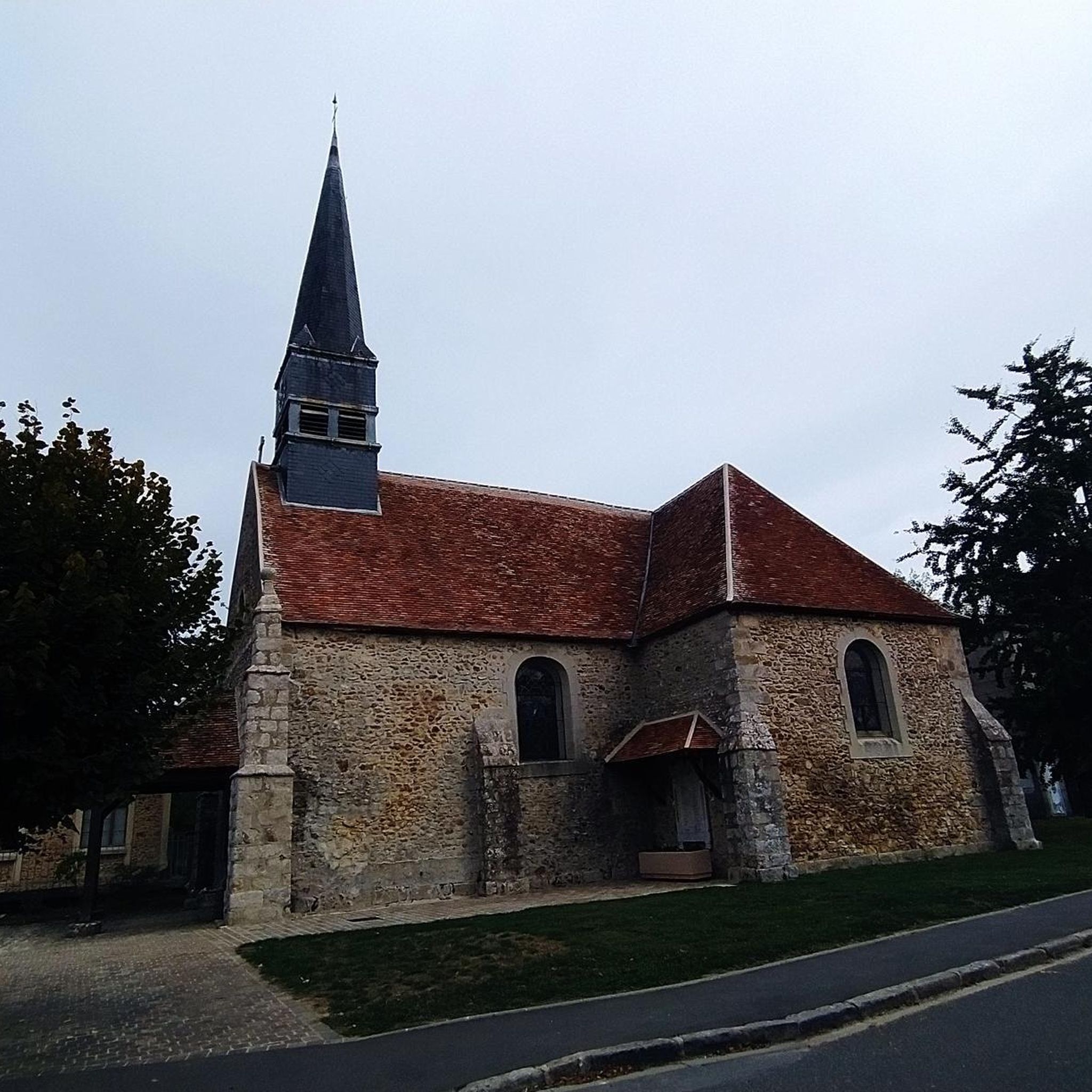
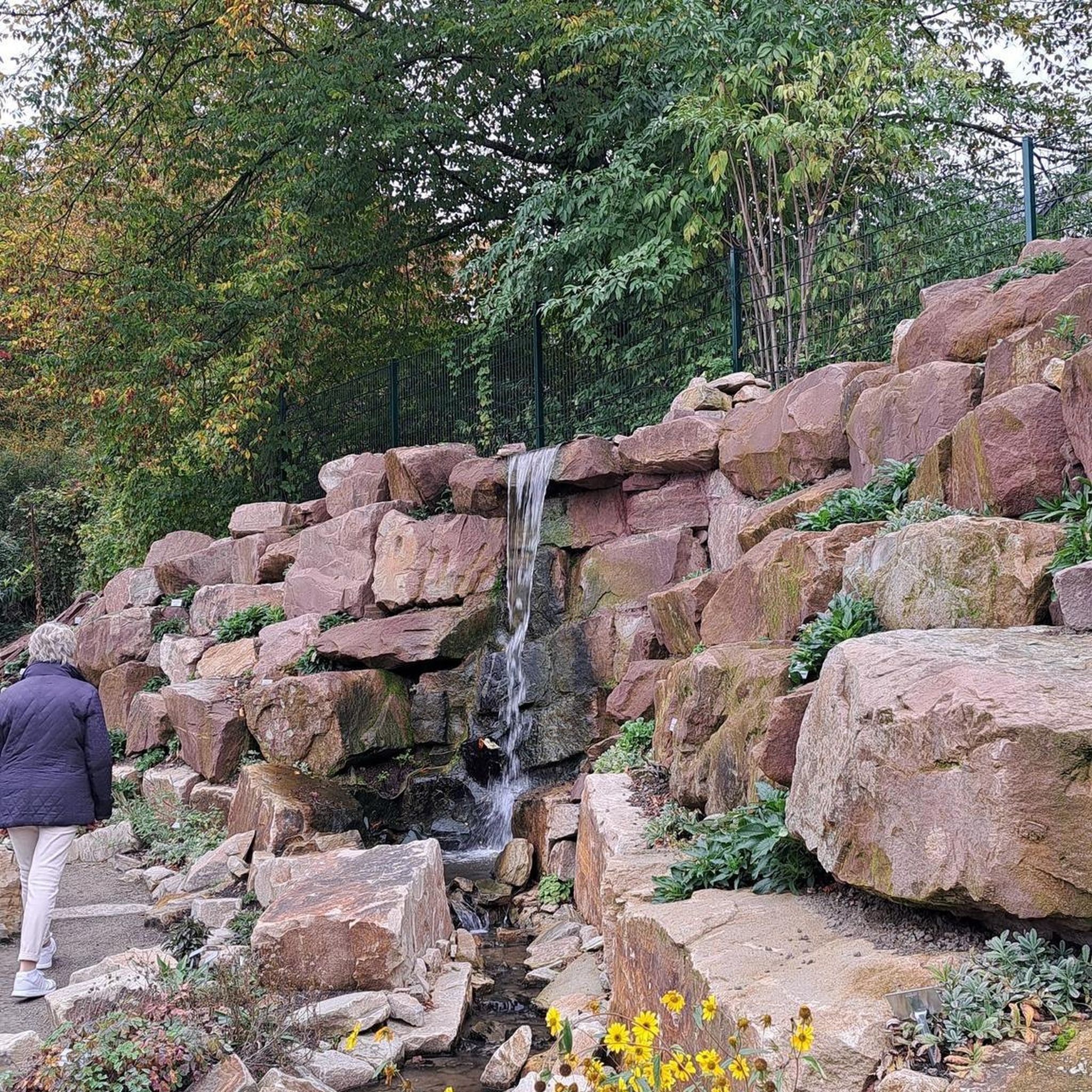
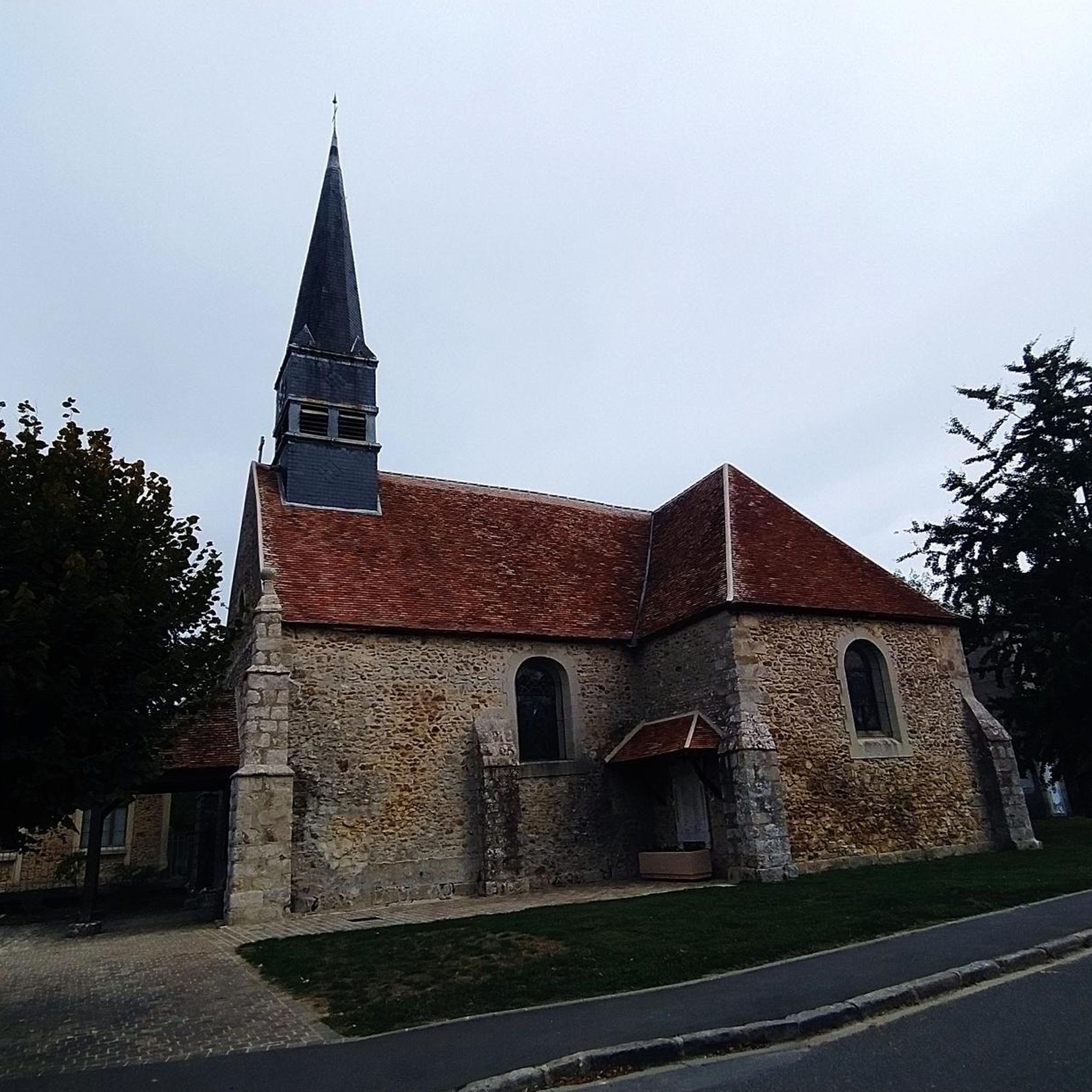



Tips from the Community

This former ruined 13th century castle was extensively renovated in the 20th century. Today it is a reception venue.
0
1

In the heart of this medieval town of Brie Comte Robert you will find its castle full of history. It is even possible from time to time to see some volunteers sculpting the stone that will contribute to its restoration.
0
0

A castle in the city. You can walk around it and even visit the interior. Of course, it's not Versailles but the few information panels, very well done, take us back to times of yore. To do if you are driving in the area. For more information: amisduvieuxchateau.org
0
0

According to the archives of the castle library, the first seigniory of Le Monceau dates back to 1191. From this period, there are still ponds, bridges and vaulted cellars on the estate. Today, exceptional trees adorn the estate. In addition, the 150 ha of woods and 20 ha of pond are conducive to welcoming wildlife, and it is not uncommon to come across a deer, fallow deer or wild boar.
1
0
Ideal for taking the lunch break.
0
0

The Château du Vivier is 45 km from Paris. In the middle of its 7-hectare park, the remains of this castle and the hundred-year-old trees offer a majestic and romantic landscape. In winter, the snow gives a new touch of magic to this site.
2
0

Very pretty site which shelters a damaged but maintained castle!
0
0

14th century castle that belonged to Charles de Valois
1
0
Frequently Asked Questions
What is the historical significance of castles around Courquetaine?
The castles in the Courquetaine area boast a rich history, with some, like the Château de Monceau, tracing their origins back to the 12th century. The village of Courquetaine itself is home to the Château de Courquetaine, a protected Historic Monument reflecting both 17th and 19th-century architecture, notable for its courtyard of honor, moats, and bridges. These sites offer a glimpse into different eras of French design and aristocratic life.
Are there family-friendly castles to visit near Courquetaine?
Yes, several castles in the region are suitable for families. The Château du Vivier, with its 7-hectare park, provides a romantic landscape for exploration. The Château de Monceau features expansive woods and ponds, where wildlife like deer and wild boar can be spotted. Additionally, the Rest area at the foot of Brie-Comte-Robert Castle is described as ideal for a lunch break and offers the chance to walk around and even visit the interior of a medieval castle.
What natural features can I expect to see around these castles?
The castles around Courquetaine are often set amidst beautiful natural landscapes. For instance, the Château du Vivier is surrounded by a 7-hectare park with hundred-year-old trees. The Château de Monceau boasts 150 hectares of woods and 20 hectares of ponds, creating a habitat for various wildlife. You can also find viewpoints and forests near these historical sites.
Are there opportunities for outdoor activities like hiking or cycling near the castles?
Absolutely. The region around Courquetaine offers numerous routes for hiking and cycling. For hiking, you can explore trails like the 'Le lavoir des lavandieres – Beautiful property loop from Courquetaine' (16.9 km, moderate) or shorter, easy loops like 'Presles-en-Brie Church loop' (3.4 km). Cyclists can enjoy routes such as the 'Château de Monceau – The Chaumes en Brie viaduct loop' (47.9 km, moderate) or easier options like the 'Saint-Loup church in Sens loop' (24.0 km). For more details, refer to the Hiking around Courquetaine and Cycling around Courquetaine guides.
Can I find gravel biking routes near the castles?
Yes, there are gravel biking opportunities in the vicinity. Routes like the 'Château des Marmousets – Allée des Séquoias loop' (46.9 km, moderate) and 'Old railway – Former Mandres Train Station loop' (41.1 km, moderate) offer scenic rides. You can find more information and route details in the Gravel biking around Courquetaine guide.
What makes the Château de Courquetaine a notable site?
The Château de Courquetaine is a significant local landmark, recognized as a Historic Monument since 1989. Its importance stems from its blend of 17th and 19th-century architecture, featuring an elegant courtyard of honor, prominent entrance pavilions, and surrounding moats and bridges. While primarily a private residence, its exterior architecture and historical context are a main draw for visitors interested in heritage.
Are there any castles where I might see wildlife?
Yes, the Château de Monceau is particularly known for its wildlife. Its extensive 150 hectares of woods and 20 hectares of ponds are conducive to welcoming various animals, and it's not uncommon to encounter deer, fallow deer, or wild boar within the estate. The nearby Monceau Castle and his bucks specifically highlights the game in semi-freedom within its park.
What do visitors enjoy most about the castles in this area?
Visitors appreciate the historical depth and natural beauty surrounding the castles. Many enjoy the majestic and romantic landscapes, especially at sites like the Château du Vivier. The opportunity to see wildlife at Château de Monceau is also a highlight. The medieval charm and the chance to explore the interior of castles, even smaller ones like Brie-Comte-Robert, are also frequently mentioned.
Are there places to picnic near the castles?
Yes, if you're looking for a spot to enjoy a meal outdoors, there is a small park suitable for a picnic right next to Monceau Castle and his bucks. Additionally, the Rest area at the foot of Brie-Comte-Robert Castle is described as ideal for taking a lunch break.
What is the best season to visit the castles around Courquetaine?
While the castles are beautiful year-round, the Château du Vivier is noted for its magical appearance in winter when covered in snow, offering a unique perspective. Generally, spring and autumn provide pleasant weather for exploring the parks and surrounding natural areas, with vibrant foliage or blooming flowers. Summer is also popular, but can be warmer.
Are there any castles that are particularly good for photography?
The Château du Vivier, with its 14th-century remains and hundred-year-old trees in a 7-hectare park, offers a majestic and romantic landscape, making it an excellent spot for photography. The Château de Courquetaine itself, with its distinct 17th and 19th-century architecture, courtyard of honor, and moats, provides picturesque historical backdrops.
Most popular routes around Courquetaine
Most popular attractions around Courquetaine

Get inspired with the komoot mobile app


Explore more
Looking for the best castles somewhere else? Discover other guides around Courquetaine:
