Attractions and Places To See around Bleigny-Le-Carreau - Top 20
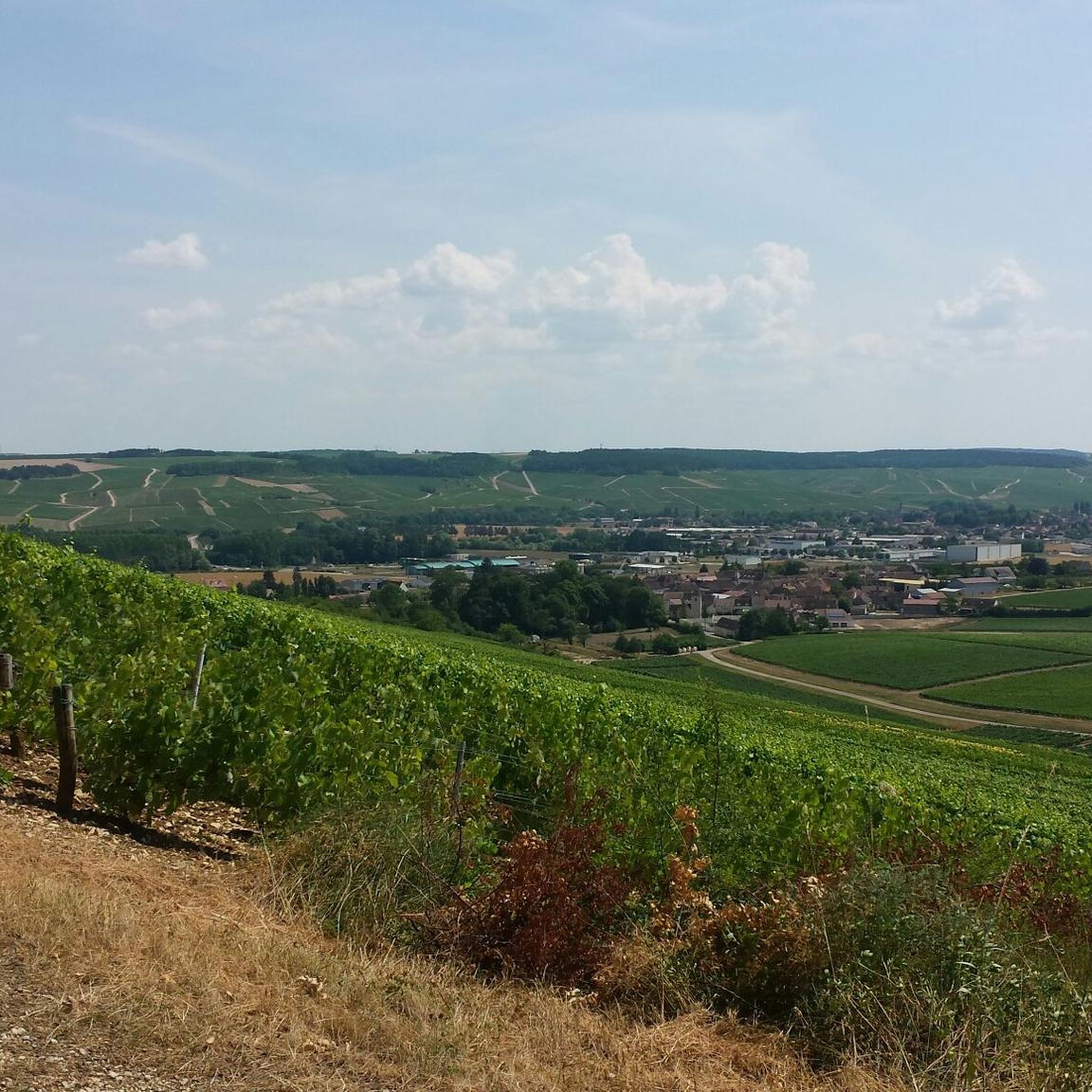
Attractions and places to see around Bleigny-Le-Carreau include a blend of historical landmarks, natural features, and cultural sites. The village is situated between the Chablisien region and the historic Route de Saint-Jacques, offering a unique setting. Visitors can explore scenic vineyards, remnants of ancient forests, and significant historical structures. The area is also known for its viticulture tradition and past pottery production, utilizing local ochre.
Best attractions and places to see around Bleigny-Le-Carreau
- The most popular attractions is Place Surugue…
Last updated: June 23, 2026
Place Surugue and Cadet Roussel Fountain
Highlight • Monument
There is a fountain in the square that is reminiscent of the famous French folk …
Translated by Google •
Tip by

Saint-Étienne Cathedral of Auxerre
Highlight • Religious Site
You can visit the cathedral for free, which you should definitely do. The sight of these incredibly …
Translated by Google •
Tip by
Sign up now to discover places like this
Get recommendations on the best single tracks, peaks, & plenty of other exciting outdoor places.
Sign up for free
Abbaye Saint-Germain
Highlight • Other
Translated by Google •
Tip by

Saint Nicholas Square
Highlight • Other
Translated by Google •
Tip by
Saint-Martin Collegiate Church
Highlight • Religious Site
Translated by Google •
Tip by

Sign up for free to discover even more attractions around Bleigny-Le-Carreau.
Sign up for free
Already have an account?
Start today with a free account
Your next adventure awaits.
Login or Signup

Tips from the Community

Beautiful church in Chablis currently being renovated
1
0

I walked past without seeing it 😂😂
0
0

The site is open from 10 a.m. and can be visited free of charge. There are deckchairs in the cloister for a shady and quiet break. The museums are worth a visit. You learn a lot about the history of the city, which dates back to at least the 5th century. You can see from the church that it has been rebuilt several times. The archaeological crypt, which is located under the forecourt of today's church, is very impressive. You should plan enough time for a visit. It took me almost two hours to get an initial overview. "The former abbey of Saint-Germain d'Auxerre is located north of the city center of Auxerre. Bishop Germanus of Auxerre founded it and provided his family's land outside the former city walls as well as land to ensure its existence. The first building of the monastery was a simple chapel. At the beginning of the 6th century, the Merovingian Queen Chrodechild, the wife of King Clovis I, had the chapel expanded into a basilica. Fires in the 11th and 12th centuries required extensive renovation work on the nave in the second half of the 12th century; Of the Romanesque double tower facade that was built, only the southern tower has been preserved. The monastery was partially destroyed by Huguenots in 1567, secularized in 1810 and partially demolished the following year. The nave was reduced to its Gothic parts, which were given a neo-Gothic façade in 1817: As a result of this measure, the remaining south tower now has no connection to the basilica. Today the Musée-Abbaye Saint-Germain is located on the site of the abbey. Musée d'Art et d'Histoire d'Auxerre." More about the history here: https://de.wikipedia.org/wiki/Saint-Germain_d%E2%80%99Auxerre
0
0
The Saint-Martin collegiate church from the 12th and 13th centuries is very well preserved. The church is definitely worth a visit. A special feature is the south portal, whose door wings are decorated with various horseshoes. Built in 1160, rebuilt from 1220. Apart from the tower, all the walls date from the Middle Ages. The paintings from the 13th century and the horseshoes on the side gate identify the building as a stage on the St. James pilgrimage to Santiago de Compostela. The various restorations have not changed the building, with the exception of the tower, which was added in 1852. https://www.moulindelacoudre.fr/de/2017/02/11/die-stiftskirche-saint-martin/
3
0
The site is open from 10 a.m. and can be visited free of charge. Deckchairs are available in the cloister for a shady and quiet break. The museums are worth a visit. You learn a lot about the history of the city, which dates back to at least the 5th century. The church shows that it has been rebuilt several times. The archaeological crypt located under the forecourt of today's church is very impressive. You should plan enough time for a visit. It took me almost two hours to get a first overview. "The former Abbey of Saint-Germain d'Auxerre is located north of the city center of Auxerre. Bishop Germanus of Auxerre founded it and provided his family with land outside the then city walls and lands to ensure its existence. The first building of the monastery was a simple chapel. At the beginning of the 6th century, the Merovingian Queen Chrodechild, the wife of King Clovis I, had the chapel converted into a basilica. Fires in the 11th and 12th centuries necessitated extensive renovations to the nave in the second half of the 12th century; Only the southern tower of the Romanesque double-tower facade that was erected at the time has survived. The monastery was partially destroyed by Huguenots in 1567, secularized in 1810 and partially demolished the following year. The nave was reduced to its Gothic parts, which were given a neo-Gothic facade in 1817: the preserved south tower is now not connected to the basilica as a result of this measure. The Musée-Abbaye Saint-Germain is now on the site of the abbey. Musée d'Art et d'Histoire d'Auxerre." More about the story here: https://de.wikipedia.org/wiki/Saint-Germain_d%E2%80%99Auxerre
1
0
The cathedral is open for tours during the day and this is not to be missed! It is a major work of French Gothic architecture and impresses with its high, light-flooded vaults and colorful windows. "The cathedral is located in the center of the old town on a hill above the Yonne. Saint-Étienne was begun in 1215. Today's Gothic cathedral is the fifth building on this site. In 1567 the Huguenots sacked the city and the cathedral, which necessitated repairs, particularly to the choir glazing. The French Revolution caused countless damage to the building and its furnishings. The goldsmith's work was melted down, the church was transformed into a temple of reason, and the important statue of the suffering Stephen on the high altar only escaped destruction because it was turned into a suffering Marat in the bath. In 1840 Prosper Mérimée placed the cathedral under monument protection. Extensive restoration work took place throughout the 19th century." Much more about the history here: https://de.wikipedia.org/wiki/Kathedrale_von_Auxerre
2
0
The Saint-Martin collegiate church from the 12th and 13th centuries is very well preserved. The church is definitely worth a visit. A special feature is the south portal, whose door wings are decorated with various horseshoes. Like many church buildings from the early Middle Ages, the Saint-Martin collegiate church (built in 1160, rebuilt from 1220) was inspired by the cathedral of Sens. Apart from the tower, all the walls date from the Middle Ages. The paintings from the 13th century and the horseshoes on the side gate identify the building as a stage on the St. James pilgrimage to Santiago de Compostela. The various restorations have not changed the building, except for the tower, added in 1852, whose top is 50 meters high. https://www.moulindelacoudre.fr/de/2017/02/11/die-stiftskirche-saint-martin/
1
0
Rue du Temple also begins here heading south. The Templars had a headquarters on this street. There are a lot of small shops there and of course many beautiful houses. What you can't see at first glance is the entrance to a relatively large supermarket. The Monoprix food department is hidden behind the clothing department, which can be seen from the square.
2
0
Frequently Asked Questions
What historical landmarks can I explore in Bleigny-Le-Carreau?
Bleigny-Le-Carreau is rich in history. You can visit the mysterious Dolmen de Bleigny-le-Carreau, a recognized historical monument near an old Roman road. Another significant site is the Lavoir du Buisson, a covered washhouse built in 1898 next to the 'Carreau' spring. The Église Saint-Pierre, largely rebuilt in Neo-Gothic style, also houses a stone bas-relief and 18th-century paintings.
What natural features are prominent around Bleigny-Le-Carreau?
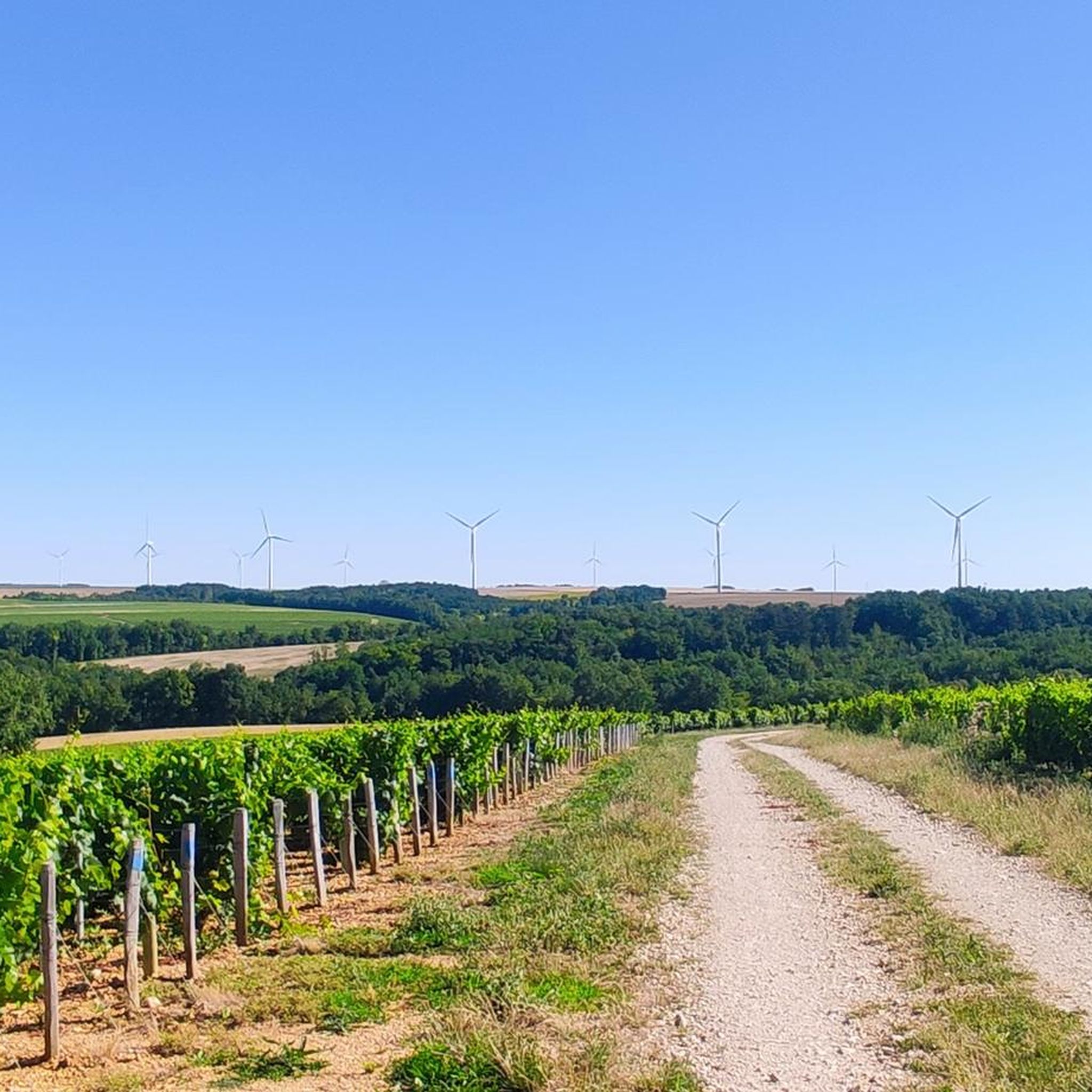
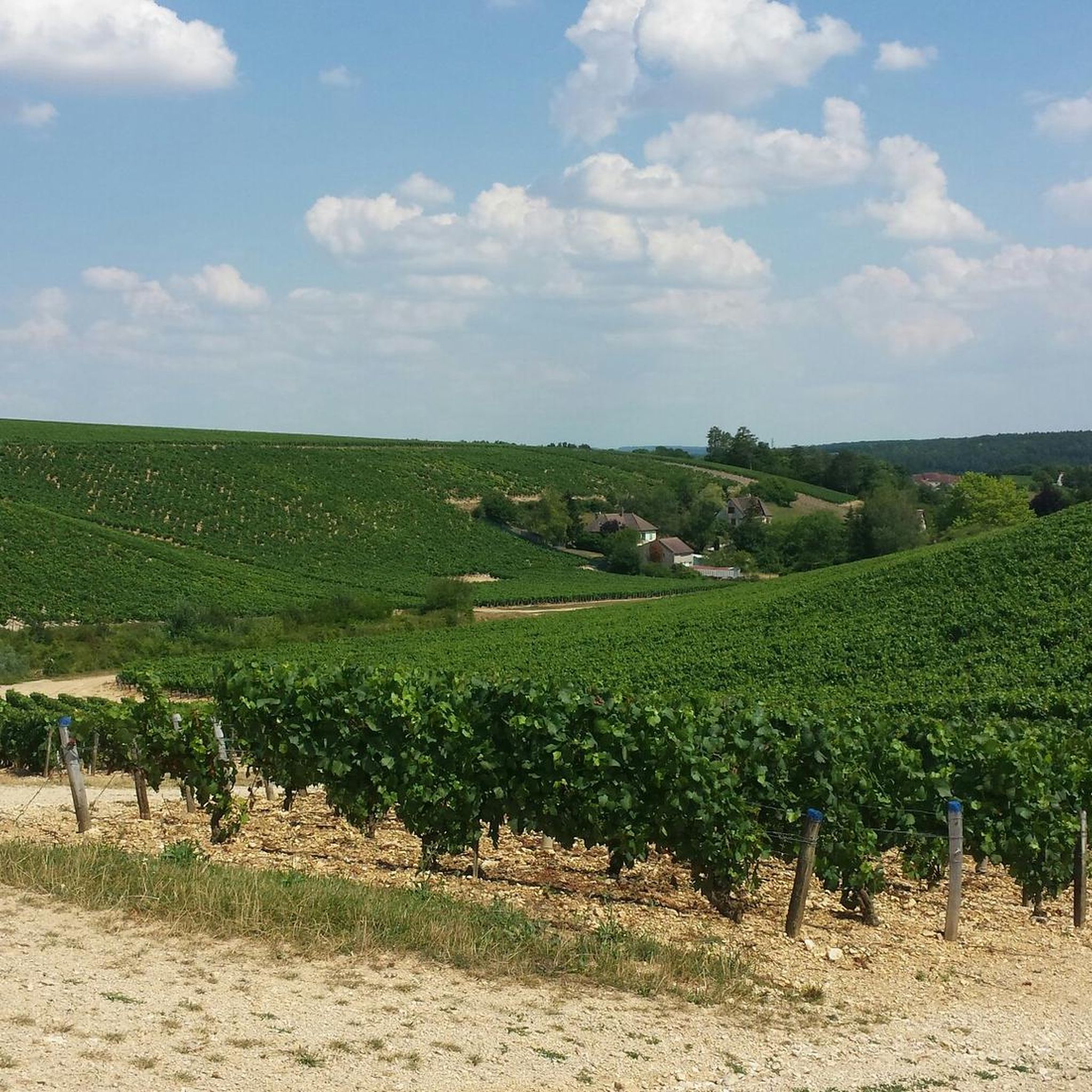
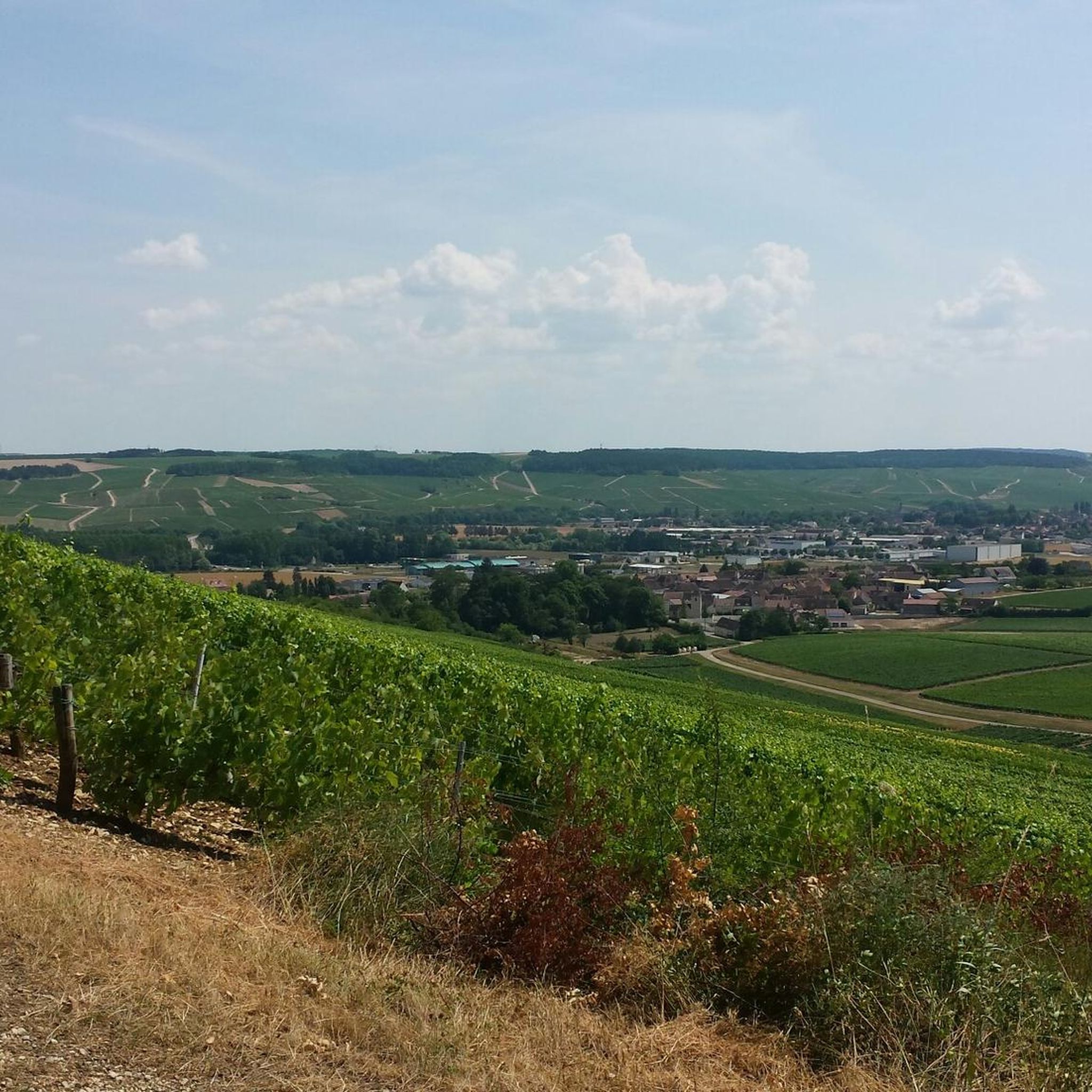
The area around Bleigny-Le-Carreau is characterized by scenic vineyards, similar to Chablis, thriving on natural slopes and clay-limestone soil. You'll also find remnants of ancient forests, particularly around the Thureau Forest, and the village itself is perched on a strategic hilltop offering elevated views. The historic Source du Carreau is another notable natural feature.
Are there any cultural sites or traditions unique to Bleigny-Le-Carreau?
Yes, Bleigny-Le-Carreau has a strong viticulture tradition, specializing in Chardonnay grapes. Historically, it was also a potters' village known for its tile and pottery production, utilizing local ochre. The village is also situated along the GR654, part of the historic 'Route de Saint-Jacques' (Camino de Santiago), making it a point of interest for pilgrims.
What outdoor activities can I do near Bleigny-Le-Carreau?
The region offers various outdoor activities. You can explore scenic trails winding through vineyards and forests. For more structured activities, consider hiking around Bleigny-Le-Carreau, with routes like the Coulée Verte Trail. There are also options for gravel biking and road cycling, with numerous routes available.
What are some popular attractions in the nearby city of Auxerre?
Just a short distance from Bleigny-Le-Carreau, Auxerre offers several notable attractions. The impressive Saint-Étienne Cathedral of Auxerre dominates the cityscape. You can also visit the Abbaye Saint-Germain, which includes a museum. For picturesque views, the Paul Bert Bridge offers stunning panoramas of Auxerre's old town.
Are there any family-friendly attractions in the area?
Yes, several attractions are suitable for families. The Saint-Étienne Cathedral of Auxerre is considered family-friendly, offering an impressive architectural experience. The Paul Bert Bridge provides a nice spot for a stroll with views. Exploring the historic village of Bleigny-Le-Carreau itself, with its dolmen and washhouse, can also be an engaging activity for all ages.
What do visitors enjoy most about the attractions around Bleigny-Le-Carreau?
Visitors particularly enjoy the blend of historical charm and natural beauty. The Place Surugue and Cadet Roussel Fountain in Auxerre is very popular for its beautiful half-timbered houses, cafes, and restaurants. Many appreciate the breathtaking views from the Paul Bert Bridge and the impressive architecture of the Saint-Étienne Cathedral.
Are there any wheelchair-accessible attractions?
The Place Surugue and Cadet Roussel Fountain in Auxerre is noted as wheelchair accessible, offering a pleasant square with cafes and historic buildings to enjoy.
What is the best time of year to visit Bleigny-Le-Carreau?
The best time to visit Bleigny-Le-Carreau, especially for hiking and vineyard exploration, is typically during the spring and autumn months. The weather is pleasant for outdoor activities, and the vineyards offer beautiful scenery, either with fresh growth or autumn colors. Summer also provides warm weather for exploring, though it can be busier.
Can I find dog-friendly trails or walks in the area?
While specific dog-friendly trails are not detailed, the general area around Bleigny-Le-Carreau, with its extensive vineyards and forest paths, offers many opportunities for walks with dogs. It's always advisable to keep dogs on a leash, especially near vineyards or in populated areas, and to respect local regulations.
How long should I plan for a visit to Bleigny-Le-Carreau and its surroundings?
To fully appreciate Bleigny-Le-Carreau's historical sites, natural beauty, and nearby Auxerre attractions, planning at least a full day, or even a weekend, is recommended. This allows time to explore the village, walk through vineyards, and visit key landmarks like the cathedral and abbey in Auxerre without rushing.
Are there any hidden gems or less-known spots to discover?
Beyond the main highlights, exploring the smaller paths through the vineyards and forests can reveal tranquil spots and picturesque views. The historical significance of the village as a former potters' center, utilizing local ochre, adds a unique layer to its cultural heritage that can be explored through local history resources.
Most popular routes around Bleigny-Le-Carreau

Get inspired with the komoot mobile app


Explore more
Still not found the Highlight you’re looking for? See guides of the top attractions in other regions:
