Attractions and Places To See around Baigneaux - Top 17
Best attractions and places to see around Baigneaux in Gironde, Nouvelle-Aquitaine, offer a blend of historical sites and natural features. The area is known for its converted railway lines, now popular cycle paths, and its proximity to significant cultural landmarks. This region provides opportunities to explore both the local landscape and historical architecture.
Best attractions and places to see around Baigneaux
- The most popular attractions is Espiet tunnel, a tunnel that is an essential site on the Roger Lapébie…
Last updated: June 23, 2026
Espiet tunnel
Highlight (Segment) • Other
Translated by Google •
Tip by

Roger Lapébie Cycle Path: Créon to Dardenac
Highlight (Segment) • Cycleway
Translated by Google •
Tip by

Sign up now to discover places like this
Get recommendations on the best single tracks, peaks, & plenty of other exciting outdoor places.
Sign up for free
La Sauve-Majeure Abbey
Highlight • Other
Translated by Google •
Tip by

Sauveterre-de-Guyenne - bastide
Highlight • Other
Translated by Google •
Tip by

Roger Lapébie track - Sauveterre to Cessac
Highlight (Segment) • Other
Translated by Google •
Tip by

Sign up for free to discover even more attractions around Baigneaux.
Sign up for free
Already have an account?
Start today with a free account
Your next adventure awaits.
Login or Signup
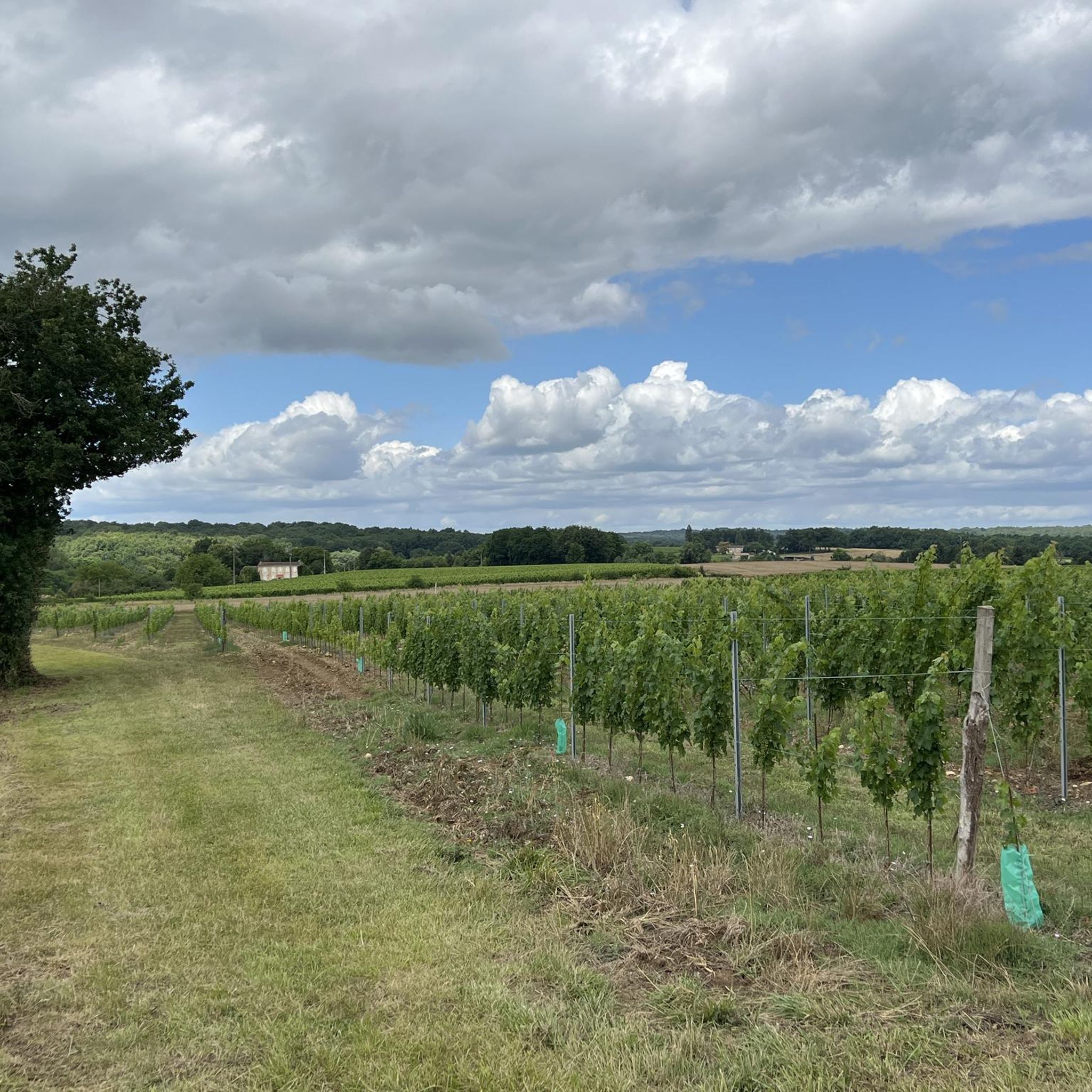

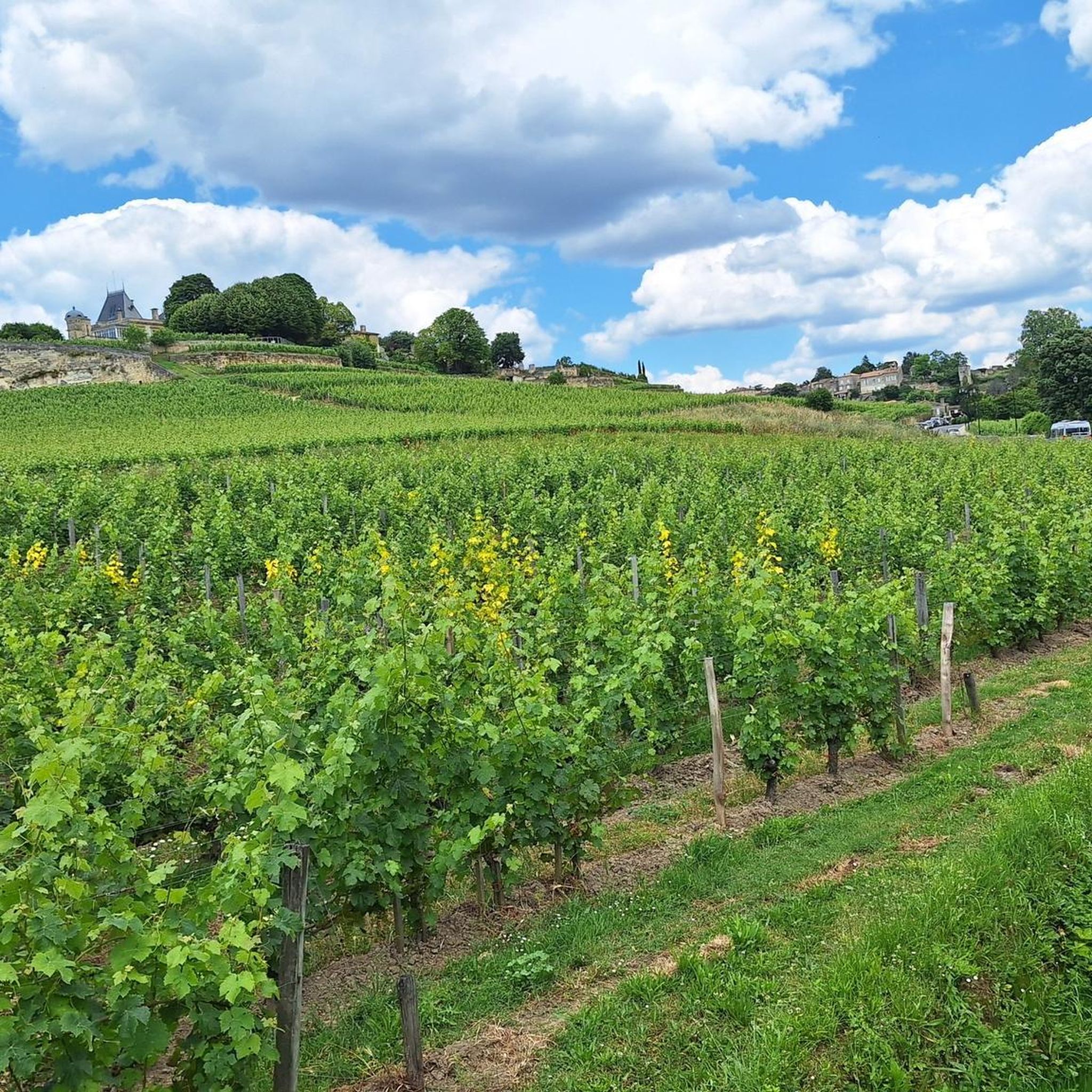
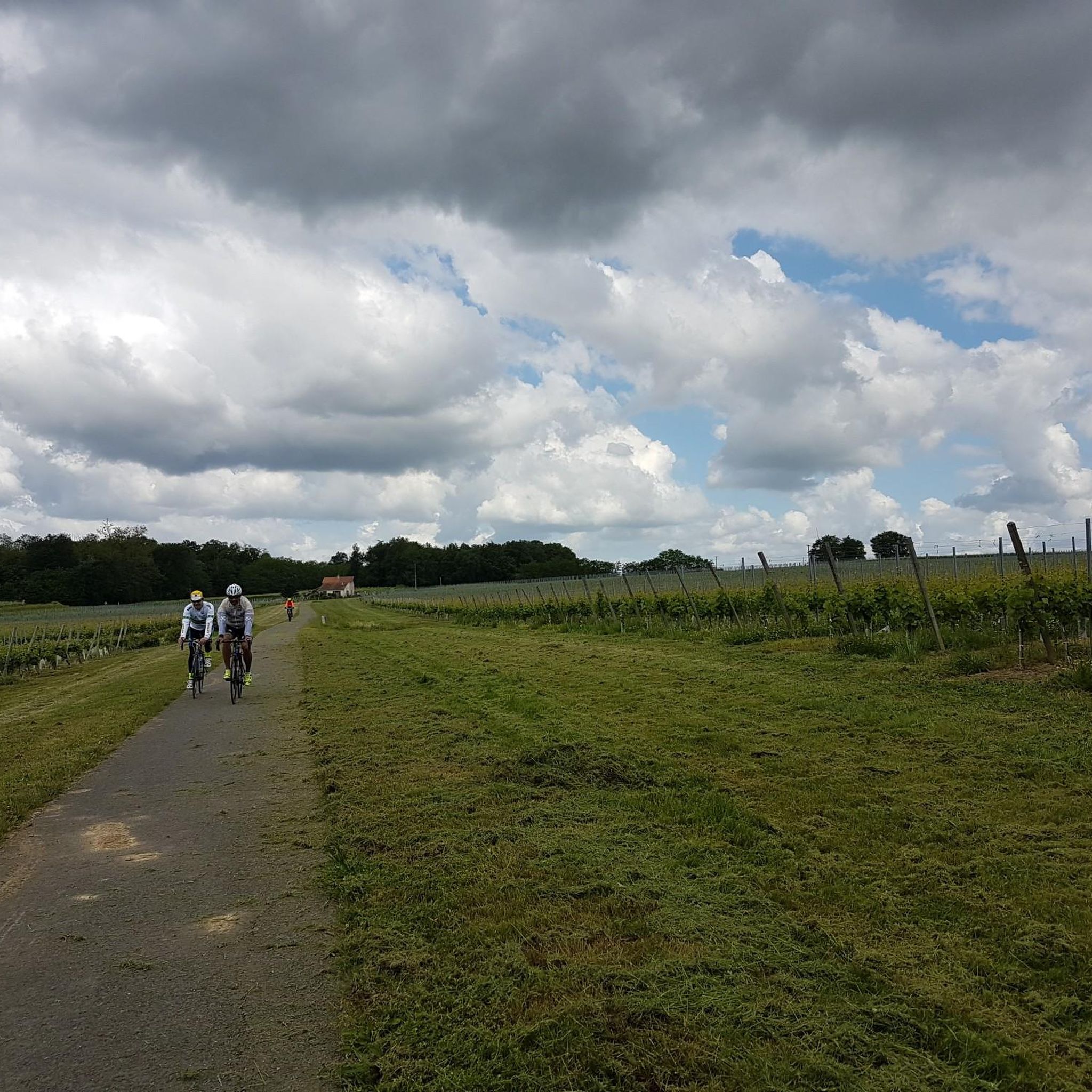

Tips from the Community

Lively small market town, with an arcaded market square
0
0

The Abbey of La Sauve-Majeure, founded in 1079, a masterpiece of Romanesque art, is today part of the Way of St. James and a UNESCO World Heritage site. This is stated on the france-voyage website, and continues: "This former Benedictine abbey, dear to pilgrims and classified as a Historic Monument, has managed to preserve beautiful remains in its ruined church, including the remarkable carved capitals in the choir. The wonderfully preserved details of the chiselled capitals feature biblical, fantastical, or plant-based motifs. Original sin, Daniel in the lions' den, the life of Samson, the temptation of Christ, the sacrifice of Abraham, the martyrdom of Saint John, or the fight between mythical creatures can be admired as sculptural elements in the Abbey of La Sauve-Majeure."
0
0

In 1079, the Benedictine abbot Gérard de Corbie and about ten monks and knights founded Notre-Dame de La Sauve-Majeure in the large forest (in Latin Silva Major) of the Entre-deux-Mers. The support of the dukes of Aquitaine and the pilgrimage to Santiago de Compostela favored a rapid boom. At its peak in the 12th and 13th centuries, the abbey had about a hundred monks. The Hundred Years' War precipitated its decline.
0
0

Sauveterre-de-Guyenne is a bastide. A bastide is a type of French medieval town, founded in the 13th and 14th centuries, primarily in southwestern France. A bastide is characterized by a rectangular street pattern that divides the town into eight blocks around a central market square. The Treaty of Paris (1229) prohibited the building of walls around new towns. Many bastides were provided with some form of fortification, such as gates, after their founding to provide some protection during turbulent times. Most bastides had only local significance and did not develop into large towns. As a result, many bastides, such as that of Sauveterre-de-Guyenne, have been preserved in their original state.
1
0

It's impressive when you suddenly enter a rather long railway tunnel, it's pleasantly fresh there and I think there are some lamps installed, I didn't like the cycle path although the quality of the cycle path itself is rather basic (French), the road crossings are quite dangerous and in some areas the path is quite narrow for 2 bikes next to each other
4
0

Pretty village in the center of Entre-Deux-Mers - Medieval bastide with ramparts all around, some pretty gates and a central square which is worth a stop...
2
0

Very well developed cycle path and easy to ride.
2
0

Frequently Asked Questions
What historical sites can I visit near Baigneaux?
The region around Baigneaux is rich in history. You can explore the medieval bastide of Sauveterre-de-Guyenne, known for its ramparts and central square. Another significant site is the Château de Rauzan, a 13th-14th century fortress with a Gothic dwelling and a high cylindrical keep. Further afield, consider visiting the impressive La Sauve Majeure Abbey or the UNESCO World Heritage site of Saint-Émilion with its unique Monolithic Church.
Are there good cycling opportunities around Baigneaux?
Yes, Baigneaux is well-known for its excellent cycling routes, particularly those built on converted railway lines. The Roger Lapébie Cycle Path offers a very pleasant greenway experience, with sections like Créon to Dardenac featuring old stations, some with water points or even a bar/restaurant. Another popular section is the Roger Lapébie track from Sauveterre to Cessac, which winds through the forest. You can find more road cycling routes in the area on the Road Cycling Routes around Baigneaux guide.
What natural features can I explore near Baigneaux?
Beyond the converted railway paths, the region offers several natural attractions. The Espiet tunnel on the Roger Lapébie trail provides a unique, cool passage, especially refreshing in summer. You can also find leisure bases like Base de Loisirs de Blasimon and lakes such as Le Lac aux Branches for outdoor enjoyment. For a more immersive experience, La Grotte Célestine in Rauzan offers an underground river exploration.
What do visitors enjoy most about the attractions near Baigneaux?
Visitors particularly appreciate the unique experience of cycling through the converted railway tunnels, like the Espiet tunnel, noting its impressive structure and the refreshing coolness it provides. The Roger Lapébie Cycle Path is also highly praised for its pleasant, well-developed track, the charm of old stations along the route, and the gentle climbs through vineyards.
Are there family-friendly activities or attractions in the Baigneaux area?
Many of the cycling paths, such as sections of the Roger Lapébie Cycle Path, are considered family-friendly due to their flat terrain and scenic routes. The old railway stations along these paths often provide amenities like water points or even restaurants, making them suitable for outings with children. Additionally, leisure bases like Base de Loisirs de Blasimon offer recreational activities for families.
Where can I go hiking near Baigneaux?
There are several hiking opportunities around Baigneaux, ranging from easy to moderate difficulty. You can find routes like the 'Dolmen de Curton loop from Rauzan' or 'Hiking loop from Cessac'. For a comprehensive list and details on various trails, refer to the Hiking around Baigneaux guide.
What are some notable castles or châteaux to visit?
The area boasts several impressive castles. The Château de Rauzan is a significant medieval fortress worth exploring. Other notable châteaux in the wider region include the Cadillac Ducal Castle, the 14th-century Gothic Château de la Brède (once Montesquieu's residence), and the impressive medieval fortified Château de Roquetaillade.
Are there any unique cultural experiences related to wine near Baigneaux?
Absolutely. The region is part of the renowned Bordeaux wine area. While Saint-Émilion (a UNESCO World Heritage site) is about 20 km away and famous for its vineyards and wine culture, you can also visit the Cité du Vin in Bordeaux, which offers an immersive experience into wine culture. The cycling paths also gently climb through vineyards, offering scenic views of the wine-producing landscape.
Can I rent bikes near the cycle paths?
Yes, specifically in Créon, which is along the Roger Lapébie Cycle Path, there is a bike rental service directly on the slopes. This is a convenient option if you don't have your own bike, with options for daily rentals.
What are the best day trips from Baigneaux?
For day trips, consider visiting the UNESCO World Heritage site of Saint-Émilion for its medieval charm and vineyards. The city of Bordeaux, about 32 km away, offers numerous historical monuments, including basilicas and a cathedral, as well as the modern Cité du Vin. For a natural wonder, the Dune du Pilat, though further, provides expansive views of the ocean and Arcachon basin.
Are there any markets in nearby towns?
Yes, several nearby towns host local markets. You can find markets in Sauveterre-de-Guyenne (approximately 9 km away), Branne (12 km), and Cadillac (13 km) on various days, offering a chance to experience local produce and crafts.
What kind of running trails are available around Baigneaux?
For runners, Baigneaux offers a variety of trails, including loops from locations like Porte-de-Benauge, Courpiac, and Cessac. These trails typically range from easy to moderate difficulty. More details and specific routes can be found in the Running Trails around Baigneaux guide.

Get inspired with the komoot mobile app


Explore more
Still not found the Highlight you’re looking for? See guides of the top attractions in other regions:
