Top 20 Natural Monuments around Haselburg
Natural monuments around Haselburg offer a diverse range of geological formations and scenic viewpoints in the Vosges region. Haselburg, located above Bolzano, Italy, provides access to the broader South Tyrol area, known for its natural attractions. The region features rugged peaks, unique rock formations, and significant geological sites. These natural features contribute to the area's appeal for outdoor activities and exploration.
Best natural monuments around Haselburg
- The most popular natural monuments is Haut-Barr Castle, a castle that is also…
Last updated: May 13, 2026
Haut-Barr Castle
Highlight • Castle
Translated by Google •
Tip by

Brotsch Cave
Highlight • Natural Monument
Also popular with climbers, which is evident not only from the steel eyelets, but also from the residue of magnesia ...
Translated by Google •
Tip by

Sign up now to discover places like this
Get recommendations on the best single tracks, peaks, & plenty of other exciting outdoor places.
Sign up for free
Schneeberg Summit
Highlight • Summit
Translated by Google •
Tip by

Rocher de Dabo and Chapel Saint-Léon IX
Highlight • Viewpoint
Translated by Google •
Tip by

Prince Charles' Leap Rock
Highlight • Natural Monument
On …
Translated by Google •
Tip by
Sign up for free to discover even more natural monuments around Haselburg.
Sign up for free
Already have an account?
Start today with a free account
Your next adventure awaits.
Login or Signup
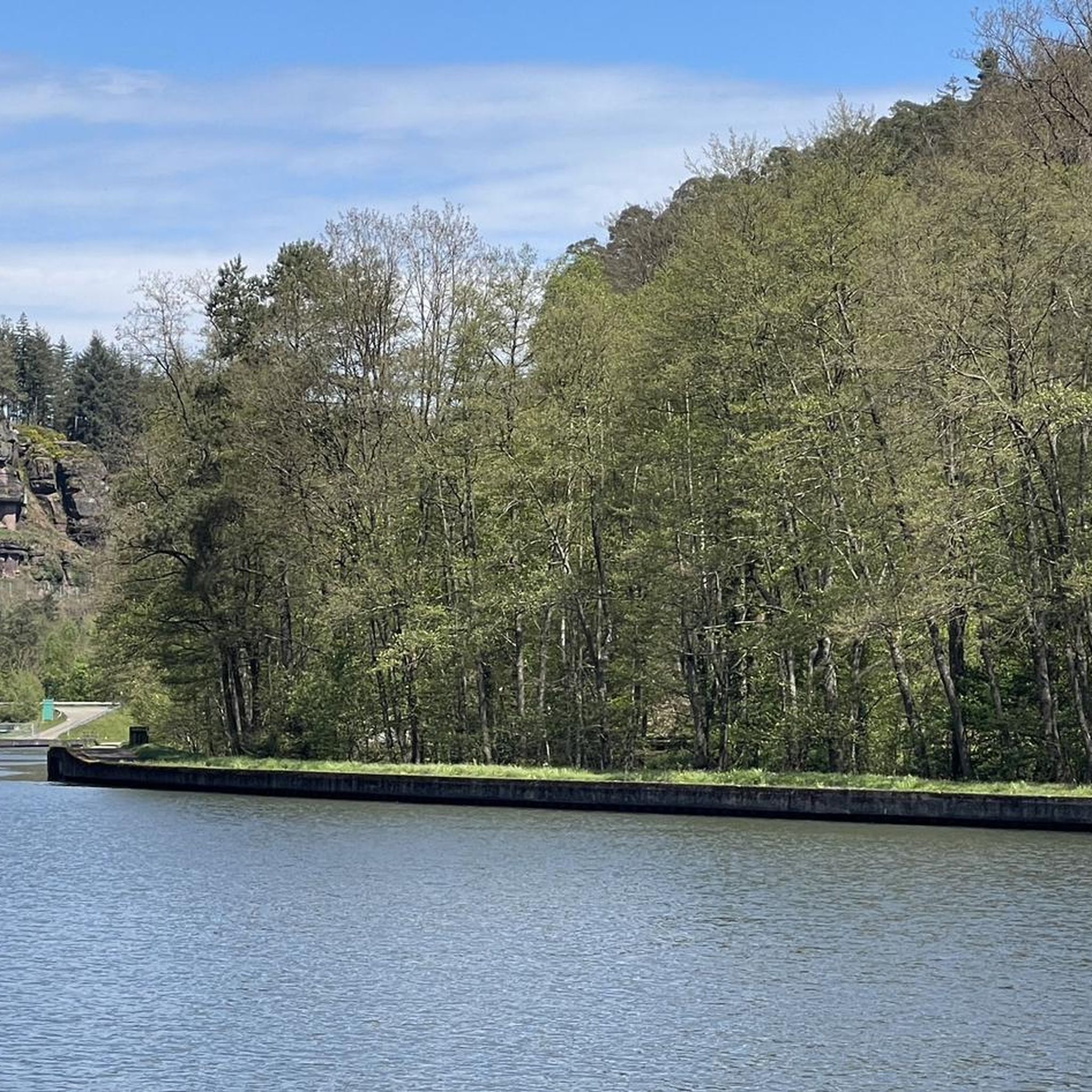
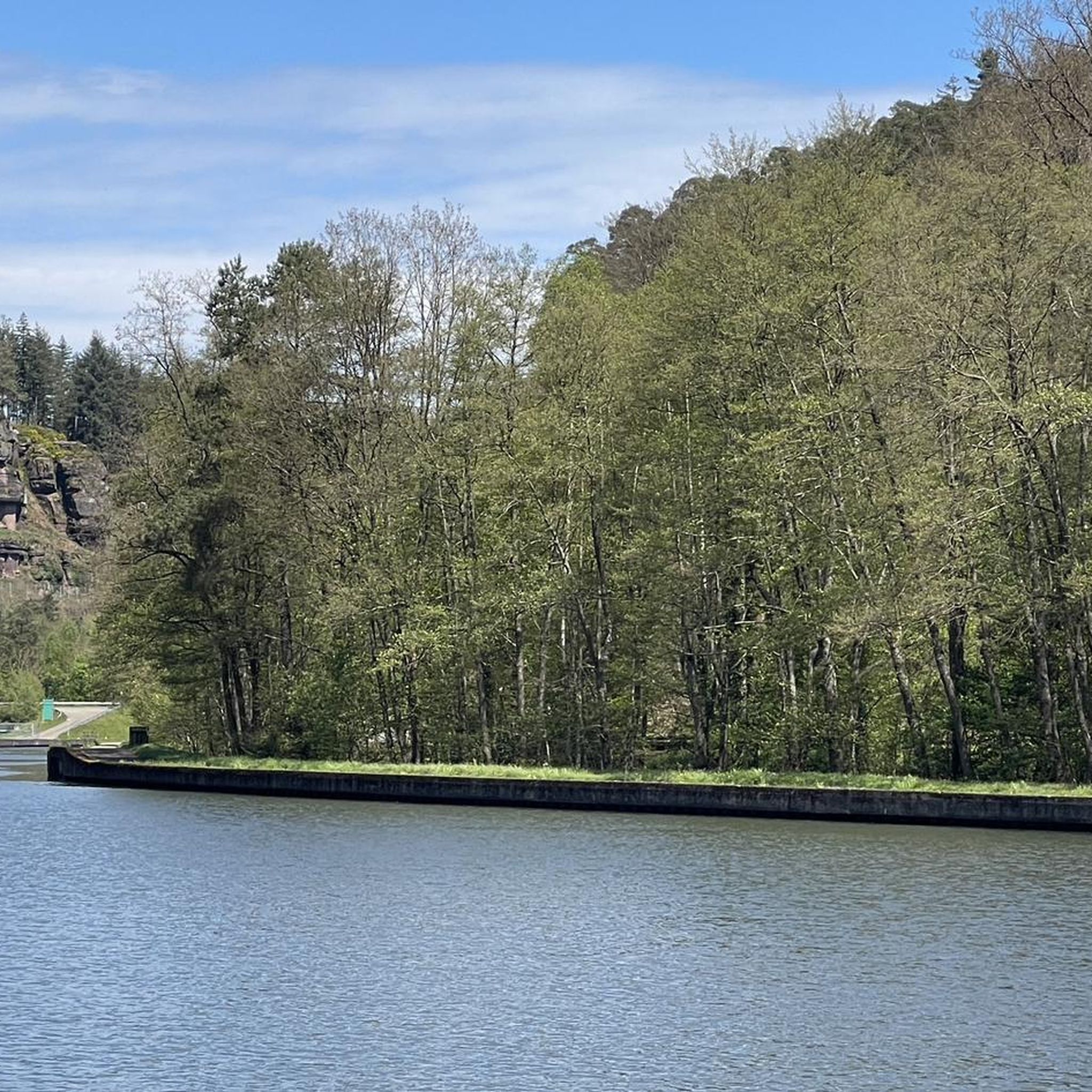
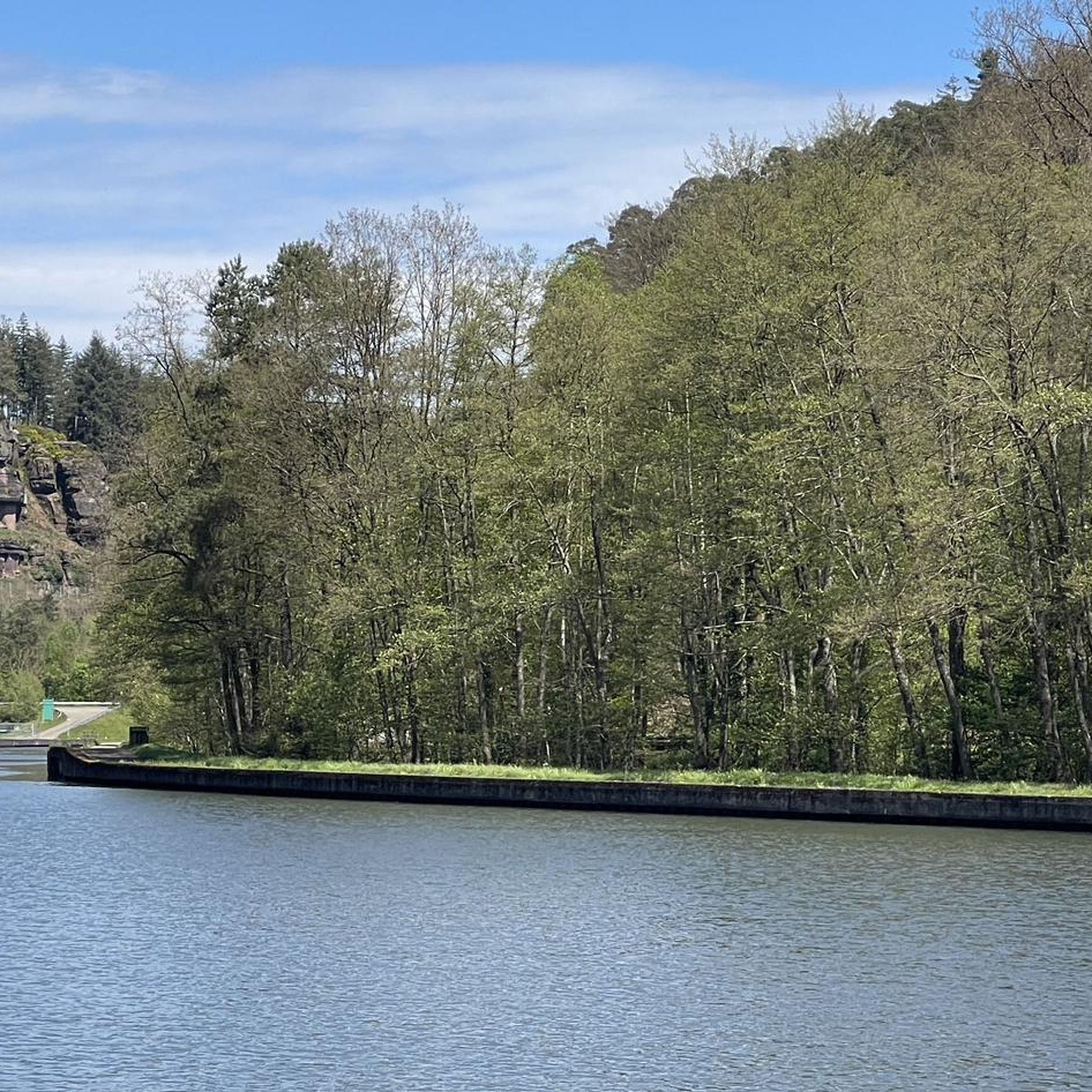
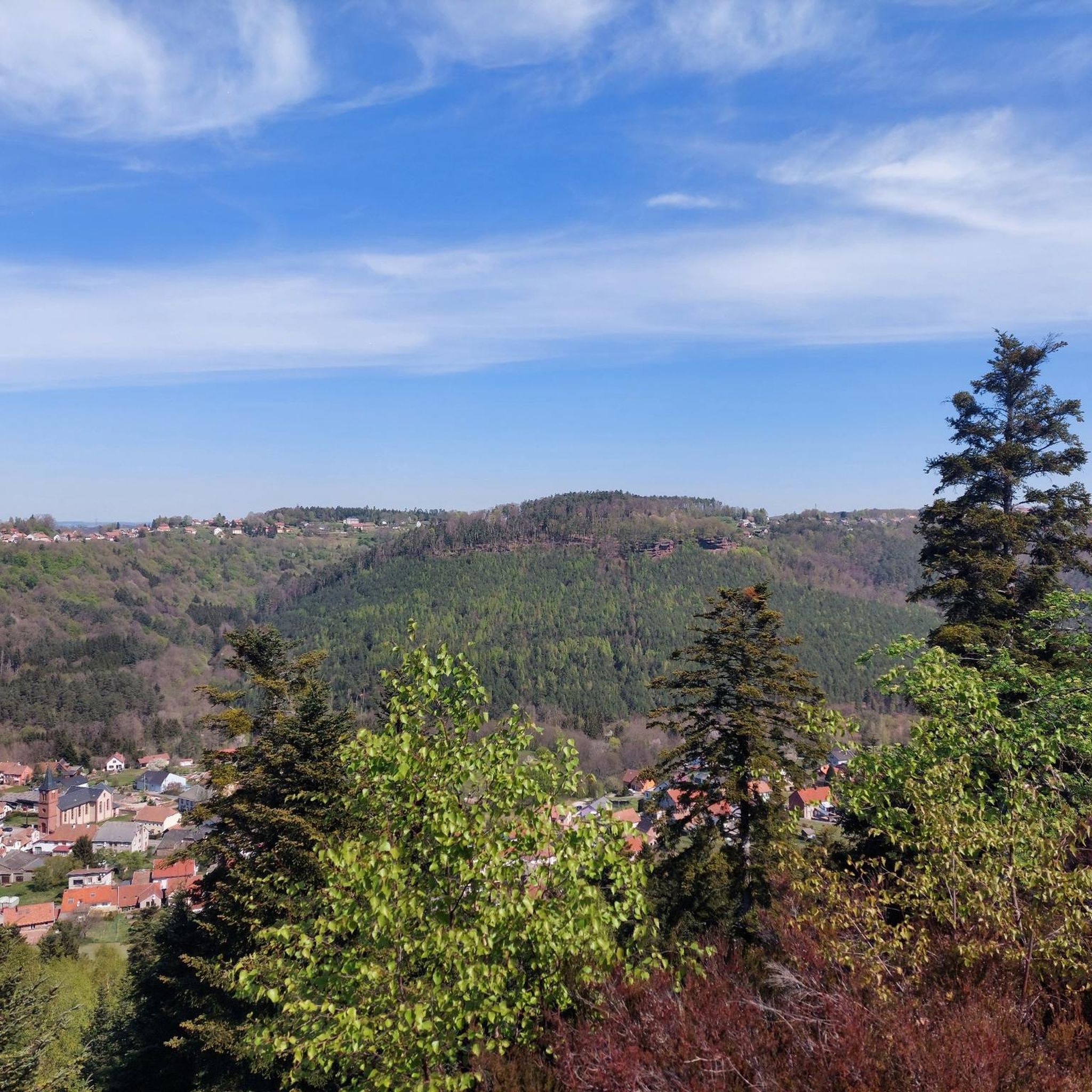

Tips from the Community

Fantastic view. Anyone attempting this should be free from vertigo. The descent is very steep and deep.
1
0

Elongated rock castle above the Zorn valley, southwest of Saverne. After a varied history, it has been state property for approx. 150 years. Varied structures from different eras in the inner courtyard. Great view over the Rhine valley and the northern Vosges.
3
0

Near Saverne lies this very mysterious place. Its name is based on a legend according to which the prince's horse leaped over the cliffs, leaving horseshoe-shaped imprints in the rock.
0
0

Beautiful rocks adjacent to the botanical garden
0
0

The Schneeberg is a Vosges summit which rises to an altitude of 961 meters and offers a superb view of the Champ du Feu plateau to the south. It also allows you to admire the upper Mossig valley and the Oedenwald forest.
5
0

Emerging from the forest, from a height of 664 meters, the pink sandstone rock is a unique site. Places of Celtic worship, the Rock was topped in medieval times by a powerful castle, seat of the legendary county of Dabo. It was destroyed in 1690 on the orders of Louis XIV when the county was annexed to France. The current neo-Romanesque chapel is dedicated to Pope Leo IX, a native of the country. The Rocher de Dabo offers a grandiose view of the vast Vosges forest and the Lorraine plateau. The Rock is visible all year round but access to the platform is regulated during the winter. https://www.visit.alsace/ An observation tower is also integrated into the chapel, from where you can probably admire one of the most beautiful panoramas of the Vosges (weather permitting).
4
0

This singular castle uses the rocks as elements of fortification. A belvedere located at the top constitutes a high point, as well as a bridge between two rocks.
2
0

In the country of Dabo, this rock seems to spring from the forest massif to offer a magnificent 360 degree panorama of the surroundings. Between Alsace and Lorraine, it allows you to admire the two regions for miles around. The chapel that culminates at its summit further enhances the landscape.
3
0
Frequently Asked Questions
What unique geological formations can I explore around Haselburg?
The region around Haselburg, particularly in the broader South Tyrol area, is known for its dramatic geological features. You can explore the unique Brotsch Cave, the largest natural cave in the Northern Vosges, which is also popular with climbers. Further afield, the Dolomites offer rugged peaks and unique rock formations that glow at sunrise and sunset, and the Earth Pyramids of Ritten are fascinating examples of natural erosion.
Where can I find the best panoramic views of the Vosges and surrounding areas?
For breathtaking panoramic views, consider visiting Haut-Barr Castle, which offers expansive vistas over the Vosges and the Rhine Valley. On clear days, you might even spot the Strasbourg Cathedral. Another excellent spot is Schneeberg Summit, providing superb views of the Champ du Feu plateau and the upper Mossig valley. The Rocher de Dabo and Chapel Saint-Léon IX also offers a magnificent 360-degree panorama of the surrounding forest and the Lorraine plateau.
Are there any natural monuments with historical significance near Haselburg?
Yes, several natural monuments in the area are intertwined with history. Haut-Barr Castle is a historic rock castle built on and between three rocks, offering a glimpse into medieval times while providing stunning natural views. The Rocher de Dabo and Chapel Saint-Léon IX, a site of Celtic worship, was once topped by a powerful castle and now features a neo-Romanesque chapel. Additionally, Prince Charles' Leap Rock has a legend associated with a Lorraine prince and remnants of an ancient Roman road.
What kind of outdoor activities can I do near these natural monuments?
The region offers a variety of outdoor activities. You can find numerous hiking trails, including moderate to difficult routes like 'The Geisterfelsen – Heidenschlossfels loop' or 'Adactem fountain – Sickertkopf loop'. For more details on hiking, visit the Hiking around Haselburg guide. Gravel biking is also popular, with routes ranging from easy to difficult, such as 'Ecluse No. 21 – Port of Lutzelbourg loop'. Explore options in the Gravel biking around Haselburg guide. Running trails are also available, including challenging paths like 'Blue Cross Above Kuhberg – Rochers de Dabo Trail loop'. Check out the Running Trails around Haselburg guide for more.
Are there family-friendly natural attractions in the area?
Yes, the region offers several family-friendly natural attractions. The Bletterbach Gorge, a UNESCO World Heritage site, is often referred to as a 'canyon from the Ice Age' and provides engaging insights into geological history, making it a great destination for families. The Earth Pyramids of Ritten are also easily accessible via hiking trails and offer a visually striking landscape that children often find fascinating.
What is the best time of year to visit the natural monuments around Haselburg?
The best time to visit largely depends on the activities you plan. Spring and autumn offer pleasant temperatures for hiking and exploring the geological formations without the peak summer heat. The unique 'Enrosadira' phenomenon in the Dolomites, where rocks glow orange-red at sunrise and sunset, is particularly striking during these seasons. Summer is ideal for water activities at Lake Kaltern, while winter offers opportunities for winter hiking, though access to some viewpoints like the Rocher de Dabo may be regulated.
Can I find natural monuments that are suitable for climbing?
Yes, the region caters to climbers. Brotsch Cave, the largest natural cave in the Northern Vosges, is a popular spot for climbers, evident from the steel eyelets and magnesia residue found there. The rugged terrain of the Dolomites also offers extensive opportunities for mountaineering and climbing for those seeking more challenging adventures.
What do visitors enjoy most about the natural monuments in this region?
Visitors frequently praise the stunning panoramic views, the unique geological formations, and the peaceful, natural beauty of the area. Highlights like Haut-Barr Castle are loved for their fantastic vistas, while Brotsch Cave is appreciated for its impressive natural structure and surrounding views. The overall appeal lies in the diverse landscapes, from dramatic peaks to serene lakes, offering a wide range of outdoor experiences.
Are there any natural lakes or waterfalls to visit?
Yes, the broader South Tyrol region offers beautiful natural water features. Lake Kaltern (Lago di Caldaro) is a scenic natural lake known for being one of the warmest bathing lakes in the Alps, perfect for relaxation and water activities. You can also visit the Rastenbach Gorge Waterfall, an impressive natural monument featuring powerful waterfalls within a steep and spectacular biotope.
What is the significance of the Dolomites in this region?
The Dolomites, a UNESCO World Heritage site, are a major natural highlight in the broader South Tyrol region. They are renowned for their rugged peaks and dramatic rock formations composed of 'dolomia,' a unique calcium and magnesium carbonate. This geological composition causes the mountains to glow with an orange-red hue at sunrise and sunset, a phenomenon known as Enrosadira, which is also tied to local legends. The Dolomites offer extensive opportunities for hiking, skiing, and mountaineering.
How accessible are the natural monuments for different fitness levels?
The accessibility varies by monument. Many sites, like the Earth Pyramids of Ritten, are easily accessible via well-maintained hiking trails. Viewpoints such as the Rittner Horn (Corno del Renon) can be reached by cable car, offering stunning views without a strenuous climb. However, some natural monuments, like Brotsch Cave or certain sections of the Dolomites, involve challenging climbs or difficult hiking routes, catering to more experienced adventurers. There are also easy hiking routes available, as detailed in the Hiking around Haselburg guide.
Most popular routes around Haselburg
Most popular attractions around Haselburg

Get inspired with the komoot mobile app


Explore more
Extend your search for the best caves by checking out these guides of the top ones around Haselburg:
