The best road cycling routes around Affléville
4.7
(22)
281
riders
74
rides
Road cycling routes around Affléville are situated in a rural commune within France's Grand Est region, characterized by tranquil agricultural landscapes and gentle topography. The area features a mix of arable land, pastures, and forests, with the Othain river traversing the terrain. This setting provides a serene backdrop for cyclists, offering quiet roads and access to broader regional cycling networks.
Best road cycling routes around Affléville
- The most popular road cycling route is Plan d'Eau de la Sangsue loop from…
Last updated: June 25, 2026
5.0
(1)
14
riders
39.1km
01:48
320m
320m
Moderate road ride. Good fitness required. Mostly well-paved surfaces and easy to ride.
5.0
(2)
22
riders
53.7km
02:41
320m
320m
Moderate road ride. Good fitness required. Mostly well-paved surfaces and easy to ride.

Sign up for free
17
riders
74.5km
03:21
520m
520m
Moderate road ride. Good fitness required. Mostly well-paved surfaces and easy to ride.
9
riders
50.4km
02:27
290m
290m
Moderate road ride. Good fitness required. Mostly well-paved surfaces and easy to ride.
5.0
(1)
8
riders
28.9km
01:32
110m
110m
Easy road ride. Great for any fitness level. Mostly well-paved surfaces and easy to ride.
Get access to more routes and recommendations from other explorers.
Sign up for free
Already have an account?
Our route recommendations are based on thousands of hikes, rides, and runs completed by other people on komoot.
Start today with a free account
Your next adventure awaits.
Login or Signup
Tips from the Community

An observation tower from which, apart from the cemetery, you can see the battlefield (now overgrown with trees) of Verdun.
3
0

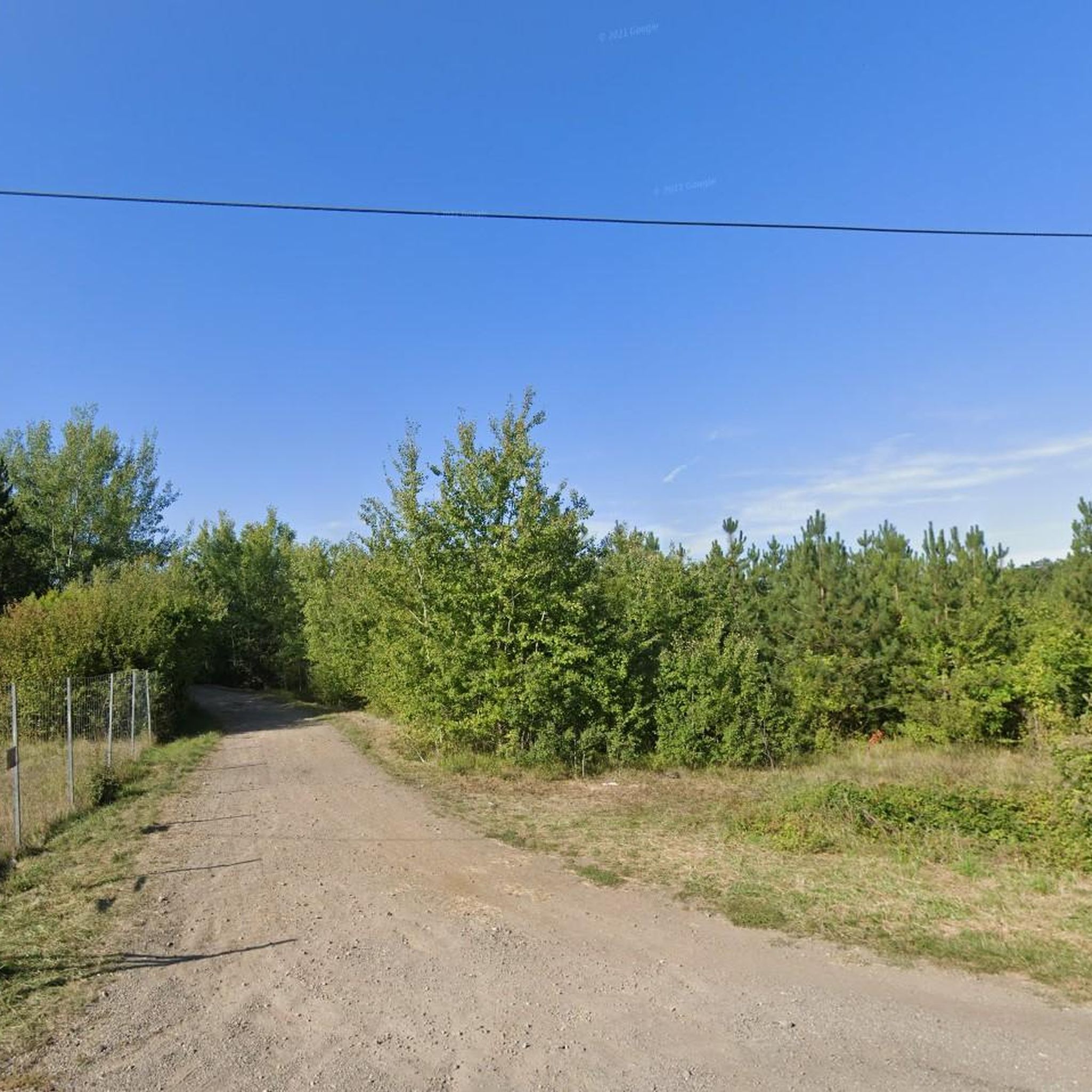
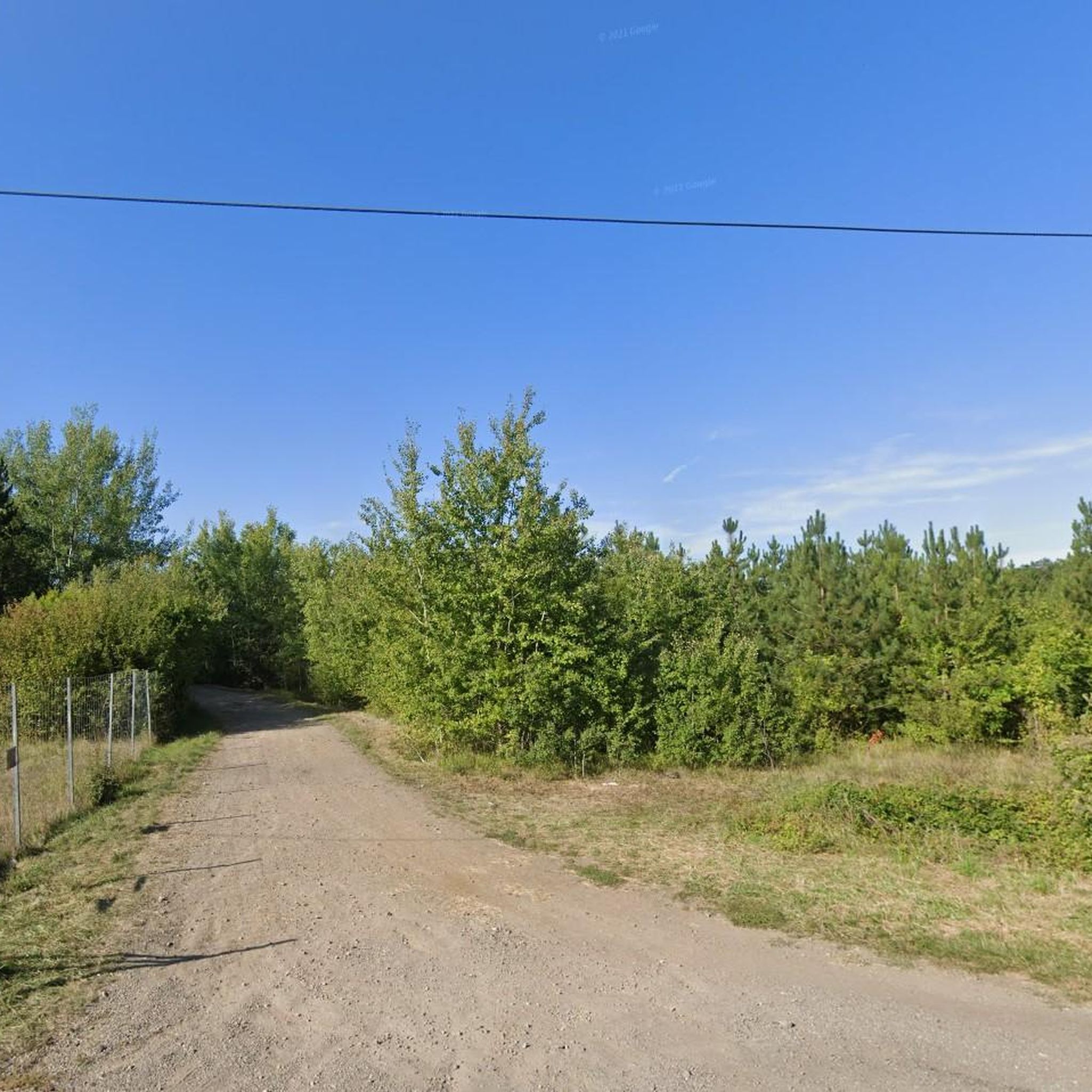
💧 Plan d'Eau de la Sangsue – Small Natural Lake Tucked away in the countryside lies the Plan d'Eau de la Sangsue, a small natural lake with wild shoreline vegetation, calm waters, and a natural charm. While its name ("Leech Pond") is unusual, the body of water is a peaceful spot for walkers, nature lovers, and birdwatchers. 🌿 Surrounded by forest and meadows, the pond is a refuge for amphibians, insects, and waterfowl. A narrow path leads along the shore – ideal for a quiet break in nature. Tip: Particularly beautiful in spring or when there is light fog – then the pond appears almost mystical. Perfect for a quiet rest off the beaten track.
0
0

Beautiful view over Verdun and the Meuse valley. On the nearby main road it is wonderful to drive downhill, but uphill is only recommended to a limited extent due to the busy traffic.
7
0
The Ossuary of Douaumont is an impressive memorial that holds the remains of more than 130,000 unknown French and German soldiers who died during the Battle of Verdun (1916). The bones are visible through small windows in the base – a confronting reminder of the horrors of war. In front of the ossuary is the Nécropole nationale de Douaumont, the largest French military cemetery of the First World War, with 16,142 graves, including a Muslim and Jewish plot. The complex was recognized as a UNESCO World Heritage Site in 2023.
8
0
The Mémorial de Verdun, located near the ruined village of Fleury-devant-Douaumont, is a leading museum and commemoration site for the Battle of Verdun (1916). The museum displays more than 2,000 objects and uses authentic objects, photographs and audiovisual installations to show how French and German soldiers experienced this battle – in the exact same place where they fought.
8
3

The Ossuary tower, also known as the 'Lantern of Death', is 46 m high and offers a beautiful view of the battlefield. The bell tower was donated by the Americans and is, together with the chapel, one of the oldest parts of the monument. Halfway up the climb, you can see the equipment and some scenes highlighting the soldiers of each camp behind glass. At the top of the tower you can enjoy the view, signs indicate in which direction you are looking. Here you will also find the two symbols of the monument: the beacon and the bell. The red and white light of the beacon swings over the battlefield every night and can be seen from dozens of kilometres away. Louise Anne Charlotte, the bell of victory, was donated by the American Mrs. Thorburn Van Buren. She was cast in Orléans and is honoured in every procession through the towns in the vicinity of Douaumont. The bell was inaugurated in 1929 by the founder of the Ossuary, Monsignor Ginisty, and rings three times a day and during major ceremonies to remind everyone of the fate of the fallen soldiers.
2
0

Very beautiful pond with a lot of activities for children (playground and outdoor activity park)
0
0

Take a moment to pause between the ossuary and this stone garden; tranquility reigns here. Don't forget to thank our brave soldiers for their ultimate sacrifice.
1
0
Frequently Asked Questions
How many road cycling routes are available around Affléville?
There are over 60 road cycling routes around Affléville, offering a variety of distances and difficulty levels. The komoot community has explored more than 60 routes in the area.
What kind of terrain can I expect on road cycling routes near Affléville?
The region around Affléville is characterized by tranquil agricultural landscapes, pastures, and forests. You'll find mostly gentle topography with some moderate elevation gains, providing a serene backdrop for cycling away from heavy traffic. The Othain river and other small streams also traverse the terrain, adding to the pastoral charm.
Are there routes suitable for beginners or families in Affléville?
Yes, Affléville and its surroundings offer options for all skill levels. While most routes are moderate, there are 14 easy routes available. Additionally, the region provides access to major cycle routes like "La Voie Bleue" and sections of the Moselle Cycle Path, which are largely flat and ideal for relaxed rides and family outings.
Are there any long-distance or scenic cycling paths accessible from Affléville?
Affléville benefits from its proximity to the extensive Moselle Valley cycling network. The Moselle Cycle Path, also known as "Le Chemin de la Moselle," offers picturesque views of vineyard-covered hills, medieval castles, and charming riverside villages. Another major route, "La Voie Bleue," provides an entirely flat path through varied landscapes, perfect for longer, relaxed rides.
What do other road cyclists enjoy most about road cycling in Affléville?
The area is highly rated by the komoot community, with an average score of 4.4 stars from over 15 reviews. Cyclists often praise the quiet roads, the peaceful agricultural scenery, and the diverse options ranging from gentle countryside loops to routes with historical significance.
Can I find circular road cycling routes around Affléville?
Yes, many of the road cycling routes around Affléville are designed as loops, allowing you to start and finish at the same point. Examples include the Plan d'Eau de la Sangsue loop from Fléville-Lixières and the Castle of La Fontaine loop from Base aérienne d'Etain-Rouvres, which offer varied experiences through the local countryside and past notable landmarks.
Are there any historical landmarks or points of interest along the road cycling routes?
Yes, some routes incorporate historical sites. For instance, the Douaumont Ossuary – Douaumont Ossuary loop from Rouvres-en-Woëvre leads through historical landscapes, offering a reflective cycling experience. Other routes, like the Castle of La Fontaine loop, provide views of local châteaux and agricultural lands.
What is the best time of year for road cycling in the Affléville region?
The Grand Est region, including Affléville, is generally pleasant for cycling from spring through autumn. Spring offers the beauty of blooming landscapes, while summer provides warm weather for longer rides. Autumn brings vibrant colors to the forested areas. The Moselle Valley, in particular, is renowned for its picturesque views during these seasons.
Is it possible to combine road cycling with public transport in the Moselle region?
The broader Meurthe-et-Moselle department, where Affléville is located, is part of a region with extensive cycling infrastructure. While specific public transport options directly in Affléville for cyclists might be limited due to its rural nature, the regional cycling networks are designed to connect towns and villages, often with public transport hubs in larger centers like Nancy. It's advisable to check local transport schedules for bike-carrying policies.
Where can I find amenities like cafes or accommodation near Affléville?
As a rural commune, Affléville itself may have limited amenities. However, its location within the Meurthe-et-Moselle department means that charming villages and towns with cafes, restaurants, and accommodation options are typically accessible within a reasonable cycling distance. Exploring routes that pass through or near larger settlements will provide more opportunities for breaks and refreshments.
Are there any challenging road cycling routes for experienced cyclists?
While the majority of routes around Affléville are moderate, there are 3 difficult routes available for those seeking a greater challenge. These routes typically feature more significant elevation gains and longer distances, providing a good test for experienced road cyclists.
What are the average distances and durations for road cycling routes in this area?
The routes vary in length and duration. For example, the Plan d'Eau de la Sangsue loop is about 24.3 miles (39.1 km) and takes around 1 hour 47 minutes, while the Castle of La Fontaine loop from Baroncourt is longer at 38.7 miles (62.3 km) and can take over 2 hours 30 minutes. You'll find a good range to suit different preferences.

Get inspired with the komoot mobile app


Explore more
Browse the best Road cycling routes in other regions.
