The best road cycling routes around Villon
93
riders
41
rides
Road cycling around Villon offers varied terrain in the Yonne department of Burgundy-Franche-Comté. The region is characterized by rolling hills, limestone plateaux, vineyards, and dense forests, providing diverse gradients for cyclists. Situated at an altitude of 352 meters, Villon serves as a base for exploring areas like the Tonnerrois and the more rugged Morvan Regional Natural Park. This topography includes both moderate climbs and challenging ascents, catering to different cycling preferences.
Best road cycling routes around Villon
- The most popular…
Last updated: May 24, 2026
10
riders
67.8km
02:53
540m
540m
Moderate road ride. Good fitness required. Mostly well-paved surfaces and easy to ride.
16
riders
54.9km
02:16
90m
90m
Moderate road ride. Good fitness required. Some segments of this route may be unpaved and difficult to ride.

Sign up for free
7
riders
43.1km
02:05
530m
530m
Hard road ride. Good fitness required. You may need to push your bike for some segments of this route.
6
riders
63.8km
02:37
380m
380m
Moderate road ride. Good fitness required. Mostly well-paved surfaces and easy to ride.
6
riders
63.1km
03:01
820m
820m
Moderate road ride. Good fitness required. Mostly well-paved surfaces and easy to ride.
Get access to more routes and recommendations from other explorers.
Sign up for free
Already have an account?
Our route recommendations are based on thousands of hikes, rides, and runs completed by other people on komoot.
Start today with a free account
Your next adventure awaits.
Login or Signup

Tips from the Community

Magnificent Exterior Trompe l'oeil Gallery
0
0

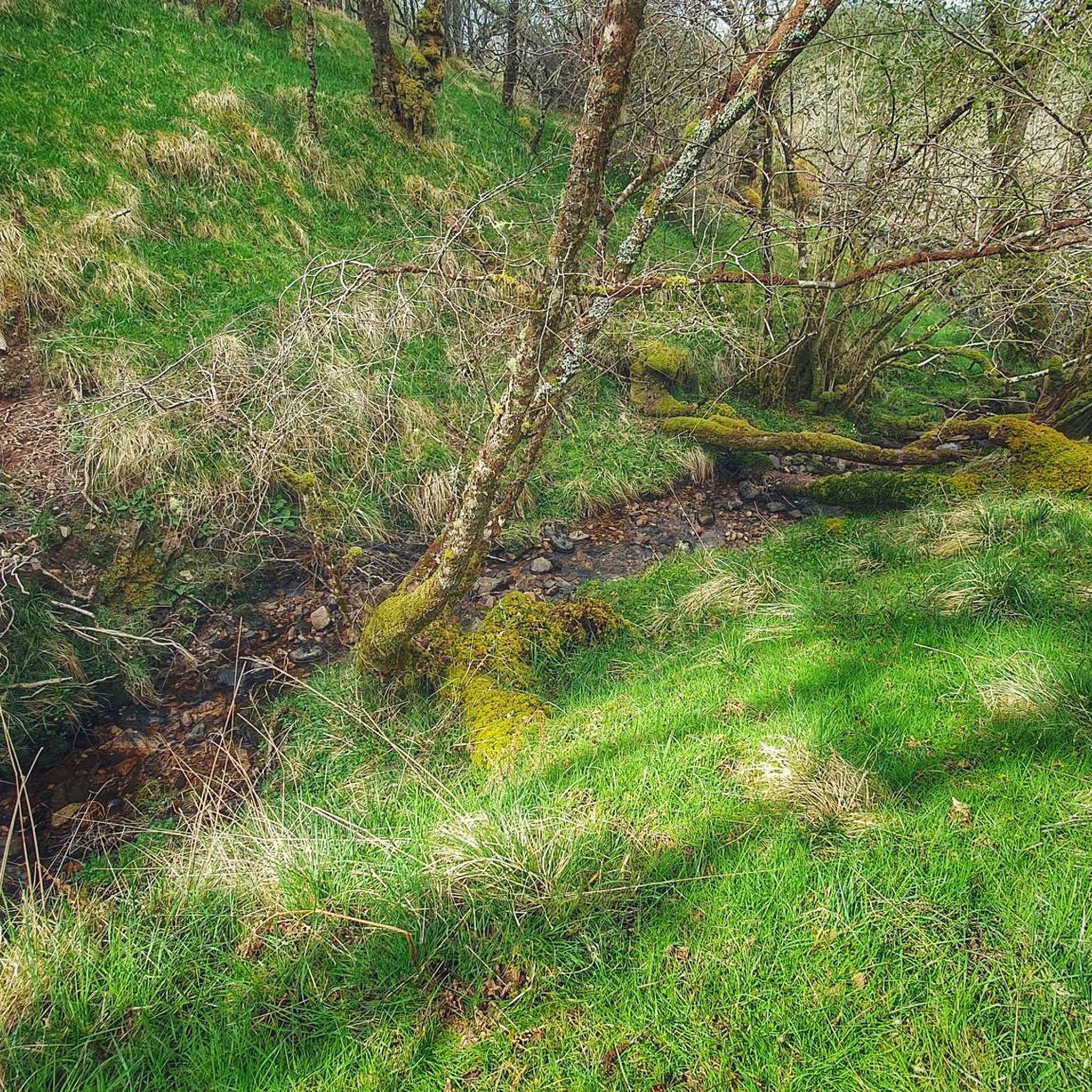
A "chemin de halage", in German "treidelpfad", which runs alongside the waterway right next to the bed of the river or canal, was an indispensable part of the transport infrastructure in earlier times. Before ships could move using motor power, horses ran along the bank and pulled the ship against the current. This was called "treideln", and that is how the "treidelpfad" got its name. Where these paths directly on the bank have been preserved, they are now popular with hikers and cyclists.
1
0

Between Champagne and Burgundy, in the Laignes valley and in the heart of Riceys-Bas, the Château de Ricey-Bas, with its French gardens and its park of more than twenty-five hectares, is part of the great History of France since Robert 1st, Lord of Riceys who established the first foundations in 1086… Surrounded by two arms of the Laignes, the Château de Ricey-Bas, classified as a Historic Monument, is one of the oldest in the region. Transformed by successive families, it continues to be reborn to become today a place of life that can be discovered with complete simplicity.
0
0

Decorated with beautiful houses and surrounded by vineyards, life is good in Les Riceys. The village has many wineries that offer champagne tastings and cellar tours. It prides itself on being the only wine-growing commune in the region to have the three Champagne controlled appellations. If you want to taste champagne, the place is very suitable.
0
0

The Burgundy Canal is 242 km long, it connects the Seine basin to the Rhône basin. Previously used for moving goods, but since the 1960s the canal has been used almost exclusively for recreational boating.
0
0
Hamlet on the Burgundy Canal. The Château de Percey was built in the 17th century and inhabited by a countess; it was bought in September 2021 and transformed into a gîte.
0
0

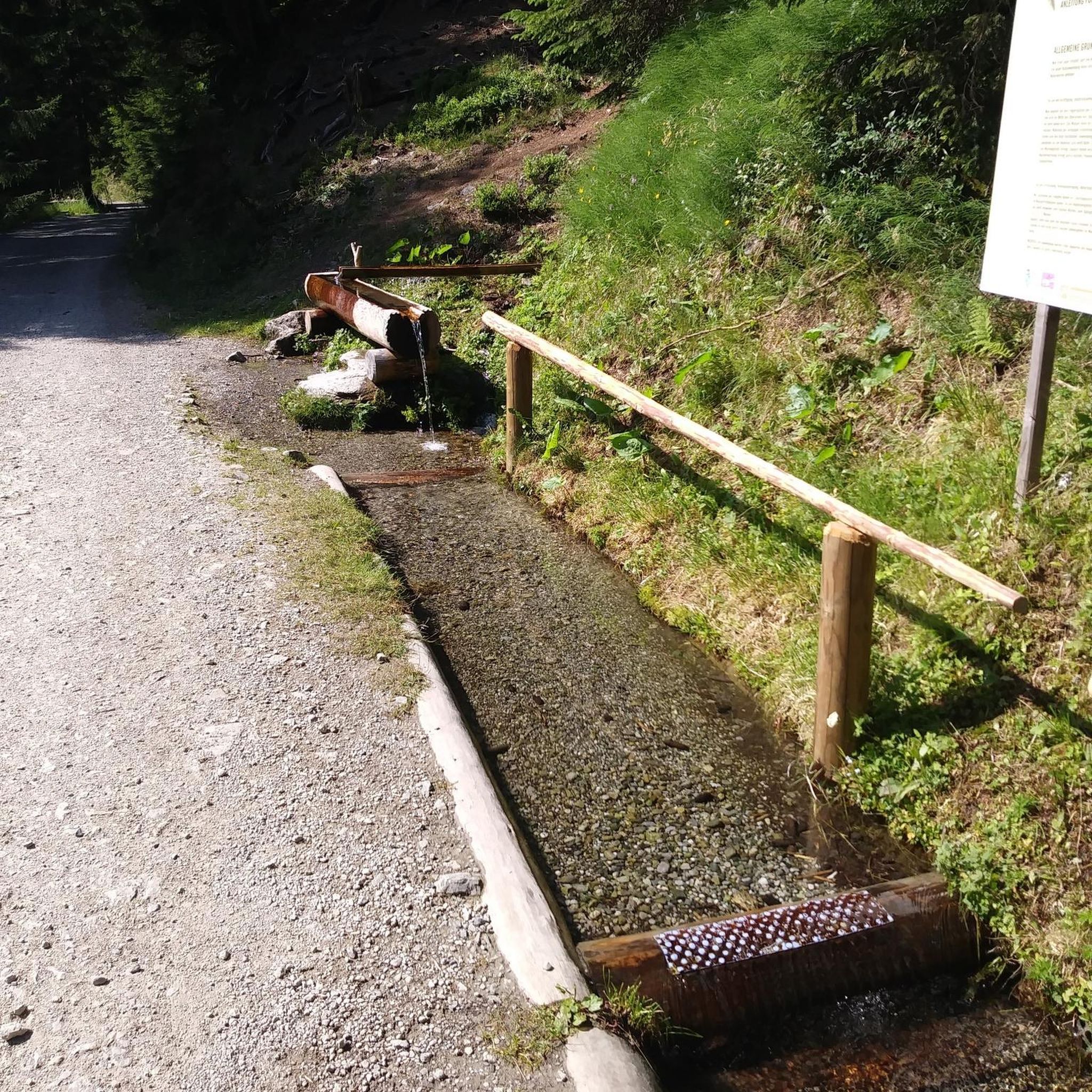
The Dionne pit is a karst source called the Vauclusian source, located in the city center of Tonnerre. It is fed by the infiltration of precipitation into the surrounding limestone plateau as well as by the losses of at least one river. The Dionne pit is remarkable for its flow and the size of its hydrogeological network which extends to more than 40 km. His presence is at the origin of the creation of the city of Tonnerre. An elaborate washhouse was built around the spring in the 18th century. Wikipedia
0
0

A real must-see - this round wash house around a turquoise green source is unique in its kind and well worth the detour.
0
0
Frequently Asked Questions
What kind of terrain can I expect on road cycling routes around Villon?
Road cycling around Villon offers a diverse landscape. You'll encounter rolling hills, limestone plateaux, and dense forests, providing varied gradients. The region is also renowned for its vineyards, particularly in the Tonnerrois area, and features flatter routes along scenic canals like the Canal du Nivernais. Villon itself is situated at an elevation of 352 meters, making it the highest village in its immediate vicinity, which contributes to the varied terrain.
Are there road cycling routes suitable for beginners or families in Villon?
Yes, the Yonne department, where Villon is located, boasts over 500 kilometers of developed cycling routes catering to various skill levels. While some routes offer challenging ascents, you can find gentler options, especially along the Canal du Nivernais, which provides over 200 km of largely flat and secure paths. These canal routes are ideal for relaxed cycling and families.
What are some notable historical or cultural attractions I can see while cycling near Villon?
The region around Villon is rich in history and culture. You can cycle past impressive châteaux such as Château de Tanlay, located about 10 km from Villon, or Château d'Ancy-le-Franc. Charming medieval towns like Tonnerre, known for its Fosse Dionne and medieval hospital, and Noyers-sur-Serein, recognized as one of France's most beautiful villages, are also within cycling distance.
Are there any routes that pass through the famous Burgundy vineyards?
Absolutely. Villon is part of Burgundy, a region world-renowned for its vineyards. Cyclists can ride through expansive vineyards, especially in the Tonnerrois region and towards the famous Chablis wine region, which is about 31 km away. Routes like the Ricey-Bas Church – Les Riceys loop from Villiers-le-Bois navigate scenic vineyard landscapes.
How many road cycling routes are available around Villon?
There are over 40 road cycling routes available around Villon, offering a wide range of distances and difficulty levels to explore the region's diverse landscapes.
What is the best time of year for road cycling in Villon?
The best time for road cycling in Villon is generally from spring to autumn. During these seasons, the weather is typically mild, and the vineyards are vibrant. Summer offers warm conditions, while spring and autumn provide pleasant temperatures and beautiful scenery, including the changing colors of the foliage.
Are there any challenging road cycling routes for experienced riders?
Yes, for experienced riders seeking a challenge, Villon's location on the heights of the plateaux of Burgundy means there are routes with significant elevation gain. The broader Yonne valley features hilly uplands and steep-sided valleys. For example, the Ricey-Bas Church – Les Riceys loop from Villiers-le-Bois is rated as difficult, with over 500 meters of elevation gain over 43 km.
Can I find loop trails for road cycling around Villon?
Many of the road cycling routes around Villon are designed as loops, allowing you to start and finish in the same location. Examples include the Château de Tanlay – Tonnerre loop from Tanlay and the Fosse Dionne, Tonnerre – Old Armançon Bridge loop from Mélisey, which offer convenient circular journeys.
Are there options for road cycling along rivers or canals?
Yes, the region offers beautiful routes along waterways. The Canal du Nivernais is a major highlight, providing peaceful, largely flat paths along its towpaths. Additionally, cycling routes often follow rivers like the Yonne, offering tranquil and picturesque scenery.
What are some popular longer road cycling routes in the area?
For longer rides, the Château de Tanlay – Tonnerre loop from Tanlay covers 67.8 km with over 540 meters of elevation. Another option is the Ricey-Bas Church – Les Riceys loop from Étourvy, which is 63.1 km long and features over 820 meters of climbing, offering a substantial challenge.
Are there any specific routes that offer good viewpoints or scenic overlooks?
Given Villon's position as the highest village in its immediate vicinity and the region's rolling hills and plateaux, many routes offer scenic views. Cycling through the Yonne valley and its uplands will provide picturesque vistas of vineyards, forests, and the surrounding countryside. The routes around Les Riceys, for instance, are known for their scenic landscapes.

Get inspired with the komoot mobile app


Explore more
Browse the best Road cycling routes in other regions.
