Attractions and Places To See around Larchant - Top 20
Best attractions and places to see around Larchant, a village situated on the southern edge of the Fontainebleau Forest, offers a blend of historical sites and natural landscapes. The area is characterized by its unique sandstone rock formations, extensive forest, and significant wetlands. Larchant served as a medieval pilgrimage destination, contributing to its rich cultural heritage. The surrounding Gâtinais plateau features open fields and diverse ecosystems.
Best attractions and places to see around Larchant
- The most popular attractions is The…
Last updated: August 12, 2026
Cross of Lorraine on the Maquisards' Pignon
Highlight • Monument
Translated by Google •
Tip by

Ruins of the Saint-Mathurin Basilica
Highlight • Historical Site
Translated by Google •
Tip by

Sign up now to discover places like this
Get recommendations on the best single tracks, peaks, & plenty of other exciting outdoor places.
Sign up for free
Templar cross ?
Highlight • Other
Translated by Google •
Tip by

Augerville Castle
Highlight • Castle
Translated by Google •
Tip by

Béatrix Cave
Highlight • Cave
Translated by Google •
Tip by

Sign up for free to discover even more attractions around Larchant.
Sign up for free
Already have an account?
Start today with a free account
Your next adventure awaits.
Login or Signup
Popular around Larchant
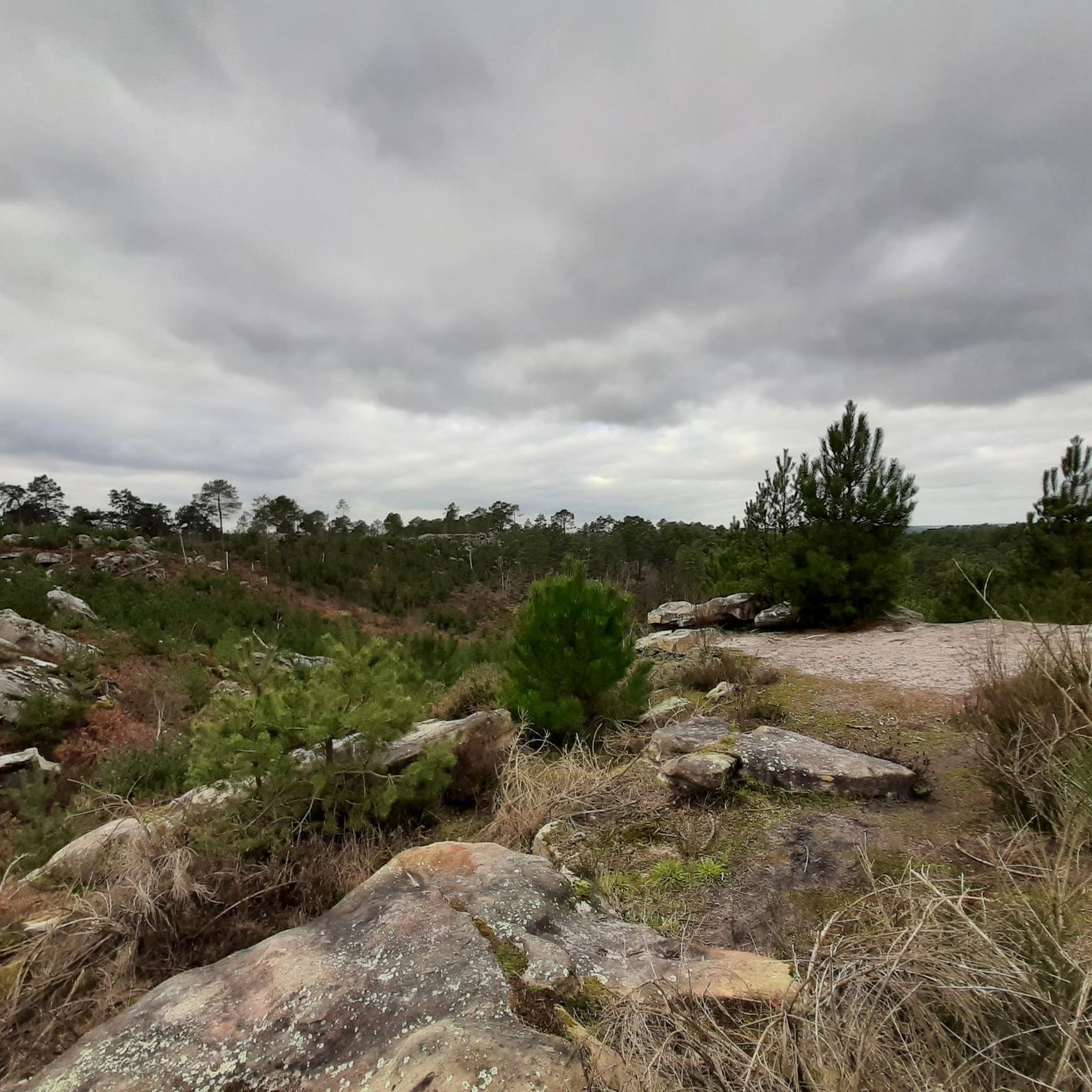
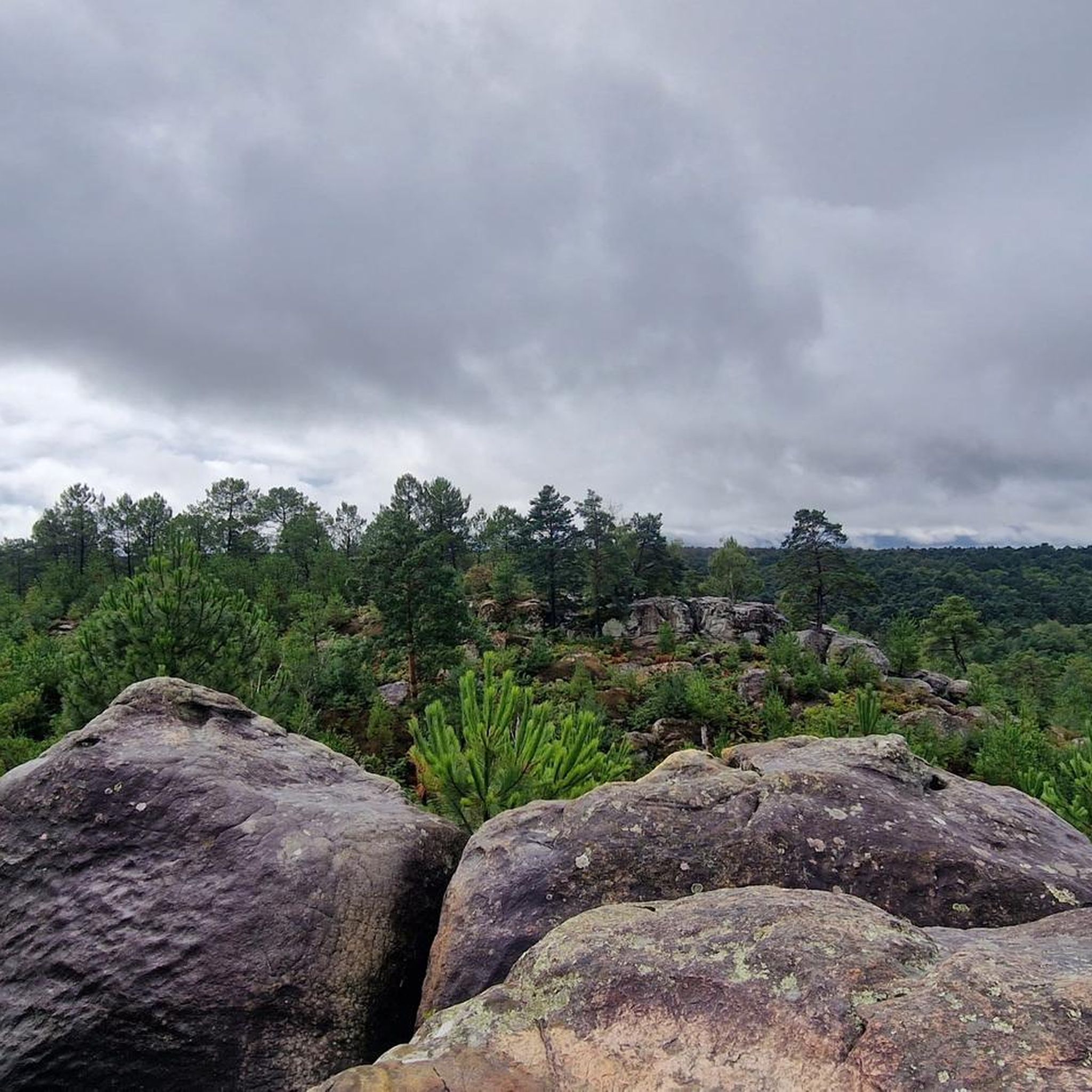
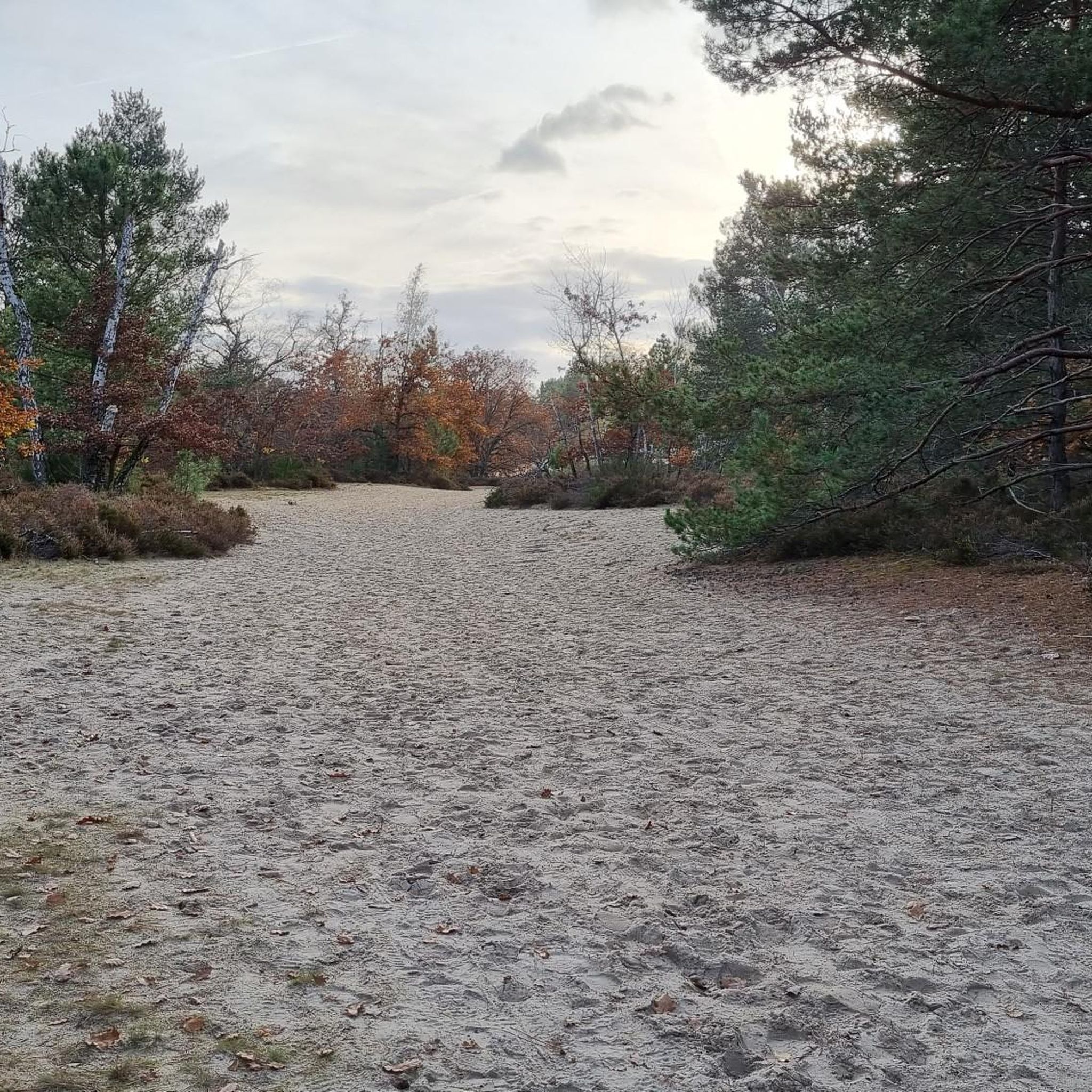



Tips from the Community


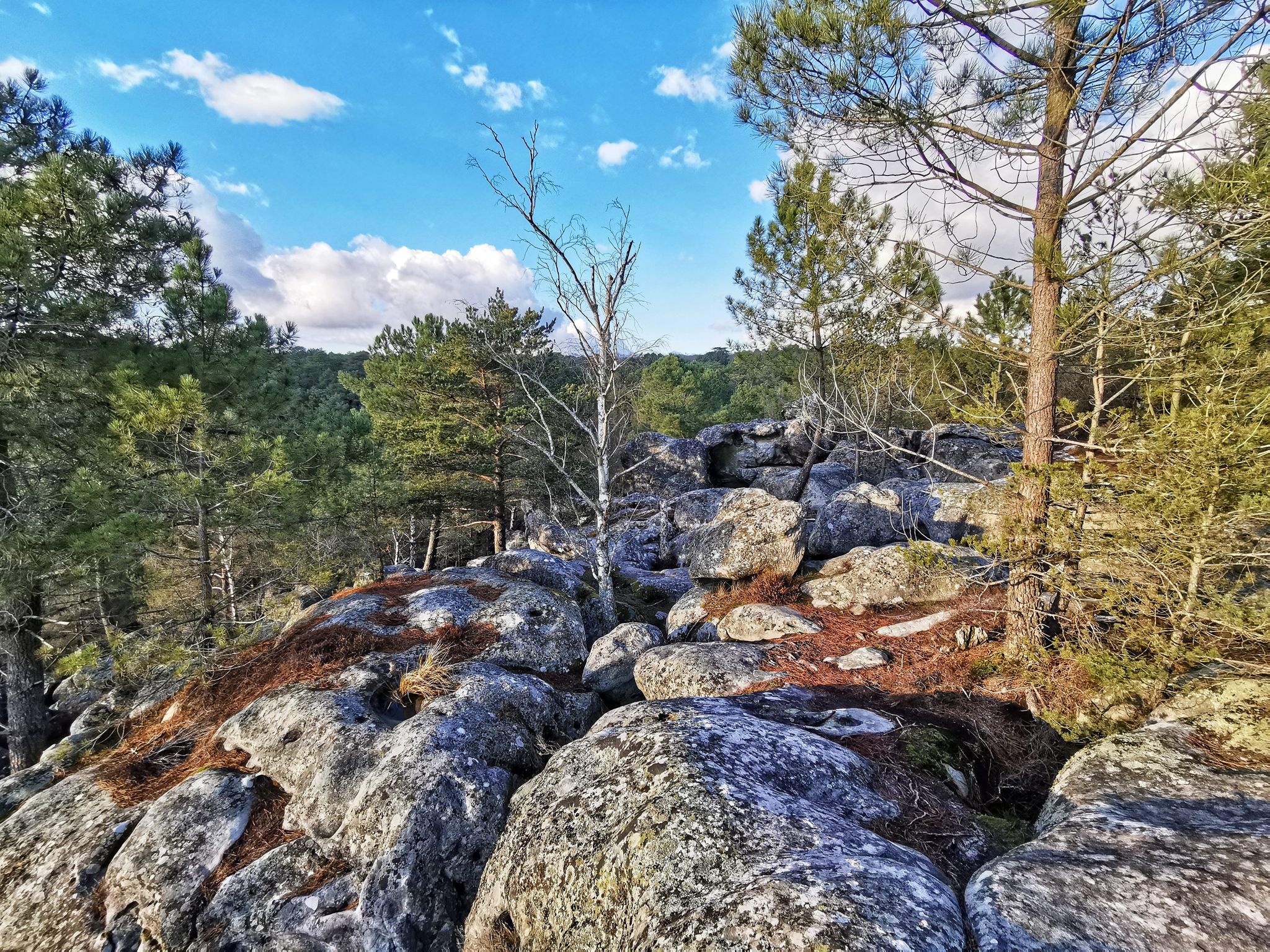
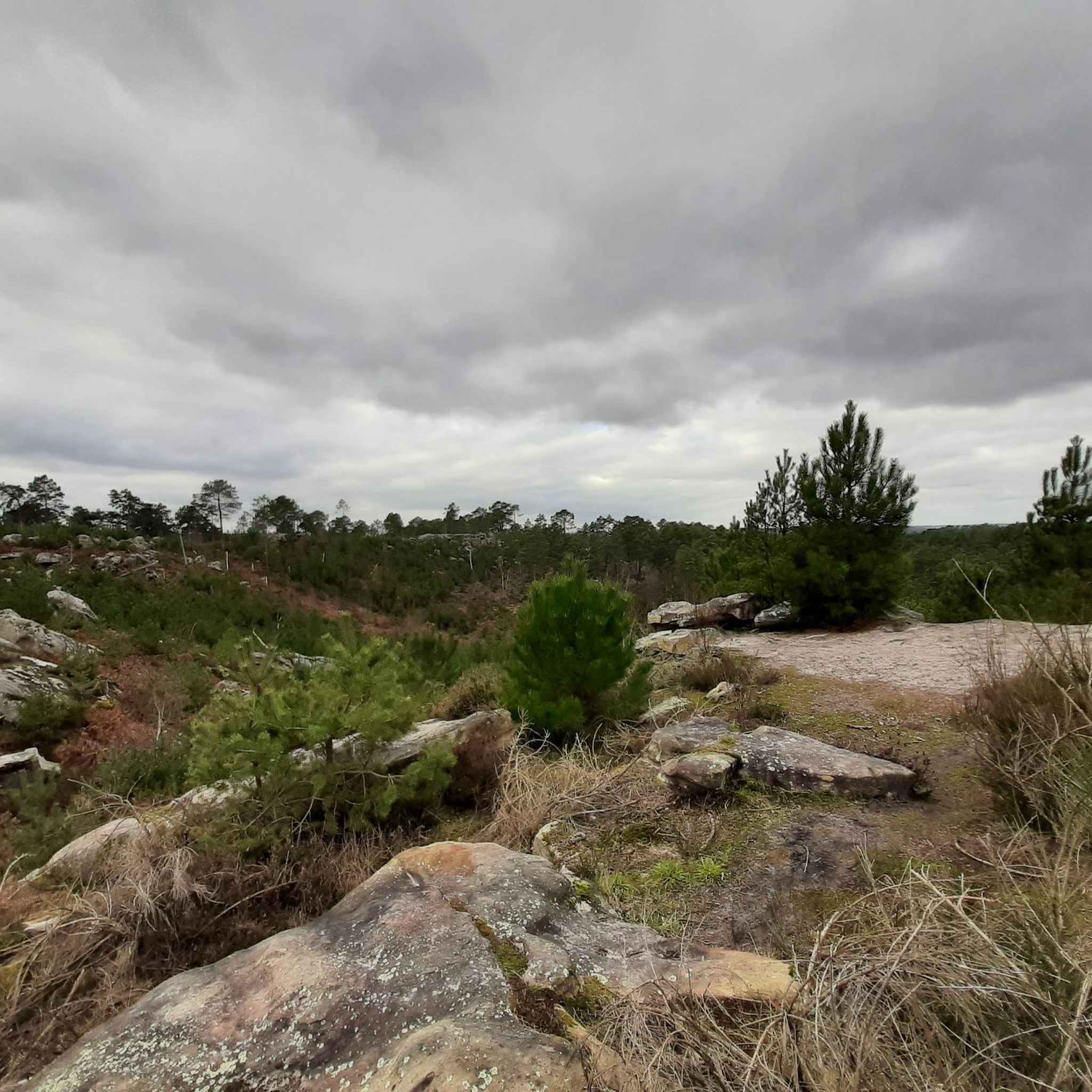
This Lorraine cross is actually located on the gable of the maquisards. There is a beautiful view of Fontainebleau. This place also serves as a break/photo point for trailers/hikers.
0
0

Château d'Augerville is a historic castle located in the commune of Augerville-la-Rivière, in Loiret, France. It dates back to the 12th century, when it was a hamlet and fort for the d'Augerville family. It changed hands several times during the Middle Ages and the Renaissance, and hosted important figures such as Catherine de Medici and King Charles IX. In the 17th century, it was sold to the taxes and renovated into a country house by Jean Perrault de Montevrault. It remained a private residence until the 21st century, when it was transformed into a 5-star hotel with a golf course, spa and chocolate factory. It is a historic monument, a national heritage site of France.
2
0

There is no classic wayside cross (sometimes called a field cross in the open field) or a summit cross that crowns a mountain, but a rock engraving. The lower half of the drawing—whenever scratched into the rock—shows a chalice, such as might be used at Eucharistic celebrations. The outer edge of the vessel is decorated with a cross. Another great cross grows out of the chalice itself. Whether this rock engraving is actually connected to the order of the Knights Templar (the exact name was “Poor Knighthood of Christ and the Temple of Solomon in Jerusalem”), as indicated as a question in the highlight title, I cannot judge. In this case it would have to go back to the 12th or 13th century, i.e. it would have to have been preserved for a very long time.
2
0
This small sacred monument, in the shape of a "Croix de Lorraine," rises majestically on the Pignon des Maquisards. The structure consists of several elements: a two-tiered foundation above the rock, followed by a brick base containing a plaque with a dedicatory inscription. On top of this rests a brick obelisk, tapering slightly towards the top but not terminating in a point. Above the obelisk, the actual cross, visible from afar, stands enthroned in its typical form with two horizontal crossbeams.
0
1

Great view, possibility to sit down for a break
1
2

The Château d'Augerville is an imposing building whose construction dates back to the 12th century. In 1976, it was registered on the list of historical monuments. Today, the castle has been completely transformed and offers a wide range of services: hotel and spa, restaurant, or even golf. If you don't have time to enjoy these, at least take the time to discover the beauty of these old stones.
0
0

The origins of this estate date back to the 13th century with the construction of a fortified castle on the banks of the Essonne. Fallen into ruin, it was bought in the 15th century by Jacques Coeur, great treasurer of King Charles VII who used to acquire the fiefdoms abandoned after the Hundred Years War to regroup them as he pleased. The general appearance of the buildings as we see them today comes from this period. But, falling into ruins at several times in history, the castle has lived, evolved and metamorphosed many times. It has remained a prestigious place and now houses a luxury hotel.
0
0
Frequently Asked Questions
What historical and cultural sites can I explore in Larchant?
Larchant is rich in history. You can visit the impressive Ruins of the Saint-Mathurin Basilica, a significant Gothic-style church that was a major pilgrimage destination. Also, explore the Cross of Lorraine on the Maquisards' Pignon, a historical monument commemorating resistance fighters with magnificent views. The village also features the 15th-century Inn of the Three Kings and the ancient 'Calvary of the Three Crosses'.
What natural attractions are there around Larchant?
The area around Larchant is known for its unique natural features, especially within the Fontainebleau Forest. A must-see is The Elephant, a distinctive rock formation resembling an elephant. You can also explore the Larchant Wetlands Nature Preserve, a rich biodiversity site and important bird sanctuary, or discover prehistoric etchings in local caves like the 'Painted Cave'.
Are there opportunities for outdoor activities like hiking or cycling near Larchant?
Yes, Larchant is surrounded by the Fontainebleau Forest, offering numerous outdoor activities. You can find many trails for hiking, mountain biking, and road cycling. For specific routes, check out the MTB Trails around Larchant, Road Cycling Routes around Larchant, and Running Trails around Larchant guides.
What kind of terrain can I expect on trails around Larchant?
The terrain around Larchant is diverse, ranging from the sandy paths and striking sandstone boulders of the Fontainebleau Forest to the open fields of the Gâtinais plateau. Trails can vary from easy walks to more challenging routes, often featuring elevation changes and rocky sections, especially in areas known for bouldering like near The Elephant.
Are there any unique rock formations or bouldering spots in the area?
Absolutely. Larchant is famous for its world-class boulder climbing spots within the Fontainebleau Forest. Besides The Elephant, you'll find other zoomorphic sandstone boulders and the notable 'la Dame Jouanne', which is the highest point in the forest and offers panoramic views. The forest's sandstone chaos provides endless bouldering opportunities.
What is the best time of year to visit Larchant for outdoor activities?
The Fontainebleau Forest and surrounding areas are enjoyable year-round. Spring and autumn offer pleasant temperatures for hiking and climbing, with beautiful foliage in fall. Summer is also popular, though it can be warmer. Always check local weather forecasts before your visit to prepare accordingly.
Are there family-friendly activities or attractions in Larchant?
Larchant offers several family-friendly options, especially for those who enjoy nature and history. Exploring the unique rock formations like The Elephant in the Fontainebleau Forest can be an adventure for children. Easy walking circuits through the forest and visits to the historical Ruins of the Saint-Mathurin Basilica provide educational and engaging experiences for all ages.
Can I bring my dog on trails around Larchant?
Many trails within the Fontainebleau Forest are dog-friendly, allowing you to enjoy the natural beauty with your canine companion. However, it's always recommended to keep dogs on a leash, especially in nature reserves like the Larchant Wetlands, to protect local wildlife and ensure a pleasant experience for all visitors.
What do visitors particularly enjoy about the attractions around Larchant?
Visitors frequently praise the magnificent views from spots like the Cross of Lorraine on the Maquisards' Pignon and the unique rock formations, such as The Elephant, which never cease to surprise. The historical significance of sites like the Ruins of the Saint-Mathurin Basilica and the peaceful atmosphere of the forest are also highly appreciated.
Are there any specific running routes I can take near Larchant?
Yes, Larchant offers several running routes. You can find options like the 'Ruins of the church of Larchant – Dame Jouanne Car Park loop' or the 'Rocher de la Justice – Dame Jouanne Viewpoint loop'. For a comprehensive list of trails, including distances and difficulty, refer to the Running Trails around Larchant guide.
Is there public transport available to reach Larchant or its attractions?
While Larchant is a charming village, public transport options directly to all attractions can be limited. It is advisable to check local bus schedules or consider driving for more flexibility in exploring the surrounding Fontainebleau Forest and its various sites. Information on specific routes or regional transport can often be found on local tourism websites.
What is the significance of the Saint Mathurin's Source in Larchant?
The Saint Mathurin's Source (Fontaine Saint Mathurin) is deeply tied to the origins of Larchant and the veneration of Saint Mathurin. Tradition holds that Saint Mathurin brought forth the spring by kicking a rock, which is said to still bear his footprint. This site was historically linked to an ancient cult of water and played a role in Larchant's medieval pilgrimage history.
Most popular routes around Larchant
Most popular attractions around Larchant

Get inspired with the komoot mobile app


Explore more
Still not found the Highlight you’re looking for? See guides of the top attractions in other regions:
