Attractions and Places To See around Bayonville-Sur-Mad - Top 20
Best attractions and places to see around Bayonville-Sur-Mad include a mix of historical landmarks, cultural sites, and natural features within the Meurthe-et-Moselle department of northeastern France. The commune is situated within the Lorraine Regional Nature Park, offering diverse landscapes. Historical elements such as a remarkable medieval Aître, a fortified Romanesque church tower, and Gallo-Roman constructions are present. The Rupt de Mad river flows through the area, contributing to its natural setting.
Best attractions and places to see around Bayonville-sur-Mad
- The…
Last updated: July 2, 2026
Gorze–Metz Roman Aqueduct (Jouy-aux-Arches)
Highlight • Monument
All boards are in French, English and German.
Translated by Google •
Tip by

Along the Moselle
Highlight • Other
Translated by Google •
Tip by

Sign up now to discover places like this
Get recommendations on the best single tracks, peaks, & plenty of other exciting outdoor places.
Sign up for free
La Croix Saint Clément
Highlight • Other
Translated by Google •
Tip by

Prény Castle
Highlight • Castle
Translated by Google •
Tip by

Carmelite Cross
Highlight • Other
Translated by Google •
Tip by

Sign up for free to discover even more attractions around Bayonville-Sur-Mad.
Sign up for free
Already have an account?
Start today with a free account
Your next adventure awaits.
Login or Signup

Tips from the Community

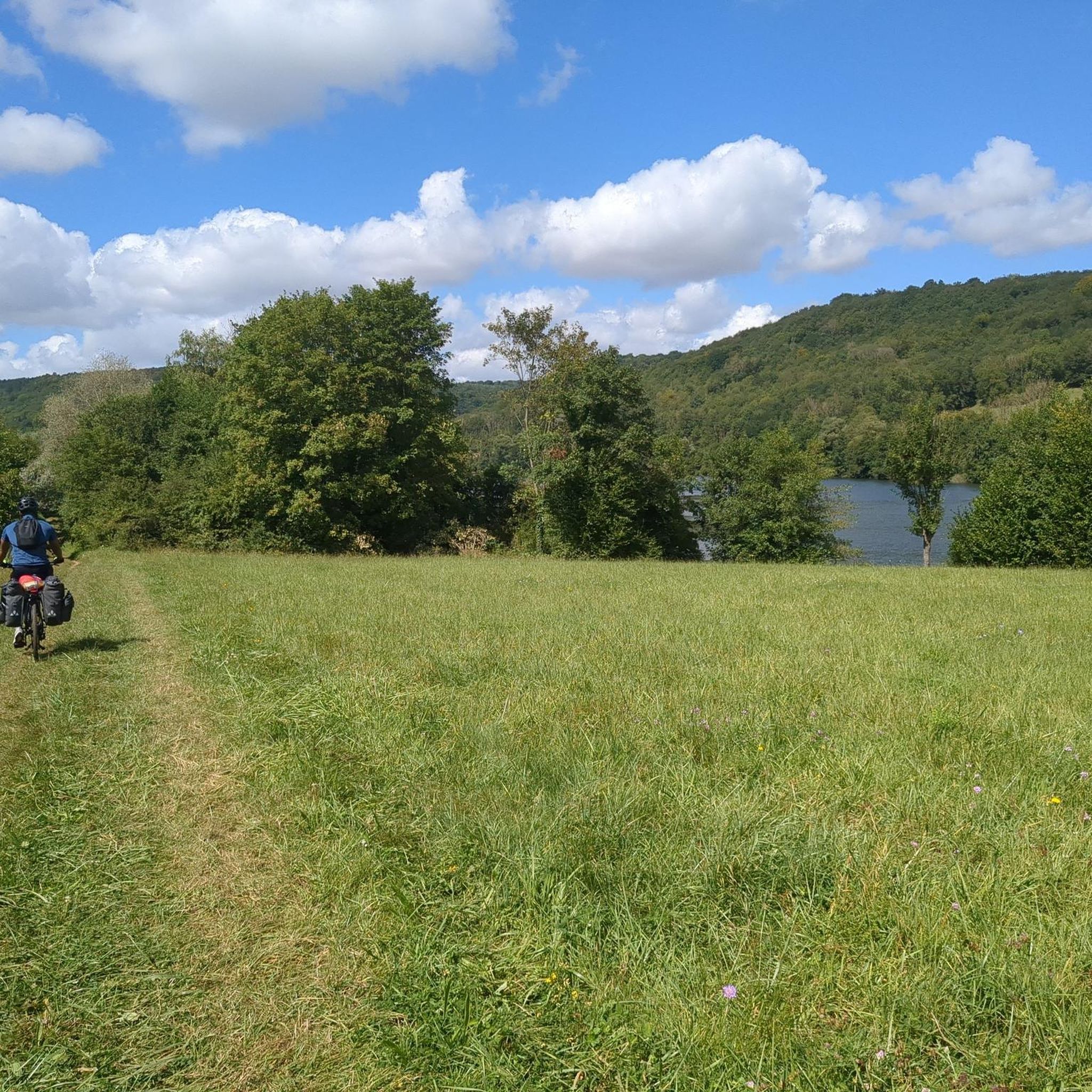
The nature is exceptional, it is dotted with ponds with their small chalets
0
0

Each of these crosses that the biker encounters in the villages or in the fields is a sign of remembrance of the crucifixion, but also of the resurrection of Jesus Christ. "Here on earth there is His memory, but in the kingdom of heaven there is His presence: this presence is the joy of those who have already reached salvation. The memory is our consolation, as we are still wanderers, traveling towards our homeland." (Bernard of Clairvaux)
0
0

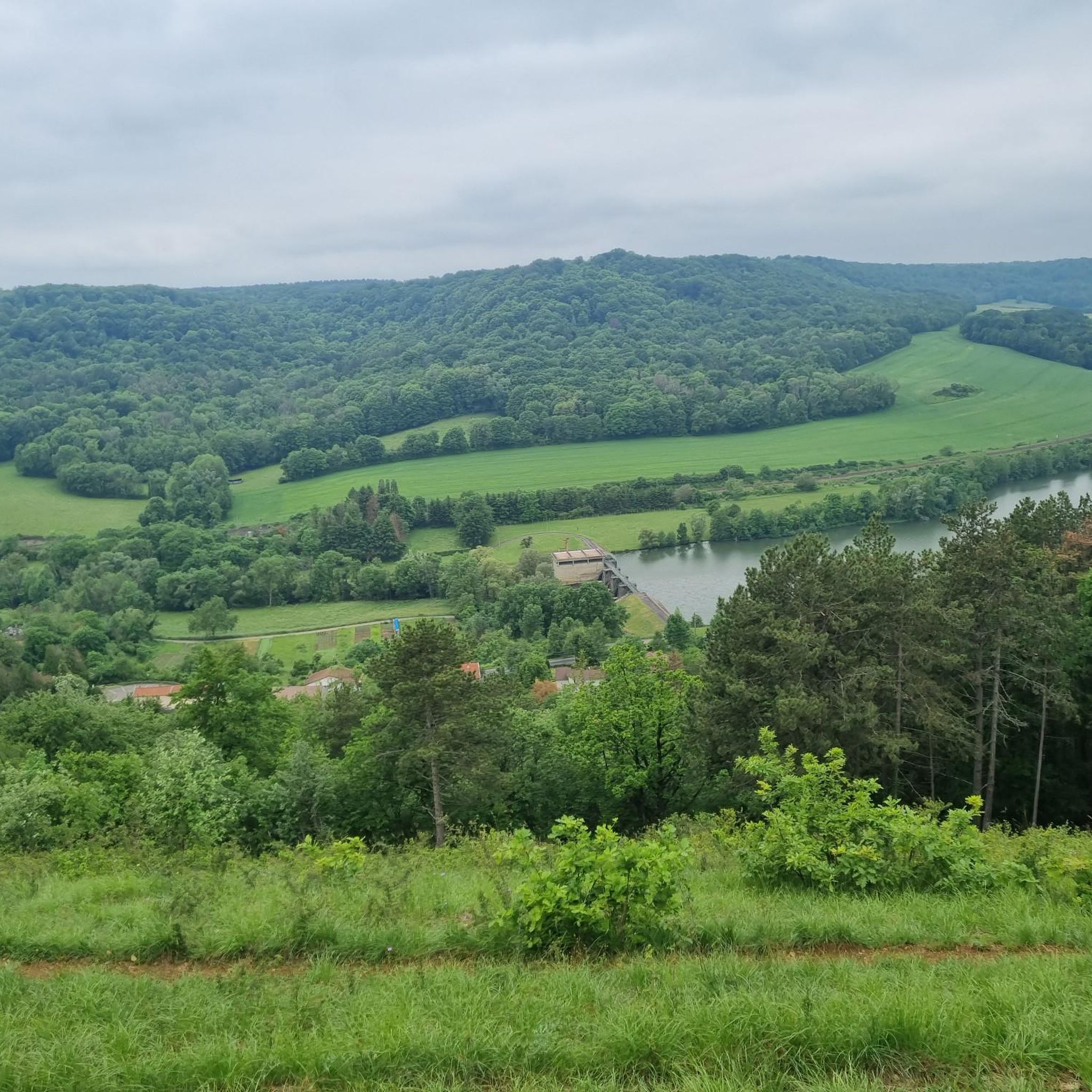
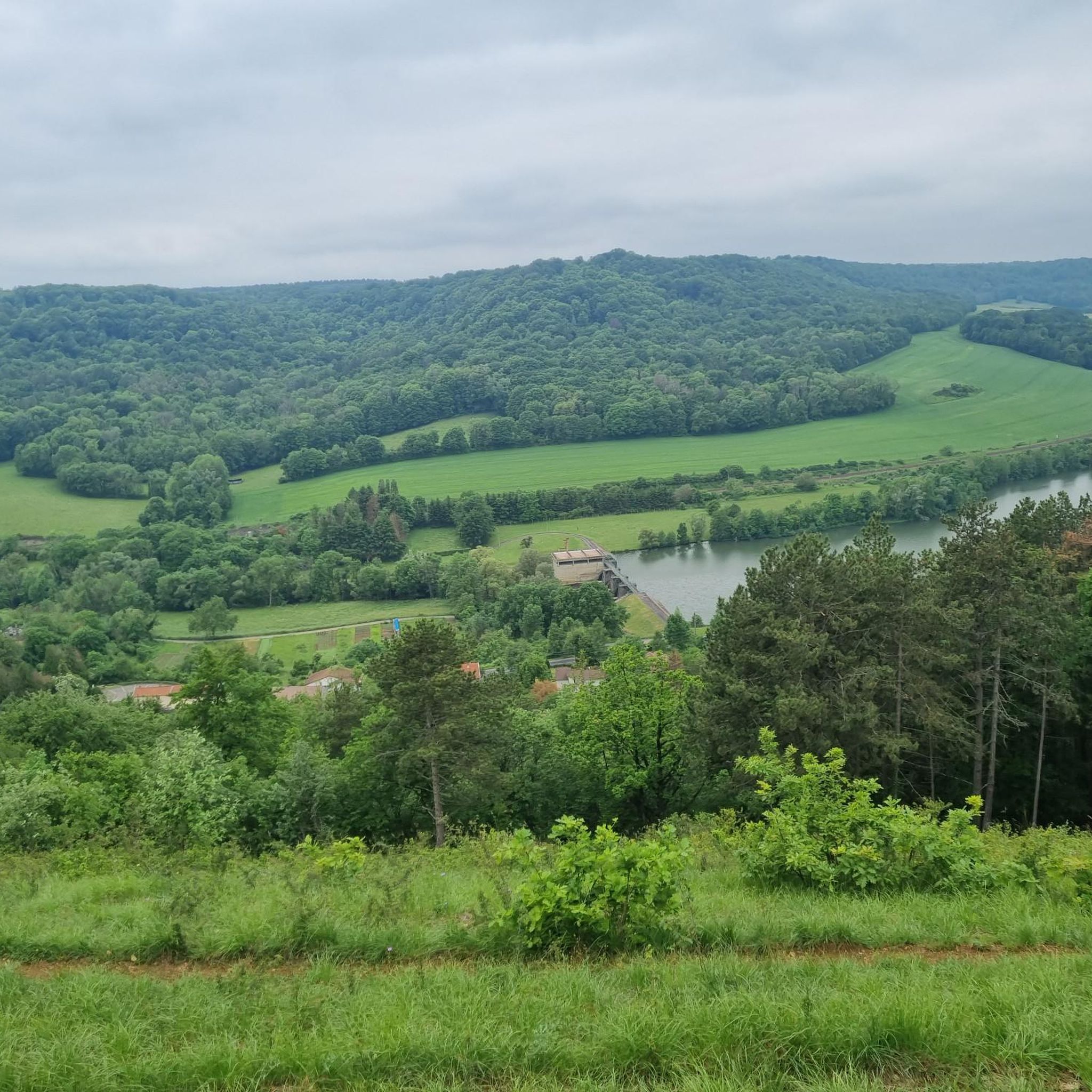
Amazing islands of nature in the middle of a very anthropized area.
1
0

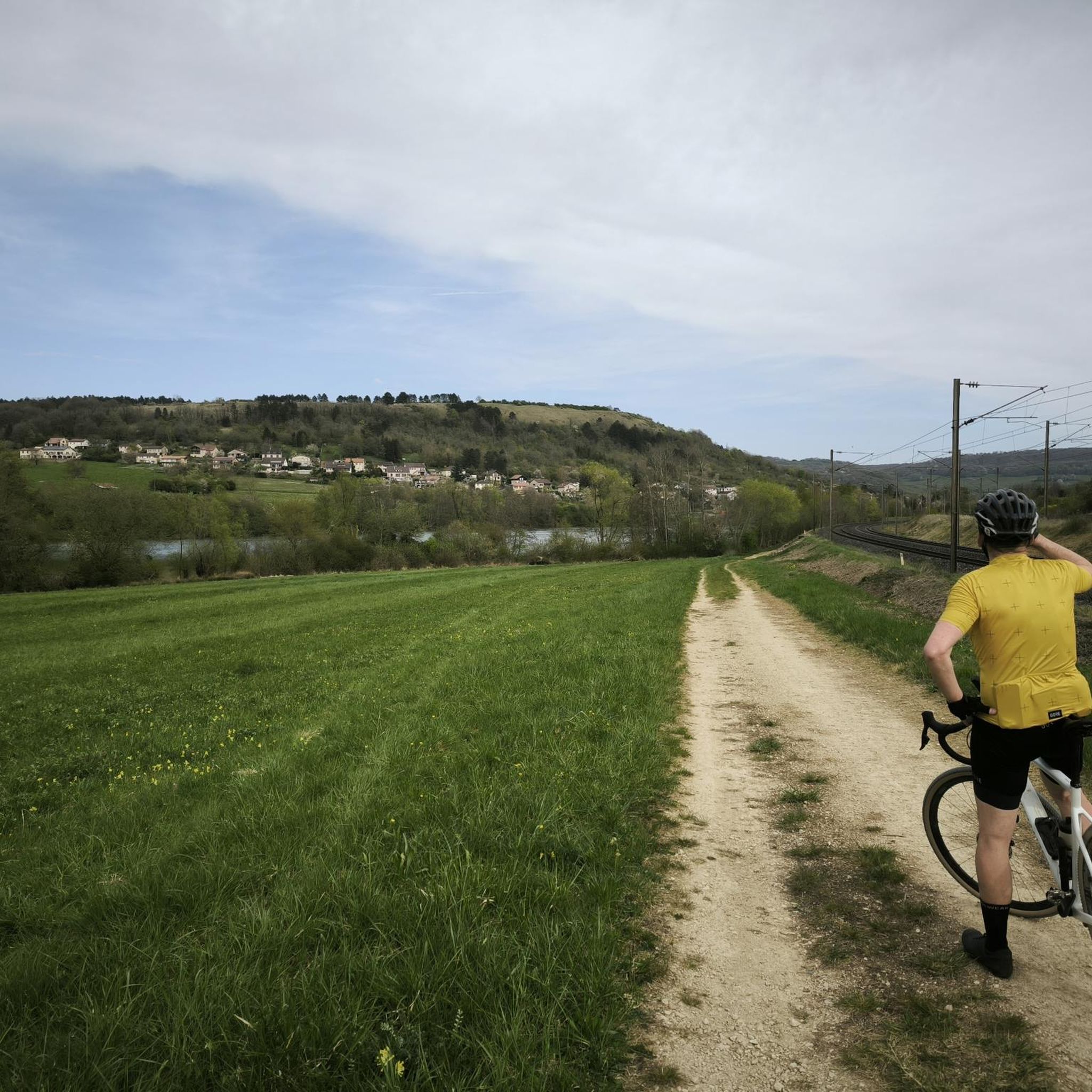
Beautiful Roman aqueduct on the edge of the cycle path towards Metz.
6
0
The aqueduct connecting Gorze to Metz is a Roman aqueduct built at the beginning of the second century. Divodurum (Metz) is the capital of the Mediomatris, at the crossroads of the south-north and east-west axes, i.e. on the Roman roads from Lyon to Trier and from Reims to Strasbourg. The city, which had about 20,000 inhabitants in the second century, needed a supply of spring water to supply the fountains, the three Roman baths, the public latrines and the craftsmen. The exact distribution points are not known because no trace remains (Wikipedia).
4
0
The aqueduct connecting Gorze to Metz is a Roman aqueduct built at the beginning of the second century (Wikipedia).
5
0

Memorial to the bloody Battles of Bois-le-Prêtre during the First World War. Initially a simple wooden cross which marked the highest point of the forest massif at 372 meters above sea level, a strategic point, it returned to its place of origin shortly after the war and was enshrined in the stone monument commemorating this battle which was inaugurated on September 23, 1923 by Raymond Poincaré.
0
0
Symbolic fortress of the Dukes of Lorraine, the name of this castle has become the war cry of the princes "Prény! Prény!". Dominating the Moselle valley from its spur, the castle benefits from a large enclosure around the lower courtyard in which the village developed and the eastern small, isolated from the village by a large ditch, and which constitutes the largest part. strongest on the site. This place constitutes one of the northern locks of the Dukes of Lorraine, in a region largely held by the Counts of Bar who particularly enjoy the neighboring castle of Mousson. Undoubtedly built in the 12th century to guard the abbey of Sainte-Marie-aux-Bois, the Dukes of Lorraine remain attorneys of this religious establishment. The warmand keep or tower constitutes the most impressive element of this castle with its pentagonal shape, its thick walls and its great height.
1
0
Frequently Asked Questions
What historical sites can I explore in Bayonville-sur-Mad?
Bayonville-sur-Mad is rich in history. You can visit the remarkable medieval Aître, a fortified churchyard with a Romanesque or Romanesque-Gothic church at its heart, and its 12th-century fortified Romanesque church tower. Other historical remnants include vestiges of fortified houses from the 15th and 16th centuries, the Trou-des-Fées with Neolithic and Carolingian traces, and Gallo-Roman constructions at Goulainvaux. Nearby, the impressive Gorze–Metz Roman Aqueduct, built in the 2nd century, is a must-see.
Are there any castles or châteaux to visit near Bayonville-sur-Mad?
Yes, the area features several notable castles. Within the commune, you can find the 18th to 19th-century Château de Remonvaux. A short distance away, Prény Castle, an ancient fortified castle, overlooks the town of Prény and was a symbolic fortress for the Dukes of Lorraine. The 11th-century Château de Jaulny, classified as a historical monument, is also one of France's oldest castles.
What natural attractions are there around Bayonville-sur-Mad?
The region is part of the Lorraine Regional Nature Park, offering diverse natural beauty. The Rupt de Mad river flows directly through the commune, shaping the local landscape. Historically, the valley of the Rupt de Mad was known for its vineyards. The park itself features agricultural plateaus, forest valleys, waterways, wetland prairies, and numerous ponds, making it ideal for nature observation.
What outdoor activities can I do near Bayonville-sur-Mad?
The Lorraine Regional Nature Park provides excellent opportunities for outdoor activities. You can enjoy hiking, cycling, and nature observation. For specific routes, consider exploring the hiking trails, such as the 'Vallée du Rupt de Mad and tour du Rudemont' loop from Arnaville, or the 'Old Bridge' loop from Bayonville-sur-Mad. Cyclists can find various cycling routes, including scenic paths along the Moselle river.
Are there any family-friendly attractions in the area?
Many of the natural and historical sites can be enjoyed by families. Exploring the medieval Aître, the fortified church tower, or the Gallo-Roman constructions can be an educational experience. The Lorraine Regional Nature Park offers gentle trails suitable for family walks, and the Gorze–Metz Roman Aqueduct is an impressive sight for all ages.
What is the best time of year to visit Bayonville-sur-Mad?
The best time to visit Bayonville-sur-Mad for outdoor activities and exploring its natural and historical sites is typically during the spring (April to June) and autumn (September to October). During these seasons, the weather is generally mild and pleasant for hiking and cycling, and the natural landscapes are particularly beautiful, whether with spring blossoms or autumn colors.
Where can I find information about World War I memorials near Bayonville-sur-Mad?
Near Bayonville-sur-Mad, you can visit the Carmelite Cross in the Bois-le-Prêtre. This memorial commemorates the intense battles of World War I, and you can still see remnants of trenches and barbed wire in the area, offering a poignant glimpse into history.
Are there any religious or abbey sites to visit?
Yes, the Abbaye de Sainte-Marie-au-Bois, located in Vilcey-sur-Trey, dates back to the early 12th century and is recognized for its historical and architectural significance. Additionally, the medieval Aître in Bayonville-sur-Mad features a Romanesque or Romanesque-Gothic church at its core.
What is the significance of the Rupt de Mad river in the region?
The Rupt de Mad river is a central natural feature, flowing eastward directly through Bayonville-sur-Mad. It has historically shaped the local landscape and contributed to the area's agricultural heritage, particularly with its historic vineyards on the left bank, which benefited from good sun exposure.
What do visitors enjoy most about the attractions around Bayonville-sur-Mad?
Visitors particularly appreciate the blend of historical depth and natural beauty. The impressive scale of the Gorze–Metz Roman Aqueduct and the historical significance of sites like Prény Castle are highly rated. Many also enjoy the tranquil cycling paths, such as Along the Moselle, and the poignant history found at memorials like La Croix Saint Clément and the Carmelite Cross.
Are there any unique historical structures like old washhouses in Bayonville-sur-Mad?
Yes, Bayonville-sur-Mad is home to three historical lavoirs (washhouses). One of these washhouses remains functional with running water, offering a glimpse into the commune's past daily life and traditional architecture.
Can I find viewpoints or scenic spots around Bayonville-sur-Mad?
The region, being part of the Lorraine Regional Nature Park, offers numerous scenic spots. The elevated position of Prény Castle provides views over the town. Additionally, hiking and cycling routes through the Rupt de Mad valley and along the Moselle river offer picturesque landscapes and opportunities for scenic overlooks.
Most popular routes around Bayonville-Sur-Mad

Get inspired with the komoot mobile app


Explore more
Still not found the Highlight you’re looking for? See guides of the top attractions in other regions:
