Attractions and Places To See around Grosrouvres - Top 13
Best attractions and places to see around Grosrouvres include historical sites and natural landscapes within the Lorraine Regional Natural Park. The area features diverse environments, from forests and valleys to historical monuments and cultural points of interest. Visitors can explore a variety of attractions, including old mills, historical wash-houses, and natural ponds. This region offers opportunities for outdoor activities and cultural exploration.
Best attractions and places to see around Grosrouvres
- The most popular attractions is Villevaux Mill, a 17th-century…
Last updated: June 29, 2026
Villevaux Mill
Highlight • Other
Translated by Google •
Tip by

Old wash-house
Highlight • Other
Translated by Google •
Tip by

Sign up now to discover places like this
Get recommendations on the best single tracks, peaks, & plenty of other exciting outdoor places.
Sign up for free
Gézoncourt Book Exchange and Shelter
Highlight • Rest Area
Translated by Google •
Tip by
Andilly German military cemetery
Highlight • Historical Site
Translated by Google •
Tip by

Chêne de la Nau
Highlight • Other
Translated by Google •
Tip by

Sign up for free to discover even more attractions around Grosrouvres.
Sign up for free
Already have an account?
Start today with a free account
Your next adventure awaits.
Login or Signup



Tips from the Community

The Andilly German War Cemetery is located 10 kilometers north of Toul and three kilometers outside of Andilly (Meurthe-et-Moselle). With 33,085 dead soldiers, it is the largest German World War II military cemetery in France. At the beginning of September 1944, Allied troops were pressing toward Germany. From the Rhône Valley to the Vosges Mountains and the Rhine Valley, fighting against the retreating German troops caused enormous losses on both sides. In 1944, the Americans established a temporary cemetery here for their nationals as well as for fleeing German troops who had fallen in combat. This temporary cemetery contained 5,000 graves. After the war, the Americans relieved their soldiers and reburied them in the American War Cemetery in Saint-Avold. Andilly then became a German military cemetery, where 5,000 victims were buried at the time. From Saint-Avold, 575 German soldiers were buried, and from Épinal-Dinozé, 4,891 died in the Andilly area. In total, the death toll at Andilly rose to 11,000. Following the Franco-German agreement on military graves in 1954, the Volksbund Deutsche Kriegsgräberfürsorge (German Military Graves Maintenance Service) was commissioned by the German government to develop this military necropolis for the victims of World War II in the early 1960s. Its members and benefactors funded its maintenance with their contributions and donations. Starting in 1957, the Volksbund began searching for and gathering in Andilly the bodies of German soldiers who had fallen west of Metz and in eleven departments: Nièvre, Saône-et-Loire, Côte-d'Or, Haute-Marne, Jura, Doubs, Haute-Saône, Vosges, Territoire de Belfort, Meuse, and Meurthe-et-Moselle. There were 2,000 unknown dead German soldiers in the Vosges who were transferred to Andilly. Thus, with 33,085 graves, the largest German military necropolis for the Second World War in France was created. In the spring of 1961, the cemetery was transformed from a garden perspective. The result was a solemn plot surrounded by bushes and trees. The cemetery was opened to the public in 1962.
0
0

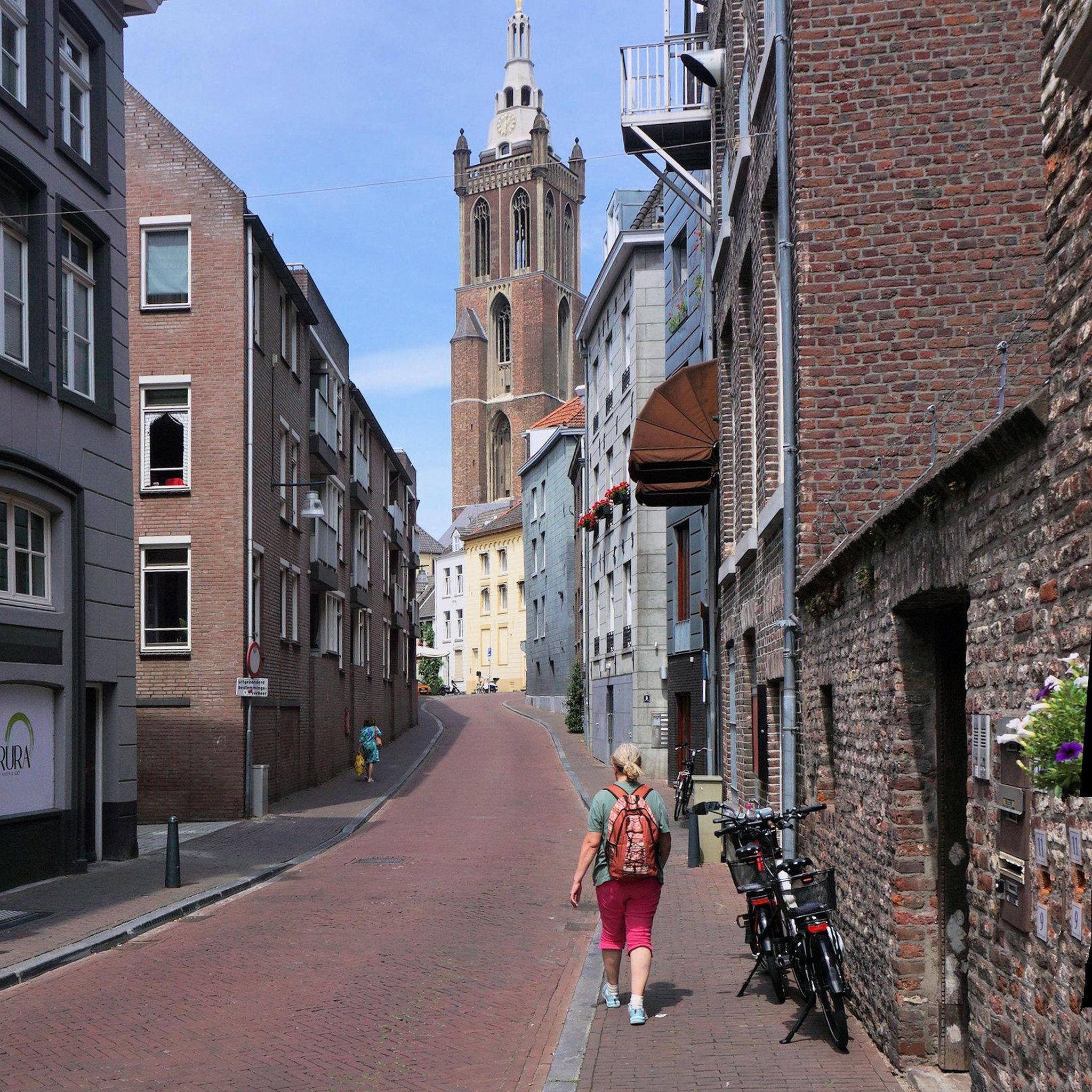
Both the church, the old wash house and the fountain bear the name of Saint-Lambert. The latter are located on an old procession path near the exit of the village. is the Gézoncourt wash house. According to legend, this saint struck the ground with his crozier, thus causing water to flow for the fountain and the washhouse which now bear his name.
2
0
The small church of St-Lambert is listed as a historical monument. There is also an old washhouse and a fountain to discover.
2
0
During periods of heavy rain this section can be difficult due to flooding.
3
0

Former washing area of Gézoncourt.
1
0

The Chêne de la Nau is a remarkable oak from the Rambucourt forest, in the Grand-Est region. This majestic tree, approximately 300 years old, has a circumference of 420 cm and a height of 22 meters. It is one of the oldest and largest oak trees in France, and has witnessed many events and changes in the country.
3
0

Gézoncourt is a pleasant little town located on the heights of the Esch valley. With no shops, the town nevertheless has a book library that can be used as a shelter in the event of bad weather.
5
0
The Villevaux mill is a building erected on the Esch whose construction dates back to the 17th century. The former owner, who died in 2007, donated the mill and the entire property to the department in order to preserve its natural environment.
5
0
Frequently Asked Questions
What historical sites can I explore around Grosrouvres?
Grosrouvres and its surroundings offer several historical points of interest. You can visit the 17th-century Villevaux Mill, located on the Esch river in a beautiful valley. Another significant site is the Old wash-house in Gézoncourt, a historical structure on an old procession path. Additionally, the Andilly German military cemetery, the largest German World War II military cemetery in France, is a poignant memorial stop nearby.
Are there natural attractions or features to see near Grosrouvres?
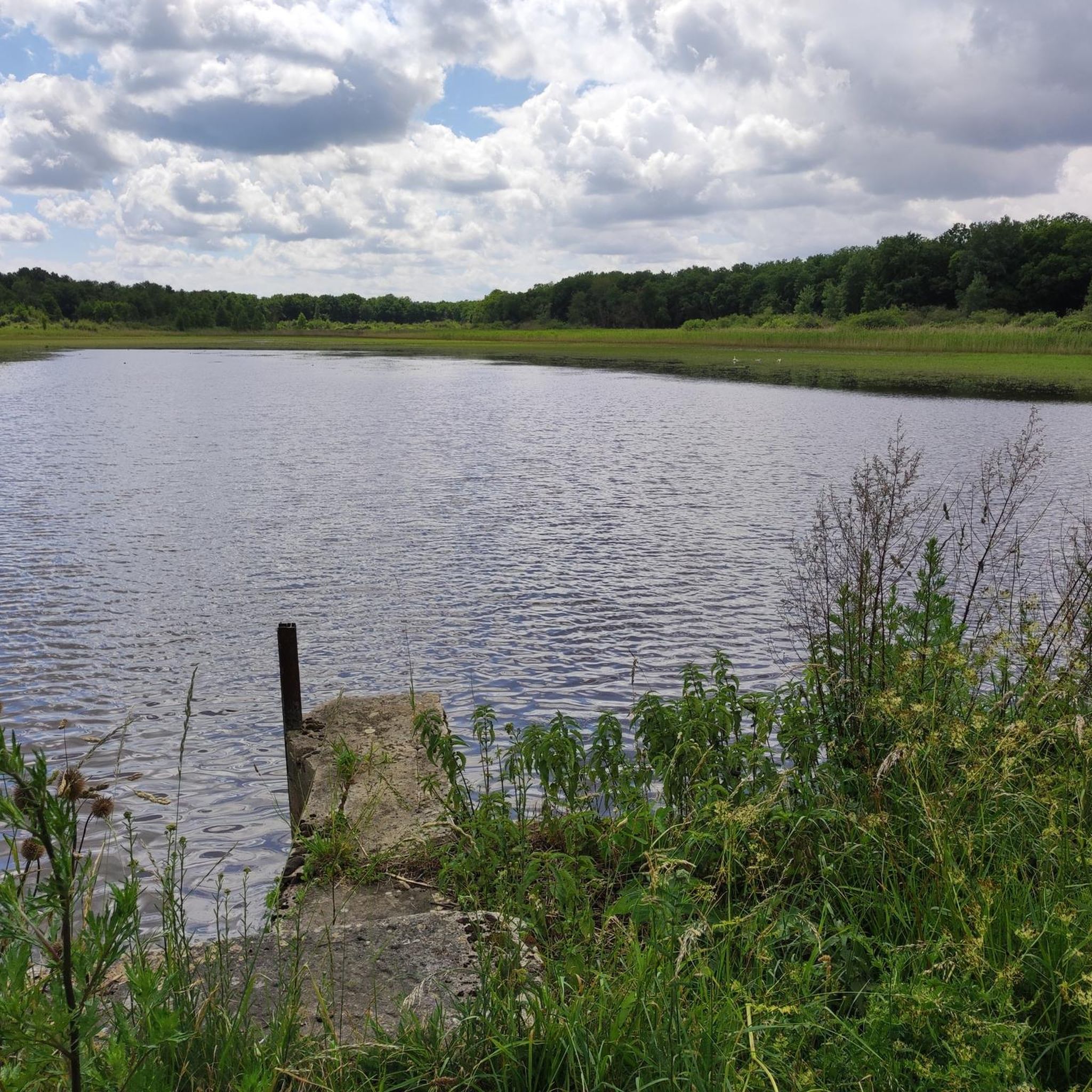
Yes, the region is rich in natural beauty, being part of the Lorraine Regional Natural Park. A notable natural attraction is Les Étangs de la forêt de la Reine, a collection of natural ponds offering a pristine environment. The area is also characterized by its hydrographic network, including streams like Berupt and Esch, and larger bodies of water such as Étang de la Grande Naue and Étang Thierry. The nearby Forêt de la Reine provides extensive natural landscapes.
What outdoor activities are popular around Grosrouvres?
The area around Grosrouvres is ideal for various outdoor activities. You can enjoy hiking through the Forêt de la Reine, with routes like the 'Forêt de la Reine — loop from Raulecourt'. Cycling is also popular, especially around Les Étangs de la forêt de la Reine. For more challenging rides, there are mountain biking trails available. Explore more options on the Hiking around Grosrouvres, Cycling around Grosrouvres, and MTB Trails around Grosrouvres guide pages.
Are there family-friendly places or activities in Grosrouvres?
While specific family activities aren't detailed, the natural ponds at Les Étangs de la forêt de la Reine offer a beautiful setting for family walks or easy bike rides. The Gézoncourt Book Exchange and Shelter provides a pleasant spot to relax, and the nearby old wash-house and fountain can be interesting for a short historical exploration.
Where can I find a place to rest or shelter from the weather?
In Gézoncourt, a pleasant town on the heights of the Esch valley, you can find the Gézoncourt Book Exchange and Shelter. This facility offers a place to recharge and can serve as a shelter in case of bad weather or strong sun.
What is the significance of the Villevaux Mill?
The Villevaux Mill is a 17th-century building situated on the Esch river. It's notable not only for its age and picturesque location in a beautiful valley but also because its former owner donated the mill and the entire property to the department to ensure the preservation of its natural environment.
What are the best places for cycling around Grosrouvres?
Cycling is a popular way to explore the region. The natural ponds at Les Étangs de la forêt de la Reine are particularly suitable for bike rides. You can also find longer routes like 'The ponds of the Forêt de la Reine via the destroyed church of Flirey' or explore paths along the Moselle Canal. For detailed routes, check the Cycling around Grosrouvres guide.
Are there any significant war memorials or cemeteries nearby?
Yes, the Andilly German military cemetery is located about 10 kilometers north of Toul. It is the largest German World War II military cemetery in France, containing the graves of 33,085 soldiers, and serves as a significant memorial stop.
What is the 'Old wash-house' in Gézoncourt?
The Old wash-house in Gézoncourt is a historical structure that served as a former washing area for the village. It is located on an old procession path near the village exit and is associated with the nearby Saint-Lambert church and fountain, which, according to legend, were created when Saint Lambert struck the ground with his crozier.
What kind of environment can I expect at Les Étangs de la forêt de la Reine?
Les Étangs de la forêt de la Reine offers nature in its purest state. It's a collection of beautiful natural ponds within the Forêt de la Reine, providing a serene and picturesque environment ideal for exploration, particularly by bike. Visitors often describe it as a place of untouched natural beauty.
What should I know about hiking conditions around Grosrouvres?
Hiking around Grosrouvres, especially in areas like the Villevaux Mill valley, can sometimes be affected by weather. During periods of heavy rain, certain sections, particularly near the mill, might be difficult due to flooding. It's always advisable to check local conditions before heading out. You can find various hiking routes, including easy and moderate options, in the Hiking around Grosrouvres guide.
Are there any unique local points of interest in the hamlets around Grosrouvres?
While the guide data focuses on specific highlights, the broader region of Grosrouvres (Meurthe-et-Moselle) is part of the Lorraine Regional Natural Park, which often features charming hamlets with their own historical religious monuments like the Church of the Assumption and an early 12th-century chapel. These areas contribute to the unique character of the region.

Get inspired with the komoot mobile app


Explore more
Still not found the Highlight you’re looking for? See guides of the top attractions in other regions:
