The best walks and hikes around Marignac
4.5
(563)
5,076
hikers
140
hikes
Hiking around Marignac offers access to the diverse landscapes of the Pyrenees, characterized by mountainous terrain, the Garonne valley, and extensive beech forests. The region features trails that traverse ancient chestnut groves and provide views of various Pyrenean peaks. Hikers can also discover natural features such as waterfalls and the unique Thuriferous Juniper.
Best hiking trails around Marignac
- The most popular hiking route is Col de Caube – Pic du Prat Dessus loop from Bezins-Garraux, a difficult 6.7 miles…
Last updated: May 21, 2026
5.0
(2)
90
hikers
10.9km
04:56
740m
740m
Hard hike. Good fitness required. Sure-footedness, sturdy shoes and alpine experience required.
5.0
(1)
41
hikers
17.3km
08:04
1,280m
1,280m
Hard hike. Very good fitness required. Sure-footedness, sturdy shoes and alpine experience required.

Sign up for free
4.5
(2)
14
hikers
Moderate hike. Good fitness required. Mostly accessible paths. Sure-footedness required.
7
hikers
12.6km
05:07
880m
880m
Hard hike. Very good fitness required. Mostly accessible paths. Sure-footedness required.
4.5
(2)
4
hikers
14.9km
05:40
820m
820m
Hard hike. Very good fitness required. Mostly accessible paths. Sure-footedness required.
Get access to more routes and recommendations from other explorers.
Sign up for free
Already have an account?
Our route recommendations are based on thousands of hikes, rides, and runs completed by other people on komoot.
Start today with a free account
Your next adventure awaits.
Login or Signup

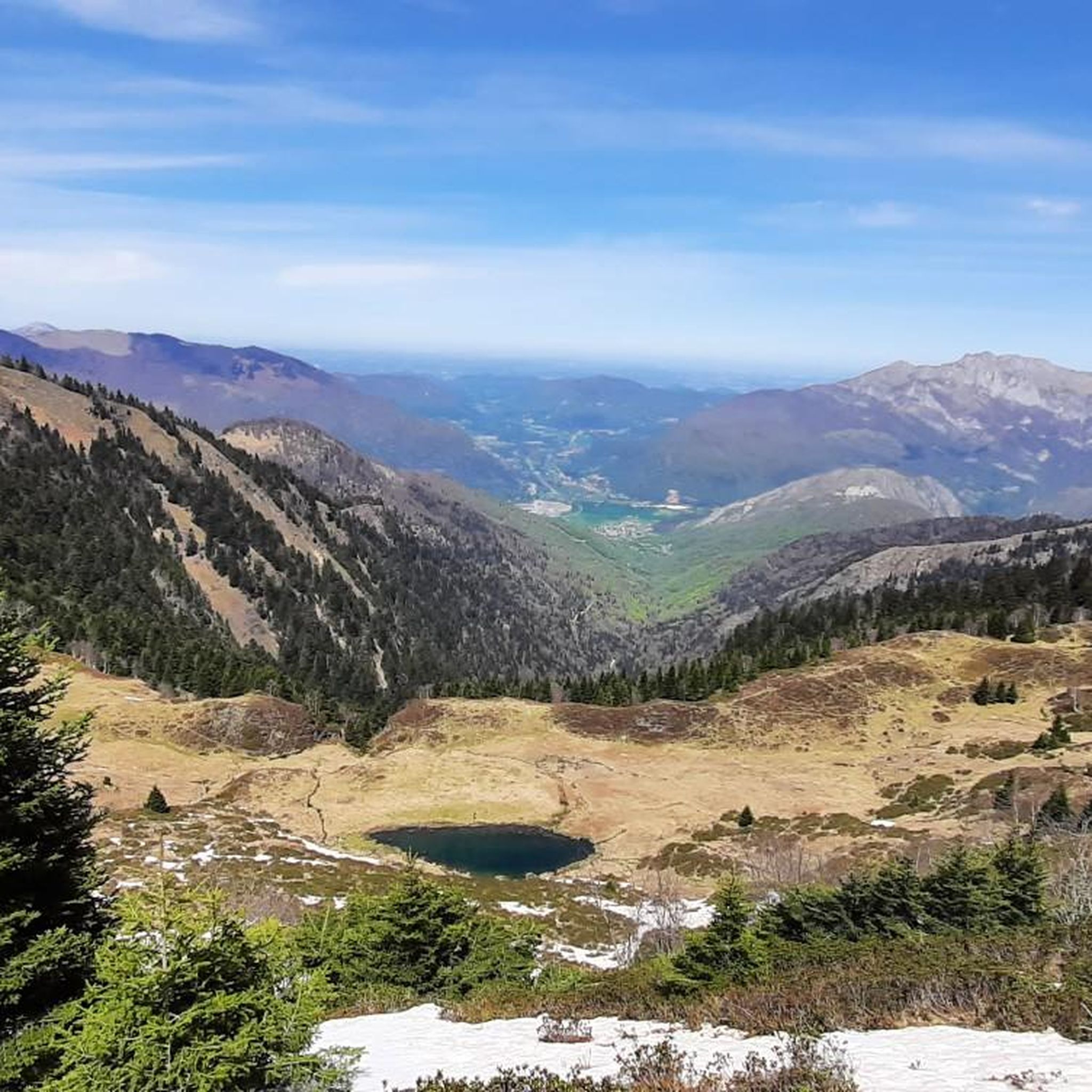

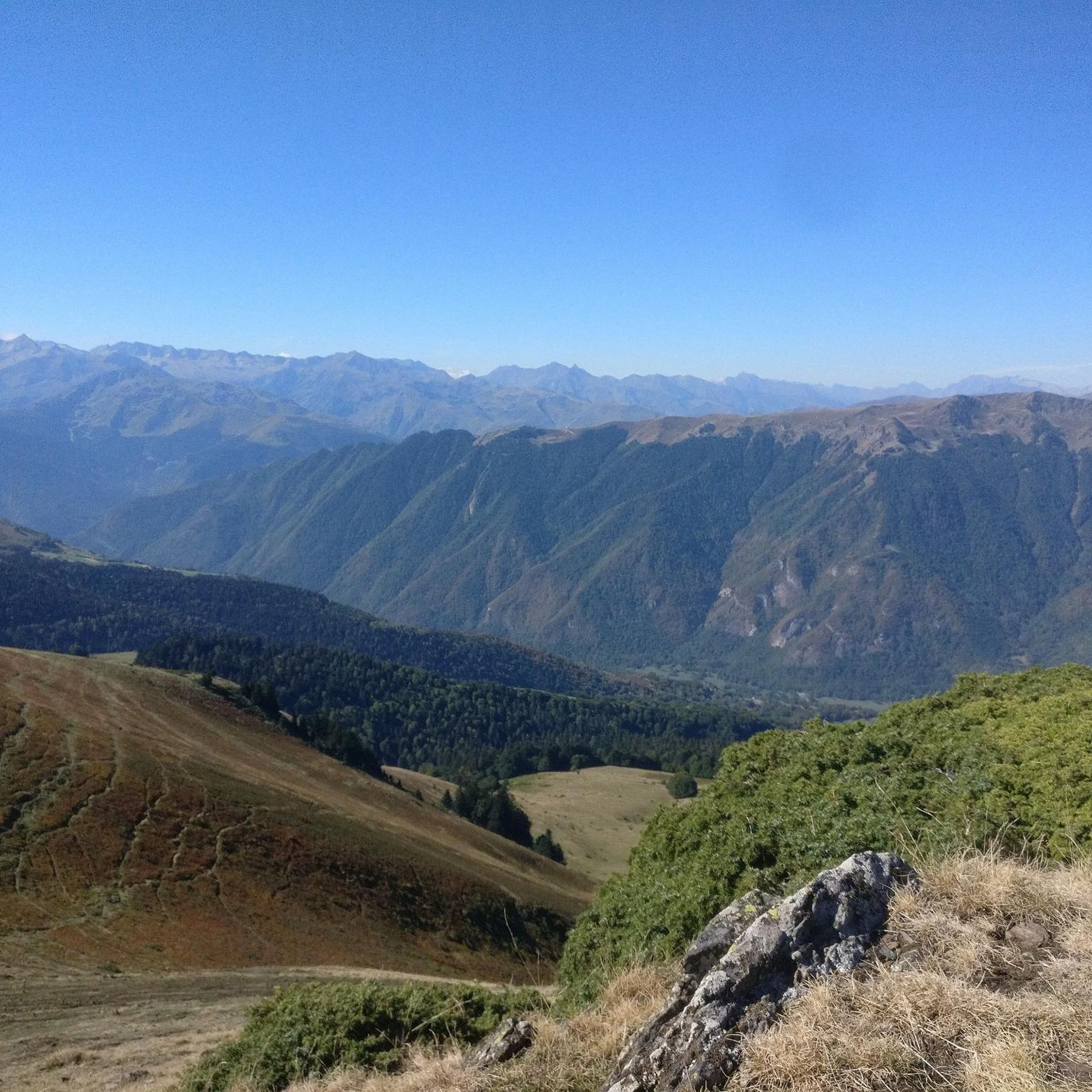

Tips from the Community

This is essentially a 14km clockwise loop. The ascent to the peaks is pretty well marked out although I’d always suggest downloading an offline route map. It’s not particularly technical just some simple clambering over a few steep rocky sections before the 1st col (Teyech). I wouldn’t fancy that rocky section if it’s frozen mind you. After the 2 stunning peaks the rest of the loop is a few kms along the ridge before turning down back through the forest. If it’s snowy, you’ll very easily lose the path (i did a lot) so another good reason to download the route.
0
0

Saint Béat is a very typical French village. The village maintains its architectural style throughout, and it is deeply rooted in the landscape. You can find bars and a few other shops.
0
0

Built in the 12th century by local lords, the fort was enlarged by King Henry IV. It notably features a large keep, as well as a chapel built in the mid-19th century following a plague epidemic. Robert Pujol, who was responsible for its restoration, explains: "Tourists often have the idea of a very vast castle. However, in the Middle Ages, they were very small because they were clinging to eagles' nests." Throughout its history, the castle did not have to fend off invasions, even though it was the scene of regular battles. Its status as a royal town conferred many privileges on Saint-Béat. Two markets were held every month at the foot of the castle, and no taxes were levied there, which suggests that Saint-Béat could be considered the Andorra of this medieval era... It is technically possible to climb to the castle by bicycle via a steep path closed to vehicles by a chain. The road is certainly a little bumpy, but it is doable, and the breathtaking view of the city and the gap formed by the Garonne in the mountain is a just reward.
0
0
It is technically possible to go up to the Château de Saint Béat via a steep path, with a somewhat chaotic surface and closed to vehicles by a chain (be careful on the descent! ...). From there, you can enjoy a breathtaking view of the city and the passage in the mountain carved out by the Garonne. Built in the 12th century by local lords, the fort was enlarged by King Henry IV. It notably presents an important keep, as well as a chapel built in the mid-19th century following a plague epidemic. Robert Pujol, who is behind its restoration, explains: “Tourists most often have the idea of a very vast castle. However, in the Middle Ages, they were very small because they hung on eagles' nests. » The castle has not, in its history, had to repel any invasions, even if it was the scene of regular battles. The status of a royal city conferred many privileges on Saint-Béat. Two markets took place every month at the foot of the castle, and no taxes were levied there, which invites us to consider Saint-Béat as the Andorra of this medieval era...
0
0


The Fos footbridge spans the Garonne, which at this level is still a small bucolic watercourse. What makes the beauty of the place is not really due to the village of Fos itself but more to its protected natural environment. The village is surrounded by Natura 2000 sites and natural areas of ecological, faunal and floristic interest.
1
0

The Col de Caude, accessible from Boutx or Bezins, offers lovely views and provides access to the Pic du Gar to the west and to the Pic de l'Escalette and then to the Pic de Gagire to the east.
0
0

Hòs (official Fos) is a French municipality, located in the Haute-Garonne department and in the Occitanie region.
0
0
Frequently Asked Questions
How many hiking trails are available around Marignac?
There are over 140 hiking trails around Marignac, offering a wide variety of options for different preferences and skill levels. The komoot community has rated these routes highly, with an average score of 4.5 stars.
What kind of landscapes can I expect to see while hiking near Marignac?
Hiking around Marignac offers diverse landscapes, from the majestic Pyrenean peaks and the scenic Garonne valley to tranquil beech forests and ancient chestnut groves. You'll also find unique natural features like the Thuriferous Juniper, a species that recolonized the Pyrenees after glaciation.
Are there options for different hiking skill levels in Marignac?
Yes, Marignac caters to various skill levels. You'll find a good mix of trails, including around 40 easy routes for leisurely walks, 70 moderate paths for those seeking a bit more challenge, and 30 difficult hikes for experienced adventurers looking for significant elevation gains and expansive views.
Can I find trails with waterfalls in the Marignac area?
Yes, the region features natural attractions like the Gouffre de la Saoule, where you can admire its waterfalls. The Gravier Footbridge – Fos on the banks of the Garonne loop from Saint-Béat-Lez, for example, offers a moderate route along the Garonne valley where you might encounter such features.
Are there any historical or cultural trails to explore around Marignac?
Absolutely. A notable historical trail is the Chemin de la Liberté (Freedom Trail) on the slopes of Mont Burat. This 4 km trail features educational panels commemorating those who crossed the Pyrenees during World War II. Other routes might lead you past historical sites like the Donkey Bridge or the 12th-century Templar Saint Paul Chapel.
What notable natural features can be observed on hikes around Marignac?
Beyond the stunning Pyrenean vistas, hikers can discover beautiful beech forests, some of which contain remarkable ancient trees. The mountain of Rié offers trails through ancient chestnut groves. Keep an eye out for the unique Thuriferous Juniper, an ancient tree species that is a significant witness to the region's climatic history.
Are there any specific viewpoints or peaks worth hiking to for panoramic views?
Many trails offer superb panoramas. From elevated points like the Tuc de Pan (1,724 m), you can get exceptional views of the Garonne valley and even the Maladeta Massif. Challenging hikes like the one to Pic de Cagire from Col de Menté reward climbers with 360° views between the plain and the highest peaks of the Pyrenees.
Are there any circular hiking routes available near Marignac?
Yes, many routes in the area are circular, allowing you to start and end at the same point. Examples include the Col de Caube – Pic du Prat Dessus loop from Bezins-Garraux, which offers Pyrenean vistas, and the Gar Peak – Pic Saillant loop from Bezins-Garraux for challenging climbs and expansive views.
What do other hikers enjoy the most about hiking in Marignac?
The area is highly rated by the komoot community, with an average score of 4.5 stars from over 500 reviews. Reviewers often praise the diverse terrain, from challenging mountain ascents to serene valley walks, and the breathtaking Pyrenean vistas. The presence of dense beech forests providing shade is also frequently appreciated.
Are there any specific mountain passes or summits I can visit while hiking?
Yes, the region is home to several notable mountain passes and summits. You can explore areas like Menté Pass or Col des Ares. For those seeking summits, Gar Peak and Pic de Cagire offer rewarding climbs and views.
Can I find shaded trails for hiking during sunny weather?
Many hiking routes around Marignac traverse beautiful beech forests and ancient chestnut groves, providing ample shade. This makes them particularly pleasant for hiking even on sunny days, offering a tranquil and cooler environment.
Most popular attractions around Marignac

Get inspired with the komoot mobile app


Explore more
Browse the best Hikes in other regions.
