The best walks and hikes around Bantheville
4.5
(48)
150
hikers
22
hikes
Hiking around Bantheville offers exploration within the Meuse department, characterized by rolling hills and extensive forests. The region features varied topography, including river valleys and wooded terrain, providing diverse natural settings for outdoor activities. Historical paths, often linked to World War I, also crisscross the landscape, blending natural exploration with historical significance. This area provides opportunities for walks amidst natural features and historical sites.
Best hiking trails around Bantheville
- The most popular hiking route is View of the Countryside –…
Last updated: July 5, 2026
4.4
(7)
17
hikers
12.8km
03:33
210m
210m
Moderate hike. Good fitness required. Easily-accessible paths. Suitable for all skill levels.
4.0
(4)
16
hikers
8.24km
02:14
110m
120m
Moderate hike. Good fitness required. Easily-accessible paths. Suitable for all skill levels.

Sign up for free
4.3
(6)
13
hikers
Moderate hike. Good fitness required. Easily-accessible paths. Suitable for all skill levels.
4.5
(4)
6
hikers
11.7km
03:10
160m
160m
Moderate hike. Good fitness required. Easily-accessible paths. Suitable for all skill levels.
5.0
(1)
5
hikers
3.90km
00:59
10m
10m
Easy hike. Great for any fitness level. Easily-accessible paths. Suitable for all skill levels.
Get access to more routes and recommendations from other explorers.
Sign up for free
Already have an account?
Our route recommendations are based on thousands of hikes, rides, and runs completed by other people on komoot.
Start today with a free account
Your next adventure awaits.
Login or Signup



Tips from the Community

Follow the marking tapes if no signpost is visible.
0
0
Beautiful nature area with lots of wildlife
0
0

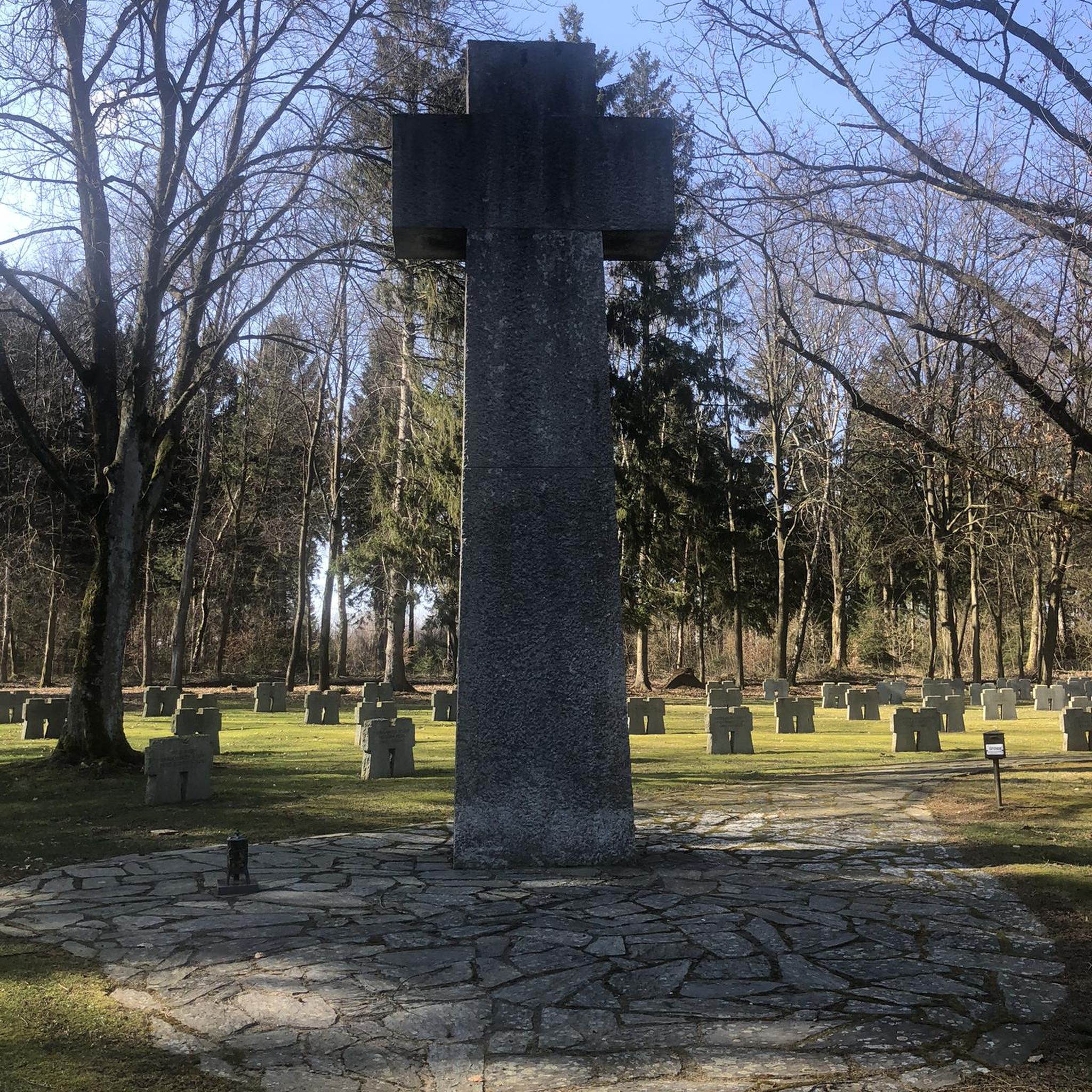
This small German cemetery is in stark contrast to the American one a little further on. The German Military Cemetery in Romagne-sous-Montfaucon, also known as Deutscher Soldatenfriedhof Romagne-sous-Montfaucon and Romagne-sous-Montfaucon Cimetière Militaire Allemand, was established in 1914 at the start of the First World War, but saw its heaviest use during the Battle of Verdun in 1916. The cemetery is located 220 meters north of the village center along the road to Bantheville. It contains 1,407 German and eight French soldiers who fell during the First World War in northwestern France.
6
0
Located within the fortification built from the 10th century overlooking the town, this massive church was built in 1346 by the Lords of Apremont. After centuries of conflict, it remains today the only surviving monument in the upper town. Classified as a historical monument, this jewel of ogival architecture has an organ case and rich 18th century furniture, as well as two masterful sculptures by the contemporary artist Ipoustéguy: the "Death of Bishop Neumann" and the "Christ" . This building is part of the European “Open Churches” network.
5
0
It was built in 1346 in the upper town and has been listed as a monument since 1920. It is in the radiant gothic style. The church contains furniture also classified as a historical monument: a tombstone on the north wall (classified MH in 1913), a wooden organ case from the 17th century, badly damaged during the First World War (classified as M.H. in 1913), an 18th-century wooden altarpiece, located in the Chapel of the Dead in the south wall; a Virgin and Child is set up in the central niche and we also see a pelican opening its belly to feed its young (listed as M.H. in 1913), an 18th century wooden pulpit (classified M.H. in 1936). a marble and bronze sculpture of Ipoustéguy Death of Bishop John Neumann, created in 1976 and installed in 2001.
6
0
It was built in 1346 in the upper town and has been listed as a historical monument since 1920. It is in the Gothic Rayonnant style. The church contains furnishings that are also listed as historical monuments: a tombstone on the north wall (listed as a historic monument in 1913), a wooden organ case from the 17th century, badly damaged during the First World War (listed as a historic monument in 1913), a wooden altarpiece from the 18th century, located in the Chapel of the Dead in the south wall; a Virgin and Child is installed in the central niche and we can also see a pelican opening its belly to feed its young (listed as a historic monument in 1913), a wooden pulpit from the 18th century (listed as a historic monument in 1936). a marble and bronze sculpture by Ipoustéguy Death of Bishop John Neumann, created in 1976 and installed in 2001.
2
0
Frequently Asked Questions
What is the general difficulty of hiking trails around Bantheville?
The hiking trails around Bantheville offer a range of difficulties. You'll find a good mix, with 4 easy routes perfect for a relaxed stroll, 11 moderate routes for those seeking a bit more challenge, and 1 more difficult option for experienced hikers. The varied topography of the Meuse department, with its rolling hills and forests, ensures there's something for every fitness level.
Are there family-friendly hiking trails near Bantheville?
Yes, Bantheville and the surrounding Meuse region offer several family-friendly options. There are 4 easy routes available, which are generally suitable for families with children. These paths often wind through the serene forests and offer a chance to enjoy nature without strenuous climbs. For example, the Deutscher Soldatenfriedhof loop from Apremont is an easy 4.1-mile path that explores historical sites, suitable for a family outing.
Can I bring my dog on hikes around Bantheville?
Generally, dogs are welcome on hiking trails in the Meuse department, especially in natural areas like the Lorraine Regional Natural Park. However, it's always recommended to keep your dog on a leash, particularly in areas with wildlife or near historical sites, and to clean up after them. Specific local regulations might apply in certain protected zones, so always look for signage.
Are there any circular hiking routes around Bantheville?
Yes, many of the trails around Bantheville are designed as circular routes, allowing you to start and end at the same point. For instance, the popular View of the Countryside – Wild Animals loop from Chatel-Chéhéry is a moderate 6.1-mile circular trail. Another option is the Hiking loop from Dun-sur-Meuse, which is a 7.5-mile moderate loop.
What kind of natural features or viewpoints can I expect on hikes near Bantheville?
Hikes near Bantheville offer diverse natural features. You'll encounter rolling hills, extensive forests, and picturesque river valleys characteristic of the Meuse department. While specific viewpoints are not detailed for every route, the region's varied topography, including the Meuse Heights, suggests opportunities for elevated hikes with sweeping vistas. In spring, the mirabelle plum orchards also provide a beautiful and unique seasonal attraction.
What historical landmarks can be explored on trails around Bantheville?
The region around Bantheville is rich in World War I history, and many trails incorporate historical landmarks. You can explore sites like the Meuse-Argonne American Cemetery or the Deutscher Soldatenfriedhof. The Deutscher Soldatenfriedhof loop from Apremont is an easy path specifically designed to explore these historical sites. The broader Meuse region also features numerous well-signposted footpaths that allow visitors to discover architectural treasures and historical sites, including the battlefields of Verdun. For more context on the historical paths, you can refer to Walks of Remembrance on the trails of the Great War.
When is the best time of year to go hiking in Bantheville?
The best time for hiking in Bantheville largely depends on your preferences. Spring (April-May) offers pleasant temperatures and the beautiful sight of mirabelle plum orchards in bloom. Summer (June-August) is ideal for warm weather hiking, with natural shade provided by the extensive forests. Autumn (September-October) brings vibrant fall foliage and cooler, crisp air, perfect for longer excursions. Winters can be cold, but offer a unique, quiet beauty for those prepared for the conditions.
Where can I find parking for hiking trails near Bantheville?
While specific parking details for every trailhead are not always listed, hiking routes in the Meuse department, especially those starting from villages or popular historical sites, generally have designated parking areas. For routes like the View of the Countryside – Wild Animals loop from Chatel-Chéhéry or the Hiking loop from Dun-sur-Meuse, you can typically find parking within or on the outskirts of the starting villages.
Are there cafes or pubs near the hiking routes in Bantheville?
Bantheville is a small commune, but the surrounding villages and towns in the Meuse department offer amenities. You'll find cafes, restaurants, and pubs in larger nearby towns like Dun-sur-Meuse or Romagne-sous-Montfaucon, which are often starting points for some of the hiking routes. It's advisable to check opening hours, especially in smaller villages, and plan accordingly for refreshments before or after your hike.
What do other hikers enjoy most about hiking in Bantheville?
The hiking experience around Bantheville is highly rated by the komoot community, with an average score of 4.4 stars from over 30 reviews. Hikers often praise the region for its blend of natural beauty, including rolling hills and dense forests, and its profound historical significance, particularly the World War I paths. The variety of routes, from easy walks to moderate excursions, is also frequently appreciated.
How many hiking trails are available around Bantheville?
There are over 15 hiking trails available for exploration around Bantheville. These routes vary in length and difficulty, offering diverse experiences from leisurely walks through historical sites to more challenging excursions through the region's varied terrain.
Are there any long-distance hiking trails accessible from Bantheville?
While Bantheville itself is a smaller commune, its location within the Meuse department provides access to parts of the broader Lorraine Regional Natural Park. This park features extensive hiking routes, including sections of 'great hiking trails' (GR5 Mediterranean-Holland) and 'hiking' (GRP between the Cotes de Moselle and the Meuse Hills) trails, offering hundreds of kilometers of groomed paths for walkers. For more information on the regional park's hiking opportunities, you can visit Hiking in Lorraine Regional Natural Park.
What is the terrain like on hikes near Bantheville?
The terrain around Bantheville is characterized by its varied topography. You can expect to encounter rolling hills, extensive wooded areas, and paths that follow river valleys. Some routes may involve gentle ascents and descents, while others, particularly those in the Argonne Forest, will take you through dense woodlands. The historical paths often traverse relatively flat ground but can be uneven in places.
Most popular routes around Bantheville
Most popular attractions around Bantheville

Get inspired with the komoot mobile app


Explore more
Browse the best Hikes in other regions.
