The best cycling routes around Milly-Sur-Bradon
4.3
(144)
865
riders
76
rides
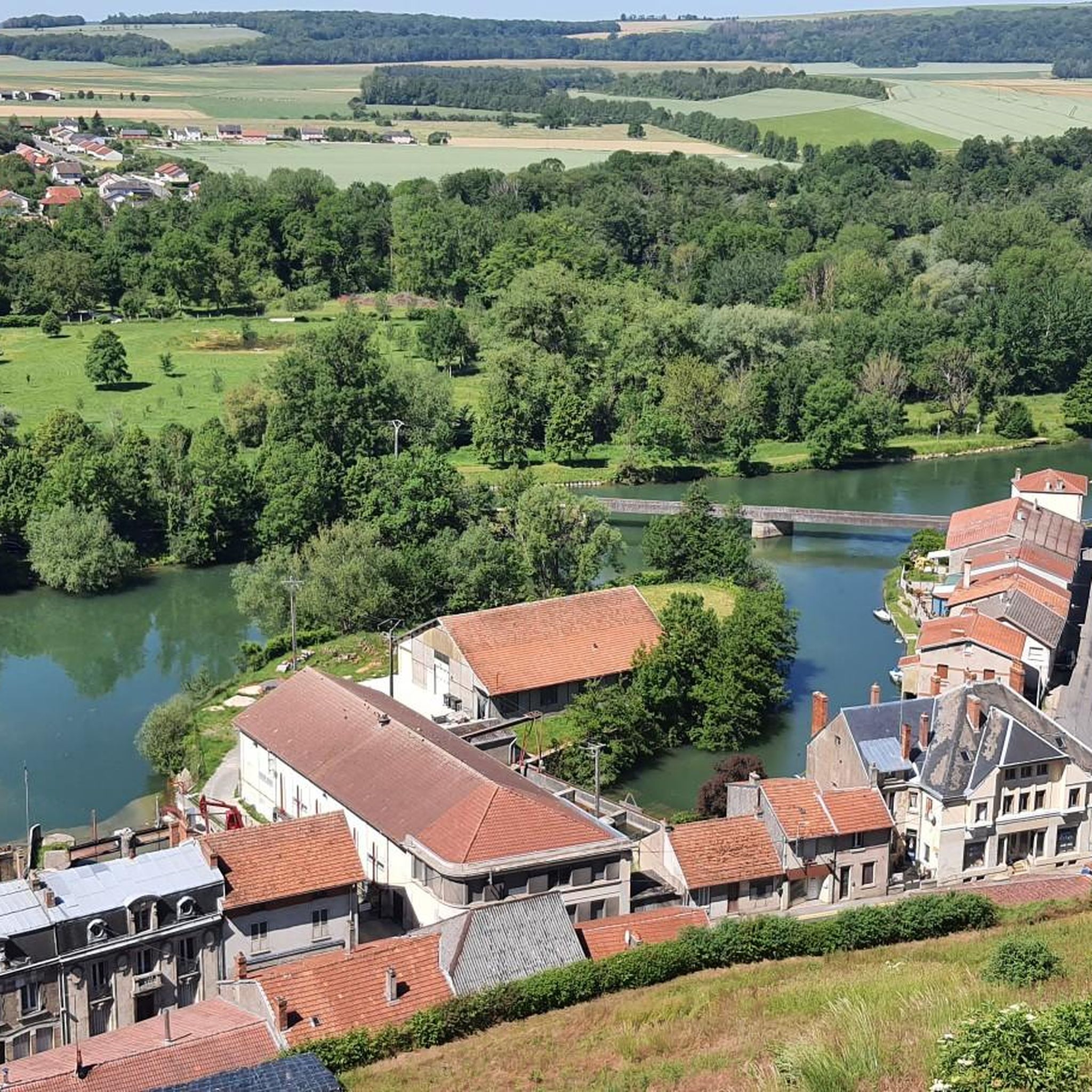
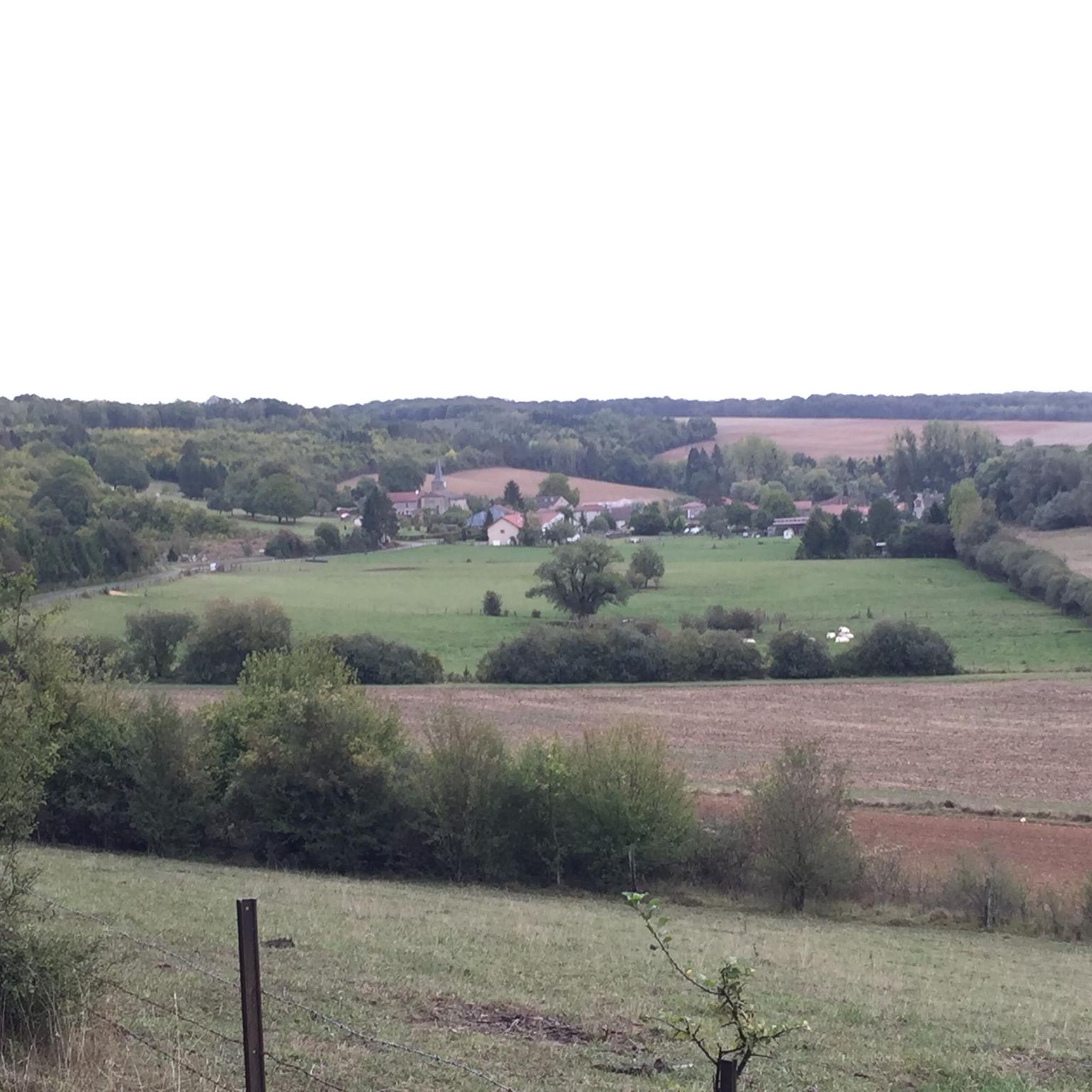
Touring cycling around Milly-Sur-Bradon features routes through the Meuse river valley, characterized by rolling hills and historical landscapes. The region's terrain includes varied elevations, with some routes offering significant climbs. Cyclists can expect to traverse agricultural lands, forested sections, and areas with historical monuments. The Meuse River and its associated cycling routes, such as the EuroVelo 19, provide largely flat and well-signposted options.
Best touring cycling routes around Milly-Sur-Bradon
- The most popular touring cycling route is Mouzon – Sedan loop…
Last updated: October 22, 2026
4.2
(28)
159
riders
160km
09:29
940m
940m
Hard bike ride. Very good fitness required. Mostly paved surfaces.
4.0
(13)
39
riders
39.9km
02:20
200m
200m
Moderate bike ride. Good fitness required. Mostly paved surfaces.

3.4
(5)
41
riders
56.8km
03:25
300m
300m
Moderate bike ride. Good fitness required. Mostly paved surfaces.
4.7
(3)
30
riders
80.2km
04:50
590m
590m
Hard bike ride. Very good fitness required. Mostly paved surfaces.
4.7
(3)
18
riders
173km
10:16
990m
990m
Hard bike ride. Very good fitness required. Mostly paved surfaces.
Get access to more routes and recommendations from other explorers.
Already have an account?
Our route recommendations are based on thousands of hikes, rides, and runs completed by other people on komoot.
Start today with a free account
Your next adventure awaits.


Tips from the Community

Opposite the museum is a B&B: Moulin le Cygne. This is an excellent place to stay overnight. Both regarding the apartments and the very extensive breakfast. Moreover, the owners are very cordial.
0
0

It is nice to see that the water level of the canal is much higher than the water level of the stream.
8
0

This is one of the few places to stop for refreshments along this section of the Trans-Ardennes cycle route, close to the Meuse River. Friendly staff.
1
0
Located near the Porte Chaussée and the Verdun War Memorial, this contemporary metal sculpture was designed by the artist Jean-No and created by students from the Lycée Professionnel Eugène Freyssinet. Created to mark the centenary of the Battle of Verdun, it symbolises the living memory of the conflict. The installation connects the past and the future through education and art.
8
0
Inaugurated in 1928, this war memorial in Verdun honours the city’s inhabitants who died for France in both world wars. It was built on the remains of a military butcher’s shop, on the crescent of the Chaussée, a 17th-century fortification. The sculpture depicts five soldiers – a cavalier, an engineer, an infantryman (poilu), an artilleryman and a territorial – forming a symbolic wall under the motto of Verdun: “On ne passe pas”.
8
0
Among the thousands of fallen soldiers who rest here is Caporal Louis Micol, a soldier of the 19th Battalion of Chasseurs à Pied. He was not only a soldier, but also the founder of one of the first French front newspapers: Le Son du Cor, a trench newspaper written by and for soldiers. Micol died on 18 September 1915 in Brabant-en-Argonne and is buried in grave no. 390. His story is a reminder that even in the midst of the violence of war, soldiers sought ways to make their voices heard, share experiences and preserve their humanity.
7
2
Military cemetery created in 1916 during the Battle of Verdun. It contains the remains of 6,537 French soldiers, including 2,000 in ossuaries. Most of them died in 1916 on the right bank of the Meuse, near strategic points such as Côte 344 and Thiaumont. In 1961, 151 soldiers who died in the Second World War were also buried there. The necropolis covers 3.2 hectares and was set up between 1919 and 1934
7
2

The national necropolis of Bras-sur-Meuse contains the remains of 6,537 soldiers who died for France. During the First World War, 6,386 French soldiers were gathered here, 2,000 of whom are in two ossuaries. It was created in 1916 during the Battle of Verdun (February-November 1916) and was gradually expanded from 1919 to 1934. It is a cemetery for the regrouping of bodies exhumed from military cemeteries on the right bank of the Meuse, in particular those of soldiers who died in the first aid post or in the ambulances stationed at La Fourche, the crossroads of the roads to Louvemont and Douaumont. The ossuaries contain the remains of unknown and unidentified soldiers who fell on hill 344, Haudromont, Froideterre, Cote du Poivre, Thiaumont, Louvemont, etc. In 1961, the remains of 151 soldiers who died during the fighting in June 1940 and were buried in various villages along the Meuse during the Second World War were collected here. Among the soldiers is Corporal Louis Micol, of the 19th Chasseurs Battalion, founder of one of the first newspapers on the front, Le son du cor , a trench newspaper of the chasseurs, who died in Brabant on 18 September 1915 (grave no. 390). Want to know more? Click on https://www.cheminsdememoire.gouv.fr/fr/bras-sur-meuse
5
2
Frequently Asked Questions
How many touring cycling routes are available around Milly-Sur-Bradon?
There are over 70 touring cycling routes in the Milly-Sur-Bradon area. These routes traverse the Meuse river valley, offering a mix of rolling hills, agricultural lands, and forested sections.
What kind of difficulty levels can I expect for touring cycling routes in Milly-Sur-Bradon?
The routes around Milly-Sur-Bradon cater to various skill levels. You'll find 7 easy routes, 43 moderate routes, and 25 difficult routes. The terrain includes varied elevations, with some routes featuring significant climbs through the rolling hills of the Meuse river valley.
Are there any family-friendly or beginner touring cycling routes in the Milly-Sur-Bradon area?
Yes, there are several options suitable for families or beginners. The region offers 7 easy routes. A good moderate option is the Murvaux – Pershing Bridge of Dun-sur-Meuse loop from Liny-devant-Dun, which is about 19.8 miles (31.8 km) and takes around 2 hours to complete, leading through local countryside.
Where can I find more challenging touring cycling routes around Milly-Sur-Bradon?
For experienced touring cyclists seeking a challenge, Milly-Sur-Bradon offers 25 difficult routes. One such route is the Mouzon – Sedan loop from Dun-sur-Meuse, a substantial 110.2 miles (177.4 km) trail with over 4,130 feet (1,259 meters) of elevation gain, typically taking over 10 hours.
Are there touring cycling routes that are circular in Milly-Sur-Bradon?
Yes, many of the touring cycling routes in the area are designed as loops, allowing you to start and finish in the same location. For example, the View of Dun-sur-Meuse – World War I Memorial loop from Dun-sur-Meuse is a moderate 30.3 miles (48.7 km) circular path that offers historical insights.
What historical sites or landmarks can I see along the touring cycling routes?
The region is rich in history, particularly related to World War I. Along the routes, you can encounter sites like the Pershing Bridge of Dun-sur-Meuse and various World War I memorials. The Meuse-Argonne American Cemetery is also a significant nearby attraction.
What do other touring cyclists enjoy the most about touring cycling in Milly-Sur-Bradon?
The touring cycling routes in Milly-Sur-Bradon are highly rated by the komoot community, with an average score of 4.3 stars from over 100 reviews. Cyclists often praise the diverse terrain, which includes scenic river valleys, rolling hills, and the opportunity to explore historical sites.
What is the best time of year to go touring cycling in Milly-Sur-Bradon?
The best time for touring cycling in Milly-Sur-Bradon is generally from spring through autumn (April to October). During these months, the weather is typically milder and more conducive to longer rides, allowing you to fully enjoy the agricultural lands and forested sections.
Are there any routes that focus on historical memorials?
Yes, the region has a strong connection to historical events. The Mouzon – Verdun Memorials and Monuments loop from Murvaux is a difficult 99-mile (159.4 km) route specifically designed to take you past numerous Verdun memorials and monuments, offering a poignant journey through history.
Are there any routes that offer views of the Meuse river?
Given its location in the Meuse river valley, many routes offer glimpses of the river. The View of Dun-sur-Meuse – World War I Memorial loop from Dun-sur-Meuse provides excellent views of Dun-sur-Meuse, which is situated along the Meuse river.
What kind of terrain should I expect on the touring cycling routes?
You can expect a varied terrain around Milly-Sur-Bradon. Routes often feature rolling hills, agricultural lands, and forested sections. While some paths are relatively flat, many include varied elevations and significant climbs, especially on the more difficult routes.
Most popular routes around Milly-Sur-Bradon
Most popular attractions around Milly-Sur-Bradon

Get inspired with the komoot mobile app


Explore more
Browse the best Cycling routes in other regions.
