Attractions and Places To See around Fameck - Top 20
Best attractions and places to see around Fameck include a blend of historical sites, cultural points, and natural spaces. Located in the Moselle department of the Grand Est region of France, Fameck is situated in the Fensch Valley, near Thionville and the French-Luxembourg border. The area features a rich architectural heritage and offers opportunities to explore the surrounding natural landscape. Visitors can find landmarks, green spaces, and cultural events.
Best attractions and places to see around Fameck
- The most popular…
Last updated: October 9, 2026
Charles le Téméraire cycle route
Highlight (Segment) • Cycleway
Translated by Google •
Tip by

U4 - Blast Furnace Park (Uckange)
Highlight • Other
Translated by Google •
Tip by
Sign up now to discover places like this
Get recommendations on the best single tracks, peaks, & plenty of other exciting outdoor places.
Thionville
Highlight • Other
Thionville (German: Diedenhofen) is located in northeastern France, not far from the borders with Germany and Luxembourg. The city …
Translated by Google •
Tip by

Fort de Guentrange
Highlight • Other
Tip by

The Pilgrims' Cross
Highlight • Religious Site
Translated by Google •
Tip by

Sign up for free to discover even more attractions around Fameck.
Already have an account?
Start today with a free account
Your next adventure awaits.
Tips from the Community

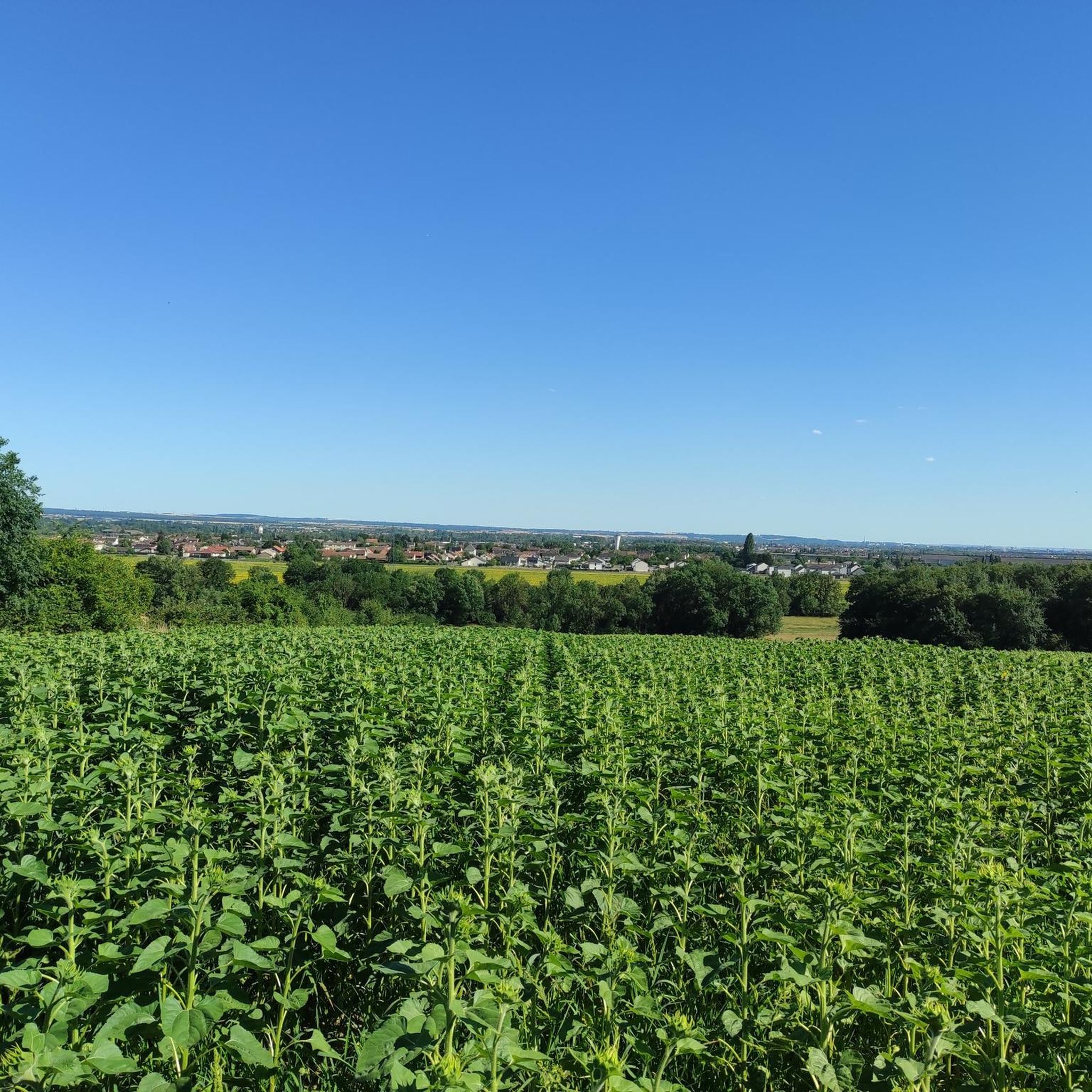
hochofenanlage in uckanade an der mosel
0
0

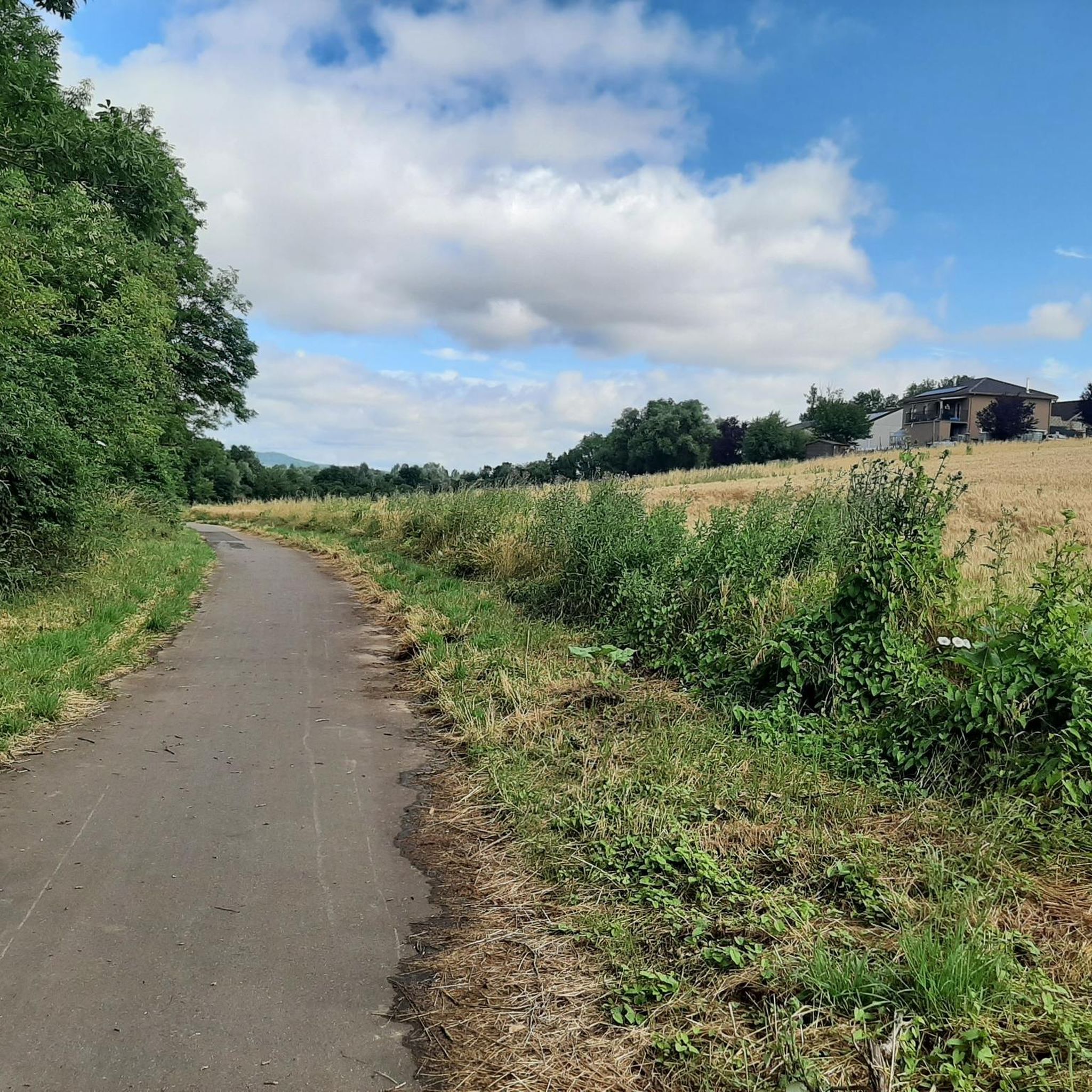
Really fantastic cycle path
0
0

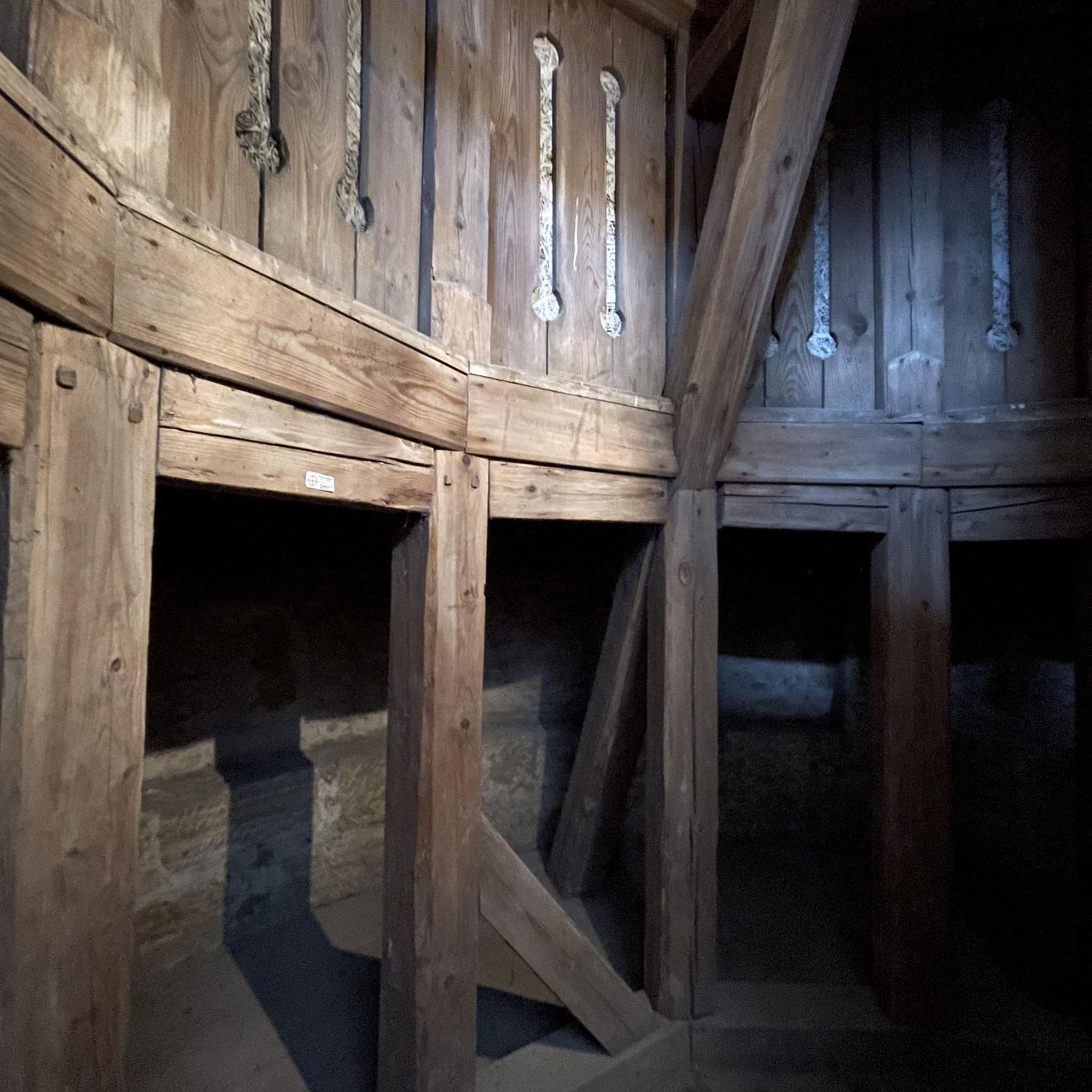
🛡️ **Fort de Guentrange – German Fortification above Thionville** The **Fort de Guentrange** was built between 1899 and 1906 by the German Reich Army when Thionville (then Diedenhofen) was part of the German Empire. It is one of the best-preserved forts along the Moselle River and part of the so-called **Moselstellung** – a defensive line against France. 🔩 The fortress is strategically located above the town, overlooking the Moselle Valley. It consists of underground passages, casemates, ammunition depots, and observation towers – some still with their original furnishings. 🎖️ Today, the fort is a museum (accessible only with a guided tour) and offers fascinating insights into military technology, the daily lives of soldiers, and European border history. **Tip:** Tours usually take place on Sundays – check in advance! The path to the fort already offers great views and is a good hiking stage with a historical destination.
3
0
🏰 Thionville – A Border Town with History on the Moselle Thionville (German: Diedenhofen) is located in northeastern France, not far from the borders with Germany and Luxembourg. The city looks back on a turbulent past – between the Romans, the Lorrainers, the Prussians, and the French. Numerous buildings still bear witness to this turbulent history: the medieval fortress, the Tour aux Puces (a former keep, now a museum), and the neoclassical buildings in the city center. 🚶♂️ Thionville is a starting point for exploring the Moselle Valley, visiting castles like the Château de Malbrouck, or natural sites like the Stromberg with its caves and rock formations. 🛤️ Due to its location on the Moselle River and its proximity to Luxembourg, Thionville is also an important transportation hub today – but as soon as you leave the city, you're immersed in a tranquil, green landscape full of cultural and historical discoveries.
3
0
✝️ Pilgrim's Cross near Thionville (1721) An impressive wayside cross from 1721 – simple yet powerful, framed by an ornately wrought iron railing. It stands on a small hill overlooking the hilly landscape near Thionville and invites you to pause for a moment – in keeping with the ancient pilgrimage tradition. Tip: Come early in the morning – then the cross lies still in the light, and the place exudes a special sense of tranquility. Ideal for a quiet moment on your route through Grand Est.
1
0

The Voie Bleue runs from the fortified town of Thionville, with its two lock bridges, true masterpieces of military architecture, along the port of Illange, the first river port for metallurgical products, passing by its industrial heritage and the former U4 blast furnace, one of the few buildings of the 20th century steel industry that is now a cultural and historical centre. Just before Metz, the cycle path crosses a beautiful wetland with idyllic ponds. Take the opportunity of your stay in the Lorraine capital to stroll through the old town: the Saint-Etienne Cathedral and the Pompidou-Metz Centre for Contemporary Art are two must-sees.
5
0

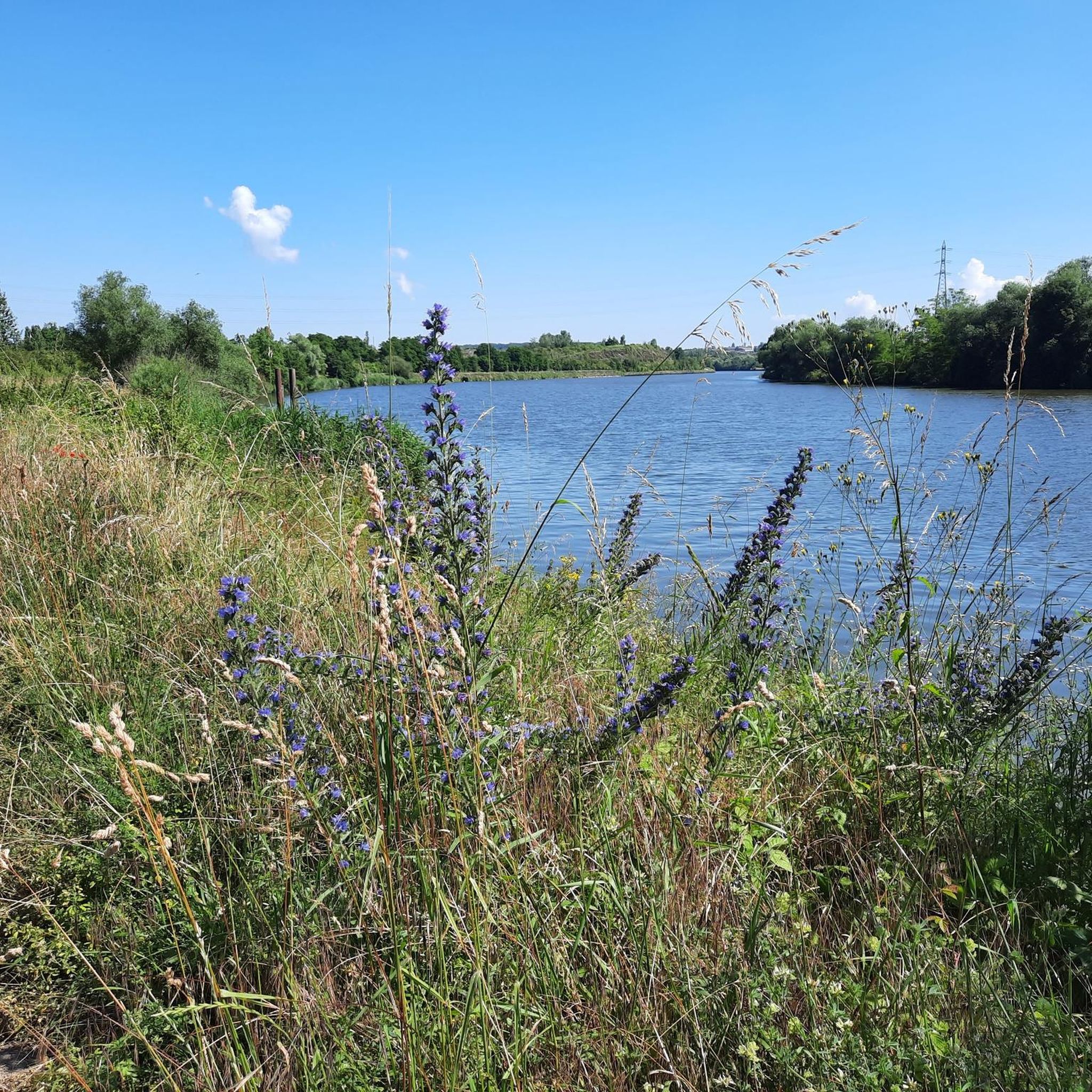
Here, we pass over the canalized Moselle, it's really pleasant.
1
0

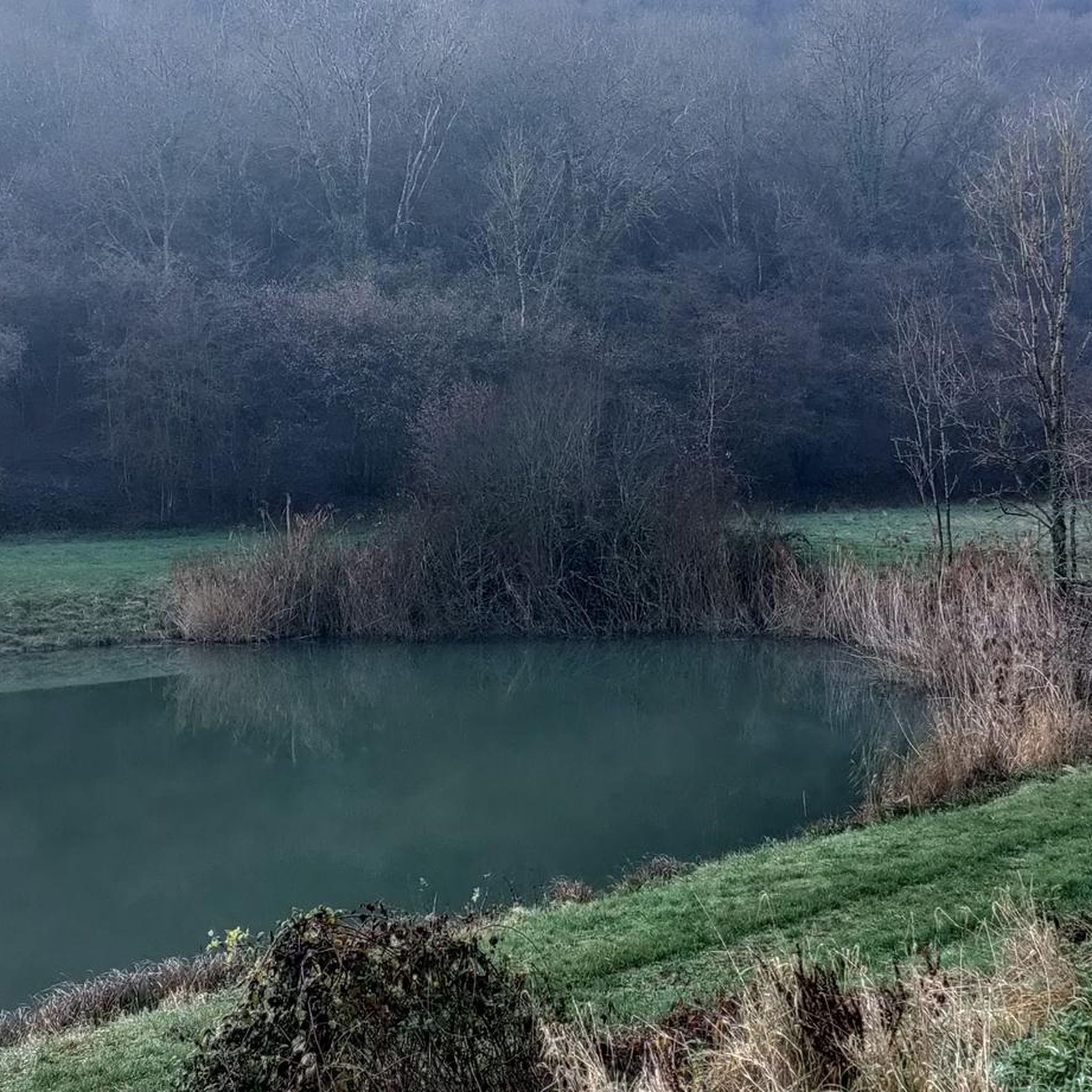
beautiful rosel section
1
0
Frequently Asked Questions
What historical sites can I visit in and around Fameck?
Fameck and its surroundings are rich in history. You can explore various religious architectural sites such as the Church of Saint-Nicolas (dating back to the 11th century), the Church of Saint-Martin in Old Fameck with its 15th-century choir, and the early 19th-century Chapel Sainte-Anne in Budange. Additionally, the Chapel Saint-Nicolas de Morlange offers a glimpse into local religious heritage. Beyond religious sites, you can visit the 18th-century Old Rémelange Castle, or the impressive Fort de Guentrange near Thionville, a well-preserved German fortification that became part of the Maginot line. Don't miss the Pilgrims' Cross, an impressive wayside cross from 1721 near Thionville.
Are there any natural attractions or green spaces in Fameck?
Yes, Fameck is situated in the scenic Fensch Valley, offering natural surroundings close to Thionville and the French-Luxembourg border. The town features a municipal park and other green spaces perfect for walks, play areas, and sports. The wider area includes the Morlange coast, plateaus, forests, and the Moselle cuesta nature, providing ample opportunities for hiking and enjoying the outdoors.
What kind of outdoor activities can I do near Fameck?
The region around Fameck is excellent for various outdoor activities, especially cycling and mountain biking. You can enjoy the Charles le Téméraire cycle route, a safe path along the Moselle canal between Metz and Thionville. For more specific routes, explore the many options available:
- For road cycling, check out the Road Cycling Routes around Fameck, with options like the 'Speed on the Moselle Cycle Route' or the 'Uckange Blast Furnaces loop from Fameck'.
- Mountain bikers can find trails in the MTB Trails around Fameck, including 'Bibi's Forest Corner loop' and 'Forest Trail loop'.
- Gravel biking enthusiasts can discover routes like the 'Moselle Cycle Route – Charles le Téméraire cycle route loop from Thionville' in the Gravel biking around Fameck guide.
What are some family-friendly attractions or activities in the area?
Families visiting Fameck can enjoy several options. The municipal park and other green spaces in town offer play areas and sports activities. The Charles le Téméraire cycle route is a family-friendly cycle path. Additionally, the Parc en Fête, held at the end of August, offers inflatable structures and children's entertainment. The Pilgrims' Cross is also listed as a family-friendly historical site for a quiet moment.
Are there any unique cultural experiences or events in Fameck?
Fameck hosts a vibrant array of cultural events and local traditions. You can experience the local atmosphere at the market held every Saturday morning, or the traditional Christmas market at the end of the year. Annual festivals include the Saint John celebration in June, fireworks and a popular ball for the national holiday on July 14, Budange en Fête in late July with fireworks and a funfair, and the Sports Festival in September. Fameck is also known for its Arab Film Festival in October.
What is the U4 - Blast Furnace Park and why is it significant?
The U4 - Blast Furnace Park (Uckange) is a highly significant historical monument located just a few kilometers from Fameck. It is the last of the four blast furnaces of the Uckange metallurgical plant, saved and listed as a historical monument. This site symbolizes the powerful steel industry of the Fenschtal region and offers guided tours to explore the history of the French steel industry. It's a unique opportunity to witness industrial heritage.
What can I see and do in the nearby town of Thionville?
Thionville is a border town with a rich historical past, located not far from Fameck. Visitors can explore its medieval fortress, the Tour aux Puces museum (a former keep), and the neoclassical buildings in the city center. Thionville also serves as a starting point for exploring the Moselle Valley, visiting castles like the Château de Malbrouck, or natural sites such as the Stromberg with its caves and rock formations.
Are there any art installations or contemporary cultural points in Fameck?
Yes, Fameck features contemporary art with frescoes by Greg Gawra, an artist who has been illustrating the walls of neighborhoods in the Fensch valley for twenty years, with notable works in Budange. The Cité Social Victor Hugo also serves as a performance hall and a significant local point of interest, contributing to the town's dynamic cultural life.
What are some lesser-known historical elements to look out for in Fameck?
Beyond the major landmarks, Fameck's hamlets are dotted with charming historical elements. Visitors can admire several old wash houses, crosses, and crucifixes scattered throughout the area. These smaller, often overlooked structures offer a glimpse into the daily life and religious traditions of past centuries.
What is the best time of year to visit Fameck for outdoor activities and events?
The warmer months, from late spring to early autumn, are generally ideal for outdoor activities in Fameck, allowing visitors to fully enjoy the cycling routes, green spaces, and natural features. This period also coincides with many of Fameck's annual festivals, such as the Saint John celebration in June, Budange en Fête in late July, and Parc en Fête in late August, offering a lively cultural experience alongside outdoor pursuits.
How can I explore the Moselle Valley by bike from Fameck?
You can easily explore the Moselle Valley by bike from Fameck. The Charles le Téméraire cycle route is a popular choice, following the Moselle canal between Metz and Thionville, offering a safe and scenic ride. This route is part of a larger network, and you can find detailed road cycling and gravel biking routes in the Road Cycling Routes around Fameck and Gravel biking around Fameck guides, which include loops that take you through the valley and past various points of interest.

Get inspired with the komoot mobile app


Explore more
Still not found the Highlight you’re looking for? See guides of the top attractions in other regions:
