Attractions and Places To See around Cour-L'Évêque - Top 13
Best attractions and places to see around Cour-L'Évêque, a village located within the National Forest Park in the Haute-Marne department of France, offer a blend of natural beauty and historical sites. The Aujon River flows through the village, contributing to its scenic charm. Visitors can explore the surrounding lush forests and discover various cultural and historical points of interest. This region provides opportunities for exploring both its natural landscapes and its past.
Best attractions and places to see around Cour-L'Évêque
…Last updated: June 23, 2026
Étufs Waterfalls
Highlight • Waterfall
Translated by Google •
Tip by

Mormant Abbey
Highlight • Religious Site
Translated by Google •
Tip by

Sign up now to discover places like this
Get recommendations on the best single tracks, peaks, & plenty of other exciting outdoor places.
Sign up for free
Châteauvillain
Highlight • Other
Translated by Google •
Tip by

Arc-en-Barrois
Highlight • Forest
Translated by Google •
Tip by
Richebourg
Highlight • Other
Translated by Google •
Tip by
Sign up for free to discover even more attractions around Cour-L'Évêque.
Sign up for free
Already have an account?
Start today with a free account
Your next adventure awaits.
Login or Signup



Tips from the Community

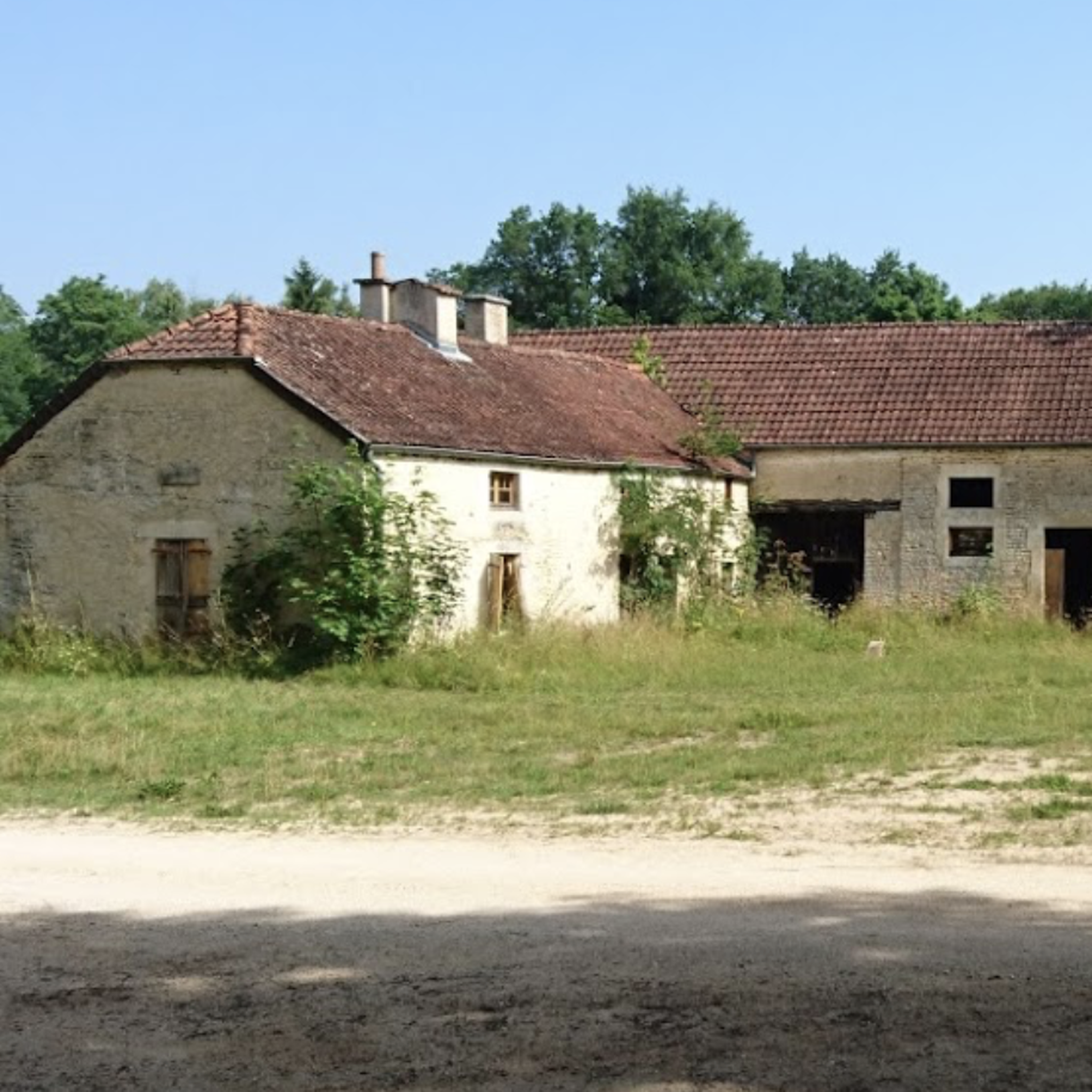
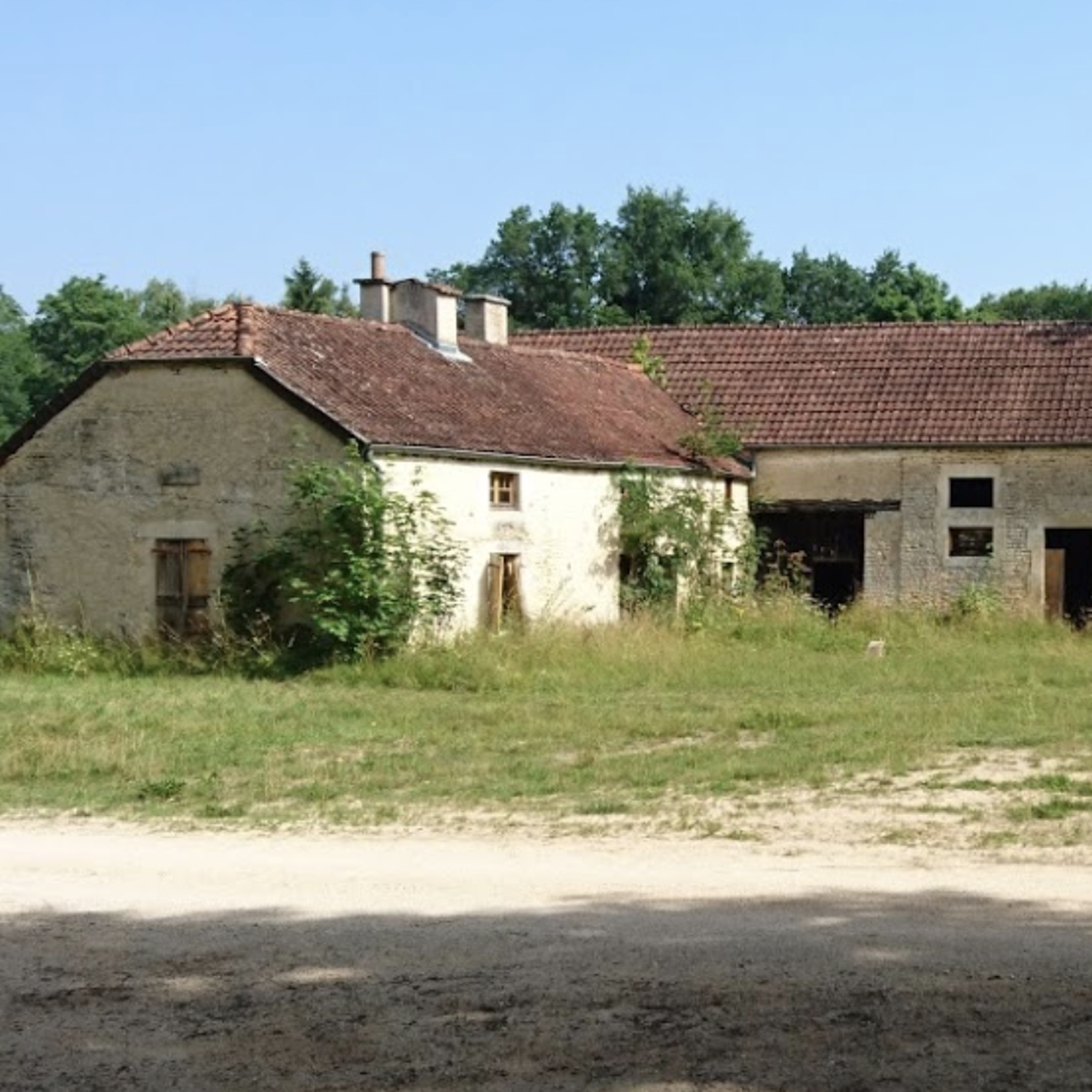
The Abbaye de Mormant is a former commandery of the Knights Hospitaller, located between the villages of Richebourg and Leffonds, in the Haute-Marne, France. The commandery was founded in 1120 as a hospital for pilgrims and the poor, under the direction of the Augustinians. In 1225, the commandery was transferred to the Knights Hospitaller, who turned it into an agricultural centre. The commandery consists of several buildings, including a chapel, an infirmary, a refectory, a barn and a tower. The commandery has been a historical monument since 1989 and can be visited by appointment with the association L’Abbaye de Mormant Revivra.
7
0
Richebourg is a commune in the Haute-Marne department in France. It is a picturesque village that forms part of the route of the Via Francigena, a historic pilgrimage route that runs from Canterbury to Rome. The segment of the Via Francigena that passes through Richebourg is known as one of the most scenic and historic sections of the route. It offers a mix of forests, open fields and historical sites.
6
0
The Église Saint-Nicolas in Richebourg is a church building in Haute-Marne. The church is dedicated to Saint Nicholas, the patron saint of sailors, children and merchants. The church dates from the 12th century and has a Romanesque style with a square tower and a semicircular apse. The church has been a historical monument since 1925 and contains a number of works of art, such as a 16th-century painting of Saint Nicholas, a 17th-century organ and an 18th-century altar. The church can be visited by appointment with the municipality of Richebourg. The vitraux de l'église sont l'œuvre de Calixte Poupart.
6
0


Mormant Abbey is located in the commune of Leffonds, in the department of Haute-Marne, 25 kilometers from Langres. It was founded at the beginning of the 12th century and occupied then by Augustinian monks. Isolated on a plateau, it borders a busy path corresponding to the ancient Roman road linking Boulogne-sur-Mer, Lyon and Milan: the Via Agrippa. For this reason, unlike most abbeys, the monastery is open to the outside world and functions as a hospital and relay station.
0
0

The Cascades d'Étufs are a natural site presenting a series of waterfalls formed by a limestone spring which deposits a porous rock called tuff. The waterfalls are located on private property, but you can access them by a 10-minute walk from a parking lot. Along the way, you can admire the lush vegetation and the stream which flows into the Aube. The best time to visit is winter or early spring, when the water flow is abundant and the waterfalls are more impressive.
2
0

A beautiful old village with a very quiet campsite and lots of nature all around. To discover for yourself. Very nice to cycle along the little river L'Aujon, in the national park - core zone only on foot.
2
0

Mormant Abbey was founded at the beginning of the 12th century and then inhabited by Augustinian monks. Isolated on a plateau, it borders a very busy path that corresponds to the ancient Roman road that linked Boulogne-sur-Mer, Lyon and Milan: the Via Agrippa. For this reason, unlike most abbeys, the monastery is open to the outside world and functioned as a hospital and relay. Over time, the first religious gave way to the Templars, then to the soldier-monks of the Hospitallers of Saint John of Jerusalem and finally to the Knights of Malta. The latter converted the site into an agricultural property before the revolution, after which the abbey was demolished. However, the abbey's fame remained and symbolizes the history of the “hospitals” on the Way in France. Nowadays, several sober buildings remain, such as the 11th century refectory, the tithe barn (where the harvests that served as taxes in kind were stored), parts of the city wall, wall frescoes. Source: https://www.france-voyage.com/frankreich-stadte/leffonds-18877/abtei-mormant-13976.htm
3
0
Frequently Asked Questions
What natural attractions can I explore near Cour-L'Évêque?
The area around Cour-L'Évêque is rich in natural beauty. You can visit the Étufs Waterfalls, a series of waterfalls formed by a limestone spring, accessible via a short walk. The village itself is nestled within the National Forest Park, offering lush forests and the scenic Aujon River. The national forest near Arc-en-Barrois is also one of the largest in France, perfect for nature lovers.
What historical and cultural sites are worth visiting in the area?
Cour-L'Évêque boasts a neo-Gothic church, a traditional lavoir repurposed as a reading space, and a historical tourist circuit with 12 panels detailing the village's past. Nearby, you can explore Mormant Abbey, a 12th-century religious building that served as a hospital and relay on the ancient Via Agrippa. The former fortified village of Châteauvillain also offers historical charm and the Church of Our Lady of the Assumption.
Are there family-friendly attractions or activities in the Cour-L'Évêque area?
Families can enjoy exploring the natural surroundings, such as the Étufs Waterfalls, which are accessible by a 10-minute walk. The large, shaded public square in Cour-L'Évêque with a picnic area is also ideal for relaxation. The deer park in Châteauvillain, spanning over 270 hectares, can be an interesting visit for families.
What outdoor activities and trails are available near Cour-L'Évêque?
The region is excellent for outdoor enthusiasts. You can find numerous hiking, cycling, and equestrian trails within the National Forest Park. For specific routes, consider the gravel biking trails around Cour-L'Évêque, such as the 'Arc-en-Barrois – Châteauvillain loop' or the 'Richebourg – Arc-en-Barrois loop'. There are also running trails and road cycling routes available. You can find more details on these activities on the respective guide pages: Gravel biking around Cour-L'Évêque, Running Trails around Cour-L'Évêque, and Road Cycling Routes around Cour-L'Évêque.
When is the best time to visit Cour-L'Évêque for outdoor activities?
For outdoor activities like visiting the Étufs Waterfalls, winter or early spring are recommended when the water flow is most abundant and impressive. Generally, spring and autumn offer pleasant temperatures for hiking and cycling through the National Forest Park. Summer is also suitable, especially with the shaded areas available.
Are there any recommended activities for visiting Cour-L'Évêque during winter?
During winter, the Étufs Waterfalls are particularly impressive due to abundant water flow. The surrounding forests of the National Forest Park also offer tranquil winter walks. The village's historical sites, such as the neo-Gothic church and the historical circuit, can be explored year-round.
What are some charming nearby villages or towns to explore?
Beyond Cour-L'Évêque, you can visit Châteauvillain, a former fortified village with a rich history. Arc-en-Barrois is another picturesque village known for its national forest. Further afield, the historic town of Langres, with its impressive ramparts, and Châtillon-sur-Seine, with its medieval center, are within a short drive.
Is Cour-L'Évêque a good spot for stargazing?
Yes, Cour-L'Évêque has received the 'Villes et villages étoilés' (Starred Towns and Villages) label, recognizing its commitment to preserving the quality of its night sky. This makes it an excellent location for stargazing and enjoying celestial observations away from light pollution.
What is the significance of <a href="https://www.komoot.com/highlight/4826424" target="_blank" rel="noopener">Mormant Abbey</a>?
Mormant Abbey, founded in the early 12th century, was initially an Augustinian monastery. Its unique location on the ancient Roman road, Via Agrippa, meant it functioned as a hospital and relay station, open to the outside world. It later passed to the Knights Templar and Hospitaller, and today, several sober buildings like the 11th-century refectory and tithe barn remain, symbolizing its rich history.
Are there any monuments or memorials in the area?
Yes, the village cemetery houses a monument dedicated to soldiers lost in World War I. Additionally, a stele in the nearby forest commemorates the crew of a Lancaster bomber that crashed in July 1944 during World War II, accessible via a pleasant forest walk.
Where can I find refreshments or dining options after exploring?
For cultural entertainment and refreshments, 'Le Bal du Père Bichot' is a café-concert in the village that opens on weekends, offering musical evenings. The village also has a large, shaded public square with a picnic area, ideal for outdoor meals.
What makes <a href="https://www.komoot.com/highlight/4055732" target="_blank" rel="noopener">Châteauvillain</a> a unique place to visit?
Châteauvillain is a former fortified village known for its historical significance and its vast deer park, which spans over 270 hectares. The village also features the magnificent Church of Our Lady of the Assumption and a local museum housed in the Château de Châteauvillain, offering insights into the town's heritage.
What is the <a href="https://www.komoot.com/highlight/6932347" target="_blank" rel="noopener">Église Saint-Nicolas in Richebourg</a>?
The Église Saint-Nicolas in Richebourg is a 12th-century Romanesque church dedicated to Saint Nicholas. It features a square tower and a semicircular apse and has been a historical monument since 1925. The church contains various works of art, including a 16th-century painting and an 18th-century altar. Richebourg itself is a picturesque village along the historic Via Francigena pilgrimage route.

Get inspired with the komoot mobile app


Explore more
Still not found the Highlight you’re looking for? See guides of the top attractions in other regions:
