The best cycling routes around Chenebier
4.5
(363)
5,304
riders
226
rides
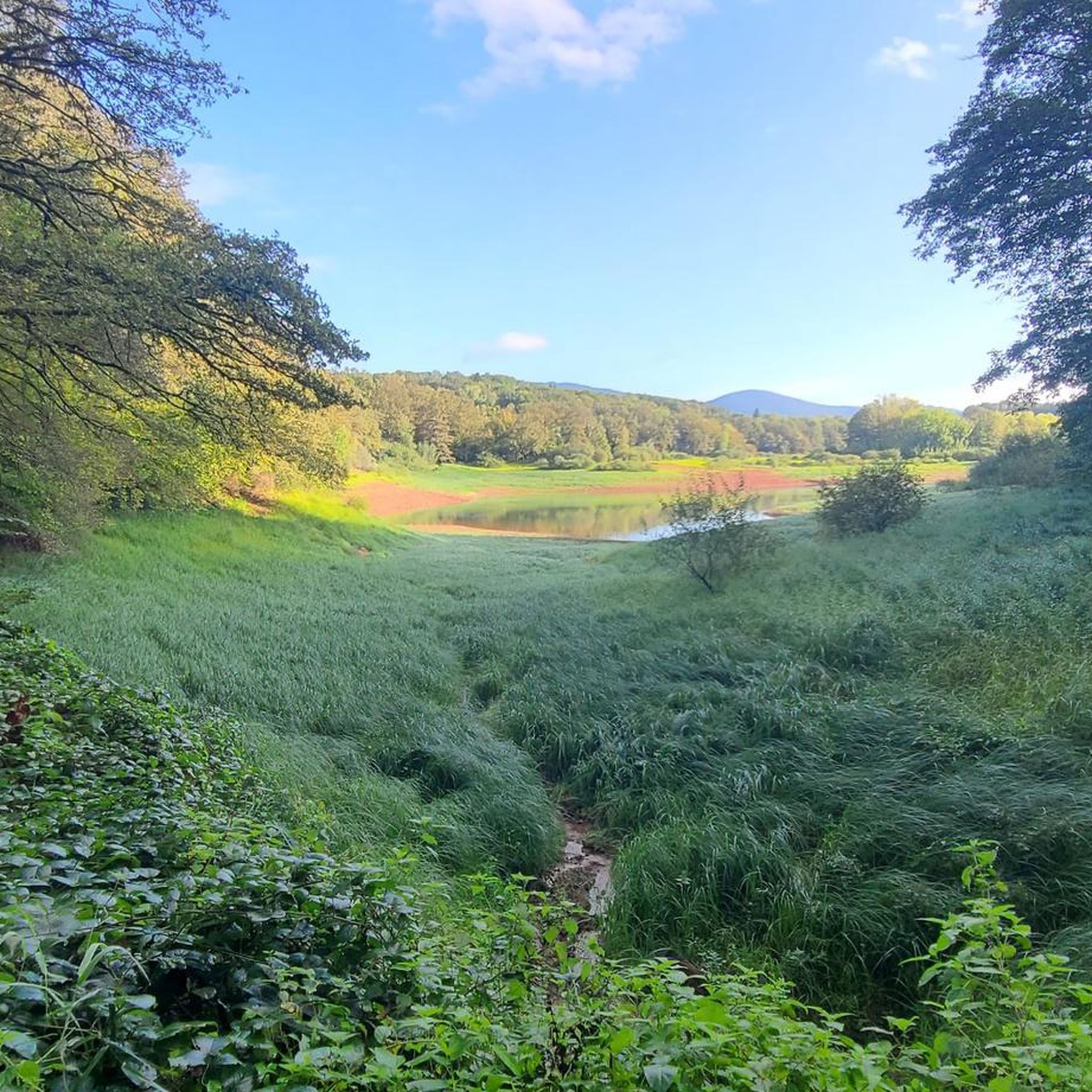
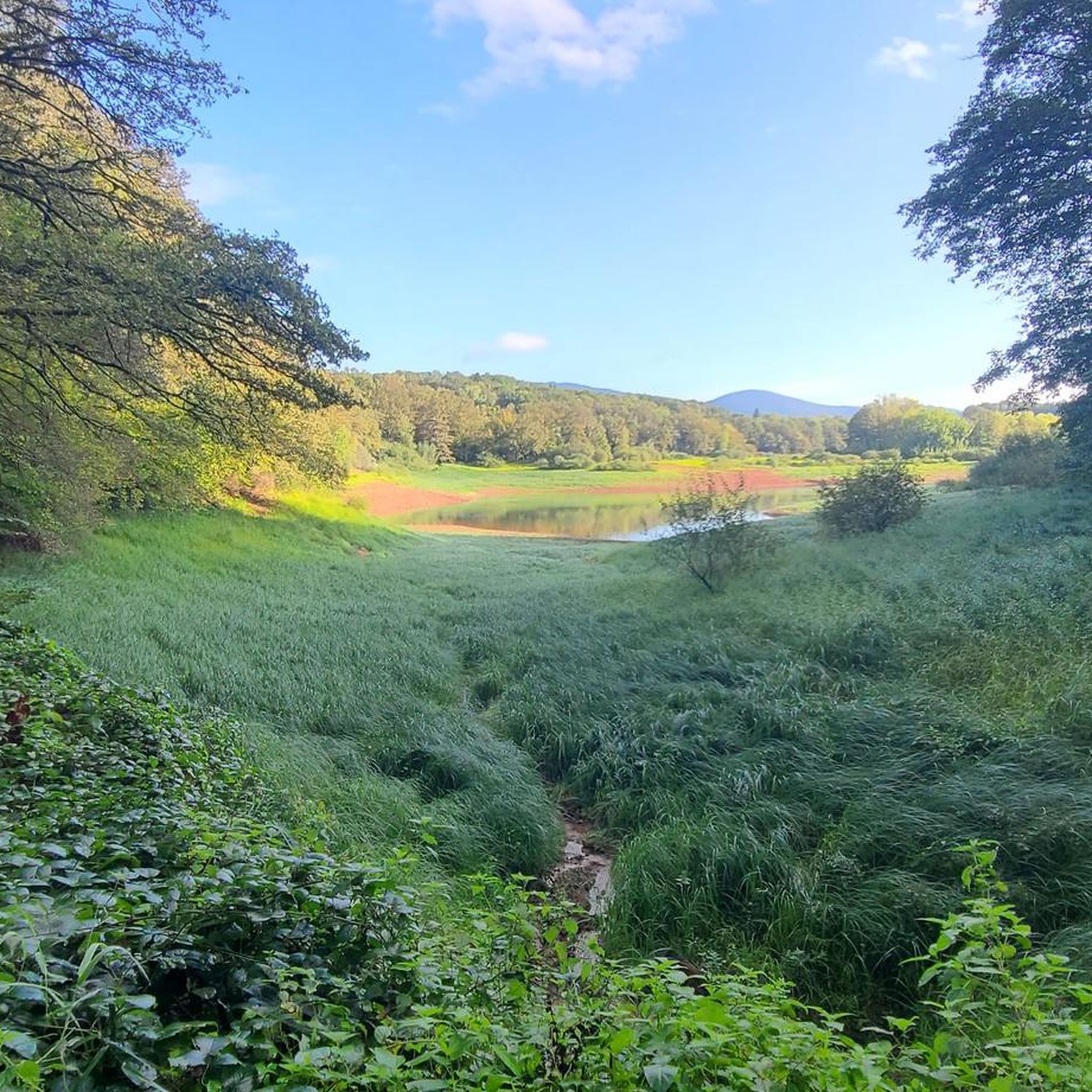
Touring cycling around Chenebier features a hilly topography with significant forest cover and numerous ponds. The region is characterized by its clayey soil, which has contributed to the creation of 46 ponds across three valleys. Located near the Southern Vosges mountains, the area offers diverse landscapes, including "rolling balloons" and open mountain pastures. This environment provides varied terrain for touring cyclists.
Best touring cycling routes around Chenebier
- The most popular touring cycling route is Ballon d'Alsace Pass – The Gentian…
Last updated: May 16, 2026
5.0
(2)
130
riders
58.1km
03:59
990m
990m
Hard bike ride. Very good fitness required. Mostly paved surfaces. Suitable for all skill levels.
62
riders
43.1km
02:59
780m
780m
Hard bike ride. Very good fitness required. Mostly paved surfaces. Suitable for all skill levels.

Sign up for free
4.3
(3)
30
riders
50.2km
03:07
410m
410m
Moderate bike ride. Good fitness required. Mostly paved surfaces. Suitable for all skill levels.
4.5
(2)
39
riders
82.5km
05:26
1,090m
1,090m
Hard bike ride. Very good fitness required. Mostly paved surfaces. Suitable for all skill levels.
5.0
(2)
6
riders
28.3km
01:53
340m
340m
Moderate bike ride. Good fitness required. Mostly paved surfaces. Suitable for all skill levels.
Get access to more routes and recommendations from other explorers.
Sign up for free
Already have an account?
Our route recommendations are based on thousands of hikes, rides, and runs completed by other people on komoot.
Start today with a free account
Your next adventure awaits.
Login or Signup



Tips from the Community

very beautiful route!!! drive slowly!! watch out for pedestrians
0
0


Quiet and affordable in the off-season..
0
0


The Church of St. Christopher was designed by the engineer Philippe Mareschal and built from 1727 to replace the Saint-Denis Collegiate Church. It opened for worship in 1750. Its façade, in the classical style with superimposed Doric and Ionic colonnades, is decorated with a triangular pediment bearing the king's coat of arms and religious motifs. This ornamentation was partially altered after the siege of 1870-1871. The towers were built between 1784 and 1788 (north tower) and in 1845 (south tower). The large organ is the work of the postman J.-C. Valtrin and has been restored and modified several times, notably in 1971 by François and Joseph Calinet and Kurt Schwenkedel. It was declared a historic monument by decree of 28 January 1930, erected as a basilica in 1952, and became a cathedral in 1979 following the creation of the Diocese of Belfort-Montbéliard.
1
0
A very beautiful Catholic church. The stained glass windows are worth seeing and invite you to take a moment to reflect.
1
0
Frequently Asked Questions
What kind of terrain can I expect when touring cycling around Chenebier?
Chenebier is characterized by a hilly topography and significant forest cover, with numerous ponds scattered across three valleys. You'll encounter diverse landscapes, from dense pine forests to open mountain pastures, especially as you approach the Southern Vosges mountains. Routes like the Ballon d'Alsace Pass – The Gentian loop from Champagney feature significant elevation gain, while others, such as the Malsaucy cycling link – Lac du Malsaucy loop from Échavanne, navigate through areas with lakes and forest sections.
Are there touring cycling routes for all skill levels in Chenebier?
Yes, the touring cycling network around Chenebier offers options for various ability levels. You can find easy, moderate, and difficult routes. For example, the Malsaucy cycling link – Lac du Malsaucy loop from Échavanne is rated as moderate, while the Ballon de Servance loop from Champagney is considered difficult due to its hilly and forested terrain.
What natural features can I discover on touring cycling routes in Chenebier?
The region is rich in natural beauty. Chenebier itself is known for its 46 ponds, which historically served as water reserves and are now adorned with discovery panels. Many routes will take you past these serene water bodies, such as the Lake Malsaucy – Champagney Lake loop from Échavanne. You'll also cycle through extensive forests and, in the Southern Vosges, experience open mountain pastures offering panoramic views.
Are there any historical landmarks or points of interest along the cycling routes?
Yes, Chenebier and its surroundings offer several points of interest. The village features 19th-century Protestant temples and churches, along with 12 distinctive pink sandstone fountains, some dating back to 1774. Nearby attractions include the Notre-Dame-du-Haut Chapel and the Mont Vaudois Fort. You might also encounter highlights like the Champagney Dam or the Viewpoint overlooking Lake Malsaucy.
When is the best time of year to go touring cycling in Chenebier?
The Burgundy-Franche-Comté region, including Chenebier, is generally pleasant for cycling from spring through autumn. Spring offers lush greenery and blooming landscapes, while autumn provides vibrant fall colors. Summer is also popular, though some routes, especially those with significant elevation, might be more challenging in warmer temperatures. Always check local weather conditions before your ride.
What do other touring cyclists enjoy most about cycling in Chenebier?
The area is highly rated by the komoot community, with an average score of 4.6 stars from over 300 reviews. Cyclists often praise the diverse terrain, from challenging mountain passes like the Chevrères Pass loop from Champagney to serene routes around the numerous ponds and through dense forests. The blend of natural beauty and varied difficulty levels makes it appealing to many.
Are there family-friendly touring cycling routes in Chenebier?
While specific family-friendly touring routes are not detailed, the region's extensive network of cycle routes, including greenways ('Voie Verte') and canal-side paths in the wider Burgundy-Franche-Comté area, often provides gentler options suitable for families. Within Chenebier, routes with less elevation gain and those around the ponds might be more suitable for a family outing.
Can I bring my dog on touring cycling routes around Chenebier?
Many outdoor areas in France are dog-friendly, especially on trails and in natural parks, provided dogs are kept on a leash. However, specific regulations can vary by municipality or protected area. It's always best to check local signage or contact the regional tourism office for the most current information regarding bringing dogs on cycling routes in Chenebier and the surrounding Southern Vosges.
Are there circular touring cycling routes available?
Yes, many of the touring cycling routes around Chenebier are designed as loops, allowing you to start and finish at the same point. Examples include the Ballon d'Alsace Pass – The Gentian loop from Champagney, the Malsaucy cycling link – Lac du Malsaucy loop from Échavanne, and the Ballon de Servance loop from Champagney. These circular routes are convenient for day trips.
Is public transport available to access cycling routes in Chenebier?
While Chenebier is a village, the wider Burgundy-Franche-Comté region has a developed public transport network. For specific routes, especially those starting in larger towns like Champagney or Échavanne, regional buses or trains might offer connections. It's advisable to check the local public transport schedules and policies regarding bicycles for your planned starting point.
Where can I find more information about the broader cycling networks in the region?
The Burgundy-Franche-Comté region boasts around 2900 km of cycle routes, including greenways and canal-side paths. For comprehensive information on these extensive networks, you can visit official regional cycling tourism websites such as France Vélo Tourisme or Burgundy Tourism. These resources provide details on routes like the 'Tour de Bourgogne à vélo' and the 'Voie des Vignes'.
Most popular routes around Chenebier
Most popular attractions around Chenebier

Get inspired with the komoot mobile app


Explore more
Browse the best Cycling routes in other regions.
