Attractions and Places To See around Villeperdue - Top 14
Best attractions and places to see around Villeperdue, a commune in the Indre-et-Loire department of France, offers a tranquil setting. It serves as the source of the Montison river, a 14.1 km long waterway. The surrounding region provides access to historical landmarks, natural features, and cultural sites. This area is a base for exploring the wider Loire Valley.
Best attractions and places to see around Villeperdue
- The most popular attractions is Courtineau Valley and Troglodyte Houses, a historical site…
Last updated: June 23, 2026
Montbazon
Highlight • Settlement
Translated by Google •
Tip by

Courtineau Valley and Troglodyte Houses
Highlight • Historical Site
Translated by Google •
Tip by

Sign up now to discover places like this
Get recommendations on the best single tracks, peaks, & plenty of other exciting outdoor places.
Sign up for free
Candé Estate
Highlight • Other
Translated by Google •
Tip by
Boisbonnard Castle
Highlight • Castle
This private castle is an old fortress of which only:
- the wide medieval moats in their entirety …
Translated by Google •
Tip by
Courtineau Valley
Highlight (Segment) • Other
Translated by Google •
Tip by
Sign up for free to discover even more attractions around Villeperdue.
Sign up for free
Already have an account?
Start today with a free account
Your next adventure awaits.
Login or Signup


Tips from the Community

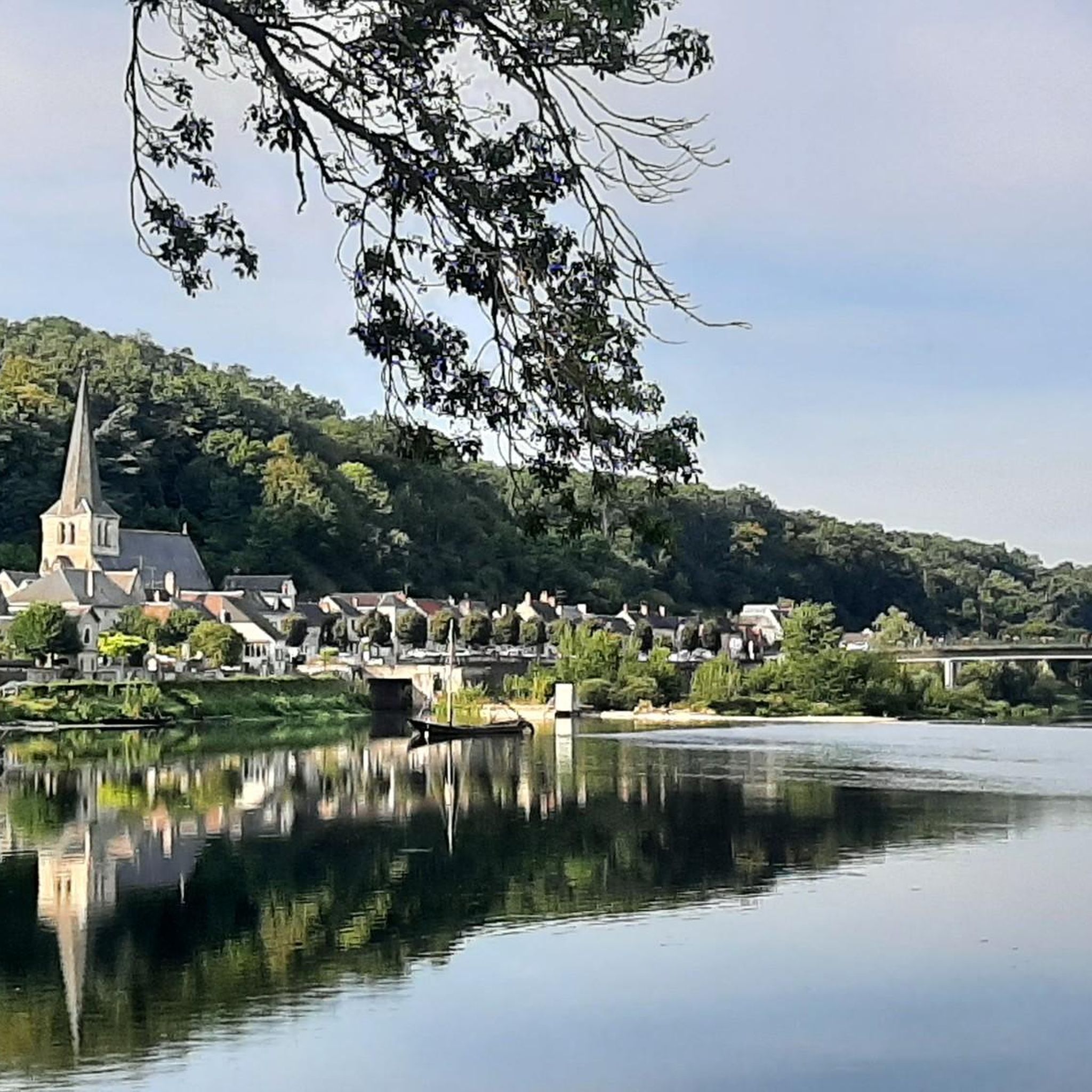
A charming little town nestled on the banks of the Indre, Montbazon stands out with its medieval character. Its small streets lead to shops of all kinds. The most remarkable remains the imposing fortress in the heart of the city, built from 991 and today accessible to the public. For pilgrims who frequent the Via Turonensis, a number of accommodations, including a campsite on the other side of the Indre, are available in Montbazon.
0
0

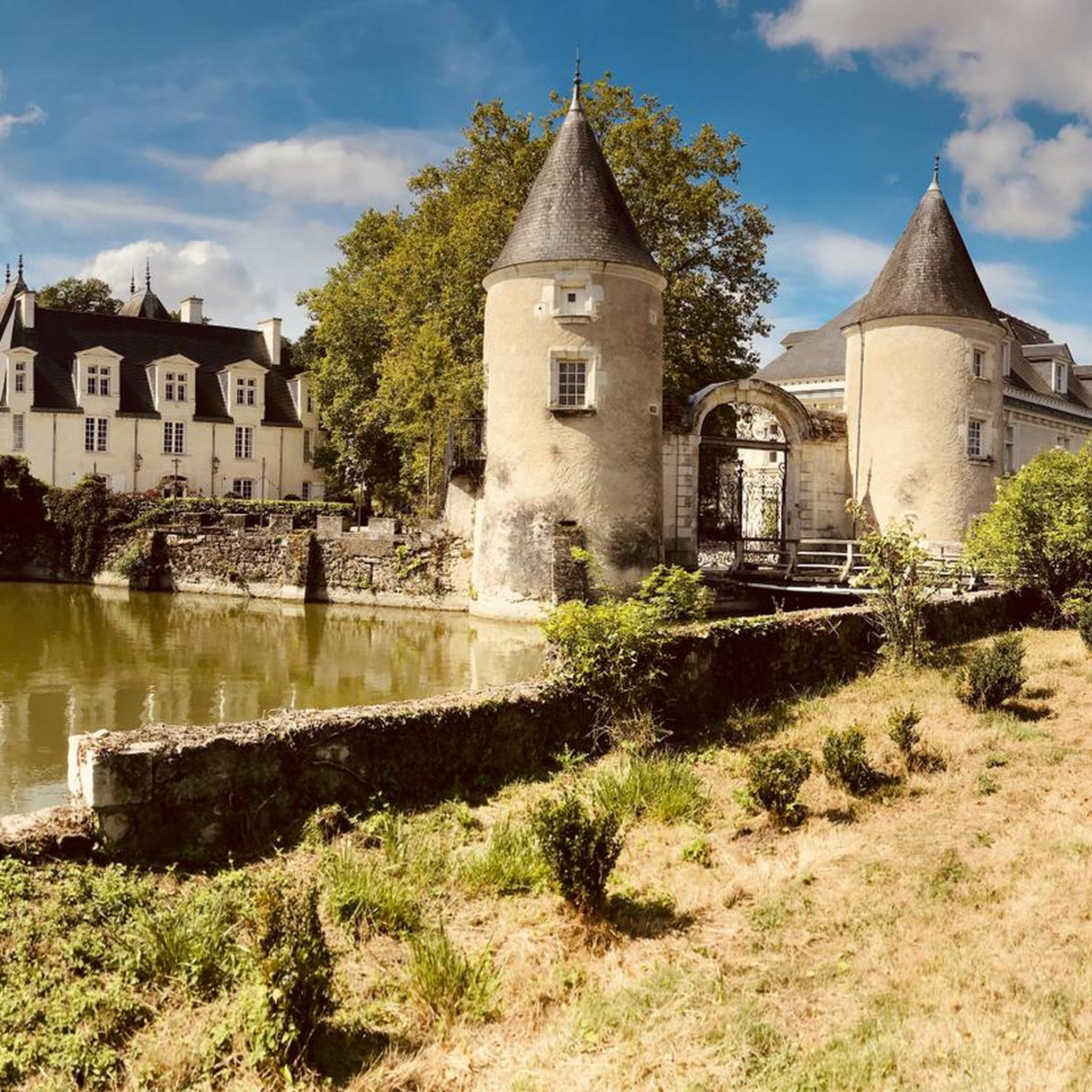
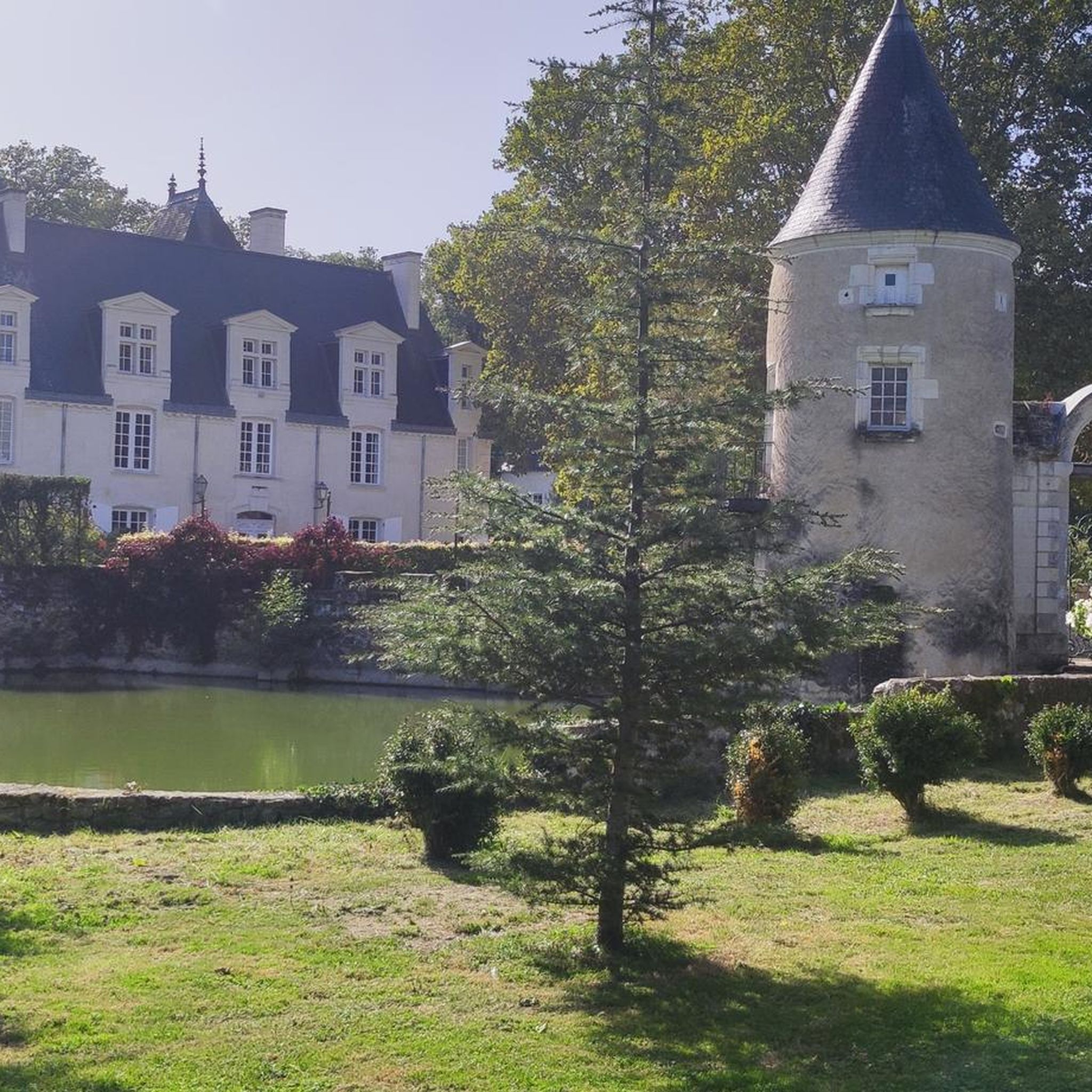
This private castle is an ancient fortress of which only: the large medieval moat in its entirety and which forms 2 quadrilaterals and a 3-sided figure 5 cylindrical towers including the South-East tower pierced with circular loopholes called “couuvrine tower”. The current castle was built in several stages. The residential house which dates from the 16th century had its facades completely remodeled in 1856. Part of it disappeared at the beginning of the 20th century. To the South-West a main building covered with a 4-sloped roof and presenting stone casement windows on the ground floor had been joined by another building in 1731; these buildings were demolished in 1979
0
0

Montbazon is a medieval town located on the banks of the Indre River and surrounded by greenery. Its historic center houses an impressive fortress that can be visited both in summer and during the holiday season.
0
0

A very nice road
0
0

The Courtineau valley is a valley located in the municipalities of Saint-Epain and Sainte-Maure-de-Touraine, in the department of Indre-et-Loire, in the Center-Val de Loire region. Six kilometers long, it has many troglodyte dwellings, water mills, washhouses ... It is classified as a natural area of ecological, faunistic and floristic interest (ZNIEFF) because of its remarkable character. The chapel of Notre-Dame-de-Lorette, carved into the rock, would have been the refuge of a hermit in the fourteenth century2. On March 6, 1429, Joan of Arc would have taken shelter there to protect herself from a downpour while she was traveling the Courtineau valley to go to Chinon to see King Charles VII, after two nights spent in Sainte-Catherine-de -Proudwood. The water mills: - The Moulin de la Chaise: from 1241 to 1789, it belonged to the Chapter of Saint-Martine de Tours and depended on the Provost of Saint-Epain. - The Courtineau mill - The Malicorne mill: in the fourteenth and at least until the seventeenth century, it depended on the seigneury of Sainte-Maure-de-Touraine. We grew hemp there - The Souvres mill. - The mill of Mareille, large building of three floors which appears on the map of Cassini and the Napoleonic land register of 18274. According to the elders, the building was before 1900 a sawmill, the paddle wheel was placed further. The village of Courtineau is made up of troglodyte houses. In the mid-twentieth century he still owned a café, a grocery store and a school.
2
0
The Courtineau valley is a valley located in the municipalities of Saint-Epain and Sainte-Maure-de-Touraine, in the department of Indre-et-Loire, in the Center-Val de Loire region. Six kilometers long, it has many troglodyte dwellings, water mills, washhouses ... It is classified as a natural area of ecological, faunistic and floristic interest (ZNIEFF) because of its remarkable character. The chapel of Notre-Dame-de-Lorette, carved into the rock, would have been the refuge of a hermit in the fourteenth century2. On March 6, 1429, Joan of Arc would have taken shelter there to protect herself from a downpour while she was traveling the Courtineau valley to go to Chinon to see King Charles VII, after two nights spent in Sainte-Catherine-de -Proudwood. The water mills: - The Moulin de la Chaise: from 1241 to 1789, it belonged to the Chapter of Saint-Martine de Tours and depended on the Provost of Saint-Epain. - The Courtineau mill - The Malicorne mill: in the fourteenth and at least until the seventeenth century, it depended on the seigneury of Sainte-Maure-de-Touraine. We grew hemp there - The Souvres mill. - The mill of Mareille, large building of three floors which appears on the map of Cassini and the Napoleonic land register of 18274. According to the elders, the building was before 1900 a sawmill, the paddle wheel was placed further. The village of Courtineau is made up of troglodyte houses. In the mid-twentieth century he still owned a café, a grocery store and a school.
1
0
In a preserved setting, 20 minutes from Tours, the Domaine de Candé takes you on a discovery of a daringly landscaped castle and invites you to stroll in the heart of an equally unique 230 hectare park. Made famous in 1937 by the marriage of the Duke of Windsor to the American Wallis Simpson, Château de Candé had many owners from the Middle Ages to the 20th century. Two of them equipped it with extremely modern equipment that was rare for the time: huge kitchens on two levels; ultramodern bathrooms; a thousand square meters of cellars equipped with the latest presses; a Bell telephone exchange; a fitness room equipped with equipment worthy of the Titanic; a monumental Skinner organ, the only one in Europe. The various tours and walks invite you to contemplate and observe the natural and technical heritage of the estate ... remarkable hundred-year-old trees, protected flora and fauna, telephones, hydraulic station, bathrooms, sports equipment from the 1930s, Organ de Skinner residence… Closed at certain times of the year
2
0
Boisbonnard is a fairly attractive ensemble and was extensively altered in 1856. This private castle is an old fortress of which only: - the wide medieval moats in their entirety and which form 2 quadrilaterals and a 3-sided figure - 5 cylindrical towers including the South-East tower pierced with circular loopholes called the “couleuvrine tower”. The surrounding walls disappeared, the eastern ones were pulled down in 1856. Access is controlled by 2 entrance towers, capped with pepper shakers, guarding the wooden footbridge which replaced the drawbridge. A portal with a curved pediment connects them. The enclosure demolished in the last century has retained 3 corner towers. The current castle was built in several stages. The residential building, which dates from the 16th century, had its facades completely redesigned in 1856. Part of it disappeared at the beginning of the 20th century. To the south-west, a main building covered with a 4-pitched roof and presenting stone windows on the ground floor had been lined with another building in 1731; these buildings were demolished in 1979. The outbuildings near the front door were built in Renaissance style around 1856 in place of the old farm buildings. Numerous renovation and restoration works have been carried out since 1994. During the cleaning of the moat an oak door was discovered under the water level. We can assume that there was an underground passage between the castle and the village church or to other undergrounds.
2
0
Frequently Asked Questions
What natural attractions can I explore near Villeperdue?
Near Villeperdue, you can explore the Courtineau Valley and Troglodyte Houses, a 6-kilometer valley known for its unique rock-carved dwellings, water mills, and washhouses. This area is classified for its ecological, faunistic, and floristic interest. Additionally, the Montison River originates in Villeperdue and is classified as a second-category fishing stream.
Are there any unique historical dwellings to see near Villeperdue?
Yes, the Courtineau Valley and Troglodyte Houses, located near Villeperdue, features numerous troglodyte dwellings carved into the rock. You can also find the chapel of Notre-Dame-de-Lorette, also carved into the rock, which is said to have sheltered Joan of Arc in 1429. The Cave of Goupillières also offers insights into troglodyte life.
Which châteaux are easily accessible from Villeperdue?
Several notable châteaux are within easy reach of Villeperdue. These include Candé Estate (approx. 10.9 km), Château d'Azay-le-Rideau (approx. 13 km), Château de Villandry (approx. 17 km), Château de Langeais (approx. 21 km), and the famous Château de Chenonceau (approx. 35.7 km). Villeperdue also has its own historical landmark, Boisbonnard Castle.
What is the significance of Boisbonnard Castle in Villeperdue?
Boisbonnard Castle is an attractive historical ensemble located directly within the commune of Villeperdue. It features five cylindrical towers, including the “couleuvrine tower,” and was significantly altered in 1856. The castle is an old fortress with wide medieval moats and two entrance towers.
Are there hiking or cycling opportunities around Villeperdue?
Yes, the region around Villeperdue offers various routes for outdoor activities. You can find numerous MTB Trails, Road Cycling Routes, and Cycling routes. For example, the 'Boisbonnard Castle – Crissay-sur-Manse Village loop' is a moderate road cycling route starting from Villeperdue.
What family-friendly activities are available near Villeperdue?
For families, the Courtineau Valley and Troglodyte Houses offer an engaging historical and natural exploration. The Château de Chenonceau is also highly ranked among family-friendly attractions in France. Additionally, the Aquarium du Val-de-Loire is about 30 km away and provides another option for family outings.
What is the best time of year to visit Villeperdue for outdoor activities?
The Indre-et-Loire department, where Villeperdue is located, generally experiences pleasant weather for outdoor activities from spring through early autumn (April to October). This period offers mild temperatures ideal for exploring châteaux, hiking, and cycling.
Can I go fishing in Villeperdue?
Yes, the Montison River, which originates in Villeperdue, is classified as a second-category fishing stream. This makes it a suitable spot for fishing enthusiasts.
What do visitors enjoy most about the attractions around Villeperdue?
Visitors particularly appreciate the blend of historical sites and natural landscapes. The Courtineau Valley and Troglodyte Houses are highly popular for their unique rock-carved dwellings and natural beauty. The historical significance of places like Montbazon and the grandeur of châteaux like Candé Estate also receive high praise.
Are there any charming villages or towns to visit near Villeperdue?
Yes, Montbazon is a medieval town on the banks of the Indre River with an impressive fortress. Crissay-sur-Manse, listed as one of France's 'Most Beautiful Villages,' is also about 12 km from Villeperdue, offering charming stone houses and narrow streets.
Are there any gardens worth visiting near Villeperdue?
The region is known for its remarkable gardens. The Candé Estate features a 230-hectare park. The Château de Villandry is famous for its meticulously maintained gardens, and other beautiful gardens include Les Jardins de la Chatonnière (13km) and Les Jardins du Prieuré de Saint-Cosme (21km).
Most popular routes around Villeperdue
Most popular attractions around Villeperdue

Get inspired with the komoot mobile app


Explore more
Still not found the Highlight you’re looking for? See guides of the top attractions in other regions:
